
Electric bikes offer a greener, more efficient way to explore cities or trails. But their true potential depends on one critical component: the battery. A recent Translational Journal study found that proper care can boost performance by up to 30%, ensuring longer rides and fewer replacements.
Owning an e-bike means lower fuel costs and a fun way to stay active. However, these machines aren’t just regular bicycles with a motor. Brands like Trek and Rad Power Bikes stress that lithium-ion packs need specific attention. Factors like charging habits, storage temperatures, and riding modes directly impact how far you’ll go on a single charge.
Specialized engineers recommend starting with the basics. Always use the manufacturer’s charger, avoid draining the battery completely, and store it in moderate temperatures. Touring riders swear by adjusting assist levels based on terrain—saving power for steep hills instead of flat roads.
This guide breaks down everything from understanding watt-hours to optimizing pedal-assist settings. You’ll learn how charging cycles affect longevity, why cold weather reduces range, and which maintenance routines keep your system running smoothly. Let’s dive into practical strategies that maximize every mile.
Understanding Your E-Bike Battery and Its Capabilities
Your bike’s power source is its heart—and not all batteries beat the same. While lead-acid and nickel-metal hydride options exist, lithium-ion dominates modern e-bikes for good reason. These lightweight cells pack 150-200 watt-hours per pound, letting brands like Trek fit 500Wh packs into sleek frames. Higher capacity means more miles: a 500Wh battery typically delivers 40 miles in Eco mode versus 25 in Turbo.
Exploring Battery Types and Capacity
Lithium-ion batteries outperform others with 500-1,000 charge cycles before significant capacity loss. Compare that to lead-acid’s 200 cycles. Capacity ratings (measured in Wh) reveal your potential range—multiply volts by amp-hours. For example, Specialized’s 700Wh Turbo batteries use 48V x 14.5Ah configurations. Real-world tests show hills and headwinds can cut manufacturer estimates by 30%.
Knowing Your Charging Needs
Smart charging starts with the right gear. Bosch systems charge fully in 4.5 hours using 4A chargers, while 2A models take 7 hours but reduce heat stress. Avoid leaving batteries plugged in overnight—most manufacturers recommend stopping at 80% for daily use. Store partially charged (40-60%) if parking your bike for weeks.
| Battery Type | Cycle Life | Weight | Cost per Wh |
|---|---|---|---|
| Lithium-ion | 500-1000 | 5-8 lbs | $0.50 |
| Nickel-Metal | 300-500 | 9-12 lbs | $0.35 |
| Lead-Acid | 150-200 | 15-20 lbs | $0.20 |
Pro tip: Test different assist modes on familiar routes. Many riders find Normal mode balances speed and battery drain better than constantly switching between Eco and Power. Always check your manufacturer’s voltage specs before using third-party chargers.
How to Extend Your E-Bike Battery Life: Tips & Tricks
Getting the most from your ride starts with two key practices: intelligent charging and efficient riding. Let’s explore strategies that keep you moving farther without compromising your battery’s health.
Mastering Optimal Charging Practices
Lithium-ion cells thrive when treated gently. Experts from Bosch and Shimano suggest charging to 80-90% for daily use instead of maxing out. This reduces stress on the cells, similar to how you’d avoid overfilling a gas tank. Partial top-ups during lunch breaks or coffee stops work better than deep discharges.
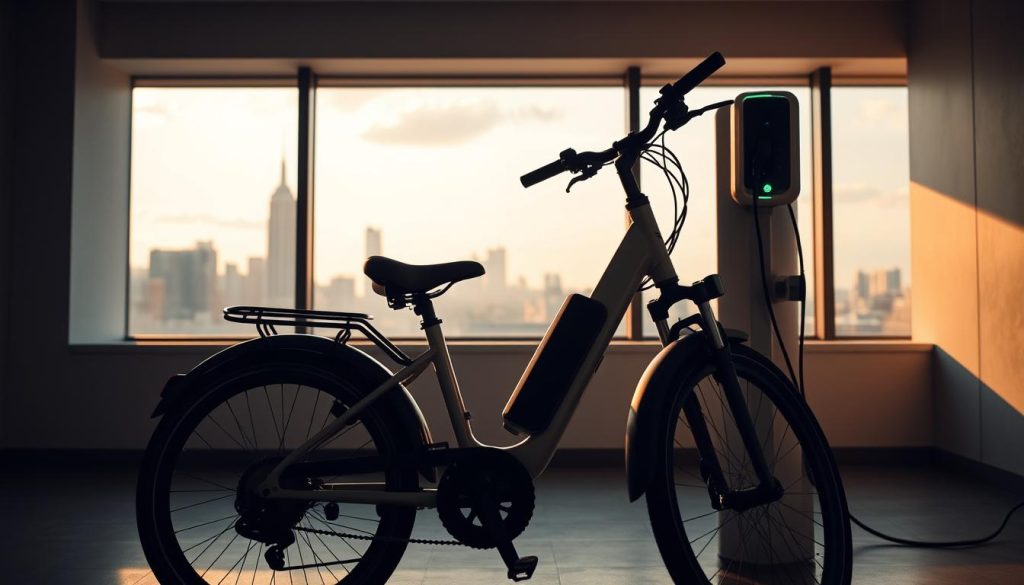
Always use the charger that came with your bike. Third-party options might promise faster charging, but they can overheat the system. For storage longer than a week, keep the charge between 40-60%—ideal for preserving capacity during downtime.
Effective Riding Modes for Maximum Range
Pedal-assist modes are your secret weapon. Riding in Eco mode on flat roads saves power for steep climbs later. Aim for a steady cadence of 60-80 RPM to help the motor work efficiently. Throttle-only modes drain capacity 30% faster than pedal-assisted riding, according to Rad Power tests.
On hills, shift to lower gears before the incline starts. This prevents sudden power surges. When descending, reduce assist levels or turn them off completely. Maintaining consistent speed instead of frequent stops and starts also cuts energy use by up to 20%.
Pair these charging routines with smart riding choices, and you’ll notice longer trips between charges. Always check your manufacturer’s app for battery diagnostics—many brands now offer personalized tips based on your riding patterns.
Maintenance and Riding Strategies for Long-Lasting Power
Keeping your electric companion in top shape doesn’t require a mechanic’s expertise—just consistent care. Simple habits preserve your bike’s performance while protecting its power source through seasons of adventures.
Routine Maintenance and Battery Health
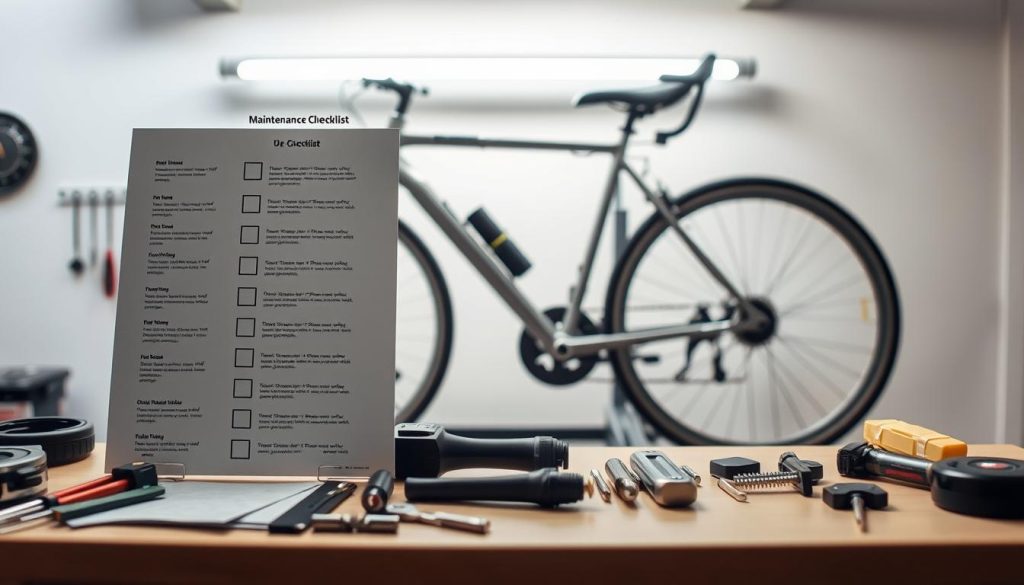
Trek’s engineers recommend this 3-step weekly routine:
- Wipe the battery contacts with a dry cloth to prevent corrosion
- Check tire pressure (35-50 PSI for most models)
- Lubricate the chain every 100 miles or after rain rides
Monthly tasks matter too. Inspect brake pads for wear and test the battery’s charge-hold capacity. Most manufacturers provide apps that track health metrics like voltage consistency.
Adapting Your Pedaling Style and Speed
Product managers at Giant suggest spinning faster in lower gears rather than muscling through tough terrain. Aim for:
- 70-80 RPM cadence on flat roads
- Gradual acceleration from stops
- Using throttle sparingly—pedal-assist modes save 25% more power
This approach reduces strain on both the motor and your legs. On descents, shift to zero assist—the bike’s momentum will recharge the battery slightly through regenerative braking in some models.
Storage Guidelines and Temperature Considerations
Extreme weather is a battery’s nemesis. Store your bike:
- In dry areas between 50-77°F (10-25°C)
- With 40-60% charge during off-seasons
- Away from direct sunlight or freezing garages
Rad Power’s tests show batteries lose 3% capacity monthly when stored at full charge versus 1% at half-charge. For winter riders, insulate the battery with neoprene sleeves during rides below freezing.
Balancing care with enjoyment is key. Follow these steps, and your bike will reward you with reliable miles—rain or shine.
Wrap-Up: Your Roadmap to a Reliable E-Bike Battery
Powering your adventures starts with smart battery care. By combining partial charging, proper storage, and terrain-aware riding, you’ll unlock your e-bike’s full potential. Remember: lithium-ion batteries thrive on routine, not extremes.
Stick to your manufacturer’s charger and avoid draining cells completely. Trek and Bosch engineers agree—keeping charge levels between 20-80% for daily use boosts lifespan. During rides, match assist modes to your route. Save Turbo for steep climbs and cruise in Eco on flats.
Cold garages or hot trunks? Neither. Store batteries at room temperature with 40-60% charge during off-seasons. A quick weekly check—wipe contacts, inspect tire pressure, and lubricate chains—keeps energy flowing smoothly.
Your bike’s capacity depends on these choices. Treat it well, and you’ll enjoy years of reliable rides. Before long tours, revisit these tips as a pre-ride checklist. With these habits, every mile becomes a testament to both your care and your e-bike’s enduring potential.