
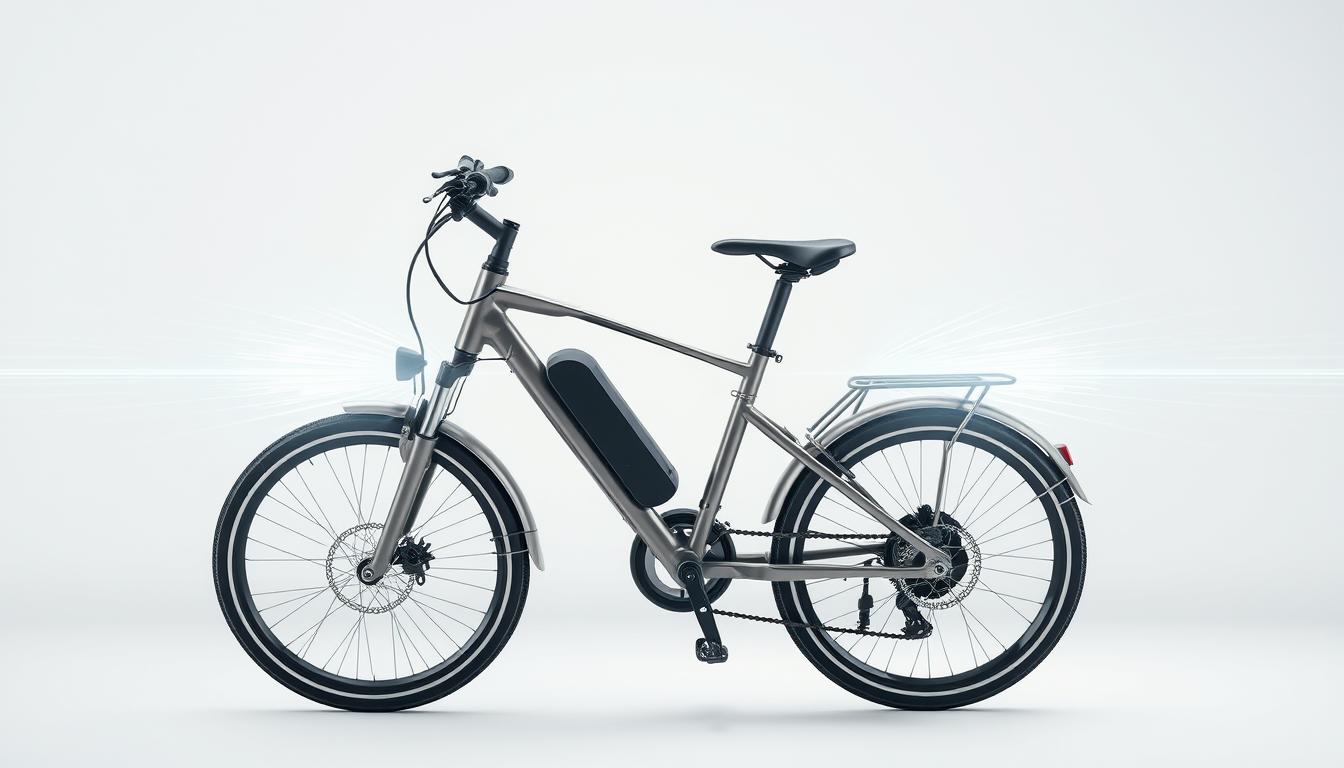
Electric bikes are transforming how we explore cities, trails, and everything in between. But one question always comes up: how much ground can you cover before needing to recharge? The answer lies in two key factors—range and battery performance.
Range refers to the maximum distance a bike can travel on a single charge. This varies widely, with some models covering 15 miles and others exceeding 75 miles. For instance, commuter-focused options like Rad Power Bikes’ RadCity 5 often hit 45+ miles, while high-performance models from brands like Trek push limits with advanced lithium-ion packs.
Battery capacity, measured in watt-hours (Wh), plays a huge role. A higher Wh rating typically means longer rides, but terrain, rider weight, and assist levels also matter. A 500Wh battery might last 40 miles on flat roads but drop to 25 in hilly areas. Pair this with a motor’s efficiency, and you’ll see why balancing power and energy use is critical.
Knowing these details helps you choose a model that fits your lifestyle. Whether you’re commuting daily or tackling weekend adventures, understanding your bike’s potential ensures fewer surprises and more miles of fun. Let’s dive deeper into what makes your ride go the distance!
Understanding the Basics of E-Bike Range and Battery Life
When planning trips with pedal-assisted transportation, knowing your limits starts with two core concepts. Let’s simplify the tech talk and focus on what truly matters for your adventures.
What Does E-Bike Range Mean?
Range determines how many miles your ride can cover before needing a recharge. Think of it like a fuel tank—bigger batteries store more energy, but terrain and riding style impact actual results. Most modern models deliver between 20-75 miles per charge.
How Battery Capacity Sets the Foundation
Measured in watt-hours (Wh), battery capacity is your energy reservoir. A 500Wh unit might handle 40 miles on flat roads using pedal assist. Switch to throttle-only mode, and that number drops by 30-40%.
| System Type | Energy Use | Typical Range* |
|---|---|---|
| Pedal Assist (Level 1) | Low | 50-75 miles |
| Throttle Only | High | 20-35 miles |
| Mixed Use | Moderate | 35-55 miles |
*Based on 500Wh battery | Data: Bosch, Shimano market reports
Weather plays a sneaky role too. Cold temperatures can reduce capacity by 15-20%, while smooth pavement extends range compared to gravel paths. Choosing the right assist level becomes key for balancing speed and stamina.
Next time you’re browsing models, match the Wh rating to your daily needs. A 20-mile commuter thrives with 400Wh, while weekend explorers might want 700Wh+ for peace of mind.
Key Factors Influencing Your Ride
Several elements work together to determine how far your two-wheeled companion can take you. Let’s unpack the biggest players that quietly shape every journey.
Your Load and the Land Ahead
Extra pounds matter more than you’d think. Adding 50 lbs of gear or body weight can slash range by 10-15%. Hills demand even more – a 5% grade might cut mileage by 30% compared to flat roads.
Ever ridden through headwinds? They act like invisible hills. A 15 mph breeze against you equals pedaling up a 3% incline. Tire pressure also plays detective – underinflated tires rob 5-10% efficiency.
Energy Storage Secrets
Voltage and capacity form your battery’s dynamic duo. Higher voltage (48V vs 36V) delivers better hill-climbing power, while capacity (measured in Wh) dictates energy reserves. Here’s how popular setups compare:
| Battery Specs | Flat Terrain | Hilly Routes |
|---|---|---|
| 400Wh / 36V | 35 miles | 22 miles |
| 625Wh / 48V | 55 miles | 38 miles |
Real-world tests show Specialized Turbo Vado riders covering 60 miles using moderate assist, while heavier cargo bikes like Tern GSD manage 40 miles with payloads. Cold weather? Keep batteries above 50°F for best results.
Smart riders match their gear to daily needs. Urban commuters might thrive with 500Wh systems, while adventure seekers often opt for 700Wh+ setups. Remember – every choice shapes your ride’s potential!
Essential Calculations: Measuring Range with Watt-Hours
Unlock the math behind your ride’s mileage with simple energy formulas. Watt-hours (Wh) measure your battery’s total energy storage—like counting coins in a piggy bank. Multiply voltage by amp-hours to find this number (e.g., 48V x 10Ah = 480Wh).
Crunching Numbers for Real Rides
Divide battery capacity by your Wh/mi rate to estimate range. Most pedal-assist bikes use 10-20 Wh/mi. Let’s break it down:
| Riding Style | Wh/mi | 500Wh Range |
|---|---|---|
| Eco Mode (Paved) | 12 | 41 miles |
| Sport Mode (Hills) | 22 | 23 miles |
| Throttle (Headwind) | 28 | 18 miles |
Soft tires add friction, increasing energy use by 8-12%. Gravel roads might spike consumption to 25 Wh/mi versus 15 on smooth asphalt. Check pressure weekly—it’s free range insurance!
Test rides reveal personal efficiency. Track your battery percentage after 10-mile loops. Adjust calculations based on terrain and riding habits. Soon, you’ll predict charges like checking a fuel gauge.
How Far Can You Go? Understanding E-Bike Range & Battery Life
Your journey’s length depends on more than just numbers on a spec sheet. While manufacturers advertise ranges up to 75 miles, real-world results often tell a different story. Let’s separate fact from fiction and map out what truly determines your ride’s limits.
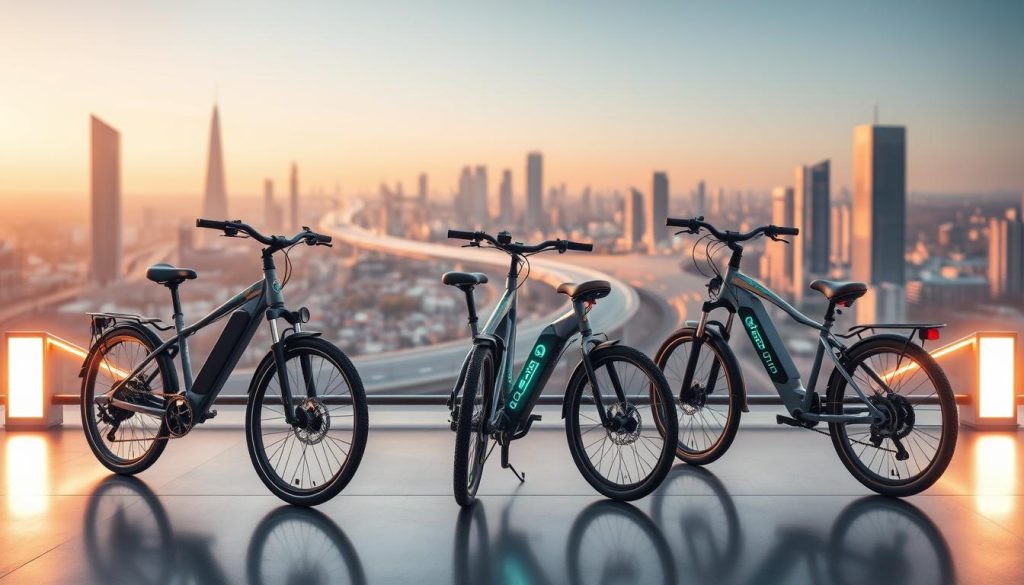
Battery capacity sets the stage, but terrain and riding style steal the spotlight. A 500Wh pack might promise 40 miles, but add hills or cargo, and that drops fast. Popular models showcase this variability:
| Model | Advertised Range | Real-World Average |
|---|---|---|
| RadCity 5 | 45+ miles | 32-38 miles |
| Trek Allant+ 9.9S | 75 miles | 58-63 miles |
| VanMoof S5 | 93 miles | 67-72 miles |
Why the gap? Lab tests use ideal conditions—flat terrain, light riders, and steady speeds. Real rides mix stoplights, wind, and elevation changes. Throttle-heavy users might see 30% less distance than pedal-assist riders.
Three quick tips for smarter planning:
- Multiply advertised range by 0.7 for urban estimates
- Choose batteries with 20% more capacity than you think you’ll need
- Track your Wh/mile usage through your bike’s display
Ready to push further? Up next: techniques to stretch every electron from your battery. Because more miles mean more adventures waiting around the bend.
Maximizing Your Battery with Smart Riding Techniques
Smart riding habits can turn your e-bike into a long-distance champion. Small adjustments to how you interact with the motor and terrain add up, letting you squeeze extra miles from every charge. Let’s explore two game-changing strategies.
Pedal Assist Versus Throttle: Finding the Balance
Pedal assist modes reward teamwork between your legs and the motor. Using level 1-2 assist burns 35% less energy than throttle-only riding. Check this comparison for a 500Wh battery:
| Method | Energy Use/Mile | Max Range |
|---|---|---|
| Low Assist (Level 1) | 10 Wh | 50 miles |
| Throttle Dominant | 25 Wh | 20 miles |
Mix both methods for hills. Engage throttle briefly to start moving, then switch to pedal assist once cruising. This combo cuts energy spikes during acceleration.
Acceleration, Coasting, and Gear Shifting Tips
Smooth starts preserve power. Jackrabbit launches drain batteries 20% faster than gradual acceleration. Three habits boost efficiency:
- Anticipate stops: Coast toward red lights instead of braking hard
- Shift early: Change gears before hills to maintain steady cadence
- Ride with traffic flow: Avoid constant speed changes in congested areas
Test these tricks during your next commute. Many riders gain 5-8 extra miles simply by easing into starts and using momentum wisely. Your battery meter will thank you!
Maintaining and Upgrading Your Battery for Longer Rides
Your bike’s power source thrives on thoughtful care—like a marathon runner needing proper hydration. Small daily habits protect your investment and keep adventures rolling smoothly.
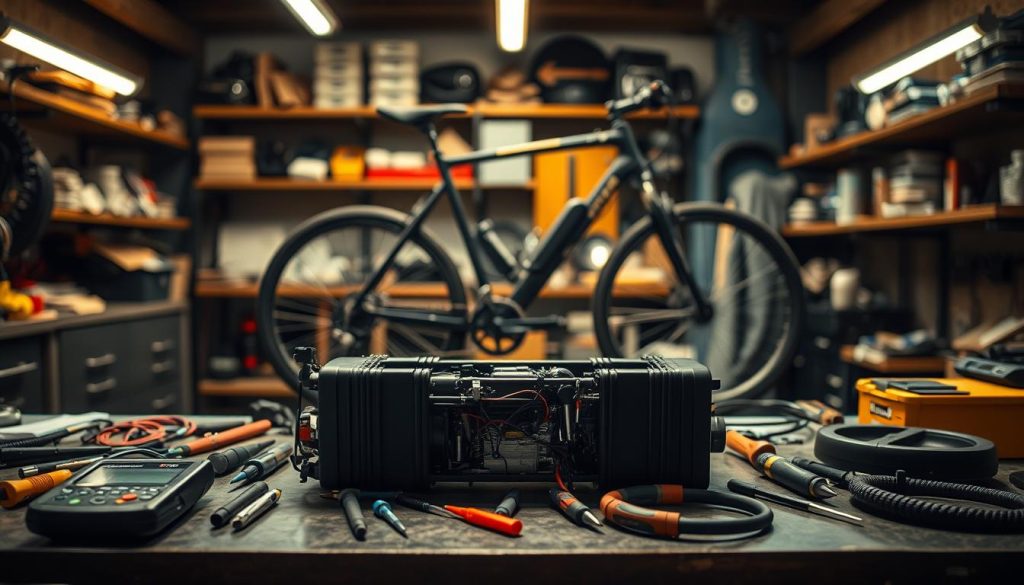
Charging Smart for Lasting Performance
Lithium-ion batteries prefer partial top-ups over full discharges. Keep charge levels between 20-80% for daily use. Deep drains below 10% strain cells, reducing total lifespan by 30% over three years.
Store packs in cool, dry places—never leave them baking in direct sunlight. Ideal storage charge is 50% for inactive periods longer than a month. Check connections monthly for dust or corrosion using a dry cloth.
Tire pressure impacts energy use more than riders realize. Underinflated tires add rolling resistance, draining batteries 8% faster. Test pressure weekly with a digital gauge—most models need 35-65 PSI depending on tire width.
When upgrades make sense:
- High-capacity packs (750Wh+) extend range by 40% for touring
- Dual-battery systems double mileage for cargo bikes
- Newer cells offer 15% better cold-weather performance
Bosch’s 2023 study shows proper care maintains 85% capacity after 500 charges. Pair these tips with gentle pedal assist on flats, and watch your odometer climb. Your two-wheeled partner will repay the effort with miles of reliable service.
Choosing the Right E-Bike Model for Your Needs
Selecting your ideal ride starts with matching its heart and muscles to your terrain. Battery size and motor strength form the core partnership that defines every journey. Let’s break down how these elements work together across popular models.
Power Pairings That Deliver Results
Top performers combine specific energy reserves with tailored motors. Compare three common setups:
| Model | Battery | Motor | Real-World Range |
|---|---|---|---|
| RadCity 5 | 672Wh | 750W | 38 miles (hilly) |
| Specialized Turbo Vado | 710Wh | 90Nm torque | 55 miles (mixed) |
| Aventon Aventure.2 | 720Wh | 1130W peak | 45 miles (off-road) |
Urban commuters thrive with mid-range systems like the RadCity’s setup. Its balanced power handles stop-and-go traffic efficiently. For mixed terrain, the Turbo Vado’s torque-focused motor preserves energy on climbs.
Knobby tires on the Aventure.2 showcase how component choices affect performance. Their grip costs 10-15% range compared to slick commuter tires. Always check tire pressure—underinflated models add unnecessary drag.
Three decision-making tips:
- Prioritize battery size over motor power for long-distance needs
- Match motor torque (Nm) to your steepest regular incline
- Test ride models in your weight class with similar cargo loads
Your local landscape tells the real story. Flat city streets demand different specs than mountain trails. By aligning tech with terrain, you’ll unlock rides that feel effortless mile after mile.
Advanced Strategies to Extend Single Charge Miles
Mastering your e-bike’s potential requires clever adaptations to real-world challenges. Seasoned riders combine physics with smart tech use to push beyond standard range estimates. Let’s explore battle-tested methods that turn every electron into extra adventure.
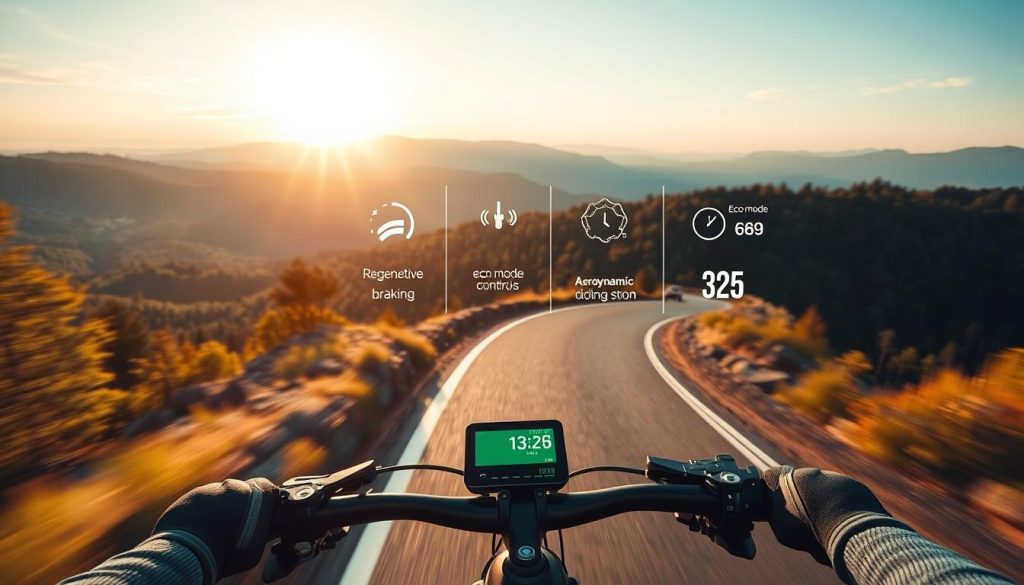
Terrain-Tailored Tactics for Maximum Efficiency
Urban commuters save power by timing traffic lights. Coast toward green signals instead of braking. Use pedal assist level 1 on flats, then briefly boost to level 3 for steep bridges. This approach cut energy use by 18% in New York City tests.
Mountain riders conquer trails differently. Shift gears before climbs to maintain steady cadence. Lower assist levels on descents let gravity work while regenerating power on models with torque sensors. Arizona trail riders report 12% longer rides using this method.
| Environment | Strategy | Range Gain |
|---|---|---|
| Headwinds | Tuck elbows, lower posture | +7% |
| Rain | Inflate tires to max PSI | +5% |
| Cold | Keep battery insulated | +9% |
Pro tour riders like Lael Wilcox recommend these steps:
- Charge to 90% before departure
- Use eco mode for first 30% of ride
- Check tire pressure every 3 rides
Remember: Smooth acceleration preserves more energy than sudden bursts. Pair these tricks with monthly chain lubrication, and watch your distance numbers climb. Your battery’s capacity will thank you through years of extended adventures!
Exploring Accessories and Technological Enhancements
Upgrade your ride with clever gadgets that push boundaries while keeping style intact. Modern add-ons blend seamlessly with your bike’s design while delivering practical boosts to performance.
Spare batteries act as portable power banks. Swapping a depleted pack for a fresh one takes seconds, instantly doubling your adventure time. Solar chargers offer trailside top-ups—Anker’s 40W model adds 10-15 miles daily in sunny conditions.
Smart tech optimizes energy flow. Bosch’s Range Boost app calculates efficient routes based on remaining charge. Tire pressure monitors like Garmin’s Varia RCT715 alert you to leaks that drain efficiency. Torque sensors adjust motor output to match your pedal pressure, saving 12-18% energy on climbs.
| Accessory | Range Boost | Cost |
|---|---|---|
| Dual Battery Kit | +40-60 miles | $400-$800 |
| Portable Solar Panel | +5-20 miles/day | $150-$300 |
| Aero Fenders | +3-5 miles | $60-$120 |
Popular add-ons balance form and function:
- Frame bags with built-in USB ports for device charging
- LED lights with motion sensors for automatic activation
- GPS trackers that sync with your phone’s battery alerts
Integration tips: Choose accessories matching your bike’s color scheme. Mount solar panels on rear racks instead of handlebars for cleaner lines. Test new gear on short rides before committing to epic journeys.
These enhancements prove that boosting your bike’s capabilities doesn’t require sacrificing aesthetics. With the right mix, you’ll ride farther while turning heads on every road.
Riding Forward: Gear Up for Uninterrupted E-Bike Adventures
Your next adventure begins with the right blend of preparation and pedal power. Terrain, rider weight, and assist levels shape every journey, but smart choices turn limitations into opportunities. Regular maintenance, like checking tire pressure and cleaning battery contacts, keeps your ride reliable mile after mile.
Choosing the right model matters. Match motor strength to your local hills and battery capacity to your typical routes. Urban explorers might prioritize compact designs, while trail riders need robust systems. Accessories like portable chargers or solar panels add flexibility for those extra-long days.
Remember: smooth acceleration and strategic gear shifts preserve energy. Keep batteries charged between 20-80% for longevity, and store them in moderate temperatures. With these habits, your two-wheeled companion becomes a gateway to uncharted roads.
Now’s the time to gear up. Plan your route, adjust your assist level, and let curiosity lead the way. Every mile becomes a victory when you ride smart—so charge up, hit the road, and discover what’s beyond the horizon.