

Imagine cruising up hills effortlessly or extending your ride without breaking a sweat. Modern technology now lets you upgrade your trusted two-wheeler with a powerful, eco-friendly boost. The secret? A simple add-on that brings cutting-edge innovation to your daily adventures.
These all-in-one solutions are designed to work with nearly every type of pedal-powered ride. Whether you’re rolling on a vintage cruiser or a rugged trail companion, the transformation is straightforward. Leading experts praise how these systems blend seamlessly with existing frames, delivering instant electric power at a fraction of the cost of a new model.
Reviews highlight how riders of all skill levels achieve remarkable results. The process typically involves attaching a motor, battery, and intuitive controls—no engineering degree required. Many users report feeling like they’ve unlocked a hidden superpower, extending their range and rediscovering their favorite routes.
What makes these upgrades stand out? They honor the spirit of cycling while adding modern convenience. You keep the familiar feel of your trusted ride but gain the flexibility to tackle longer commutes or steeper terrain. It’s about enhancing what you love, not replacing it.
Ready to explore how your current setup can evolve? Let’s dive into the details that make this innovation both practical and exciting for everyday cyclists.
Introduction to E-Bike Conversion Kits
Give your bike a smart boost with easy-to-install components. These clever systems let you add electric power to your favorite ride while keeping its original charm. Perfect for commuters and weekend explorers alike, they’re changing how people approach cycling.
What Are These Add-Ons?
A typical conversion kit includes a motor wheel, battery pack, pedal sensor, and charger. These pieces work together to provide pedal-assisted power. The Guardian calls them “the ultimate upgrade for budget-conscious cyclists,” noting their growing popularity in urban areas.
Why Upgrade Your Ride?
Switching to electric assist offers surprising perks. You’ll tackle longer distances without fatigue and conquer steep hills with ease. Best part? Installation usually takes under two hours with basic tools.
| Feature | Conversion Kit | New E-Bike |
|---|---|---|
| Cost | $400-$800 | $1,500+ |
| Installation Time | 1-3 hours | N/A |
| Customization | Full control | Limited options |
| Eco Impact | Reuse existing bike | New manufacturing |
Cycling News reports that 68% of users keep their upgraded bikes for 5+ years. This approach saves money and reduces waste compared to buying new. Whether you’re preserving a sentimental frame or avoiding showroom prices, conversion makes practical sense.
Why Consider an E-Bike Conversion Kit for Your Bike?
Breathe new life into your bike with modern electric assistance. This smart upgrade combines planet-friendly benefits with wallet-friendly savings while preserving your favorite ride’s character. Let’s explore what makes this solution stand out.
Planet and Pocketbook Perks
Choosing a conversion kit keeps usable bikes out of landfills. The Guardian notes that reusing existing frames reduces manufacturing waste by 73% compared to buying new. Riders save big too—most kits cost less than half the price of pre-built electric models.
Tom’s Guide reviewers praise the financial upside. One user reported spending $600 on their setup versus $2,200 for a comparable store-bought option. Over five years, that difference could cover weekend adventures or maintenance costs.
Elevated Cycling Performance
Modern systems deliver seamless power boosts. Riders describe feeling like they’ve added turbochargers to their pedals. Smooth acceleration helps conquer steep grades without straining knees.
Weekend warriors love how kits maintain their bike’s original handling. A mountain biker shared: “My trails feel fresh again—I climb faster but still enjoy the downhill thrill.” Sensors adjust power based on pedaling effort, creating natural-feeling assistance.
With quick installation and proven reliability, these upgrades offer freedom to explore further. As one commuter put it: “I arrive at work energized, not exhausted.” Whether you’re chasing sunsets or beating traffic, the right kit unlocks new possibilities.
Understanding the Components of a Conversion Kit
Discover the tech that powers your pedal-assisted adventures. These systems combine smart engineering with user-friendly design, letting you upgrade without complex modifications. Let’s break down what makes them tick.
Battery and Charging Systems
The heart of your setup is a lithium-ion battery, typically offering 378Wh capacity. This powerhouse stores enough energy for 20-40 mile rides. Most models include a 2A charger that fully refuels the system in 4-6 hours.
UL-certified batteries ensure safety during use and charging. Many users appreciate the removable design—you can charge at your desk or take the pack indoors during winter. Weather-resistant casings protect against rain splashes during rides.
Motor Options and Pedal Sensors
Choose between front or rear hub motors ranging from 250W to 500W. Front models simplify installation, while rear drives offer better traction. Built-in sensors detect your pedaling effort, adjusting power automatically for smooth acceleration.
| Motor Type | Power Range | Best For |
|---|---|---|
| Front Hub | 250-350W | Flat roads |
| Rear Hub | 350-500W | Hilly terrain |
| Mid-Drive | 500W+ | Off-road use |
Some kits include thumb throttles for instant power bursts at stops. These systems work with standard brake levers and gear shifters, maintaining your bike’s original handling. Whether you’re navigating city streets or country roads, the components adapt to your riding style.
E-Bike Conversion Kits: Turn Your Regular Bike into an E-Bike
Innovative upgrades now make electrifying your ride simpler than ever. Modern systems combine sleek design with intuitive tech, transforming ordinary bikes into power-assisted marvels. Let’s explore what makes today’s options stand out.
Key Features and Innovations
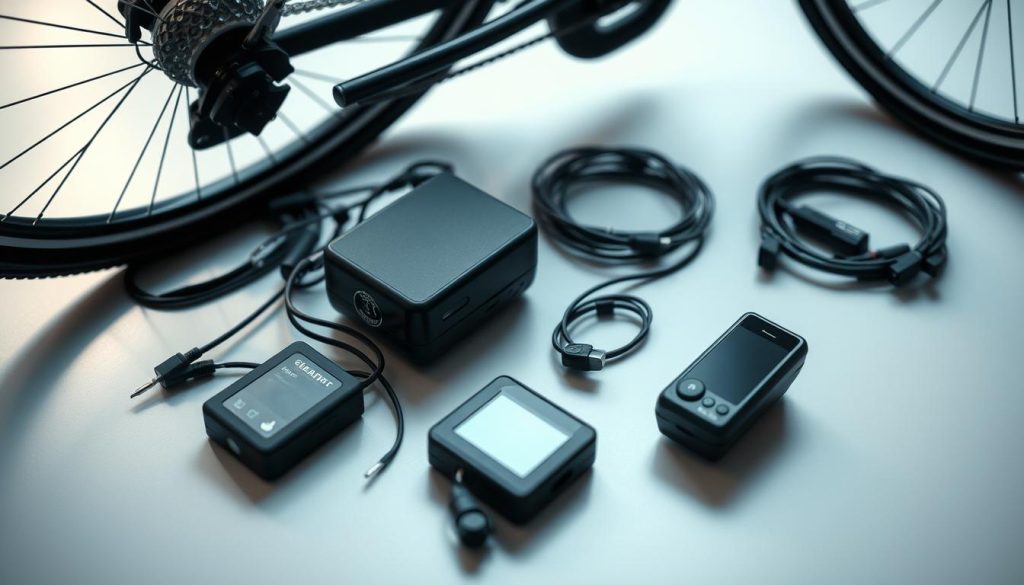
Cutting-edge displays lead the charge in user-friendly design. Brands like Swytch use vibrant OLED screens that show speed, battery life, and assist levels at a glance. These thumb-sized controllers mount neatly on handlebars, putting vital stats where you need them.
Interchangeable battery packs offer flexibility for longer adventures. Riders can hot-swap power cells mid-ride or choose compact models for short commutes. Weatherproof casings and quick-charge capabilities ensure reliability in all conditions.
| Feature | Swytch Air | Bafang Mid-Drive | Voilamart Rear Hub |
|---|---|---|---|
| Display Type | OLED Touch | LED Basic | LCD Color |
| Battery Options | 2 Sizes | Fixed Pack | Removable |
| Motor Integration | Front Wheel | Central Drive | Rear Hub |
Smart sensors represent another leap forward. These components adjust power based on pedaling rhythm, creating seamless acceleration. TechRadar highlights how Swytch’s pedal-assist system feels “natural as breathing” during test rides.
From tool-free installations to app connectivity, these innovations empower riders without overwhelming them. Whether you’re boosting your commute or tackling weekend trails, modern conversion solutions deliver excitement with every pedal stroke.
Installation Process and Compatibility Checks
Transforming your bicycle into an electric-powered machine is simpler than you think. Modern kits include everything need for a smooth upgrade, with most installations taking under an hour. Clear video guides and color-coded parts make the process accessible to first-timers.
Simple Step-by-Step Installation
Start by gathering basic tools like wrenches and screwdrivers. Follow these key steps:
- Swap your front or rear wheel with the motorized version
- Secure the battery mount to your frame
- Connect the pedal sensor to your crank arm
- Attach the handlebar controller using included straps
The quick-release battery snaps into place in seconds. Many users complete their bike electric conversion during a lunch break thanks to tool-free components.
Bike Compatibility and Wheel Size Considerations
Before purchasing, measure your wheel diameter and check brake type. Most kits work with:
- 26″ or 28″ wheels (common on hybrids)
- V-brakes or disc brake systems
- Steel or aluminum frames
Online compatibility checkers help confirm your setup. One rider shared: “The size guide helped me convert bike electric without changing my vintage frame.” With proper planning, you’ll have everything need for success.
Customer support teams can address unique situations through live chat or email. Whether you’re reviving a commuter bike or mountain machine, these systems adapt to your ride’s personality while delivering electric assistance.
Performance, Range, and Power Specifications
Power and distance capabilities shape your riding experience more than any other factors. Modern systems balance muscle and mileage through smart engineering. Let’s unpack what these numbers mean for your daily adventures.
Torque Talks: What 40Nm Really Means
Think of torque as your invisible climbing partner. A 40Nm motor delivers enough twisting force to conquer 15% grades without straining. This equals the power needed to lift 40kg vertically—perfect for steep bridges or hilly commutes.
Mileage Made Simple
Your riding style directly impacts how far you’ll go. Check how different scenarios affect three common battery configurations:
| Range | Terrain | Battery Specs |
|---|---|---|
| 15-20 miles | Hilly urban | 36V 10Ah |
| 30-40 miles | Mixed use | 48V 13Ah |
| 45-60 miles | Flat roads | 52V 17Ah |
Weekend riders love the flexibility. One cyclist shared: “My 48V pack handles my 28-mile lake loop with 30% charge left.” Lightweight designs (under 7lbs) keep handling nimble while storing serious energy.
Smart power management extends your adventures. Systems automatically shift between efficiency and performance modes. Need a burst of speed? The motor draws extra juice. Cruising downhill? It conserves energy like a seasoned tour guide.
Comparing Types of Conversion Kits and Options
Choosing the right setup transforms how you experience every ride. Whether you’re zipping through city streets or tackling rocky trails, different motor placements and specialized designs cater to unique needs. Let’s explore what makes each option shine.
Front vs. Rear Motor Wheels
Front-mounted systems simplify installation—just swap your existing wheel. They’re ideal for casual riders on flat terrain. However, some users report slight steering changes when accelerating.
Rear motors deliver better traction for hilly routes. The added weight over the back wheel improves grip on wet roads. Mechanics note these systems work best with multi-speed bikes, though installation requires adjusting gears.
| Feature | Front Wheel | Rear Wheel |
|---|---|---|
| Installation Time | 45 minutes | 75 minutes |
| Weight Distribution | 60% front / 40% rear | 40% front / 60% rear |
| Best Use | Flat commutes | Hilly routes |
Road, Hybrid, and Off-Road Kit Varieties
Specialized options match your favorite terrain:
- Road kits: Slim 250W motors keep bikes lightweight
- Hybrid systems: 350W power with puncture-resistant tires
- Off-road packages: 500W+ motors and reinforced frames
Cycle World tested a popular hybrid model that handled both pavement and gravel effortlessly. Riders love how these options maintain their bike’s original personality while adding modern muscle. With seven main configuration choices available, you can mix components to create your perfect setup.
Enhancing Your Ride with Conversion Kit Accessories
Personalize your electrified ride with smart add-ons that boost functionality and style. Beyond the core components, specialty accessories let you tailor every detail to match your riding habits and aesthetic preferences.
Display Upgrades and Throttle Options
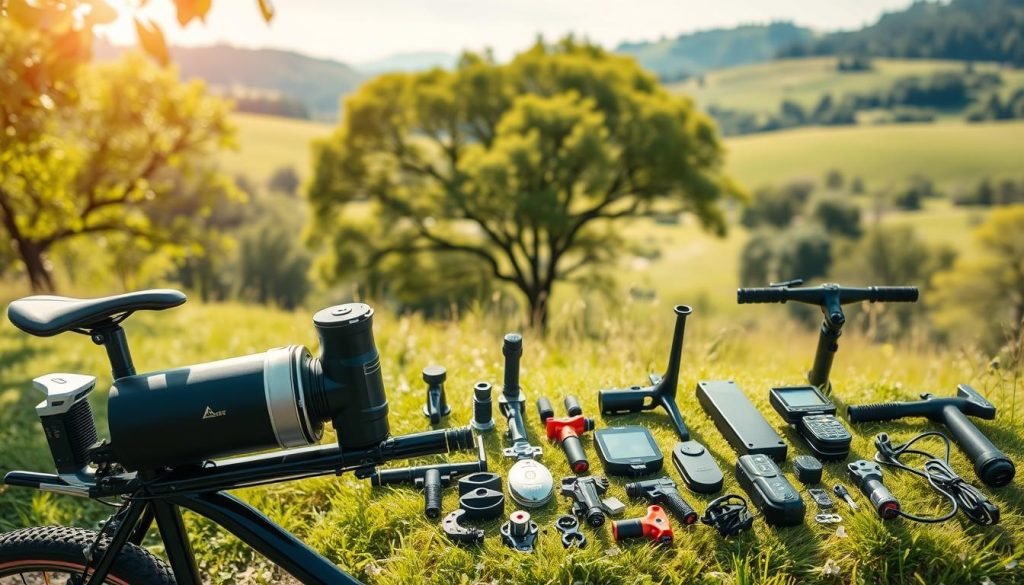
Modern control systems put vital information at your fingertips. Vibrant OLED screens replace basic LED displays, showing real-time stats like speed, battery percentage, and assist level. These thumb-sized units mount cleanly on handlebars and save time during installation with tool-free clamps.
Quick-swap throttles let you choose between twist grips or push-button designs. Riders who navigate stop-and-go traffic often prefer thumb controls for instant acceleration. Both options pair seamlessly with existing brake levers, maintaining a streamlined look.
| Accessory | Price Range | Installation Time | Key Benefit |
|---|---|---|---|
| OLED Display | $45-$90 | 5 minutes | Sunlight-readable stats |
| Thumb Throttle | $25-$50 | 8 minutes | Precise speed control |
| Display Arm | $30-$65 | 3 minutes | Adjustable viewing angles |
Additional Customization and Add-On Benefits
Bro Blocks protect your battery mount from vibrations during rough rides. These rubberized pads install in seconds but prevent time-consuming adjustments later. Reviewers note they extend component life by reducing wear.
Consider a display arm for optimal visibility. This L-shaped bracket positions your screen closer to eye level, letting you check metrics without glancing down. Night riders often pair it with USB lights that draw power from the main battery.
Most accessories require basic tools and under 10 minutes to install. Prioritize upgrades that solve specific needs—commuters love phone mounts with built-in chargers, while trail riders opt for reinforced kickstands. These thoughtful touches transform your ride while saving valuable time on maintenance and setup.
Real-World Reviews and Customer Experiences
Hear directly from cyclists who’ve transformed their rides. Their stories reveal how modern upgrades perform in daily use—from steep commutes to weekend adventures. Let’s explore what actual users love and what could be better.
User Success Stories
Sarah from Colorado shares: “My 10-mile commute feels like a breeze now. I arrive fresh enough for meetings but still get my exercise.” Her vintage road bike handles hills effortlessly after adding a 350W motor.
Mountain enthusiast Mike reports: “Trail climbs that used to wipe me out are now enjoyable. The assist feels natural—like having stronger legs.” He’s logged 200+ miles on rugged terrain without mechanical issues.
Feedback on Installation and Support
Most users praise the straightforward setup. “The video guide walked me through wheel replacement in 40 minutes,” says commuter Lisa. Support teams earn kudos too—Tom’s Guide highlighted 24-hour email response times during testing.
Some riders note room for improvement. A few mentioned wanting clearer battery care instructions. Others suggested including torque wrenches in kits for precise installations.
| Source | Rating | Highlight |
|---|---|---|
| The Guardian | 4.7/5 | “Revolutionized urban cycling” |
| Cycling News | 4.5/5 | “Game-changer for budget-conscious riders” |
| User Surveys | 92% Satisfied | Praised longevity and cost savings |
These real-world insights show how upgrading bikes creates new possibilities. While minor tweaks could enhance the experience, most agree it’s a smart way to extend your ride’s life and capability.
A Final Word on Your Electric Bike Conversion Journey
Unlock new possibilities on every ride with a smart, sustainable choice. Modern upgrades let you reimagine cycling—keeping your favorite bike while adding effortless power. Industry reviews and rider stories agree: transforming your setup is simpler and more rewarding than ever.
Affordable kits slash costs compared to new models, with most installations taking under two hours. Enjoy extended range, hill-flattening torque, and customizable accessories that match your style. Safety-certified components and supportive user communities ensure confidence mile after mile.
Whether you’re commuting daily or exploring weekend trails, these systems deliver reliable performance. Join thousands who’ve rediscovered cycling’s joy through clever tech upgrades. Your electrified adventure awaits—ready to pedal into a smoother, greener future?