
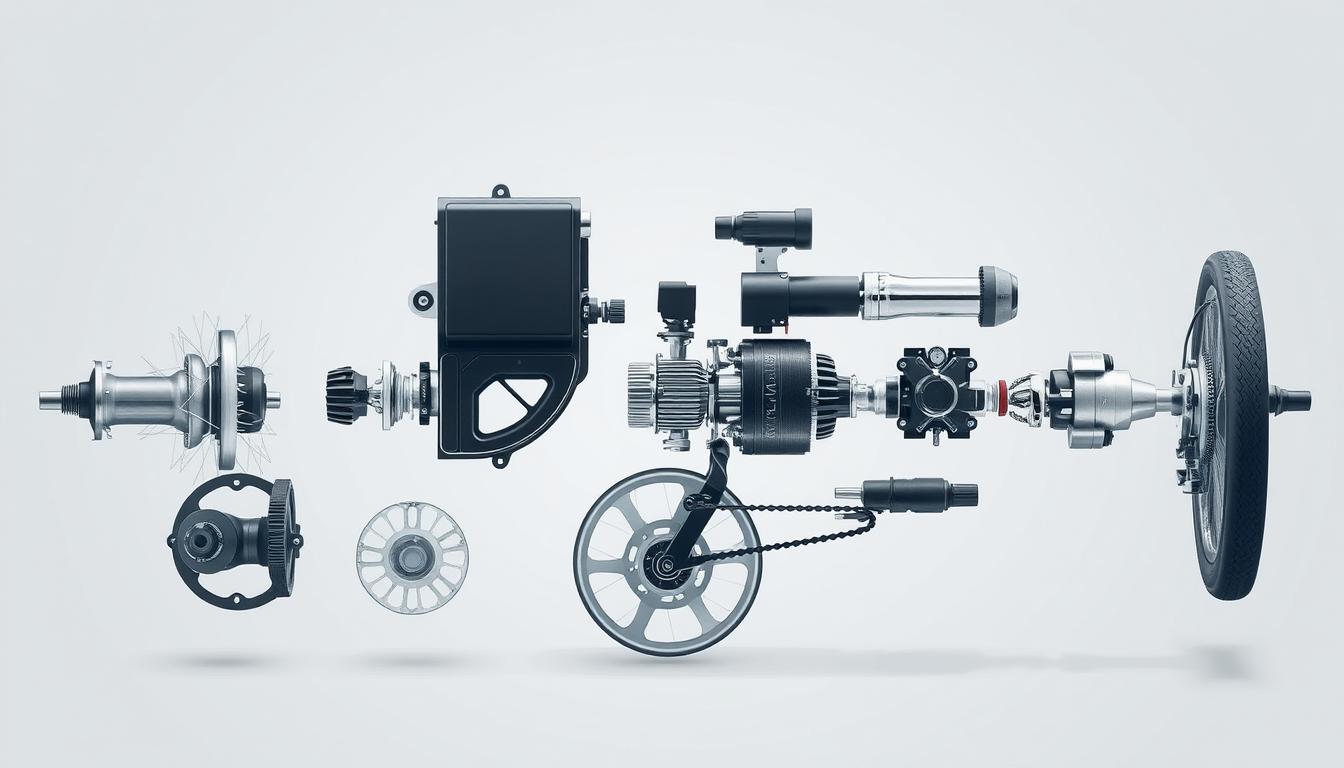
Ever wondered what makes an electric bicycle glide up hills or cruise effortlessly for miles? The answer lies in its powerhouse: the component that transforms pedaling into pure momentum. This guide dives into how these systems shape your ride, whether you’re commuting, exploring trails, or enjoying weekend adventures.
Unlike traditional bicycles, modern electric models rely on advanced engineering to deliver pedal assistance and throttle support. This technology ensures smoother rides, reduces fatigue, and adapts to challenging terrain. From steep inclines to long-distance paths, the right setup can make all the difference.
We’ll explore popular designs like mid-drive and hub-based systems, each with unique strengths. Mid-drive units excel in balance and hill-climbing, while hub motors prioritize simplicity and affordability. By contrast, direct-drive hubs offer quiet operation but may lack low-speed torque.
Performance factors like energy efficiency, torque output, and weight distribution will also be covered. Understanding these details helps riders match their needs—whether prioritizing speed, range, or versatility. Let’s unlock the secrets behind these innovations and find your perfect match!
The Role of Electric Bike Motors in Modern Cycling
What if your bike could read your effort and respond with perfect support? Today’s cycling innovations make this possible through seamless integration of advanced propulsion systems. These components work quietly behind the scenes, enhancing comfort and expanding how far you can explore.
Early assist systems were clunky, but modern designs sync effortlessly with batteries and controllers. Sensors measure pedal pressure 1,000 times per second, adjusting power delivery for smooth acceleration. This teamwork ensures consistent energy flow, whether climbing steep trails or cruising urban streets.
Improved engineering balances performance with familiar handling. Riders enjoy extended range without sacrificing agility—even at higher speeds. Check how key elements compare:
| Component | Traditional Role | Modern Enhancement |
|---|---|---|
| Power Source | Human energy only | Battery-assisted pedaling |
| Control Mechanism | Manual shifting | Smart controller adjustments |
| Energy Efficiency | Limited by stamina | Optimized range via sensors |
| Ride Stability | Depended on frame design | Low-center weight distribution |
Strategic placement of propulsion units keeps bikes stable during sharp turns. This design shift lets riders tackle longer routes while reducing arm fatigue. The result? A ride that feels natural but packs hidden power for when you need it most.
Beyond raw speed, these systems prioritize smart energy use. They adjust output based on terrain, preserving battery life during relaxed rides and delivering bursts for challenging hills. It’s like having a thoughtful co-pilot who knows exactly when to step in.
How E-Bike Motors Work with Integrated Systems
Imagine your bicycle responding to every pedal stroke with just the right boost. This harmony happens through seamless teamwork between smart parts. Let’s unpack how these pieces collaborate to create that effortless glide.
Power Flow from Battery to Wheels
When you start pedaling, sensors detect your motion. These tiny detectors send signals to the controller, which acts like a traffic cop for energy. The controller pulls power from the battery and sends it to the propulsion unit.
Here’s how key parts collaborate:
| Component | Role | Impact |
|---|---|---|
| Battery | Stores energy | Determines range |
| SensorsTrack pedaling speed/forceAdjust power output | ||
| Controller | Manages electricity flow | Balances efficiency |
| Drivetrain | Transfers power to wheels | Ensures smooth rides |
Pedal Power vs. Throttle Control
Two modes change how you receive help. Pedal-assist blends your effort with automatic support. Push the pedals, and the system adds power proportionally. It feels like riding with tailwinds on demand.
Throttle mode works like a motorcycle grip. Twist it, and you get instant acceleration without pedaling. This option helps conquer steep hills or start moving from stops. Both methods use the same parts but create different riding experiences.
The chain and gears work with the propulsion unit to maintain natural bike handling. Smart systems prevent jerky movements, making transitions between human and electric power nearly invisible.
Exploring e-bike motor types: Mid-Drive, Direct-Drive Hub, and Geared Hub
Picture three distinct approaches to transforming pedal power into effortless motion. Mid-drive, direct-drive hub, and geared hub systems each deliver unique advantages based on their design. Let’s break down how their mechanics shape performance.
Key Differences Between Motor Variants
Mid-drive units sit at the bike’s center, using the chain to transfer power. This position improves balance and leverages gears for hill-climbing efficiency. Hub-based designs, however, integrate into wheels:
- Direct-drive hubs: Simple construction with fewer moving parts but require more energy on slopes
- Geared hubs: Compact internal gears boost torque for quicker starts
| Feature | Mid-Drive | Direct-Drive Hub | Geared Hub |
|---|---|---|---|
| Torque Output | High | Low | Medium |
| Maintenance | Moderate | Low | Higher |
| Best For | Steep trails | Flat roads | Mixed terrain |
Where Each Type Shines for Different Riding Needs
Mid-drive systems excel on mountain paths where precise control matters. Their central weight distribution keeps bikes stable during sharp climbs. Geared hubs strike a balance for commuters needing responsive acceleration without complex upkeep.
Direct-drive hubs suit casual riders prioritizing quiet operation on paved routes. However, they struggle with sustained uphill efforts. Consider repair costs too—geared models may need more attention over time compared to sealed hub units.
Deep Dive into Mid-Drive Motors
Mid-drive systems have become the go-to choice for riders tackling challenging terrain. Positioned at the bike’s core, these units leverage the crankset to deliver power where it’s most effective. This central placement transforms how energy transfers to the wheels, especially on steep inclines.

How Mid-Drive Motors Generate Torque
At the heart of the system lies a spinning shaft connected to the chainring. As the shaft rotates, it drives the chain forward, multiplying force through the bike’s gears. This setup allows riders to conquer hills by optimizing rotational force based on gear selection.
Advantages and Limitations of Mid-Drive Systems
Central positioning improves weight distribution, making bikes feel more stable during sharp turns or climbs. The design also uses existing gears to maximize efficiency, reducing strain on the battery. However, constant interaction with the chain and gears accelerates wear on drivetrain components.
| Feature | Mid-Drive | Hub-Based Units |
|---|---|---|
| Torque Output | High | Moderate/Low |
| Terrain Adaptability | Steep hills | Flat surfaces |
| Maintenance Frequency | Higher | Lower |
While mid-drive units excel in responsiveness, they often require more frequent chain replacements compared to hub systems. For riders prioritizing climbing power over maintenance simplicity, this trade-off proves worthwhile.
Insights into Hub Motors and Their Variations
Ever notice how some electric bikes feel like they’re powered by magic? Much of that smoothness comes from their propulsion systems being tucked neatly into the wheel hub. These self-contained units deliver power directly to the wheel, creating a streamlined design that’s easy to maintain.
Understanding Direct-Drive Hub Motors
Direct-drive models use a simple design with no internal gears. The outer casing spins around a stationary core, creating motion through electromagnetic force. This setup means fewer parts to wear out and near-silent operation—perfect for quiet neighborhood rides.
Exploring the Benefits of Geared Hub Motors
Geared versions pack planetary gears inside their compact bodies. These tiny gears multiply torque, giving you punchy acceleration from stoplights. Though slightly noisier, they excel on hilly routes without adding bulk.
| Feature | Direct-Drive | Geared Hub |
|---|---|---|
| Noise Level | Whisper-quiet | Subtle hum |
| Hill Performance | Struggles on slopes | Confident climbs |
| Weight | Heavier | Lightweight |
| Maintenance | Almost none | Occasional gear checks |
Rear-wheel placement affects handling—hub systems add weight to the back, which can feel stable at speed but slightly sluggish in tight turns. Many commuters prefer this setup for its predictable behavior on paved paths.
Choosing between these options? Direct-drive shines for low-maintenance cruising, while geared hubs reward riders tackling mixed terrain. Both keep your chain clean and simplify your ride experience compared to more complex systems.
Performance Considerations: Power, Torque, and Efficiency
Have you ever felt your ride surge forward like it’s reading your mind? That’s the magic of balanced engineering working behind the scenes. Let’s explore how key factors shape acceleration, hill performance, and battery longevity.
Balancing Strength and Responsiveness
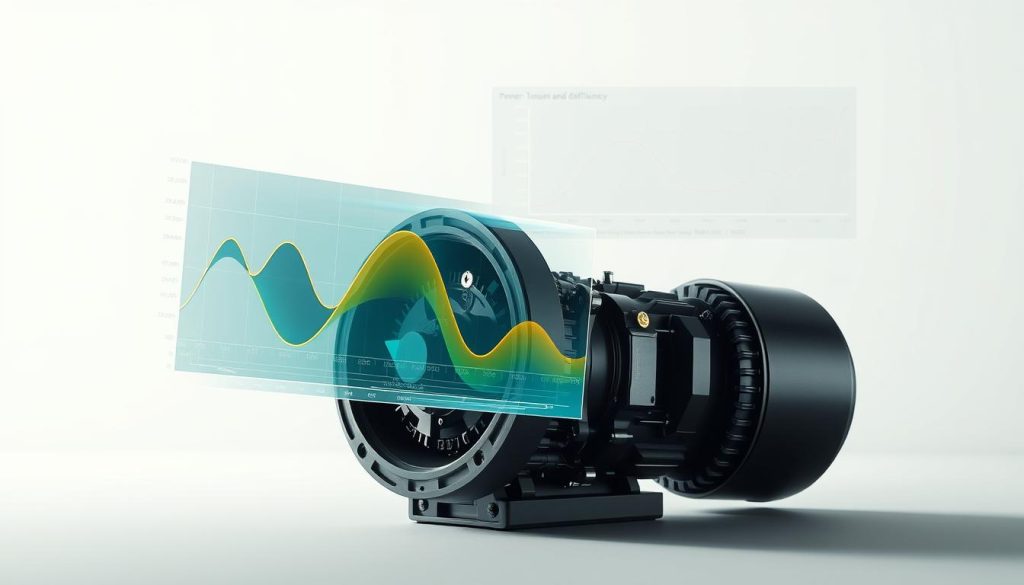
Power determines your top speed, while torque delivers the muscle for quick starts and steep climbs. Think of power as the engine’s maximum output and torque as its twisting force. Systems with higher torque (measured in Newton-meters) excel on hills but may drain batteries faster during aggressive rides.
| Metric | Continuous Power | Peak Power |
|---|---|---|
| Definition | Sustained output | Short bursts |
| Use Case | Long commutes | Steep inclines |
| Battery Impact | Moderate | High |
Riders tackling mixed terrain need both metrics. A 500W system might handle daily commutes smoothly, but its peak 750W mode becomes essential for sudden elevation changes.
Smart Habits for Extended Adventures
Maximizing range starts with understanding energy flow. Gentle acceleration preserves battery life better than frequent stops and starts. Here’s how to optimize:
- Maintain 12-15 mph on flat roads for optimal efficiency
- Use lower assist levels when possible
- Store batteries at 40-80% charge for longevity
Proper tire pressure matters too—underinflated tires can reduce range by up to 20%. Pair these habits with regular system checks, and you’ll unlock more miles from every charge.
The Vital Role of Controllers and Cooling Systems
Ever thought about the hidden heroes keeping your ride smooth and powerful? Behind every seamless acceleration and steady climb lies a smart partnership between electronic brains and temperature management. These components ensure your bike delivers power precisely when needed while staying cool under pressure.
How Controllers Optimize Performance
The controller acts as the bike’s command center. It adjusts energy flow from the battery to match your pedaling rhythm. Sensors feed real-time data to this unit, which then decides how much power to send. This prevents strain on parts and extends their lifespan.
| Controller Feature | Function | Rider Benefit |
|---|---|---|
| Throttle Management | Regulates instant power delivery | Smoother starts |
| Gear Sync | Aligns output with pedal speed | Natural feel |
| Overload Protection | Limits extreme power spikes | Prevents system damage |
Effective Cooling Strategies
Heat is the enemy of electronics. Without proper cooling, components can overheat, reducing efficiency over time. Three methods keep things chill:
- Airflow designs: Fins and vents channel breeze across hot spots
- Heat sinks: Metal plates pull warmth away from critical parts
- Liquid systems: Coolant loops for high-performance models
Regular firmware updates help controllers adapt to new conditions. Pairing smart software with physical cooling creates bikes that last longer and perform better. Simple habits like avoiding full-throttle climbs on hot days also protect your gear.
Practical Guidelines for Choosing the Right Motor
Choosing the perfect propulsion system starts with understanding your daily journey. Let’s explore how to match your priorities with features that deliver comfort and reliability.

Assessing Your Riding Terrain and Usage
Start by mapping your common routes. Urban commuters benefit from lightweight hub systems that handle stop-and-go traffic smoothly. For hilly areas, prioritize units with high torque output and gear compatibility.
| Environment | Motor Priority | Example Features |
|---|---|---|
| City streets | Quick acceleration | Geared hub, 40Nm torque |
| Mountain trails | Hill-climbing power | Mid-drive, 80Nm torque |
| Mixed terrain | Balanced performance | 500W geared hub |
Budget, Maintenance, and Long-Term Needs
Consider both upfront costs and future upkeep. Hub-based systems often cost less initially but may require battery replacements sooner. Mid-drive units demand more chain maintenance but excel in durability on rough paths.
Ask yourself:
- How often will I ride in rainy or dusty conditions?
- Does my preferred model allow easy access to the controller?
- Can local shops service this system if issues arise?
Pair your propulsion choice with a compatible battery and controller. A 48V battery works best with 750W+ systems for sustained climbs. Remember—proper weight distribution between front and rear wheels improves handling on uneven surfaces.
Comparing the Pros and Cons of Various E-Bike Motors
Struggling to decide which propulsion system fits your daily commute or weekend adventures? Let’s break down how mid-drive and hub designs stack up in real-world scenarios. Each has distinct strengths that cater to different priorities—whether you value raw power or hassle-free upkeep.
Evaluating Mid-Drive vs. Hub Motor Benefits
Mid-drive units shine where terrain gets tricky. Their central placement improves weight distribution, making steep climbs feel manageable. However, they demand more drivetrain maintenance due to constant gear interaction. Hub systems, by contrast, keep things simple with self-contained designs that rarely need adjustments.
| Feature | Mid-Drive | Hub Motor |
|---|---|---|
| Torque Output | High (70-90Nm) | Moderate (40-60Nm) |
| Maintenance | Frequent chain replacements | Sealed, low upkeep |
| Terrain Suitability | Hills, trails | Flat roads, light slopes |
| Cost | Higher initial price | Budget-friendly |
Riders tackling mountains benefit from mid-drive torque and gear optimization. Hub models work better for casual use, offering plug-and-play reliability. Acceleration differs too—geared hubs provide zippy starts, while mid-drives excel in sustained climbs.
Real-World Trade-Offs for Everyday Riders
Your riding style dictates which pros outweigh the cons. Commuters often prefer hub systems for their silent operation and minimal upkeep. Weekend explorers might accept mid-drive maintenance for superior hill performance.
Consider these trade-offs:
- Hub motors drain batteries faster on inclines but last longer on flat routes
- Mid-drives stress chains but deliver natural pedal feel
- Peak power modes vary—hub units hit top speeds quicker, while mid-drives maintain efficiency
Urban riders rarely need extreme torque, making hub designs a practical choice. For mixed terrain, mid-drives offer adaptability despite higher costs. Balance your needs against long-term expenses to find the perfect match.
Maintenance and Troubleshooting for Optimal Motor Care
What’s the secret to keeping your ride running smoothly year after year? Consistent care and quick problem-solving can prevent most issues before they derail your adventures. Let’s explore practical strategies to maintain peak performance.
Keep Components Humming with Routine Care
Start with a monthly checkup. Wipe down the propulsion unit with a dry cloth to remove dirt buildup. Inspect wiring connections for corrosion or loose plugs—tighten any that feel shaky.
Lubricate the chain every 100 miles using bike-specific oil. Wipe excess grease to avoid attracting debris. Check tire pressure weekly; soft tires strain the system and drain batteries faster.
Spot Trouble Early: Common Warning Signs
Unusual grinding noises often signal debris in moving parts. Sudden power drops? Test battery charge levels first. If fully charged, inspect controller connections for dust or moisture.
| Issue | DIY Fix | When to Call a Pro |
|---|---|---|
| Overheating | Cool down, clean vents | Persistent heat after cleaning |
| Erratic acceleration | Check throttle alignment | Controller error codes |
| Chain slippage | Adjust tension | Worn gears |
Rear-wheel systems need extra attention to spokes and bearings. Tighten any loose spokes gently to maintain balance. For front-mounted units, ensure waterproof seals remain intact after rainy rides.
Most minor fixes take minutes but save hours of downtime. Book professional servicing annually for deep diagnostics. Remember—consistent care keeps your bicycle’s heart beating strong through countless miles.
Bringing It All Together for Your Next E-Bike Adventure
Your journey to finding the perfect ride companion starts here. Whether conquering steep trails or cruising city streets, the right propulsion system transforms every pedal stroke into effortless momentum. Central designs excel on rugged terrain, while hub-based options keep commutes smooth and simple.
Match your setup to daily needs. Prioritize torque for hilly routes or battery efficiency for long-distance rides. Consider how weight distribution affects handling—rear-wheel systems add stability, while balanced frames enhance control.
Regular care ensures lasting performance. Check chain tension monthly and keep the controller connections clean. Proper maintenance preserves range and speed over time, letting you focus on the road ahead.
Now’s the moment to choose confidently. With insights on power delivery, terrain adaptability, and smart design, you’re ready to unlock adventures that feel tailor-made. Grab the handlebars and let your next chapter begin!