
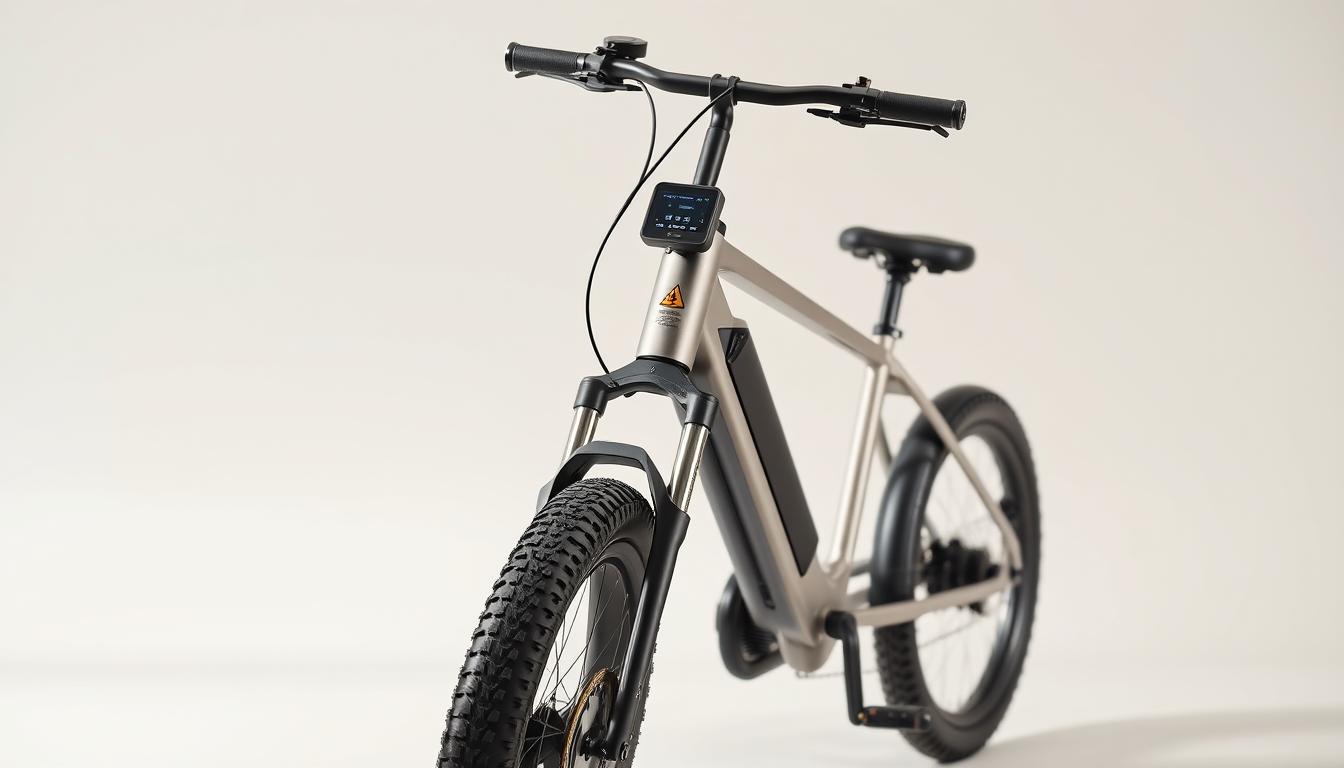
Welcome to the exciting world of electric bicycles! E-bikes for beginners are changing how we travel and play outside in the United States. They offer a green and fun way to see your area and get around.
If you’re new to electric bicycles, this guide is for you. We’ll cover the basics of e-bikes and help you pick the right one. You’ll learn about different types and what you need for your first e-bike.
Looking for a better way to commute, exercise, or just have fun riding? An e-bike might be perfect. Our guide will give you all the info you need to choose your first electric bike.
Ready to see why e-bikes are loved by people of all ages and fitness levels? We’ll dive into the tech, benefits, and things to think about. You’ll see why electric bicycles are a great choice for beginners.
Understanding Electric Bikes: A Beginner’s Guide
Electric bicycles have changed how we travel, mixing old-school cycling with new tech. As more people try e-bikes, knowing the basics is key for new riders.
E-bikes are a smart choice for city commuters, fun seekers, and those wanting to cut down on pollution. They use both human power and electric help, making for a special ride.
Types of Electric Bikes
There are many e-bikes for different needs:
- City Commuter E-Bikes: Great for city trips
- Mountain E-Bikes: Built for off-road fun
- Folding E-Bikes: Perfect for easy storage and moving
- Cargo E-Bikes: Ideal for carrying lots of stuff
How E-Bikes Work
E-bikes use a complex system. The electric motor boosts your pedaling power. You can pick how much help you want, controlling how much energy you use.
Key Components of an Electric Bicycle
Knowing about e-bike parts and accessories helps you choose wisely:
- Battery: The power source, easy to remove for charging
- Motor: In the wheel or mid-drive
- Controller: Controls the power
- Display: Shows speed, battery, and mode
Important e-bike accessories can make your ride better. Think about helmet lights, special locks, and comfy seats. Good gear means safer, more fun rides.
Best E-Bike Models for Beginners in 2024
Choosing the right e-bike can be tough with so many options. The e-bike market has grown a lot, offering models that make cycling fun for new riders.
In 2024, several e-bikes stand out for beginners:
- Rad Power RadMission 1 – Perfect e-bike for beginners with a straightforward design and affordable price point
- Aventon Pace 350 – Comfortable cruiser ideal for urban commuters learning to ride electric
- Lectric XP Lite – Compact folding e-bike great for storage and convenient transportation
When picking an e-bike, consider your budget, how you plan to use it, and comfort. Each model has special features for different riding styles and preferences.
| E-Bike Model | Price Range | Best For |
|---|---|---|
| Rad Power RadMission 1 | $999 – $1,199 | City commuting |
| Aventon Pace 350 | $1,199 – $1,399 | Leisure riding |
| Lectric XP Lite | $799 – $999 | Compact travel |
New riders should try out different e-bikes to find the best one. Each model gives a unique riding experience, helping beginners enjoy electric cycling.
Essential Features to Look for When Choosing Your First E-Bike
Choosing your first e-bike can be tough. It’s important to know the key features that affect your ride. Whether you’re commuting, trail riding, or looking for a fun way to stay fit, understanding what to look for is key.
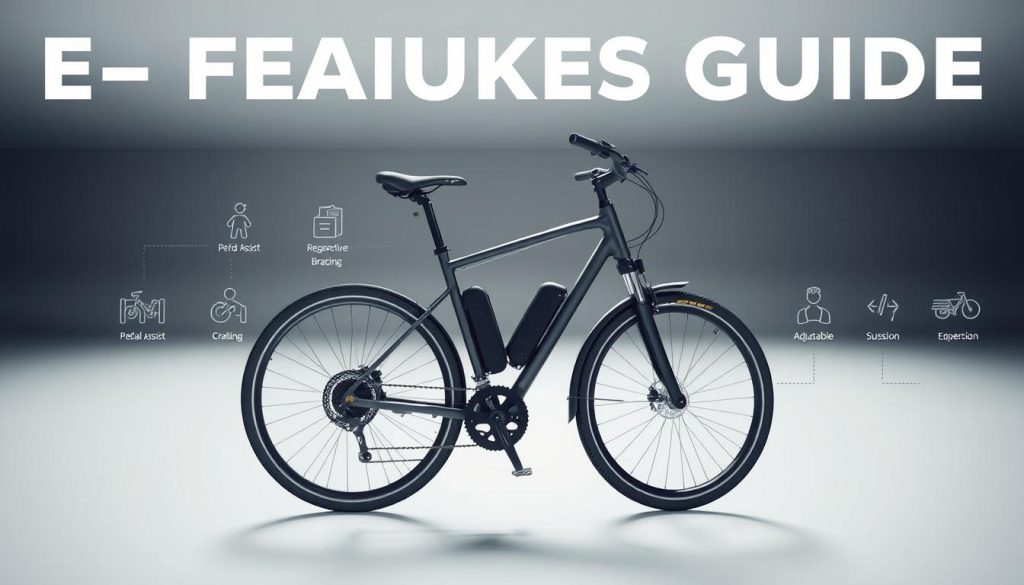
When you start exploring electric bicycles, several important parts need your attention. Battery performance and frame design are crucial for your comfort and fun.
Battery Range and Power Considerations
The battery is the heart of any e-bike. When picking the right e-bike, focus on the battery specs:
- Voltage range (36V to 48V)
- Capacity measured in watt-hours
- Expected riding distance per charge
- Charging time and battery lifespan
Motor Types and Performance
E-bike motors vary, each with its own benefits. Hub motors are often found in budget-friendly models. Mid-drive motors, however, offer better weight distribution and climbing ability.
Frame Materials and Design
The frame you choose affects your ride’s quality and versatility. Folding e-bikes are great for city riders with little storage. Here are some frame material options:
- Aluminum: Lightweight and affordable
- Carbon fiber: Ultra-light and responsive
- Steel: Durable and provides smooth ride quality
Folding e-bikes are perfect for commuters and travelers. They offer easy transport and compact storage without losing performance.
E-Bike Safety Tips and Riding Techniques

Riding an e-bike needs special safety tips because it’s different from regular bikes. You must know how electric bikes work. They are heavier and more powerful, so you need more skill and attention.
First, wear the right protective gear. This includes a helmet that fits well. You might also want:
- Reflective clothing
- Padded gloves
- Protective eyewear
- Bright, visible clothing
Learning to control your e-bike is key. Practice these important skills in a safe place before you ride on busy streets:
- Get used to controlling the electric motor’s power
- Practice smooth starts and stops
- Know how your e-bike’s weight is spread out
- Work on balancing your bike
When you’re riding in traffic, be extra careful. Stay visible, use your hand signals, and ride in a way that’s easy to predict. Watch out for road hazards, as they can be harder to handle with an e-bike’s speed and weight. Always keep a safe distance from the car in front of you and watch for things that might get in your way.
Weather can also affect your ride. Be careful on wet or slippery roads because you’ll need to slow down and stop faster. Before you go, check your tires, brakes, and battery to make sure everything is working right.
Understanding E-Bike Laws and Regulations in Your Area
Learning about e-bike laws can be tough for new riders. Each state has its own rules for riding electric bikes. It’s key to know these laws for safe and legal riding.
In the U.S., e-bikes are divided into three types based on speed and motor help:
- Class 1: Pedal-assist bikes with a motor that stops at 20 mph
- Class 2: Throttle-powered bikes with a maximum speed of 20 mph
- Class 3: Pedal-assist bikes that can reach up to 28 mph
State-Specific Guidelines
E-bike laws change a lot from state to state. Some states treat e-bikes like regular bikes, while others have stricter rules. Always check local laws before you ride.
| State | E-Bike Classification | Age Restrictions | Helmet Requirements |
|---|---|---|---|
| California | All 3 Classes Permitted | 16+ for Class 3 | Required for Class 3 |
| New York | Class 1 & 2 Allowed | 16+ for Class 2 | Under 18 Must Wear Helmet |
| Texas | All 3 Classes Permitted | No Specific Age Limit | Recommended |
Speed and Power Restrictions
Most states limit e-bike motors to 750 watts and set speed limits between 20-28 mph. These rules help keep riders safe and make sure e-bikes are not confused with motorcycles or mopeds.
Where You Can Legally Ride
Where you can ride your e-bike depends on local laws. Many places let e-bikes on bike lanes and paths, but some trails and areas have special rules.
- Urban bike lanes: Generally permitted
- State parks: Varies by location
- National parks: Often restricted
- Mountain bike trails: Check local rules
Always check local e-bike laws before you ride. This ensures a safe and legal ride.
Maintaining Your E-Bike: Basic Care and Battery Tips
Keeping your electric bike in good shape is key. A good e-bike maintenance guide includes regular cleaning and checks. After each ride, clean your bike to avoid damage from dirt and moisture.
Check the tire pressure and brakes. Also, tighten any loose parts to ensure safety.
Looking after your e-bike’s battery is important. Store it in a cool, dry spot. Keep it charged between 20% and 80% to extend its life. Avoid extreme temperatures and direct sunlight.
Don’t let the battery go completely dead. This can harm it. Most lithium-ion batteries work best when kept at a steady charge.
Regular care is more than just cleaning. Oil the chain every 100-150 miles or after riding in the rain. Check the brakes, electrical connections, and tires often. If you’re not sure about something, take it to a bike shop that specializes in electric bikes.
Proactive care can save you money and keep your bike reliable. Remember, each e-bike is different. Always follow the manufacturer’s care instructions for your model. With a bit of effort, your electric bike will run smoothly for many miles.