
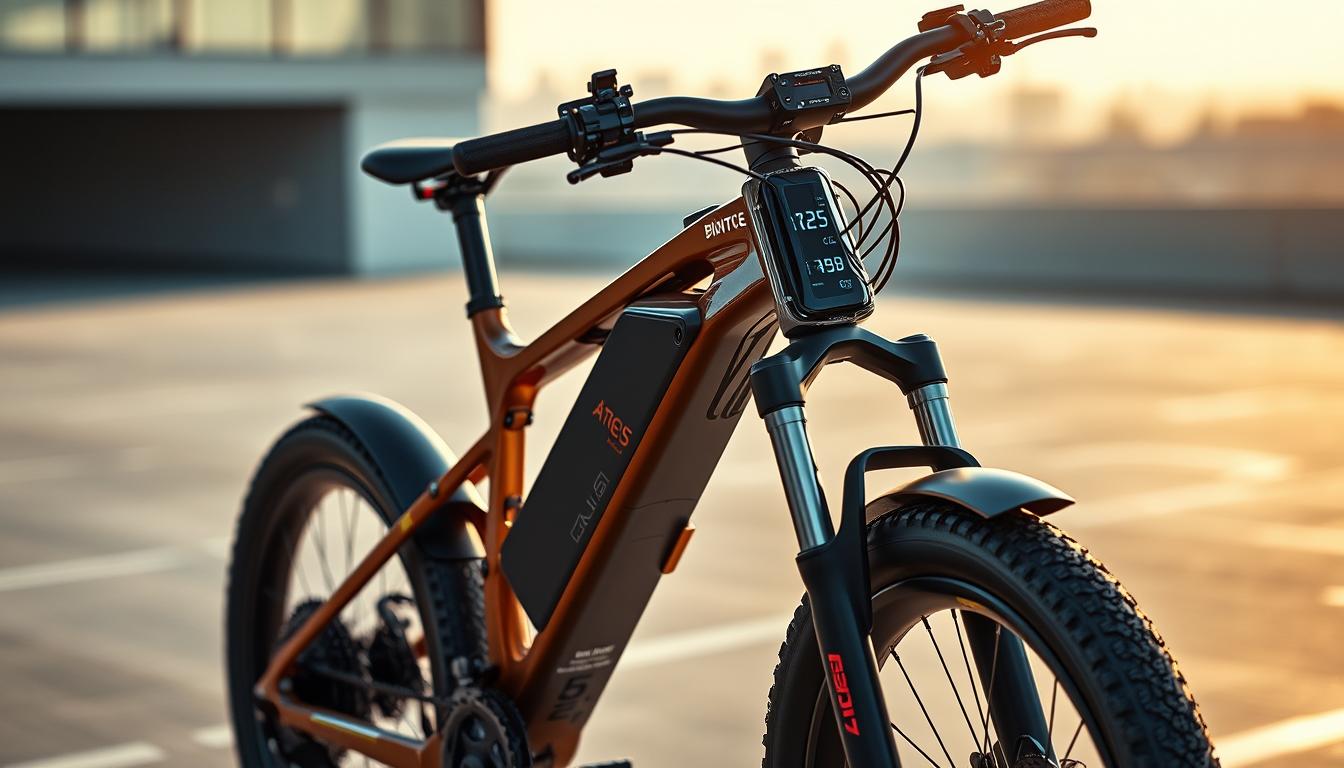
Electric bikes have changed how we move around cities. Power modes are key to a better ride. Knowing how to use them can make your ride better and more efficient.
Power modes let you adjust your bike’s help level. You can go easy in the city or tackle hills with ease. These modes make your ride better, no matter where you go.
Today’s electric bikes have smart power modes. They adjust based on how hard you’re pedaling and the terrain. This means better performance, longer battery life, and more comfort for you.
If you commute or love exploring trails, learning about electric bike power modes is crucial. This guide will help you get the most out of your e-bike. You’ll ride with more confidence and efficiency.
Understanding Power Modes on Electric Bikes
Electric bikes have changed how we travel with their new power assist tech. They have different e-bike power assist levels that change how we ride. Now, electric bikes come with various pedal assist power modes for all kinds of rides.
Electric bike power systems are both complex and easy to use. They help riders perform better by giving them power when they need it. The parts work together to give you the right amount of power.
Basic Power Mode Components
- Electric Motor: The main power source
- Battery Pack: Holds and gives out electrical energy
- Controller: Controls how much power goes to the motor
- Display Unit: Shows the current power mode and battery level
- Pedal Sensors: Start the motor when you pedal
How Power Assistance Works
Pedal assist power modes use smart sensors. When you start pedaling, the sensors turn on the motor. The motor’s power changes based on the assist level you choose, making your ride smooth and easy.
Key Power Mode Features
E-bike power assist levels range from low to high power. You can pick a mode that fits your energy level, the terrain, and how hard you want to work.
Most electric bikes have several power modes:
- Eco Mode: Uses little power, saves battery
- Normal Mode: Good balance of power and efficiency
- Sport Mode: More power for a faster ride
- Turbo Mode: The most power for tough terrains
Types of E-Bike Power Assist Systems
Electric bikes come with various power assist systems. These systems change how we ride in cities and on trails. Knowing the difference between throttle and pedal assist modes helps pick the best e-bike.
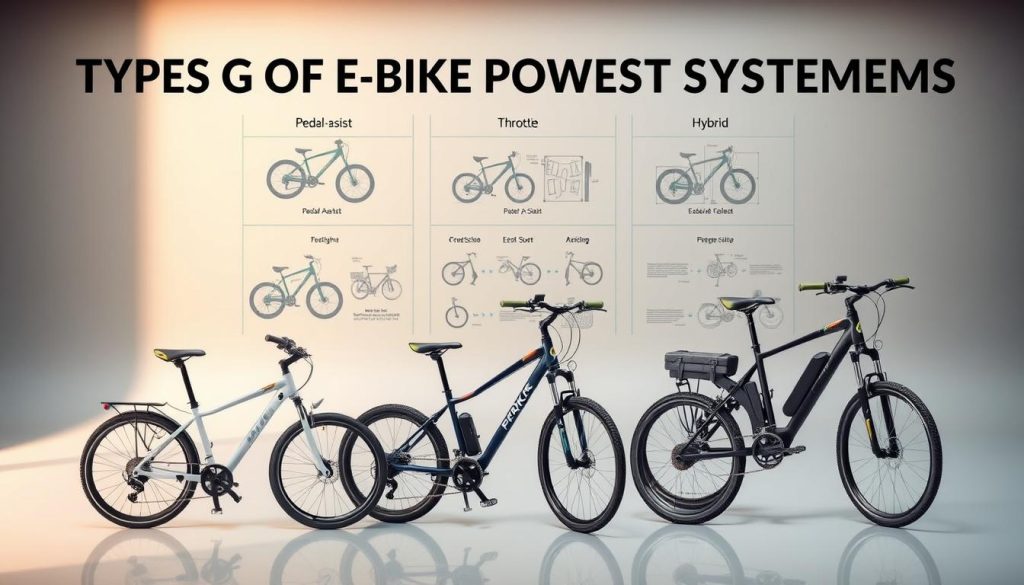
There are mainly two types of power assist systems: pedal assist and throttle-based. Pedal assist kicks in when you start pedaling. It offers a natural feel as the motor helps with your effort.
- Cadence Sensor Systems: Detect pedal rotation and engage motor
- Torque Sensor Systems: Measure actual pedaling force for precise assistance
- Throttle Power Modes: Provide direct motor control without pedaling
Throttle power modes work differently. They let you control the motor with a handlebar throttle. This is great for quick starts or tough terrain.
Each system has its own benefits. Pedal assist is often more energy-efficient and extends battery life. Throttle modes are best for quick power needs, like steep hills.
Choosing the right system depends on your riding style, terrain, and fitness. Try out different modes to find your ideal e-bike.
Maximizing Range Through Power Mode Selection
Electric bike riders can extend their battery life by using power modes wisely. Understanding how to manage battery power is key to better e-bike performance and range.
Choosing the right energy modes can greatly improve your ride. Different terrains and conditions need different approaches to get the most range.
Power Mode Impact on Battery Life
Your e-bike’s battery life depends on power mode management. Each mode uses energy in its own way:
- Eco Mode: Lowest energy use, best for long rides
- Normal Mode: Balanced power for varied terrain
- High Mode: Most power, but fastest battery use
Optimal Settings for Different Terrains
The terrain you ride on affects battery efficiency. Here’s a quick guide to power mode usage:
| Terrain Type | Recommended Power Mode | Energy Efficiency |
|---|---|---|
| Flat Urban Roads | Eco Mode | High |
| Moderate Hills | Normal Mode | Medium |
| Steep Mountain Trails | High Mode | Low |
Energy Conservation Strategies
Smart riders can use several strategies to get more range:
- Start in Eco Mode and switch only when needed
- Pedal steadily to reduce battery stress
- Avoid sudden starts and hard stops
- Keep tire pressure low for less resistance
By learning these battery management tips, riders can enjoy longer, more efficient rides. They’ll use less energy too.
Customizing Your Ride Profile for Different Scenarios
Electric bike riders can unlock remarkable performance through intelligent ride profile customization. Modern e-bikes offer sophisticated power management systems. These systems adapt to various riding conditions, giving cyclists unprecedented control over their cycling experience.
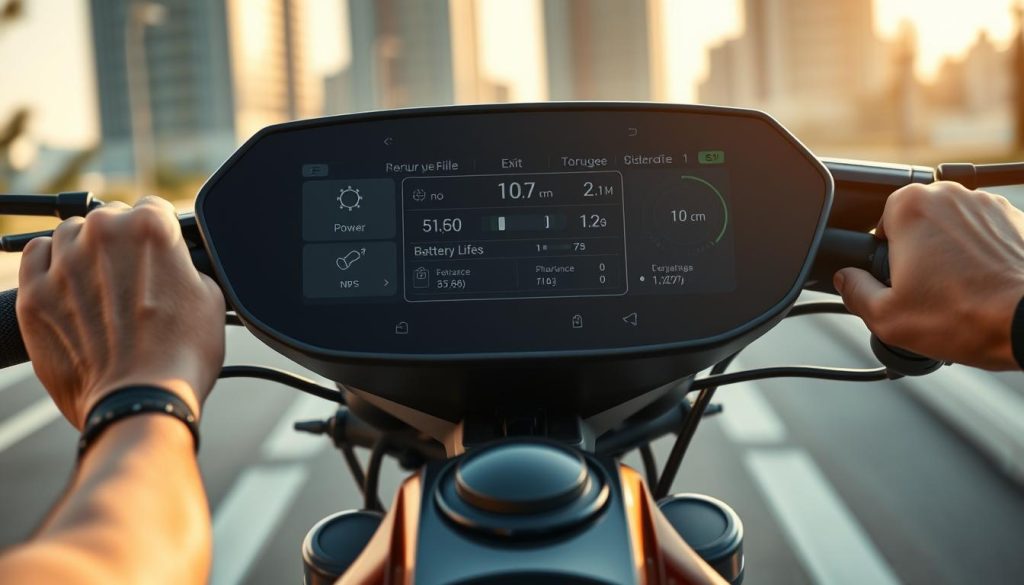
Ride profile customization allows cyclists to create personalized settings for different scenarios. Commuters, mountain bikers, and leisure riders can now optimize their e-bike’s performance. They can do this with just a few taps on integrated display panels or smartphone apps.
- Urban Commuting: Lower power modes for consistent, efficient travel
- Mountain Trails: Higher responsiveness for challenging terrain
- Leisure Rides: Balanced power distribution for comfortable cycling
The hill climb power boost feature stands out as a game-changing technology. Cyclists can now tackle steep inclines with confidence. They can engage additional motor support when navigating challenging gradients. This specialized setting provides extra torque precisely when riders need maximum assistance.
Advanced e-bike systems now include programmable ride profiles that remember individual preferences. Riders can save multiple configurations for different routes. This ensures optimal performance across diverse cycling environments.
Advanced Power Mode Management and Battery Care
For e-bike fans, knowing how to manage battery power is key. It helps get the best performance and keeps the bike running longer. Brands like Specialized and Trek have smart systems that help riders use energy wisely.
Keeping your e-bike battery charged right is important. Store it in a room temperature spot, away from very hot or cold places. Most batteries work best when they’re 20-80% charged. Experts say to check and calibrate your bike’s power system now and then.
Smart riders use regenerative braking to save battery power. It turns the bike’s motion into charge when going downhill or braking. This can make your rides longer and your battery last longer. Also, getting updates from the maker can make your bike’s power use even better.
If your bike’s power isn’t right, check the connections and the battery’s temperature. Make sure your bike’s software is up to date. If problems persist, a pro can help figure out what’s wrong. Taking care of your bike and choosing the right power mode wisely is essential.