
Electric bike fans often talk about the best battery setup. The debate between 48v and 36v e-bike batteries is especially popular. Riders want to know which one offers the best performance and efficiency.
It’s important to understand electric bike battery voltage when buying one. Whether you ride for fun, to work, or on adventures, the right battery can change your ride. It can make your journey smoother and more enjoyable.
Today’s e-bikes come with different voltage options. 48v and 36v batteries are the top choices. Each has its own benefits, affecting how fast your bike goes, how far it can travel, and how well it performs.
If you want to get the most out of your e-bike, you need to know the pros and cons of each battery type. Our guide will help you understand electric bike battery voltage. It will also help you pick the best battery for your needs.
Whether you’re riding in the city or exploring trails, the right battery is key. Let’s explore the 48v vs 36v e-bike battery debate. We’ll find out which one might be perfect for you.
Understanding E-bike Battery Voltage Basics
Electric bike fans know that the battery is key to the bike’s power. The voltage of the electric bike battery affects how well it performs on different terrains and in various conditions.
Electric bike batteries come in different voltages, which impact the bike’s performance. The most common are 36v and 48v systems. Each has its own benefits for riders.
How Voltage Impacts Performance
Voltage is the electrical pressure that powers an e-bike. A higher voltage means more power and better performance. Here’s how voltage changes your ride:
- Higher voltage means faster acceleration
- It helps climb hills better
- It gives more power overall
- It makes the bike more energy-efficient
The Science Behind Battery Power
Lithium-ion battery capacity is also key to e-bike performance. Voltage shows the potential power, but capacity shows how long that power lasts. Together, they make the e-bike’s energy package.
Voltage vs Capacity Explained
Think of voltage like the engine’s power and capacity like the fuel tank. More voltage means more power right away. But capacity decides how far and long you can ride. Riders should think about both when choosing an e-bike.
48v vs 36v e-bike battery: A Detailed Comparison
Choosing between a 48v and 36v e-bike battery can change your ride. These voltages offer different levels of performance for electric bikes. They affect how far you can go, how powerful the bike is, and how efficient it is.
Here are the main differences in the 48v vs 36v e-bike battery comparison:
- Power Output: 48v batteries give more power
- Range Comparison: Higher voltage means longer rides
- Performance Efficiency: 48v systems have smoother starts
- Weight Considerations: 48v batteries are a bit heavier
The range comparison shows interesting facts. A 48v battery lets you ride longer without needing to recharge. If you want to go further, the 48v system is a better choice.
| Battery Characteristic | 36v Battery | 48v Battery |
|---|---|---|
| Average Range | 25-40 miles | 40-60 miles |
| Power Output | Moderate | High |
| Best Use | Urban Commuting | Long-Distance Riding |
When choosing between 48v and 36v e-bike batteries, think about what you need. If you’re commuting in the city, a 36v might be enough. But if you love long rides or adventures, go for the 48v battery.
Power Output and Speed Capabilities
When comparing 48v vs 36v e-bike battery performance, power output is key. It affects how fast and how well you ride. The voltage of the battery impacts the energy it sends to the motor.
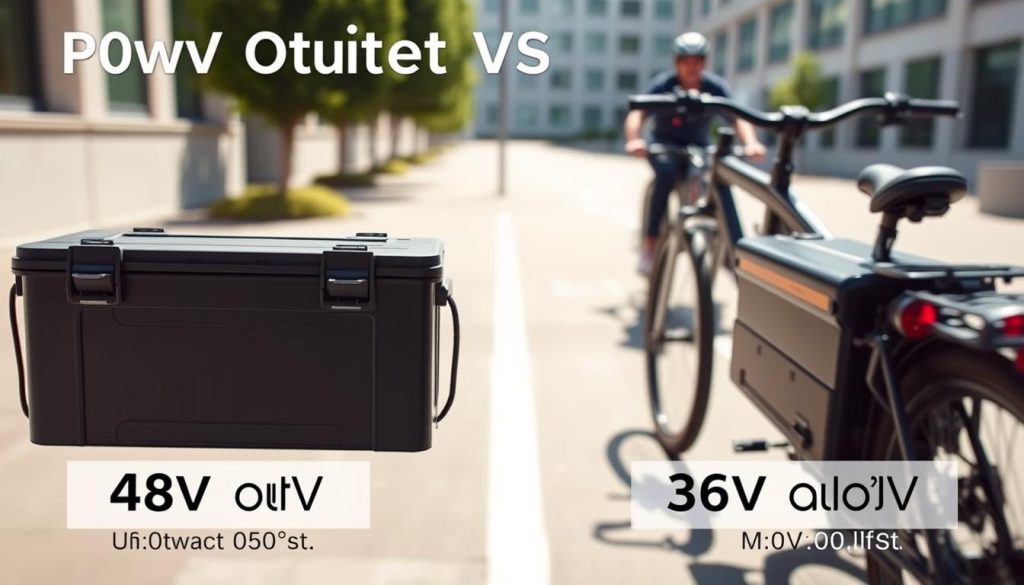
Electric bike fans know battery voltage is vital for performance. The power difference between 48v and 36v batteries changes your ride a lot.
Maximum Speed Potential
Riders see big speed differences with 48v and 36v e-bike batteries. The 48v option usually means:
- Faster top speeds
- More consistent power
- Better overall performance
Acceleration Differences
The power of different voltage batteries affects how fast you go from 0 to 60. A 48v battery accelerates quicker and more smoothly than a 36v one.
| Battery Voltage | Acceleration Performance | Average Top Speed |
|---|---|---|
| 36V Battery | Moderate | 15-20 mph |
| 48V Battery | High | 20-28 mph |
Hill Climbing Abilities
For tough terrain, power output is even more important. A 48v e-bike battery excels at climbing hills, offering:
- More consistent power on steep inclines
- Better torque generation
- Less strain on the motor
Riders looking for top performance will find the 48v battery’s power great for tough rides.
Range and Battery Life Expectations
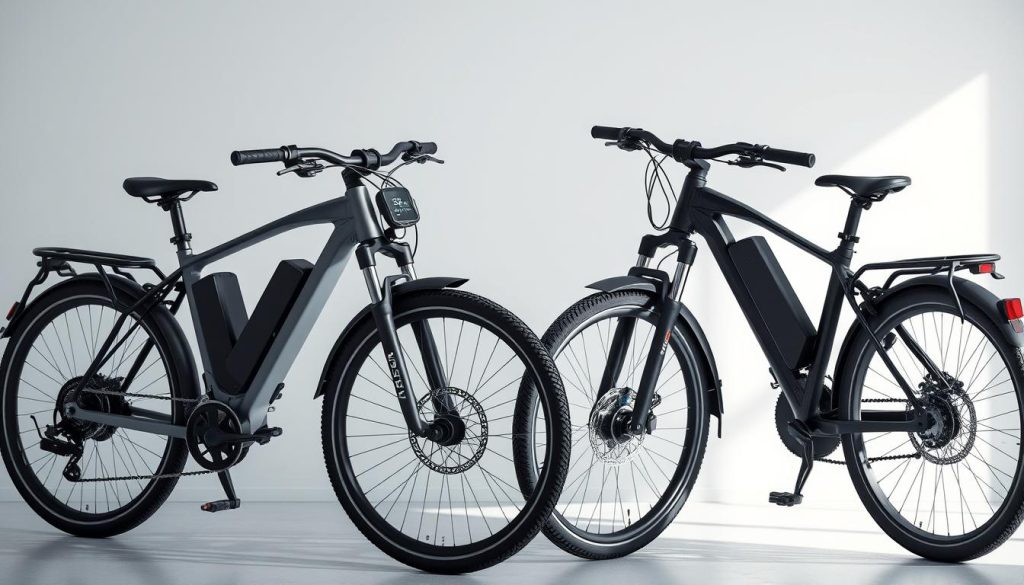
It’s important to know how 48v and 36v e-bike batteries compare. The lithium-ion battery’s capacity is key to how far you can go on one charge.
The battery’s voltage affects its range and how well it performs. A 48v battery usually goes further and has more power than a 36v one. Here’s what you can expect:
- 48v batteries last longer on a single charge
- They give more consistent power
- They’re more efficient for longer rides
Now, let’s look at what range you can expect from different batteries:
| Battery Voltage | Average Range | Terrain Performance |
|---|---|---|
| 36v Battery | 25-40 miles | Flat terrain, light riding |
| 48v Battery | 40-60 miles | Mixed terrain, challenging routes |
Things like your weight, the terrain, how much assist you use, and your riding style affect battery life. Riding in hilly areas or carrying more weight will use up the battery faster.
When picking a battery, think about your riding needs. If you commute, a 36v might be better. But if you love exploring, a 48v battery’s longer range is a plus.
Motor Compatibility and System Requirements
Choosing the right e-bike battery means knowing about motor compatibility and system needs. Different voltages affect how electric bike parts work together. The battery management system is key to your e-bike’s performance and life.
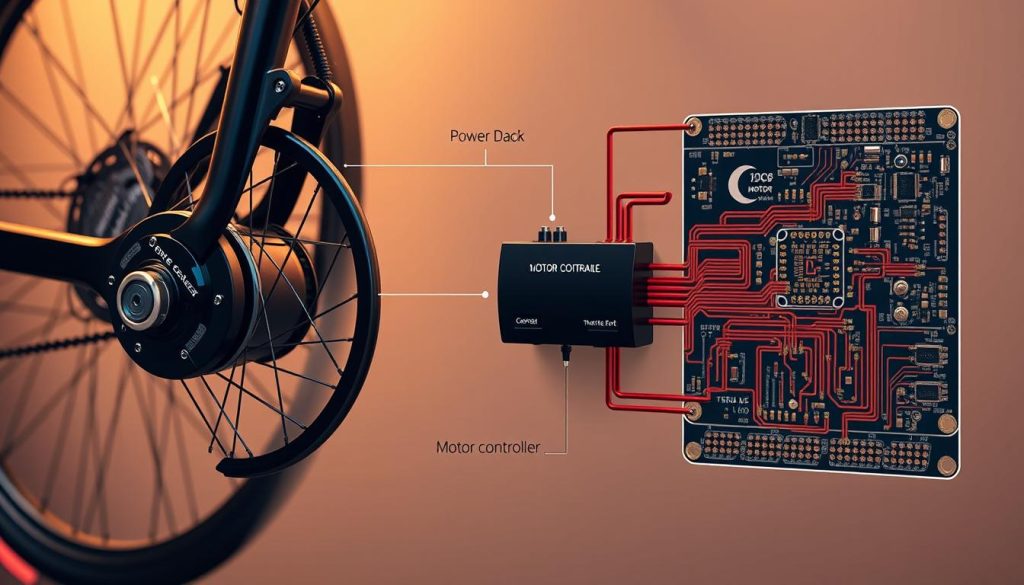
Riders need to look at several important factors for motor compatibility. The voltage you choose affects your e-bike’s overall performance.
Controller Specifications
E-bike controllers manage power between the battery and motor. Each voltage system needs specific controllers:
- 48v systems support more power
- 36v controllers handle less amperage
- Matching voltage prevents electrical damage
Wiring and Connection Differences
Wiring setups differ between 36v and 48v systems. The right connections ensure safe and efficient power flow.
| Voltage System | Wire Gauge | Connection Complexity |
|---|---|---|
| 36v Battery | 14-16 AWG | Standard |
| 48v Battery | 12-14 AWG | More Intricate |
Heat Management Considerations
Keeping the battery cool is vital for its performance and safety. The battery management system watches temperature and controls electrical flow to protect parts.
- Higher voltage systems get hotter
- Good thermal protection is essential
- Regular cooling and air flow keep batteries healthy
Cost Analysis and Long-term Value
Choosing the right electric bike battery voltage is more than just about how well it performs. The cost of 48v and 36v batteries is a big deal for e-bike fans.
The price of electric bike batteries varies a lot. A 48v battery costs more at first but might save you money in the long run. This is because it’s more efficient and lasts longer.
- 48v Battery Average Cost: $350-$600
- 36v Battery Average Cost: $250-$450
- Potential Lifetime Savings: Up to 30% with 48v systems
When looking at battery costs, there are a few important things to think about:
- Initial Purchase Price
- Energy Efficiency
- Replacement Frequency
- Performance Longevity
| Battery Type | Average Lifespan | Replacement Cost | Cost Efficiency Rating |
|---|---|---|---|
| 36v Battery | 500-800 Charge Cycles | $250-$450 | Moderate |
| 48v Battery | 800-1200 Charge Cycles | $350-$600 | High |
Smart e-bike buyers look for the best value. They see that while 48v batteries cost more at first, they save money over time. This is because they last longer and use less energy.
Weight and Design Impact on Performance
Battery weight is key in e-bike performance, especially when choosing between 48v and 36v batteries. Where you place your battery affects how your bike rides, handles, and how easy it is to carry.
Choosing the right e-bike battery is all about weight. Different voltages offer different benefits and challenges for riders looking for the best ride.
Frame Integration Options
Today’s e-bikes come with various battery mounting options:
- Downtube-mounted batteries
- Rear rack battery configurations
- Integrated frame designs
- Removable battery systems
Portability Considerations
The weight of your battery affects how easy your e-bike is to move around. Riders need to find a balance between wanting a powerful bike and one that’s easy to carry.
| Battery Type | Average Weight | Portability Rating |
|---|---|---|
| 36v Battery | 6-8 lbs | High |
| 48v Battery | 9-12 lbs | Medium |
Choosing the right battery means weighing performance against how easy it is to carry. Knowing about these weight factors helps riders pick the best 48v vs 36v e-bike battery for them.
Making the Right Choice for Your Riding Style
Choosing the right e-bike battery is all about your riding needs and likes. You should pick between a 48v and 36v battery based on where you ride, how far, and what you expect. For example, city riders might want different features than those who love trails or long rides.
Think about how you charge your battery too. A 48v battery usually has more power and charges faster. But a 36v might give you steady performance for daily rides. The battery management system is key to keeping your battery healthy and your bike running well.
Don’t forget about weight, range, and cost. A 48v battery might give you quicker starts and better hills, great for those who want more power. On the other hand, a 36v could be better for casual riders who want something reliable and affordable.
In the end, your riding style will guide your battery choice. Try out different e-bikes, see where you usually go, and think about what you need. The right battery will make your rides better, whether you’re in the city or the mountains.