
Electric bikes have changed how we travel in cities. But, riders often face battery problems that affect their ride. Knowing about these issues helps keep your bike running well and lasts longer.
In the U.S., many riders deal with battery bike troubles. These can include sudden power loss or trouble charging. But, with the right info, you can fix these issues easily.
Even with new tech, e-bikes still face electrical and battery issues. Spotting problems early and knowing how to fix them can avoid big problems. This guide will help you keep your bike in top shape.
We’ll cover battery care and how to check if your bike is working right. This knowledge is key for any rider, whether you’re commuting daily or just riding on weekends. It makes your rides better.
We’ll look at everything from keeping your battery in good shape to checking if your bike is working right. This way, you’ll be ready to handle any battery problems that come up.
Understanding Battery Assist Bike Technology and Components
Electric bikes mix mechanical and electronic engineering. Their heart is the advanced battery and power systems. Riders use complex tech for smooth electric help on their rides.
Modern electric bikes have many electronic systems for top performance. Knowing these parts helps riders spot battery issues and avoid system failures.
Battery Management System Basics
The battery management system (BMS) is the smart center of electric bike power. It watches important things like:
- Battery temperature regulation
- Charge and discharge cycles
- Cell voltage balancing
- Protection against overcharging
Key Electronic Components
Electric bikes have key electronic parts for smooth power:
| Component | Primary Function | Performance Impact |
|---|---|---|
| Battery Controller | Manages power distribution | Regulates energy flow to motor |
| Pedal Assist Sensor | Detects rider’s pedaling effort | Triggers electric motor support |
| Throttle Mechanism | Provides direct motor control | Enables manual power activation |
Power Delivery Mechanisms
Power transfer in electric bikes is complex. The system checks rider input, battery, and motor needs for the best electric help. Riders get smooth, quick performance when everything works together.
Common Battery Assist Bike Problems and Their Warning Signs
Electric bikes have changed how we travel. But, like all tech, they can have problems. Spotting early signs can stop bigger issues and save money.
Riders need to watch for certain signs. These signs can help find problems before they get worse.
- Battery Performance Degradation
- Reduced riding range
- Slower charging times
- Unexpected power drops during rides
- Electrical System Red Flags
- Intermittent pedal assist functionality
- Unusual motor noise or vibrations
- Display screen error messages
Knowing about these issues means paying attention. Things like extreme temperatures and wrong charging can cause problems.
Today’s electric bikes have smart systems to find issues fast. Learning to read these signs can save you time and money. It also keeps you safe while riding.
Troubleshooting Electric Bike Motor Performance Issues
Fixing electric bike motor problems can be tough. Knowing why these issues happen helps keep your e-bike running well. It also stops big problems before they start.
Many motor issues need careful checking and fixing. Spotting problems early can save a lot of time and money.
Motor Resistance Problems
Motor resistance can really slow down your electric bike. Look out for these signs:
- Unusual grinding or clicking sounds during pedaling
- Reduced acceleration and power output
- Increased effort required to pedal
Controller Error Diagnostics
Ebike controller errors show up in different ways. Watch for these signs:
- Intermittent motor power
- Unexpected shutdowns
- Flashing indicator lights
Power Output Inconsistencies
Fixing power issues needs a careful check. Look at these areas:
- Battery connection points
- Wiring harness integrity
- Controller calibration
Using special tools can find motor problems. If unsure, get help from a pro e-bike tech. They can fix complex electrical issues right.
Battery Maintenance and Longevity Tips
Keeping your e-bike in good shape is key to a long-lasting battery. Learning how to care for your battery can make your electric bike run better and last longer.
Good battery care begins with smart charging. Problems with lithium-ion batteries often come from bad charging habits. These habits can slowly wear down your battery’s power.
- Avoid complete battery drainage
- Charge at room temperature
- Use original manufacturer chargers
- Maintain partial charge between 20-80%
How you store your e-bike is also important. Extreme temperatures can hurt your battery. So, keep your e-bike in a cool, dry place.
| Temperature Range | Battery Impact |
|---|---|
| Below 32°F | Reduced battery performance |
| Above 86°F | Accelerated battery degradation |
| 50-77°F | Optimal storage conditions |
Regular checks are vital to keep your battery in top shape. Look for loose connections, clean the battery contacts, and watch how your battery is doing. This way, you can spot problems early.
- Clean battery contacts monthly
- Check for physical damage
- Monitor charging time and capacity
- Perform annual professional battery inspections
By following these tips, you can make your battery last longer. This means your e-bike will run better and you’ll avoid sudden battery failures.
Professional Repair Options and DIY Solutions
Fixing electric bikes can be tough. It’s key to know when to do it yourself and when to get help. This keeps your e-bike running well.
Knowing how to fix electric bikes can save you money and time. Some fixes are easy for DIY fans. But, others need special skills.
When to Seek Expert Help
- Complex electrical system failures
- Battery management system problems
- Motor performance issues beyond basic troubleshooting
- Warranty-protected components
Essential Repair Tools for E-Bike Maintenance
| Tool Category | Recommended Tools | Estimated Cost |
|---|---|---|
| Basic Toolkit | Hex key set, tire levers, multimeter | $30-$50 |
| Advanced Diagnostic | Battery voltage tester, specialized e-bike diagnostic tool | $100-$200 |
| Electrical Repair | Soldering iron, wire strippers, electrical tape | $50-$75 |
Cost-Effective Maintenance Strategies
- Regular cleaning and lubrication
- Periodic battery health checks
- Preventative component inspections
- Keep detailed maintenance records
Good e-bike care mixes DIY skills with pro advice. Knowing your bike’s needs helps it last longer and run better.
Understanding Battery Assist Bike Technology and Components
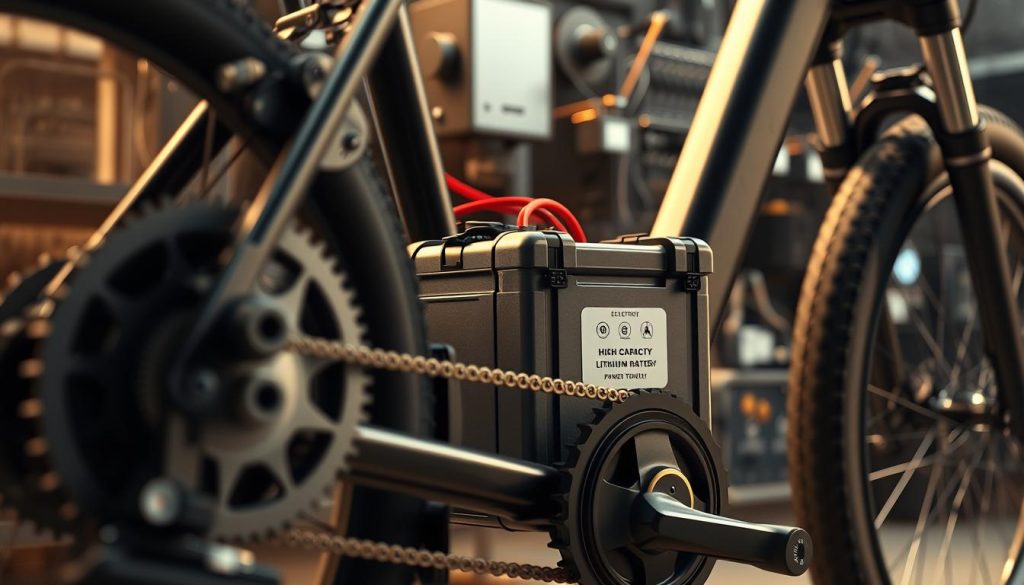
Electric bikes mix mechanical and electrical engineering. Their performance depends on advanced battery systems. These systems control power and make the bike work better. Knowing about these technologies helps riders fix issues and keep their e-bikes in top shape.
Battery management system failures can really hurt an e-bike’s performance. These systems handle important tasks like:
- Battery cell temperature monitoring
- Voltage balancing
- State of charge tracking
- Overcharge protection
Power issues often come from how battery parts and electronic controllers work together. Modern e-bikes use smart microprocessors. These processors check and change power based on the rider, the terrain, and the battery’s state.
Important parts for smooth riding include:
- Lithium-ion battery packs
- Brushless DC electric motors
- Intelligent control units
- Precision sensors
Riders need to keep these systems in good shape. Regular checks can spot problems early. This way, you avoid bigger issues later on.
Common Battery Assist Bike Problems and Their Warning Signs
E-bike riders face many battery problems that can ruin their rides. It’s key to spot early signs of battery trouble. This helps keep your electric bike running well and avoids big breakdowns.
Some common battery issues show up in clear signs. Riders should look out for these:
- Reduced battery range and unexpected power drops
- Slow charging or inability to hold a complete charge
- Unusual heating or swelling of the battery pack
- Inconsistent power delivery during rides
- Strange noises or vibrations from the battery compartment
Electrical connections and battery systems are key in spotting battery problems. Battery performance can go down for many reasons. These include:
- Extreme temperature exposure
- Improper charging practices
- Physical damage or impacts
- Age-related wear and tear
- Manufacturing defects
Regular checks and care can stop most battery issues. Riders should watch how their bike performs. They should also check battery connections and charge patterns for the best results.
Knowing these warning signs helps e-bike owners fix problems fast. This way, they avoid expensive repairs later on.
Troubleshooting Electric Bike Motor Performance Issues
Fixing electric bike motor problems can be tough. Knowing how to diagnose issues is key. This helps find and fix pedal assist system faults fast.
Start by checking electrical connections and battery health. Bad wiring or a weak battery can hurt motor performance.
- Inspect battery terminals for corrosion
- Check wiring harness connections
- Verify battery charge levels
- Test pedal assist sensor alignment
When checking motor performance, pay close attention to different parts. Look for power issues, odd noises, and how well the system responds.
| Symptom | Potential Cause | Recommended Action |
|---|---|---|
| Intermittent Power | Sensor Misalignment | Recalibrate Pedal Assist Sensors |
| Reduced Motor Power | Battery Degradation | Check Battery Health and Voltage |
| Strange Motor Sounds | Bearing Wear | Inspect Motor Bearings |
Using professional tools can help with tough pedal assist system faults. Tools like multimeters and special electric bike diagnostic gear give accurate readings. They help check motor and electrical system health.
Battery Maintenance and Longevity Tips
Keeping your e-bike in good shape is key to a long-lasting battery. Knowing what affects your battery’s performance is important. It helps you get the most out of your electric bike and saves you money on new batteries.
Most lithium-ion battery issues come from bad charging and storage habits. To keep your battery healthy, follow these tips:
- Avoid complete battery discharge
- Maintain consistent charging habits
- Store battery at moderate temperatures
- Clean battery contacts regularly
Temperature is very important for your battery. Too hot or too cold can hurt its performance and life. The best storage temperature is between 50-77°F (10-25°C).
| Maintenance Practice | Impact on Battery Life |
|---|---|
| Regular partial charging | Extends battery cycle life by 20-30% |
| Avoiding full discharge | Prevents capacity degradation |
| Temperature-controlled storage | Maintains battery performance |
Try to keep your e-bike battery charged between 20-80% for the longest life. Use a good charger made for lithium-ion batteries. This helps avoid overcharging and damage.
- Inspect battery connections monthly
- Use manufacturer-recommended charging equipment
- Protect battery from moisture and extreme conditions
By following these e-bike care tips, you can make your lithium-ion battery last longer. This helps avoid common problems that electric bike owners face.
Professional Repair Options and DIY Solutions
Fixing electric bikes needs a mix of expert help and your own skills. If you face big ebike controller errors, think if you can fix it yourself or need a pro. Shops that specialize in electric bikes can handle tricky problems that might be too hard for you at home.
If you want to save money, learning to fix your e-bike is a good idea. First, know what your e-bike is made of. Most fixes are about checking wires, testing the battery, and making sure the controller works right. You can use simple tools like multimeters to find small problems before they get big.
Specialized e-bike repair places offer detailed checks that go beyond just finding problems. They use high-tech tools to spot small issues in the controller and electrical system. Even though it might cost more, it can save your bike from big damage and make it last longer.
When choosing between fixing it yourself or getting a pro, think about your skills, how much time you have, and how hard the problem is. Some fixes, like changing battery cells or checking the motor, need special knowledge. Getting a pro can really help keep your e-bike in top shape for all your rides.