
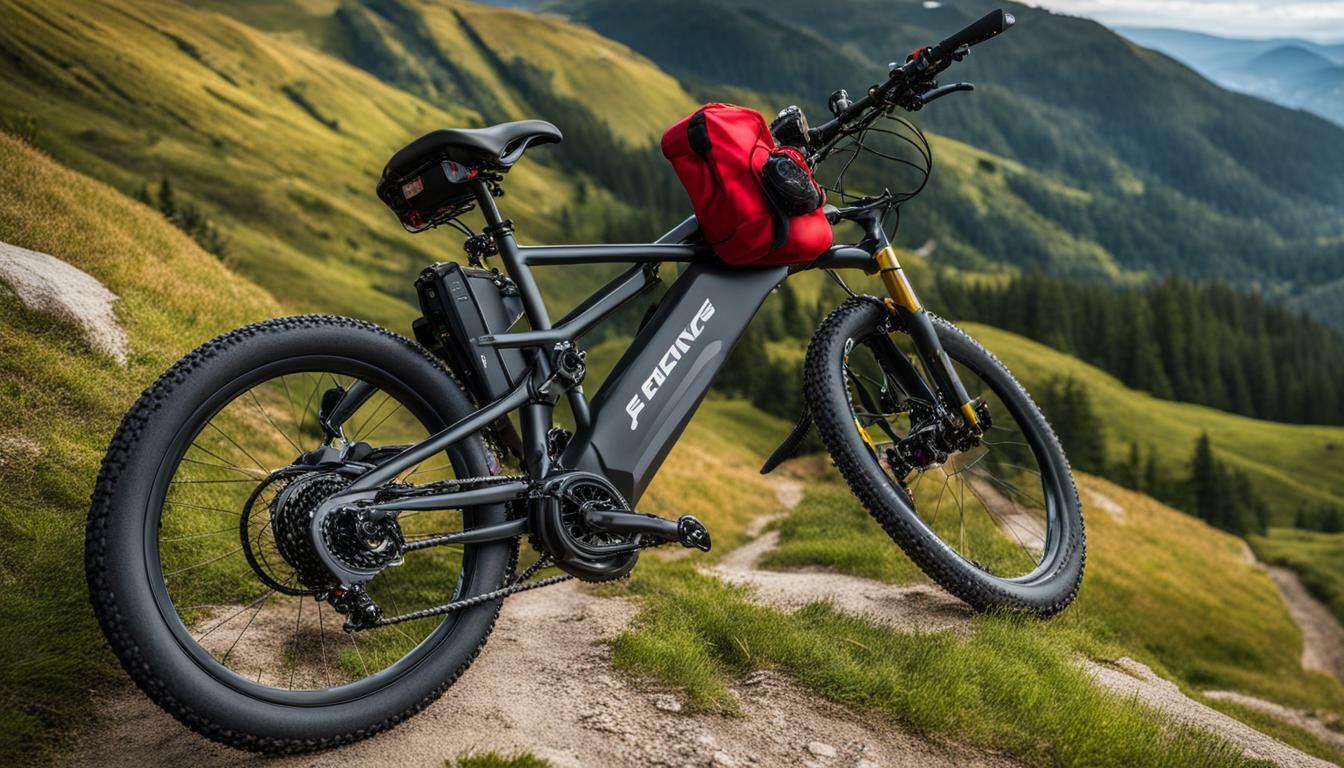
Electric bike battery lifespan is a critical aspect to consider when purchasing and using an electric bike. Understanding how long an electric bike battery lasts and the factors that influence its lifespan can help you make informed decisions and optimize the performance of your bike. Proper maintenance and charging practices can greatly extend the battery’s longevity, ensuring you get the most out of your electric bike.
Key Takeaways:
- An electric bike battery typically becomes less efficient after 3 to 5 years of regular use.
- Lithium batteries have a longer lifespan, with up to 1000 charge cycles, compared to nickel batteries with around 500 cycles and lead batteries with around 300 cycles.
- Proper charging and storage practices, such as using the supplied charger, avoiding overcharging or completely draining the battery, and storing it in a cool and dry place, can help extend the battery’s lifespan.
- Regular maintenance, including maintaining an appropriate charge level, using the recommended charger, charging the battery in suitable conditions, and regularly charging it during storage, is essential for maximizing battery life.
- While following recommended guidelines can help extend the lifespan, it’s important to note that lithium batteries will slowly degrade over time.
Factors Affecting Electric Bike Battery Life
Several factors can influence how long an electric bike battery lasts, with usage patterns and charging habits playing a significant role. It’s essential to understand these factors to maximize the lifespan of your battery and optimize your electric bike’s performance. Let’s explore the key factors that affect electric bike battery life:
1. Usage Frequency
The more frequently you ride your electric bike, the more strain it puts on the battery. Continuous usage can lead to faster battery degradation, reducing its overall lifespan. If you ride your bike daily or for long distances, it’s crucial to monitor the battery’s condition and take appropriate measures to extend its life.
2. Charging Practices
The way you charge your electric bike battery can significantly impact its longevity. Overcharging or completely draining the battery regularly can cause premature wear and decrease its overall capacity. It’s recommended to follow the manufacturer’s guidelines for charging, such as charging the battery to approximately 80% and avoiding leaving it on charge for extended periods.
3. Temperature Exposure
The temperature at which your electric bike battery operates can affect its performance and lifespan. Extreme temperatures, both hot and cold, can accelerate the degradation process. It’s best to store and charge your battery in moderate temperatures and avoid exposing it to temperature extremes for extended periods.
By understanding and considering these factors, you can prolong the life of your electric bike battery and maintain its optimal performance. Remember to follow proper charging and storage practices, monitor your battery’s condition regularly, and seek professional assistance if needed.
| Battery Type | Estimated Lifespan (Charge Cycles) |
|---|---|
| Lithium | Up to 1,000 cycles |
| Nickel | Around 500 cycles |
| Lead | Around 300 cycles |
These are theoretical lifespans, and actual battery life can vary based on factors such as battery quality and usage conditions. It’s important to follow the manufacturer’s recommendations and proper maintenance practices to ensure the longevity of your electric bike battery.
Understanding Different Battery Types
Electric bikes utilize different battery technologies, each with its own characteristics and lifespan. The most commonly used battery types in electric bikes are lithium, nickel, and lead batteries. Let’s take a closer look at each type:
Lithium Batteries
Lithium batteries are the most popular choice for electric bikes due to their high energy density and long lifespan. These batteries can endure up to 1000 charge cycles, making them highly efficient and durable. They are lighter than other battery types, which contributes to improved bike performance. However, it’s important to note that even lithium batteries gradually lose their capacity over time.
Nickel Batteries
Nickel batteries, specifically nickel-cadmium (NiCd) and nickel-metal hydride (NiMH) batteries, have been widely used in electric bikes. They offer a lower energy density compared to lithium batteries, resulting in a shorter lifespan. On average, nickel batteries can endure around 500 charge cycles. While they are less expensive than lithium batteries, their lower efficiency and reduced capacity make them less common in modern electric bike models.
Lead Batteries
Lead batteries, also known as sealed lead acid (SLA) batteries, are the least common type used in electric bikes today. They are heavy, have low energy density, and can last around 300 charge cycles. Despite their lower cost, lead batteries are less popular due to their limited capacity and shorter lifespan compared to lithium and nickel batteries.
When considering an electric bike, it’s essential to understand the different battery types and their respective lifespans. Lithium batteries are often the preferred choice due to their longer lifespan and higher efficiency. However, the specific battery lifespan can vary depending on various factors, including usage, charging practices, and maintenance. By following proper charging, storage, and maintenance guidelines, you can help extend the lifespan of your electric bike battery and optimize its overall performance.
| Battery Type | Average Lifespan |
|---|---|
| Lithium | Up to 1000 charge cycles |
| Nickel | Around 500 charge cycles |
| Lead | Around 300 charge cycles |
Expected Lifespan of Electric Bike Batteries
While the actual lifespan may vary, electric bike batteries generally last for a certain number of charge cycles before their efficiency decreases. The lifespan depends on factors such as usage frequency, charging practices, temperature exposure, and battery type. Lithium batteries are known to have the longest lifespan, with up to 1000 charge cycles, while nickel batteries last around 500 cycles and lead batteries last around 300 cycles.
To provide a more specific example, let’s take a look at Blix batteries. Blix is a popular electric bike brand known for its durable batteries. The estimated lifespan of Blix batteries is around 25,000 miles or 500-800 charging cycles. This is based on typical usage and proper maintenance practices. It’s important to note that these figures are approximate and can vary depending on individual usage patterns and battery quality.
Proper care and maintenance play a crucial role in extending the lifespan of electric bike batteries. Here are some tips to help optimize battery performance:
- Maintain a charge level between 20-80% to reduce stress on the battery.
- Use the recommended charger and adapter provided with the battery.
- Charge the battery in suitable conditions, avoiding extreme temperatures.
- Avoid completely draining the battery, as this can cause damage.
- Store the battery in a cool and dry place.
- Regularly charge the battery during storage to prevent it from fully depleting.
By following these guidelines, electric bike owners can maximize the lifespan of their batteries and ensure optimal performance for years to come. It’s important to remember that even with proper care, batteries will gradually degrade over time. However, with good maintenance practices, the lifespan of the battery can be extended, providing many miles of enjoyable riding.
| Battery Type | Average Lifespan |
|---|---|
| Lithium | Up to 1000 charge cycles |
| Nickel | Around 500 charge cycles |
| Lead | Around 300 charge cycles |
Tips to Extend Electric Bike Battery Life
To maximize the lifespan of your electric bike battery, implementing a few simple practices can go a long way. Proper charging and storage techniques, as well as regular maintenance, can significantly improve battery longevity and overall performance. Here are some tips to help you get the most out of your electric bike battery:
- Use the provided charger and adapter: Using the charger and adapter supplied with your electric bike battery is crucial. They are specifically designed for optimal charging and compatibility, ensuring the battery receives the right amount of power without damage.
- Charge the battery to 100%: It’s recommended to charge the battery to its full capacity. This helps maintain a healthy charge level and maximizes the battery’s overall lifespan.
- Avoid complete battery drain: It’s best to avoid completely draining the battery before recharging. Keeping the battery above 20% charge level helps prevent excessive strain and prolongs its lifespan.
- Store in a cool and dry place: Extreme temperatures can negatively impact battery performance and lifespan. When not in use, store your electric bike battery in a cool and dry place to avoid exposure to excessive heat or cold.
- Regularly charge during storage: If you won’t be using your electric bike for an extended period, it’s important to continue charging the battery periodically. This helps maintain its health and prevents capacity loss during storage.
| Battery Type | Estimated Lifespan (Charge Cycles) |
|---|---|
| Lithium Batteries | Up to 1000 cycles |
| Nickel Batteries | Around 500 cycles |
| Lead Batteries | Around 300 cycles |
These estimates are theoretical and can vary depending on the battery’s quality and usage. It’s important to keep in mind that lithium batteries, although they have a longer lifespan, will gradually degrade over time. Blix batteries, for example, typically last around 25,000 miles or 500-800 charging cycles. By following these tips and maintaining your electric bike battery properly, you can enjoy optimal battery longevity and get the most out of your electric bike experience.
Battery Longevity of Electric Bikes – Example: Blix Batteries
Blix, a renowned electric bike brand, offers batteries with an estimated lifespan of around 25,000 miles or 500-800 charging cycles. These batteries are designed to provide long-lasting power and reliability for electric bike enthusiasts. The durability of Blix batteries ensures that riders can enjoy their electric bikes for years to come, making them an excellent choice for those seeking a reliable and sustainable mode of transportation.
With proper care and maintenance, Blix batteries can deliver optimal performance throughout their lifespan. It is recommended to maintain a charge level between 20% and 80% to maximize battery health. This practice helps to minimize stress on the battery and prolong its overall lifespan. Additionally, using the recommended charger and charging the battery in suitable conditions can further optimize its performance.
Storing the battery in a cool and dry place is essential to prevent damage caused by extreme temperatures. Regularly charging the battery during storage can help preserve its charge and prevent it from fully depleting. By following these guidelines, Blix owners can ensure that their electric bike batteries remain in top condition and continue to provide reliable power for their rides.
| Battery Type | Estimated Lifespan |
|---|---|
| Lithium Batteries | Up to 1000 charge cycles |
| Nickel Batteries | Around 500 charge cycles |
| Lead Batteries | Around 300 charge cycles |
While these estimated lifespans provide a general idea, it is important to note that various factors, such as usage frequency and maintenance practices, can impact the lifespan of electric bike batteries. By following the proper charging and storage practices and maintaining the battery according to the manufacturer’s recommendations, electric bike owners can prolong the life of their batteries and enjoy many miles of smooth and efficient rides.
Proper Charging and Storage Practices
Proper charging and storage practices are vital for maintaining the health and longevity of your electric bike battery. By following these guidelines, you can optimize the performance and extend the lifespan of your battery.
1. Use the supplied charger and adapter: It’s important to use the charger and adapter that are specifically designed for your electric bike battery. Using third-party chargers or adapters can cause damage and reduce the battery’s lifespan.
2. Charge to 100%: When charging your battery, it’s recommended to charge it to 100% capacity. This helps ensure that the battery cells are balanced and operating at their full potential.
3. Avoid complete discharge: Try to avoid completely draining your battery before recharging it. Lithium batteries have a better lifespan when they are not discharged below 20%. So, it’s a good practice to recharge your battery once it reaches around 20% capacity.
4. Store in a cool and dry place: When not in use, store your electric bike battery in a cool and dry place. Extreme temperatures can negatively impact the battery’s performance and lifespan.
| Charging Practices | Storage Practices |
|---|---|
| Use the supplied charger and adapter | Store in a cool and dry place |
| Charge to 100% | |
| Avoid complete discharge |
By following these tips, you can maximize the lifespan of your electric bike battery and enjoy optimum performance for years to come. Remember, proper charging and storage practices play a crucial role in maintaining battery health and ensuring a longer lifespan.
Maintaining Battery Health
Consistent battery maintenance is key to ensuring your electric bike battery lasts as long as possible. By following a few simple guidelines, you can optimize your battery’s performance and extend its lifespan.
Proper Charging Practices
When it comes to charging your electric bike battery, it’s important to use the charger and adapter supplied with the battery. These components are specifically designed to provide the correct voltage and charging rate for your battery, ensuring safe and efficient charging.
Avoid overcharging or completely draining the battery, as both can negatively impact its lifespan. Instead, aim to maintain a charge level between 20% and 80%. This range helps prevent excessive strain on the battery and promotes optimal performance.
Appropriate Storage Conditions
Storing your electric bike battery in suitable conditions is crucial for maintaining its health. Ideally, the battery should be stored in a cool and dry place, away from extreme temperatures and humidity. Exposure to high temperatures can accelerate battery degradation, while moisture can cause corrosion.
If you’re planning to store your electric bike for an extended period, it’s recommended to regularly charge the battery during storage. This helps prevent the battery from fully discharging, which can lead to irreversible damage. Aim for a charge level of around 50% to keep the battery in good condition.
Regular Maintenance
Performing regular maintenance on your electric bike battery can significantly contribute to its longevity. Keep the battery clean and free from dirt and debris, as this can impact its performance. Inspect the battery connectors for any signs of corrosion or damage and clean them if necessary.
Additionally, pay attention to the charging process and environment. Charge the battery in suitable conditions, avoiding extreme temperatures and ensuring proper ventilation. If you notice any abnormalities or issues with the battery, such as reduced capacity or increased charging time, consult the manufacturer for guidance.
| Battery Type | Average Lifespan |
|---|---|
| Lithium | Up to 1000 charge cycles |
| Nickel | Around 500 charge cycles |
| Lead | Around 300 charge cycles |
It’s important to note that the aforementioned lifespan figures are theoretical and can vary depending on factors such as battery quality and usage patterns. However, by following proper charging and storage practices, as well as maintaining your battery regularly, you can help ensure that it lasts for as long as possible.
Conclusion
By considering the factors that affect battery life and adopting good maintenance practices, you can optimize the lifespan of your electric bike battery. Factual data shows that the average lifespan of an electric bike battery with regular use is around 3 to 5 years. However, the actual lifespan varies depending on the number of charge cycles and the care given to the battery.
When it comes to battery types, lithium batteries tend to last longer, with up to 1000 charge cycles, while nickel batteries last around 500 cycles and lead batteries last around 300 cycles. It’s worth noting that these lifespans are theoretical and can be influenced by the quality of the battery.
To ensure your battery lasts as long as possible, it’s crucial to follow proper charging and storage practices. Always use the charger and adapter supplied with the battery, charge it to 100% capacity, and avoid fully draining the battery. Storing the battery in a cool and dry place also helps maintain its longevity.
Proper maintenance is key to prolonging the lifespan of your electric bike battery. For example, Blix batteries, a popular brand, have a lifespan of around 25,000 miles or 500-800 charge cycles. To maximize their lifespan, it is advised to maintain a charge level between 20% to 80%, use the recommended charger, charge the battery in appropriate conditions, avoid extreme temperatures during storage, and regularly charge the battery during periods of non-use.
By following these tips, you can significantly extend the lifespan of your electric bike battery, allowing you to enjoy your rides for many years to come.
FAQ
Q: How long does an electric bike battery last?
A: The lifespan of an electric bike battery depends on several factors, such as usage frequency and proper care. Generally, with regular use, a battery becomes less efficient after 3 to 5 years.
Q: What factors affect electric bike battery life?
A: Factors that can impact battery life include usage frequency, charging practices, temperature exposure, and battery type.
Q: What are the different types of electric bike batteries?
A: Electric bike batteries can be lithium, nickel, or lead-based. Each type has its advantages and disadvantages.
Q: What is the expected lifespan of electric bike batteries?
A: The lifespan of electric bike batteries varies depending on the type. On average, lithium batteries can last up to 1000 charge cycles, nickel batteries last around 500 cycles, and lead batteries last around 300 cycles.
Q: How can I extend the lifespan of my electric bike battery?
A: To maximize battery lifespan, it’s recommended to follow proper charging and storage practices, maintain a charge of 20-80%, use the recommended charger, charge the battery in appropriate conditions, and avoid storing it in extreme temperatures.
Q: What is the battery longevity of Blix electric bikes?
A: Blix batteries typically have a lifespan of around 25,000 miles or 500-800 charging cycles.
Q: What are the proper charging and storage practices for electric bike batteries?
A: It’s important to use the charger and adapter supplied with the battery, charge it to 100%, avoid completely draining the battery, and store it in a cool and dry place.
Q: How can I maintain the health of my electric bike battery?
A: Some tips for maintaining battery health include maintaining a charge level of 20-80%, using the recommended charger, charging the battery in suitable conditions, and regularly charging it during storage.