
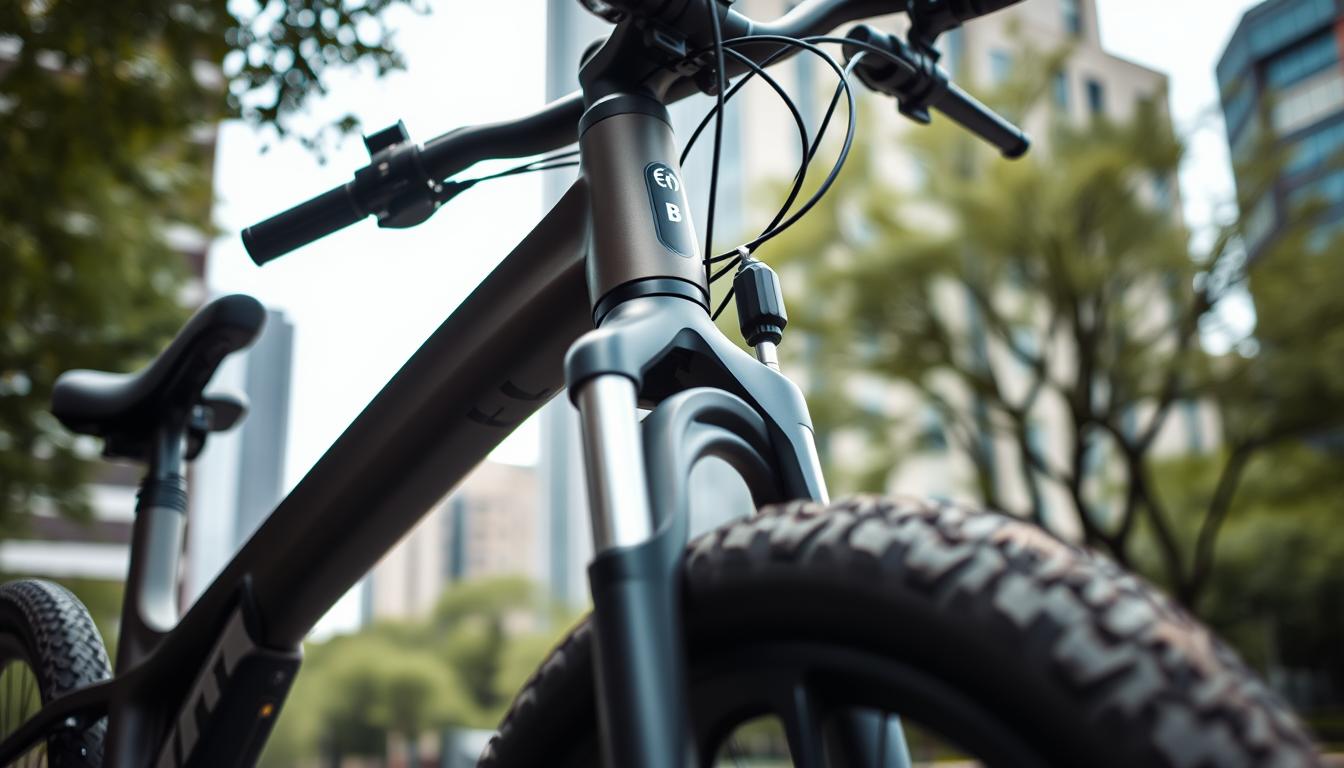
Electric bikes are changing how we move around cities and enjoy the outdoors. This guide will introduce you to the world of e-bikes. They’re becoming more popular in the United States.
An electric bike is like a regular bike but with a cool twist. It has an electric motor that helps you pedal. This makes riding easier and more fun. You can use it for work, trails, or a workout.
There are many types of e-bikes out there. You can find small city bikes or big mountain bikes. They’re great for different needs. The motor helps you go up hills, travel far, and feel less tired.
Now, e-bikes are easier to get and more affordable. You can find them at many prices and levels. This makes them a great choice for many people.
Learning about electric bikes is your first step. It’s a fun way to travel that’s good for the planet and enjoyable.
Understanding Electric Bike Basics: Motors, Batteries, and Components
Electric bikes have changed how we travel, mixing old-school cycling with new tech. Learning about electric bike basics shows how these bikes work.
Today’s electric bikes are a mix of smart design and cool tech. They’re great for city rides and fun rides too. Knowing the parts helps you pick the right e-bike.
Types of E-bike Motors and Their Benefits
E-bike motors are mainly two types, each with its own plus points:
- Hub Motors: Sit in the wheel’s middle, giving straight power
- Mid-Drive Motors: In the bike’s middle, they balance the weight
Battery Types and Range Expectations
Knowing how to charge e-bike batteries is key. The type of battery affects how far you can go:
| Battery Type | Average Range | Charging Time |
|---|---|---|
| Lithium-Ion | 40-100 miles | 3-6 hours |
| Lithium Polymer | 30-80 miles | 2-4 hours |
Essential E-bike Components to Know
Important parts make electric bikes work well include:
- Battery management system
- Electronic controller
- Pedal-assist sensors
- Display panel
Learning about these parts shows how e-bikes are smart and fun to ride.
A Beginner Guide to Electric Bikes: Choosing Your First E-bike
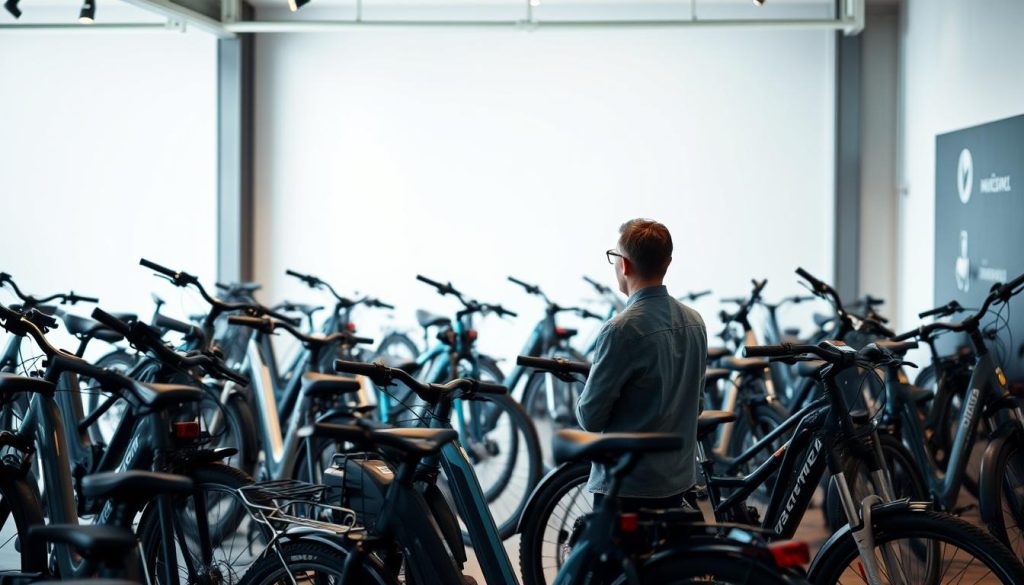
Choosing your first electric bike can seem hard. You need to think about a few important things. The right e-bike can make your rides better.
First, think about why you want an e-bike. Do you want to go to work, ride trails, or just enjoy the ride? There are e-bikes for each need:
- City e-bikes: Perfect for urban commuters
- Mountain e-bikes: Ideal for off-road enthusiasts
- Folding e-bikes: Great for travelers and storage-conscious riders
- Cargo e-bikes: Excellent for transportation and hauling
How much you want to spend is also key. E-bikes start at $1,000 and go up to over $5,000. Think about your budget and what you want to do on your bike.
If you’re on a tight budget, you could turn a regular bike into an e-bike. This can save money, but you need to know how to do it. Make sure you can handle the technical part before trying it.
Here are some tips for picking your first e-bike:
- Test ride different bikes
- Look at the battery’s range and how long it takes to charge
- Check the motor’s power and where it is
- Think about the bike’s weight and how easy it is to carry
- See what kind of warranty and support the bike offers
The best e-bike is one that fits your life and what you like to do. Take your time to look, test, and ask questions before you decide.
Safety Features and Riding Tips for New E-bike Riders
Riding an electric bike is fun and good for the planet. But, it’s important to stay safe. Knowing the right gear, techniques, and controls is key for a safe ride.
Essential Safety Gear for E-bike Riding
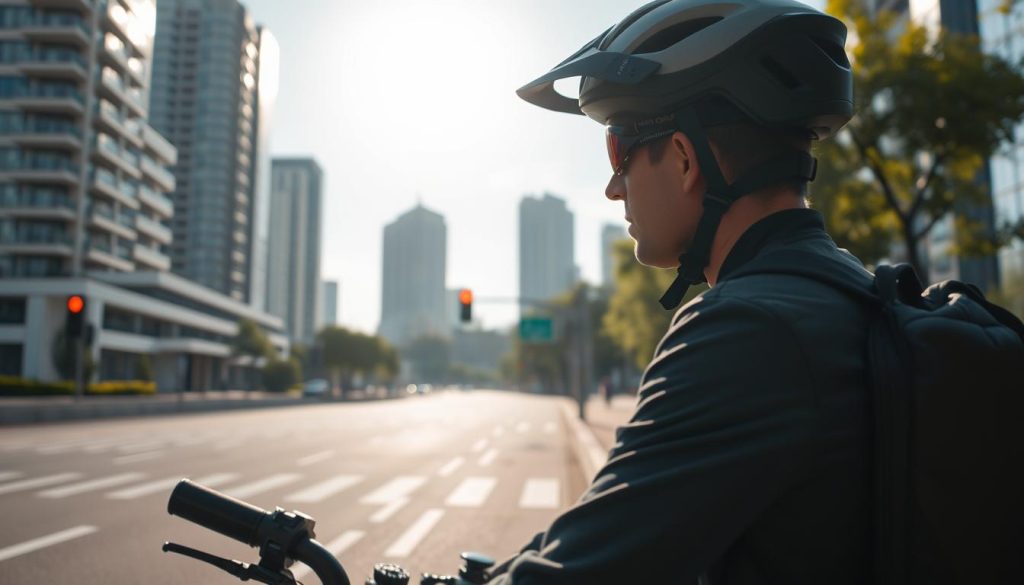
Wearing the right safety gear is your first defense. Choose high-quality protective gear for a safe ride.
- Helmet: Always wear a well-fitted, certified bicycle helmet
- Reflective clothing for increased visibility
- Padded gloves to improve grip and protect hands
- Sturdy closed-toe shoes
- Knee and elbow pads for additional protection
Basic Riding Techniques and Best Practices
Learning basic e-bike skills is important. It helps you ride safely on different terrains and in traffic.
- Practice mounting and dismounting in a safe area
- Start with pedal assist at lower levels
- Keep both hands on the handlebars
- Maintain a steady, predictable riding line
- Use hand signals when turning or stopping
Understanding Speed Limits and Control
E-bikes can go different speeds. Knowing and controlling your speed is key for safety.
| E-bike Class | Maximum Speed | Recommended Skill Level |
|---|---|---|
| Class 1 | 20 mph | Beginner |
| Class 2 | 20 mph | Intermediate |
| Class 3 | 28 mph | Advanced |
By following these tips and practicing, new riders can feel confident. They can then enjoy the benefits of electric bike travel.
Maintaining Your Electric Bike for Longevity
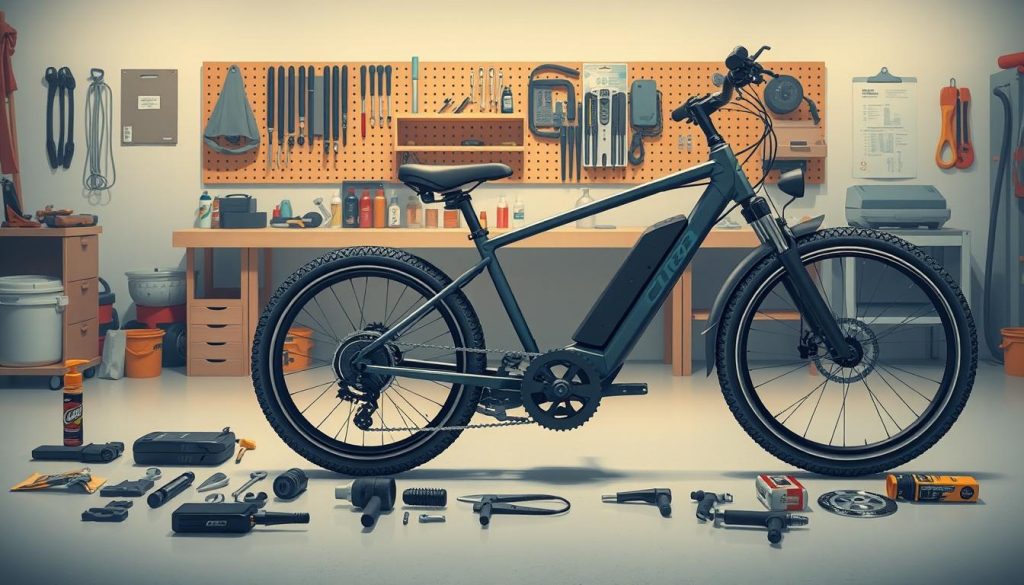
Keeping your electric bike in good shape is key. It helps your bike run smoothly and last longer. Simple steps can keep your e-bike in top condition for years.
Focus on these main areas for basic e-bike maintenance:
- Battery care and charging
- Cleaning and lubrication
- Tire and brake inspection
- Electrical system checks
Battery care is very important. Store your battery in a cool, dry spot. Try to keep the charge between 20% and 80%. Use good e-bike accessories like covers and cleaning tools to protect your bike.
Cleaning your bike regularly is a must. Use a soft cloth and gentle cleaners made for e-bikes. Be careful around electrical parts and avoid strong water pressure.
- Clean your e-bike after muddy or dusty rides
- Check tire pressure weekly
- Inspect brake pads and cables monthly
- Lubricate chain and moving parts every 100-150 miles
For more detailed work, get a pro to service your bike yearly. A skilled tech can do thorough checks and fix problems early. Keep maintenance records to track your bike’s health and value.
Understanding E-bike Laws and Regulations in Your Area
Learning about e-bike laws can be tricky for new riders. In the United States, e-bikes are divided into three types. These types help figure out where you can ride and the rules you must follow.
Every state has its own rules for e-bikes. Some say you must be 16 to ride, while others require helmets. Cities like New York and San Francisco have stricter rules than rural areas.
Before you ride, look up your local laws and state rules. Websites like electric bicycle groups and local transportation offices can help. You should check on age limits, helmet rules, motor power, and where you can ride.
Being a responsible e-bike owner means knowing the law. Talk to local bike shops, transportation offices, or state DMVs for the latest on e-bike laws. This way, you can ride safely and legally.