
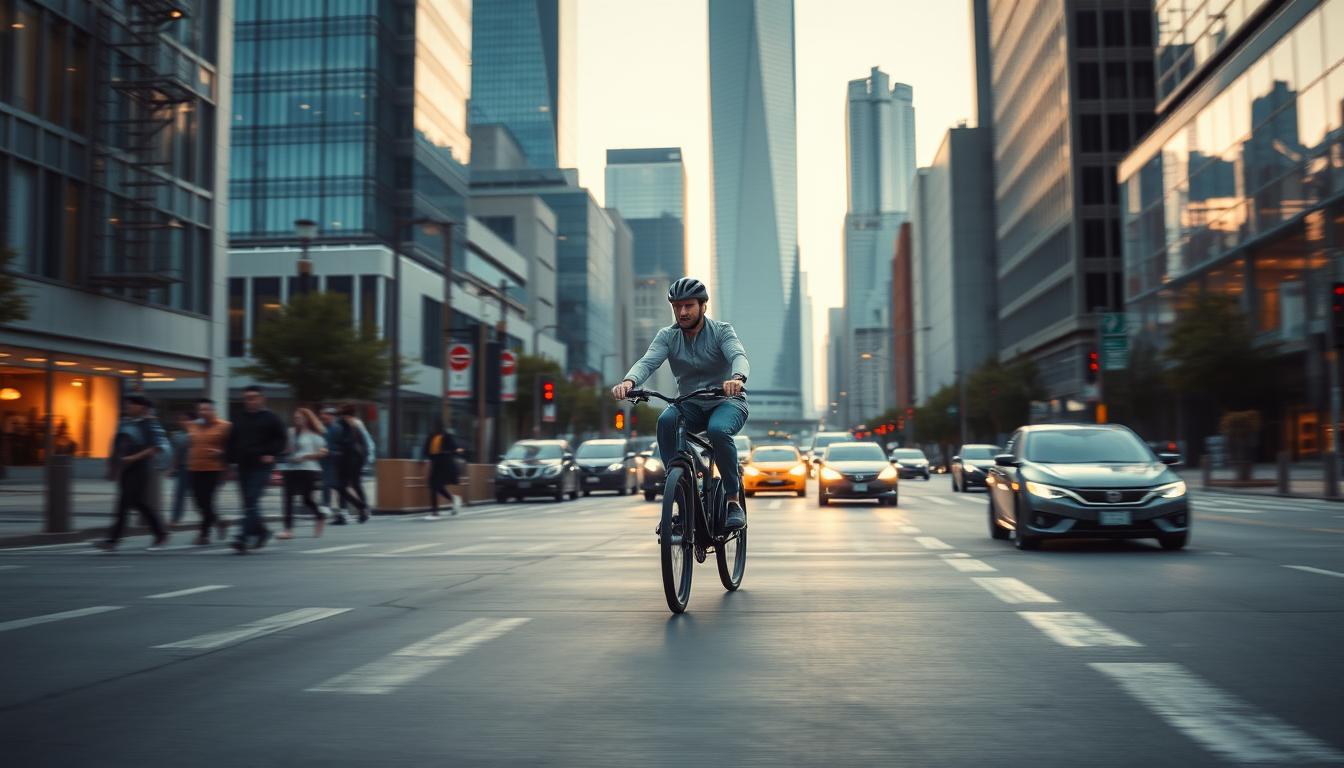
As cities grow busier and gas prices climb, more Americans are turning to eco-friendly transportation. Electric bikes have surged in popularity, blending pedal power with battery-assisted motors. They offer a practical solution for commuting, errands, or weekend adventures while reducing carbon footprints.
Modern electric bike designs merge classic cycling with smart tech. Built-in motors provide extra speed on hills, and rechargeable batteries extend range without exhausting riders. This mix of convenience and efficiency makes them ideal for urban commutes or leisurely rides.
But is investing in one a smart choice? This guide breaks down costs, battery life, and real-world performance. We’ll compare electric bikes to traditional bicycles and cars, using data from recent studies and user experiences.
From health perks to long-term savings, we’ll cover what matters most. Whether you’re dodging traffic or exploring trails, discover how these innovative machines could fit your lifestyle.
Understanding the Basics of Electric Bikes
Imagine cruising up steep hills without breaking a sweat—that’s the magic of pedal-assisted cycling. These innovative machines enhance traditional biking with smart tech, making rides smoother and more accessible.
What Is an Electric Bike?
An electric bike looks like a standard bicycle but packs a hidden boost. A compact motor and battery system provide extra push when needed. Unlike motorcycles, most models require pedaling to activate the motor, blending exercise with effortless speed.
How Electric Motors and Batteries Work
Motors typically sit in the hub or near the pedals, responding to sensors that detect your pedaling rhythm. Cadence sensors measure pedal rotations, while torque sensors gauge how hard you push. Together, they adjust the motor’s power output seamlessly.
Most systems offer 3-5 assistance levels. Eco mode conserves battery for longer rides, while Turbo tackles challenging terrain. Batteries range from 400Wh to 700Wh, letting riders travel 20-70 miles per charge. Popular models like the Trek Allant+ use 250W motors, balancing speed with energy efficiency.
This tech isn’t just for athletes. Adjustable support levels welcome commuters, seniors, and casual cyclists alike. Whether conquering mountains or grocery runs, electric bikes adapt to your pace.
E-Bikes vs Traditional Bicycles: A Comparative Overview
Pedaling through city streets or country trails, riders now face a choice: stick with tradition or embrace electric innovation. Both options shine in different scenarios, but understanding their strengths helps match them to your lifestyle.
Speed, Efficiency, and Power Assistance
Motorized support lets riders sustain 15-20 mph speeds effortlessly, even uphill. Traditional models demand stronger leg power to tackle steep inclines. Studies show pedal-assisted bikes use 30% less human energy over similar distances.
Rechargeable batteries extend range without fatigue—ideal for longer commutes. However, added weight from motors (average 20 lbs extra) affects handling on sharp turns. Regular maintenance becomes crucial for electrical components like wiring and sensors.
Inclusivity and Physical Workout Differences
Power assistance opens cycling to those recovering from injuries or managing fitness challenges. Riders control exertion levels through adjustable modes, blending movement with accessibility.
While traditional cycling burns 50% more calories hourly, electric models still provide moderate exercise. The key benefit? Consistency. Easier rides encourage frequent use, building endurance over time.
Pros and Cons: Are E-Bikes Worth It
Balancing efficiency and cost is key when exploring new mobility options. Let’s break down how motor-assisted cycling stacks up against traditional choices.
Key Benefits of Electric Assistance
Electric assistance expands your range significantly. Riders report covering 40-60 miles on single charges with mid-tier batteries. Steep trails become manageable thanks to torque sensors adjusting power output automatically.
Here’s what users love most:
- Reduced fatigue during long commutes
- Consistent speeds uphill or against headwinds
- Flexible pedal support for varied fitness levels
Potential Drawbacks and Considerations
Higher upfront costs give many riders pause. Quality models start around $1,800—triple standard bike prices. Battery replacements every 3-5 years add $500+ to ownership.
Common concerns include:
- Heavier frames complicating storage
- Learning curves for motor maintenance
- Limited repair shops outside urban areas
Weekly commuters often find the convenience outweighs costs. Casual riders might prefer simpler setups. Test-riding different models helps identify what works for your routine.
Environmental and Health Benefits of Electric Bikes
Combining eco-friendliness with personal health, modern mobility solutions are reshaping urban landscapes. These innovations tackle two critical needs: cleaner air and healthier lifestyles through accessible technology.
Reducing Emissions and Sustainable Mobility
Electric models cut transportation emissions dramatically. Their motors use energy equivalent to 1,000 MPG gasoline efficiency—20 times cleaner than standard cars. Cities like Portland saw 12% fewer short-trip vehicle emissions after introducing shared charging stations.
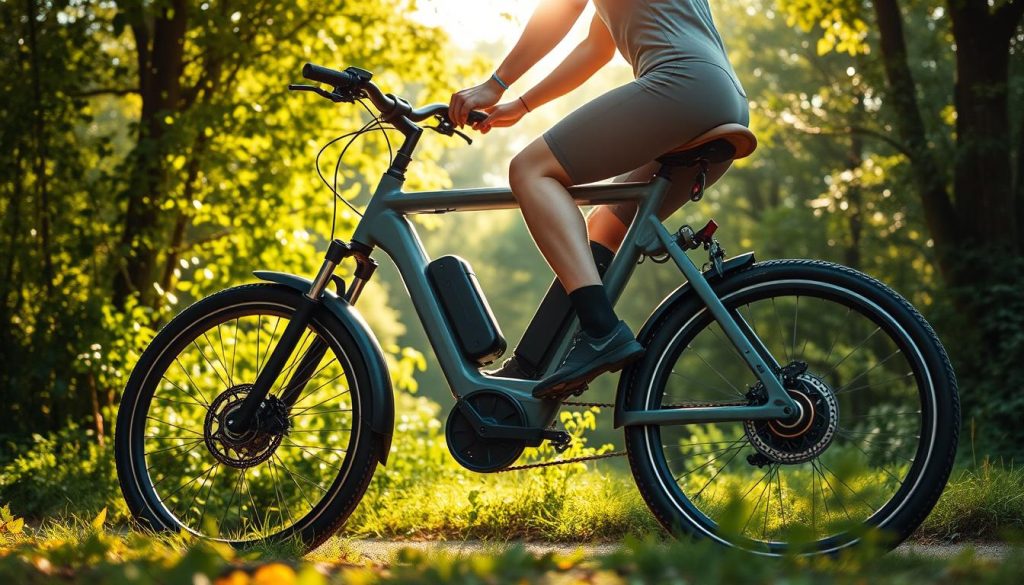
With batteries offering 500+ charge cycles, their capacity minimizes reliance on fossil fuels. A typical 500Wh system powers 40-mile trips—enough for most daily needs. This efficiency supports climate goals while saving riders $900+ yearly on fuel.
Enhanced Fitness and Mental Well-Being
Regular use strengthens heart health without joint strain. Studies show pedal-assisted commuters maintain 75% of traditional cycling’s calorie burn. Adjustable support lets riders build endurance gradually, perfect for restarting fitness routines.
Outdoor rides also reduce stress hormones by 30%. The rhythmic motion promotes mindfulness, while cleaner routes mean breathing purer air. Denver’s bike-to-work participants reported better sleep and focus within weeks.
From cutting carbon to boosting mood, these machines prove small choices create big impacts. They’re not just transportation—they’re tools for building sustainable communities and healthier lives.
Cost and Maintenance Considerations for E-Bike Ownership
Owning a modern commuter vehicle involves more than just the sticker price—it’s about balancing immediate expenses with future benefits. Let’s explore how smart budgeting and care routines keep riders moving smoothly.
Initial Investment Versus Long-Term Savings
Quality models range from $1,500 to $3,500 upfront—a steep jump from traditional bicycles. Yet studies show annual costs drop 80% compared to car ownership. Charging batteries costs pennies per mile, while avoiding parking fees and fuel adds up fast.
Consider this breakdown:
- Yearly car maintenance: $1,200+
- Public transit passes: $800-$1,500
- Average e-bike upkeep: $200 annually
Battery Life, Repair, and Maintenance Tips
Lithium-ion packs last 3-5 years with proper care. Store them at 50% charge in cool spaces to prevent degradation. Most brands offer warranties covering 500-800 full cycles.
Unlike standard bikes, electrical systems need occasional checkups. Clean connections monthly and update firmware when alerts pop up. For mountain biking enthusiasts, pedal assist reduces chain strain during climbs—a hidden durability perk.
Handling minor fixes yourself saves a lot. Learn tire patching and brake adjustments. Leave complex motor diagnostics to certified shops. With smart habits, these machines deliver miles of hassle-free rides.
Electric Bikes for Urban Commuting and Transportation
Navigating city streets during rush hour can test anyone’s patience. Pedal-assisted transportation offers a clever workaround for gridlocked areas. These machines blend human effort with motorized support, creating efficient alternatives to cars.
Navigating Traffic and Finding Convenient Parking
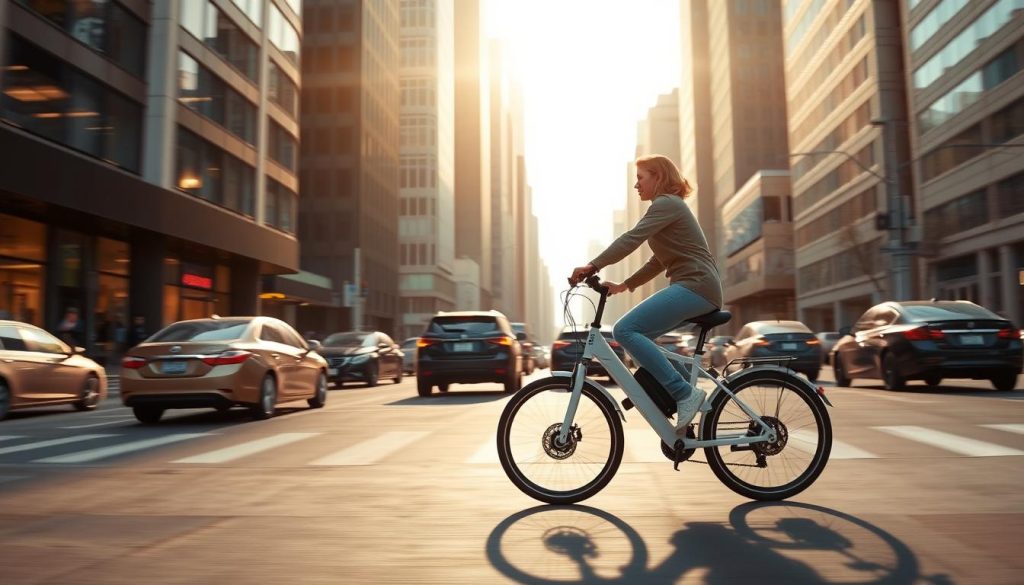
Riders slip through stalled traffic using bike lanes and gaps cars can’t fit. Built-in motors maintain momentum without constant pedaling. This keeps commuters moving while drivers wait at red lights.
Parking becomes stress-free with compact designs. Most models fit standard bike racks, avoiding expensive garage fees. Some cities even offer dedicated charging stations near popular destinations.
| Feature | Traditional Bike | Electric Bike | Notes |
|---|---|---|---|
| Speed in Traffic | 10-12 mph | 15-20 mph | Motor assistance avoids slowdowns |
| Parking Space | 1 bike rack slot | 1 bike rack slot | Same footprint as regular bikes |
| Hill Climbing | High effort | Low effort | Torque sensors adjust power |
| Daily Range | 5-10 miles | 15-40 miles | Battery extends practical use |
User reviews highlight pros like beating traffic jams consistently. Cons include remembering to charge batteries nightly. Still, 78% of commuters in a 2023 survey preferred them over driving for trips under 8 miles.
Cities like Seattle and Boston now include charging ports in cycling infrastructure. Protected lanes and expanded rack spaces make commuting safer. These upgrades help riders tackle steep hills and busy downtown areas confidently.
The Role of Technology and Innovation in E-Bikes
The latest breakthroughs in bike technology are making rides faster, smarter, and more efficient. Engineers now prioritize lightweight materials and adaptive systems that respond to real-time conditions. These upgrades address common pain points like battery longevity and maintenance costs.
Recent Advancements in Motors and Battery Tech
Modern motors use brushless designs that reduce friction and heat buildup. Bosch’s latest mid-drive systems adjust power output based on incline gradients, extending range by 15%. Batteries now pack 30% more energy density than 2020 models, shrinking sizes while boosting capacity.
Smart integration is changing the game. Apps sync with controllers to optimize routes for energy savings. Over-the-air updates refine performance over time, much like smartphone software upgrades. These innovations cut ownership costs by minimizing replacement cycles.
Future Trends That Could Impact Performance
Solid-state batteries could double current ranges by 2026. Startups are testing self-charging hubs that harness kinetic energy from braking. AI-powered torque sensors might soon predict terrain changes, shifting assistance levels preemptively.
Industry standards now favor modular designs. Swappable battery packs and universal charging ports simplify repairs. This shift mirrors trends in electric cars, prioritizing sustainability alongside raw power. As these technologies mature, they’ll redefine what “high-performance” means for urban transportation.
Practical Tips for Choosing Your Ideal E-Bike
Finding the perfect ride starts with understanding your daily routine. How far will you travel? What surfaces dominate your routes? Answering these questions shapes your selection process better than any spec sheet.
Matching Features to Your Landscape
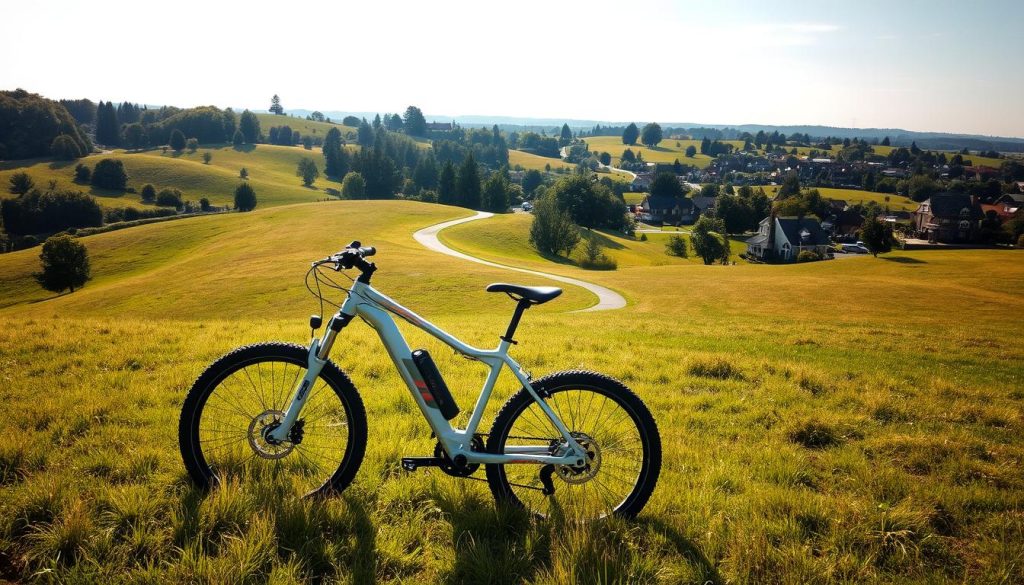
Rough trails demand fat tires and robust suspension. Urban commuters benefit from lightweight frames and integrated lights. Consider elevation changes—steep hills require higher torque motors (50Nm+) for consistent power.
Exercise goals matter too. Models with adaptive pedal assist let you dial down motor support gradually. This builds stamina while maintaining movement consistency. A 2023 University of Colorado study found riders using variable modes improved cardio health 22% faster than static users.
Test Ride Like a Pro
Cycling expert Lena Torres advises: “Spend 15 minutes minimum on varied surfaces. Feel how the motor responds when accelerating from stops.” Bring essentials like bags or helmets during trials to assess real-world handling.
Compare long-term costs against alternatives. While cars average $9,000 yearly in fuel and insurance, quality models pay for themselves in 18 months for 10-mile daily commutes. Maintenance runs 75% cheaper than gas vehicles over five years.
Prioritize these test points:
- Battery removal ease for apartment charging
- Display readability in sunlight
- Gear shift smoothness under motor load
Smart choices balance immediate needs with future lifestyle shifts. Whether conquering gravel paths or streamlining errands, the right fit enhances daily life without breaking budgets.
Real-World Use Cases: From Mountain Trails to Daily Commuting
From rocky paths to gridlocked streets, modern pedal-assisted machines prove their adaptability. Riders across America share how these vehicles transform commutes and weekend adventures alike.
Success Stories in Challenging Terrains
Colorado mountain bikers tackled 15% grade trails using torque-sensing motors. One group reduced uphill effort by 40% while maintaining 12 mph speeds. Their 20-mile loop became achievable for casual riders, not just experts.
Trail maintenance crews now use cargo models to haul tools up remote routes. One park ranger reported saving 3 hours weekly compared to hiking supplies manually.
Experiences from Urban and Suburban Riders
Seattle commuters slashed travel times by 35% using bike lane shortcuts. A teacher avoids highway traffic by cutting through parks, arriving fresher for morning classes. “I recharge while riding,” she notes, “without sweating through work clothes.”
| Route Type | Car Time | Pedal-Assist Time | Savings |
|---|---|---|---|
| Downtown (5 miles) | 28 mins | 19 mins | 32% faster |
| Suburb to Office (8 miles) | 42 mins | 31 mins | 26% faster |
| School Zone (3 miles) | 15 mins | 11 mins | 27% faster |
Suburban parents appreciate adjustable power for grocery runs. A Denver dad combines school drop-offs with exercise: “I use low assist going out, then boost it when loaded with bags.” Families report saving 7 weekly driving hours through strategic trips.
These stories highlight how diverse riders optimize efficiency. Whether dodging traffic or exploring wilderness, adaptable technology meets real-life demands.
Bringing Everything Together: Making the E-Bike Decision
Choosing modern transportation means balancing innovation with your daily routine. Motor-assisted cycles excel on steep hills and long commutes, while traditional bikes demand more physical effort. Adjustable power levels let riders customize workouts or conserve energy for challenging terrain.
Technological advances make these machines cleaner alternatives to cars. They cut emissions by 85% compared to gas vehicles while offering exercise benefits. Maintenance costs run lower than car ownership, though battery replacements add to long-term expenses.
Consider your local landscape first. Frequent hills? Look for high-torque motors. Flat suburbs? Prioritize battery range. Usage levels matter too—daily commuters benefit most from pedal assist features. Those rebuilding fitness can gradually reduce motor support as stamina improves.
Match your goals to the right model. Test rides reveal how different systems handle your routes. Use this guide’s cost comparisons and tech insights to navigate your options. Whether conquering mountain trails or simplifying errands, the perfect fit awaits those who weigh priorities carefully.