
Electric bicycles have changed how we move around cities. They offer a green and efficient way to travel. Knowing how long an e-bike battery lasts is key for anyone thinking of buying one.
Today’s e-bike fans look for dependable performance and clear range expectations. Thanks to better battery tech, riders can go further with more confidence. The exact distance depends on the bike model and how you ride it.
Several things affect how well a battery works. These include how heavy you are, the terrain, the assist mode, and the battery’s quality. For serious riders and commuters, knowing their e-bike’s battery life is essential. It helps plan their routes and manage what to expect on their daily rides.
This guide will dive into the details of electric bicycle battery tech. It aims to help you get the most out of your rides and understand the important aspects of battery life for electric bicycles.
Understanding E-Bike Battery Fundamentals and Technology
Electric bicycles have changed how we travel, thanks to lithium-ion battery packs. These batteries make e-bikes efficient and reliable for different rides.
Today’s e-bikes use advanced battery tech for better range and performance. Knowing about battery systems helps riders choose the best e-bike.
Types of Lithium-Ion Battery Packs
Lithium-ion battery packs vary in type, each with its own features:
- Lithium Nickel Manganese Cobalt (NMC)
- Lithium Iron Phosphate (LFP)
- Lithium Polymer (LiPo)
Voltage and Amp-Hour Ratings Explained
Battery capacity affects an e-bike’s performance and how far it can go. Voltage and amp-hour ratings show a battery’s power:
| Rating Type | Description | Impact on Performance |
|---|---|---|
| Voltage | Electrical pressure | Determines motor power |
| Amp-Hours | Total energy storage | Indicates riding range |
Modern Power Management Systems
Advanced power systems manage battery performance by watching temperature, charge cycles, and energy use. These smart systems help batteries last longer and stay safe.
To get the most from your e-bike, learn about these battery basics. Choose the right lithium-ion battery packs for your ride.
Battery Life for Electric Bicycles: Real-World Performance Factors
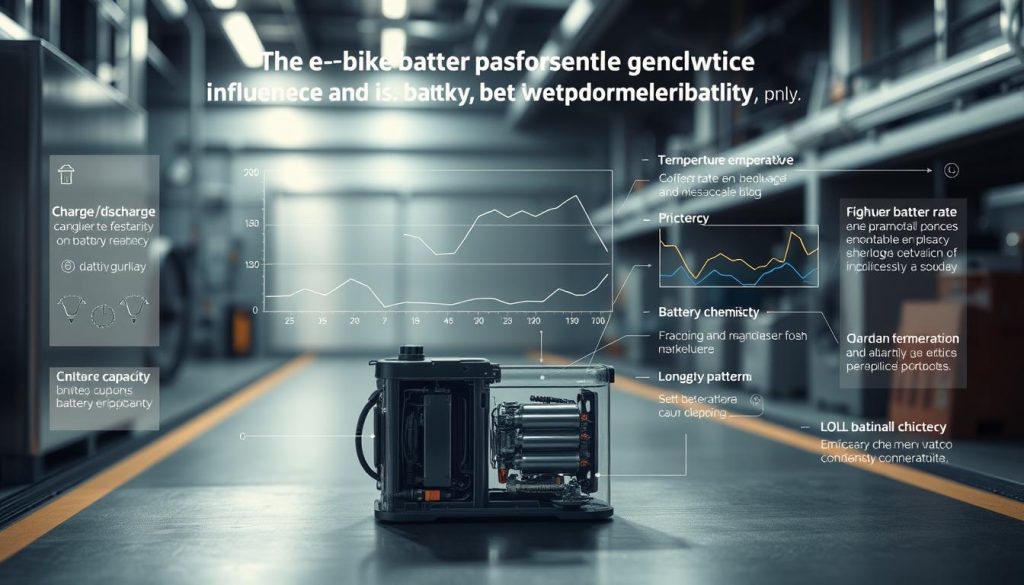
Electric bicycle battery life is affected by many real-world factors. These factors can greatly change how far an e-bike can go and how efficient it is. Knowing these variables helps riders get the most out of their battery and plan better rides.
Rider weight is a big factor in battery use. Heavier riders need more energy to move the e-bike, which shortens battery life. For example, a rider weighing 180 pounds might see different battery performance than someone lighter.
- Terrain dramatically influences battery life for electric bicycles
- Steep hills consume more energy than flat surfaces
- Rough or unpaved roads increase power demand
Weather also affects e-bike range. Cold weather can cut battery efficiency by up to 30%. Hot weather can also damage the battery faster. Riders should expect less energy efficiency in extreme temperatures.
Riding style also matters a lot. Fast starts, constant high speeds, and lots of stops use up the battery quickly. Riding smoothly, at a steady pace, with some electric help can make the battery last longer.
| Performance Factor | Impact on Battery Life |
|---|---|
| Rider Weight | Direct energy consumption increase |
| Terrain | Higher energy demand on challenging surfaces |
| Weather | Potential 30% efficiency reduction |
Smart riders adjust their riding to get the most from their e-bike battery. It’s not just about the battery itself, but how it’s used in different situations.
Maximizing Your E-Bike’s Range and Energy Efficiency
To get more out of your e-bike, plan ahead and ride smart. Knowing how to use your bike well can make your battery last longer. This means you can ride farther and have more fun.
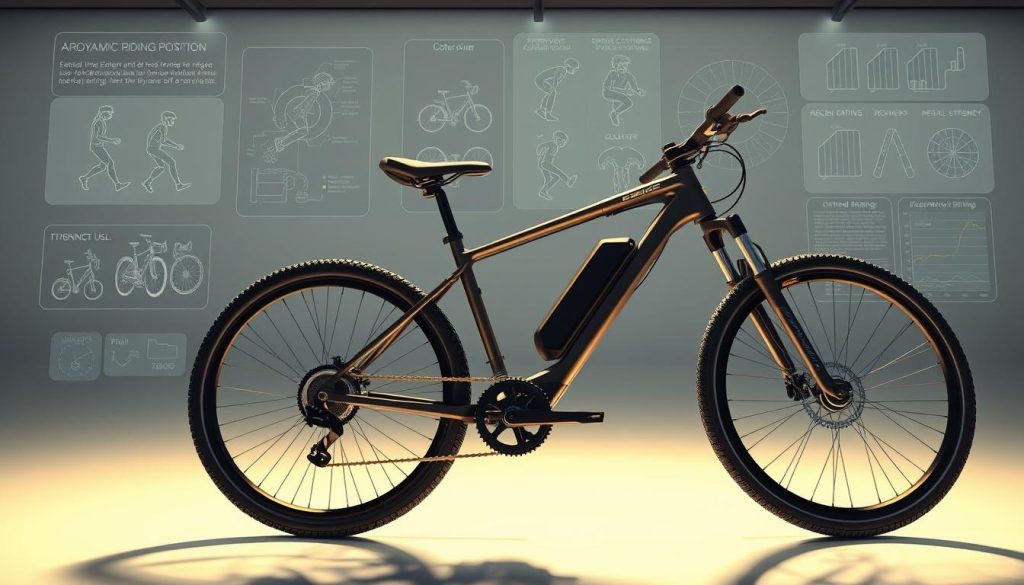
Improving your e-bike’s range is all about mastering a few key areas. These areas affect how far you can go and how well your battery works.
Optimal Riding Techniques
Good riding habits are key to better range and efficiency. Here are some tips to help:
- Keep pedaling steady to save battery
- Use lower power modes when you can
- Don’t speed up or brake hard suddenly
- Position yourself to cut down on wind resistance
Understanding Regenerative Braking Benefits
Regenerative braking is a cool tech that captures energy when you slow down. It turns that energy back into power for your bike. This can add a bit to your ride’s range.
| Regenerative Braking Feature | Energy Recovery Potential |
|---|---|
| Downhill Energy Capture | 3-5% range extension |
| Stop-and-Go Urban Riding | 2-4% energy recapture |
Weather and Terrain Considerations
Things outside your control can also affect your bike’s range. Here’s how different conditions can impact your battery:
- Cold weather can cut battery power by 10-20%
- Headwinds make you use more energy
- Steep hills need more power from your battery
- Keeping tires inflated right reduces resistance
By using these tips, you can make your e-bike go further. You’ll also use less energy and enjoy your rides more.
Essential Battery Maintenance and Care Tips
Keeping your electric bike’s battery in top shape is key. Knowing how to care for your battery can make it last longer. This ensures you get the most out of your ride.
Start with smart charging. The number of times you charge your battery affects its health. It’s best to keep it charged between 20% and 80%. Don’t let it drain completely or stay fully charged for too long.
- Use the original charger provided with your e-bike
- Store batteries in a cool, dry environment
- Avoid extreme temperatures during charging
- Clean battery contacts regularly with a dry cloth
Seasonal care is also vital. In winter, keep your battery indoors. If you won’t ride for weeks, charge it to 50% and check it often.
Regular checks can stop problems before they start. Look for wear, check connections, and make sure it’s mounted right. With care, lithium-ion batteries can last 2-4 years.
- Inspect battery connections monthly
- Keep battery firmware updated
- Follow manufacturer’s specific maintenance guidelines
By following these tips, you’ll get the best out of your e-bike. Your battery will stay healthy, and your rides will be better.
Common Battery Issues and Troubleshooting Solutions
E-bike owners often face battery performance challenges that cause range anxiety. Knowing common battery issues helps riders keep their batteries in top shape. This extends their e-bike’s life.
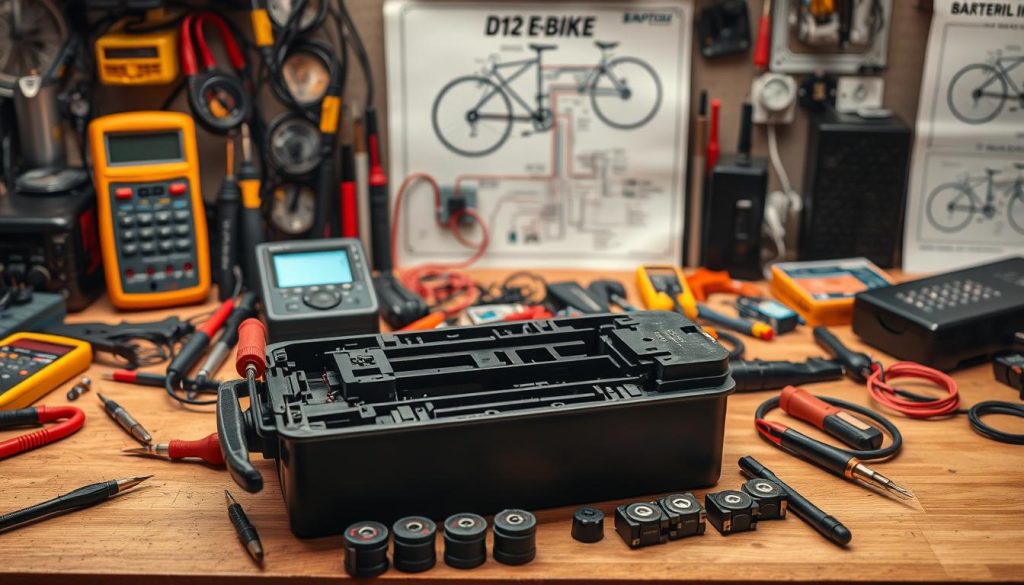
Spotting battery problems early can avoid breakdowns and expensive fixes. E-bike batteries need regular checks and care.
Identifying Battery Health Problems
Look out for these signs that your e-bike battery might need attention:
- Significant reduction in range
- Slower charging times
- Unexpected power drops during rides
- Physical damage or swelling
- Unusual heating during charging
When to Replace Your Battery Pack
Battery capacity decreases with age. Here’s a quick guide for when to replace your battery:
| Battery Age | Performance Indicator | Recommended Action |
|---|---|---|
| 1-2 years | Minor capacity loss | Monitor performance |
| 2-3 years | 20-30% capacity reduction | Consider replacement |
| 3+ years | Significant performance decline | Replace battery pack |
Storage Best Practices
Proper storage keeps your battery in good shape. Store your e-bike battery in a cool, dry place between 50-70°F. Keep it at 40-60% charge when not in use.
- Avoid extreme temperatures
- Keep battery away from direct sunlight
- Charge to partial capacity before long-term storage
- Use original manufacturer chargers
By following these tips, riders can reduce range anxiety. They can also keep their e-bike battery working well for longer.
Latest Innovations in E-Bike Battery Technology
The world of electric bikes is changing fast. New lithium-ion battery packs are making rides better. Tech companies are working on power systems that will give you more range, charge faster, and perform better.
New battery tech, like solid-state batteries, is a big leap forward. They pack more energy, are safer, and stay cooler. Big names like Tesla and Panasonic are leading the way in this exciting area.
Smart power systems are coming too. They use sensors to make batteries work better in real time. This means better energy use, alerts for maintenance, and more efficiency. Artificial intelligence is also being used to make batteries last longer and give riders more info about their bike’s energy use.
The future of e-bike batteries is bright. With more research, we’ll see lighter, stronger, and greener batteries. These will keep making electric bikes better and more reliable for all of us.