
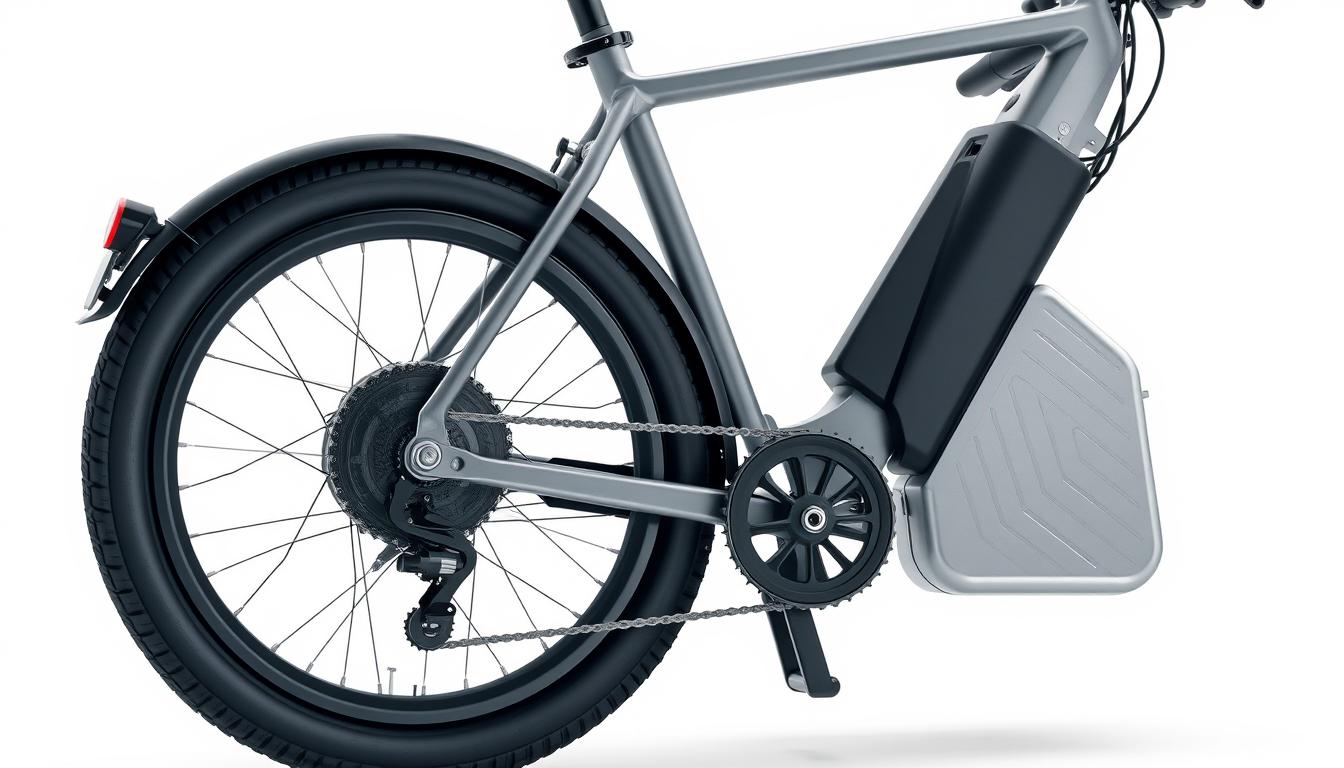
Electric bikes blend pedal power with smart technology to transform everyday rides. Unlike traditional bicycles, these innovative machines use a motor and battery to amplify your effort. This means tackling hills or long commutes feels effortless, while still letting you stay active.
Modern e-bikes come in diverse styles, from sleek city commuters to rugged mountain models. Whether you’re navigating urban streets or exploring trails, there’s a design to match your lifestyle. The motor’s assistance adjusts to your pace, offering flexibility for fitness routines or leisurely adventures.
Choosing an e-bike isn’t just about convenience—it’s a step toward eco-friendly transportation. Reducing carbon emissions and traffic congestion becomes simpler when swapping car trips for electric cycling. Plus, regular rides improve cardiovascular health without the strain of conventional biking.
Understanding core components like the hub motor, battery range, and controller helps maximize your experience. Test-riding different classes and power levels ensures you find the right fit. Local bike shops provide expert insights to match your needs with the perfect model.
Ready to discover how an electric bike can elevate your daily routine? Let’s dive into the details.
Getting Started with Electric Bicycles
Imagine gliding up steep roads without breaking a sweat—that’s the magic of pedal-assist technology. Electric bikes amplify your pedaling effort through a motor and battery, making challenging terrain feel manageable. This feature opens cycling to riders of varying fitness levels, from weekend explorers to daily commuters.
Why Choose an E-Bike?
E-bikes remove barriers to cycling. Older adults can maintain mobility, while busy professionals skip traffic with throttle-assisted speed. Parents haul groceries effortlessly, and fitness enthusiasts customize workout intensity by adjusting motor power.
Test rides matter. Visit local shops to compare how different models handle hills or city streets. Pay attention to battery life—higher-capacity options support longer adventures. Mid-drive motors excel on trails, while hub motors suit flat urban routes.
Switching from a car to an e-bike slashes fuel costs and reduces emissions. Many riders save hundreds annually while enjoying fresh air. Accessories like racks or lights add versatility for errands or evening rides.
Experts recommend prioritizing comfort and intended use. A step-through frame simplifies mounting, while suspension improves off-road stability. With the right e-bike, every ride becomes an opportunity to explore further and stress less.
Beginner’s Guide to Electric Bicycles: How They Work & Why You Need One
Electric bikes use a smart blend of mechanics and electronics to enhance your ride. When you pedal, sensors detect your movement and signal the motor to kick in. This teamwork between human effort and machine power lets you conquer steep hills or headwinds without exhaustion.
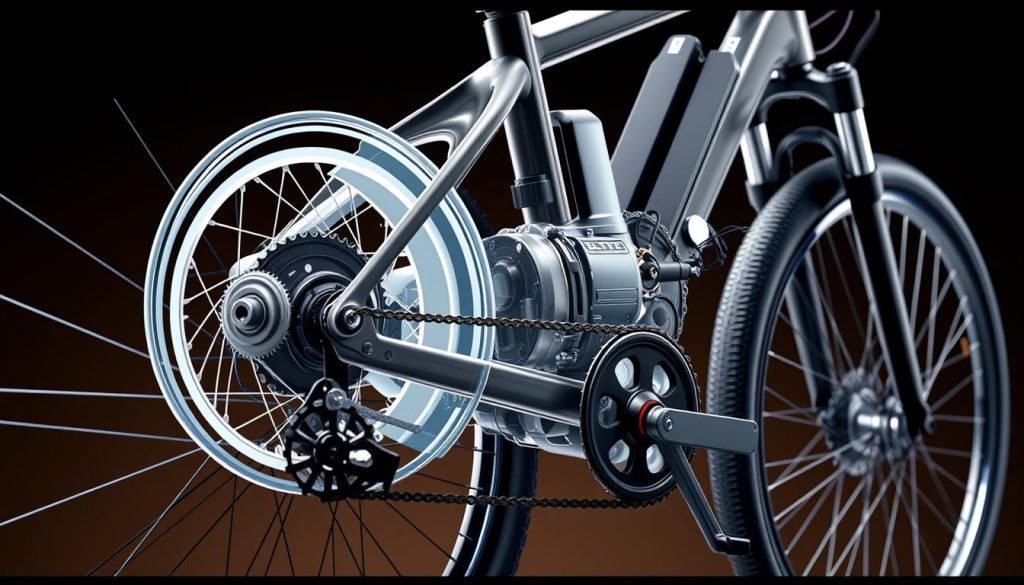
The Science Behind Electric Assistance
Lithium-ion batteries fuel the system, storing energy for 20-80 mile rides depending on terrain. A controller acts like a brain, adjusting motor output based on sensor data. Cadence sensors measure pedal rotations, while torque sensors gauge how hard you’re pushing.
Most motors deliver 250-750 watts of power, boosting speeds up to 28 mph in Class 3 models. Riders choose assistance levels—eco mode for battery conservation or turbo for steep climbs. Unlike a regular bike, you maintain higher speeds with less strain, keeping your heart rate in a healthy zone.
| Class | Max Speed | Pedal Assist Required? |
|---|---|---|
| 1 | 20 mph | Yes |
| 2 | 20 mph | No (throttle) |
| 3 | 28 mph | Yes |
Popular models like Trek’s Allant+ use mid-drive motors for balanced weight distribution. The system responds instantly to terrain changes—more power for gravel paths, less on smooth roads. You still get exercise, just with fewer sweat stains!
This tech isn’t magic—it’s physics. By amplifying your pedaling force, components work together to make every ride adaptable. Whether commuting or trail-hopping, you control the adventure.
Exploring E-Bike Components and Technology
Modern e-bikes combine precision engineering with smart systems to deliver smooth rides. Let’s break down the tech that powers these machines.
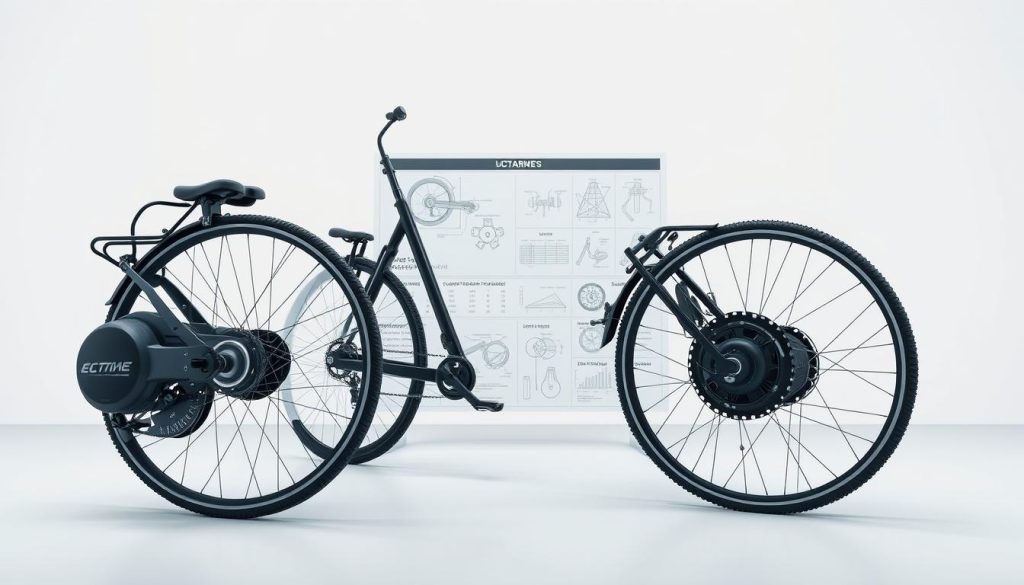
The Electric Motor and Its Types
Motors determine how your bike handles terrain. Hub motors sit in the wheel, offering quiet operation on flat roads. Mid-drive systems mount near the pedals, improving balance for off-road climbs.
| Motor Type | Best For | Power Range |
|---|---|---|
| Hub Motor | City commuting | 250-500W |
| Mid-Drive | Mountain trails | 350-750W |
Bosch’s Performance Line CX mid-drive delivers 75Nm torque for steep trails. Shimano’s STEPS E8000 adjusts power based on pedal pressure.
Understanding Battery Performance
Lithium-ion batteries store 400-700Wh, enough for 40-80 miles. Higher voltage (36V-52V) systems maintain speed on hills. Recharge times range from 3-7 hours.
Role of Sensors and Controllers
Controllers manage power flow using data from cadence and torque sensors. They adjust assistance levels instantly—like reducing motor input when you brake. This coordination prevents battery drain and ensures safety.
Specialized’s Turbo Vado uses a proprietary controller to balance range and speed. The system prioritizes efficiency, extending rides by 15% compared to standard models.
Navigating E-Bike Types and Riding Styles
E-bikes adapt to your adventures, whether carving mountain trails or zipping through downtown. The right design matches your terrain and riding habits, blending power with precision. Let’s explore how different models excel in specific environments.
Full Suspension vs. Hardtail for Mountain Riding
Full-suspension e-MTBs like the Turbo Levo by Specialized absorb bumps on rocky paths. Dual shock absorbers keep tires grounded, improving control during descents. These bikes handle jumps and roots better but weigh 5-8 lbs more than hardtails.
Hardtail designs, such as the Trek Powerfly, feature front suspension only. They’re lighter and more responsive on uphill climbs. Riders gain agility for technical trails without the bulk of rear shocks.
| Terrain | Suspension Type | Best For | Weight |
|---|---|---|---|
| Rugged trails | Full suspension | Downhill control | 48-55 lbs |
| Mixed trails | Hardtail | Climbing efficiency | 42-47 lbs |
Hybrid and Road E-Bikes for Commuters
Hybrid models like the Giant FastRoad mix speed with comfort. Wide tires handle potholes, while upright seating reduces back strain. These bikes often include racks and lights for errand-running.
Road e-bikes prioritize speed with slim frames and 28mm tires. The Cannondale Quick Neo hits 28 mph in Class 3 mode, ideal for long commutes. Mid-drive motors optimize battery life, offering 60+ miles per charge on eco settings.
Key features for city riders:
- Step-through frames for easy mounting
- Integrated locks and GPS tracking
- 500Wh+ batteries for multi-day use
Practical Tips for E-Bike Maintenance and Safety
Keeping your ride smooth and safe requires smart habits. Regular care prevents costly repairs and ensures peak performance. Let’s explore key strategies to protect your investment and enhance every journey.
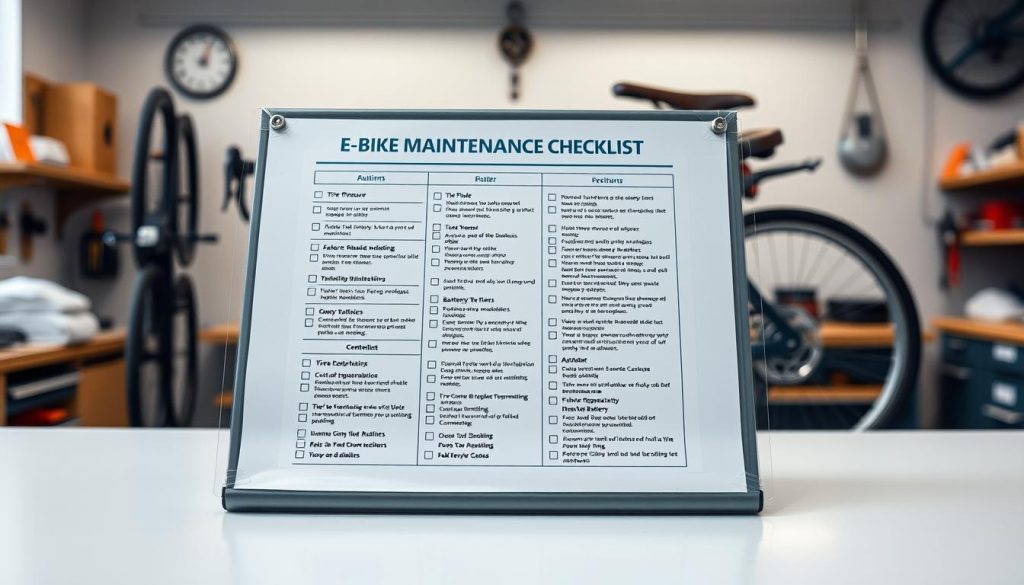
Routine Maintenance and Component Care
Start with quick post-ride checks. Wipe the frame with a damp cloth and mild detergent to remove dirt. Lubricate the chain weekly to prevent rust and ensure smooth shifting.
Monthly tasks matter most:
- Check tire pressure (35-50 PSI for city bikes)
- Inspect brake pads for wear
- Test battery connections
| Task | Frequency | Impact on Performance |
|---|---|---|
| Chain cleaning | Every 2 weeks | Reduces motor strain by 18% |
| Battery charge | After each use | Extends lifespan to 800+ cycles |
| Professional tune-up | Twice yearly | Identifies controller issues early |
Store your bike in dry areas and remove batteries during long storage. This prevents corrosion and preserves power capacity.
Safe Riding Practices and Essential Gear
Always wear a helmet—even for short trips. Use front/rear lights during dawn, dusk, or night rides. Reflective clothing boosts visibility in urban traffic.
Follow these rules for different terrains:
- City: Maintain 3-second following distance
- Trails: Reduce assistance levels on wet surfaces
Carry a compact toolkit with tire patches and a multi-tool. Add a first-aid kit for longer adventures. Check brake responsiveness before steep descents to prevent overheating.
Wrapping Up Your E-Bike Journey
Embracing an e-bike transforms daily commutes into effortless adventures. These machines merge pedal power with intelligent motors, letting riders conquer hills and long distances without strain. Their eco-friendly design cuts carbon footprints while offering a practical alternative to cars.
Key components like lithium batteries and torque sensors work seamlessly to adjust assistance levels. Regular maintenance—like chain lubrication and brake checks—keeps your ride smooth and safe. Storing the bike properly extends battery life, ensuring reliable performance for years.
Your riding style determines the best model. City commuters thrive with lightweight hub motors, while trail enthusiasts benefit from mid-drive systems. Test rides help match features like suspension or battery range to your needs.
Beyond convenience, e-bikes make fitness enjoyable. You control the workout intensity by adjusting motor support. Whether running errands or exploring nature, every trip becomes an opportunity to stay active.
Ready to join the electric revolution? Visit local shops for personalized advice or explore detailed guides to refine your choice. The road ahead looks exciting—and effortlessly accessible.