
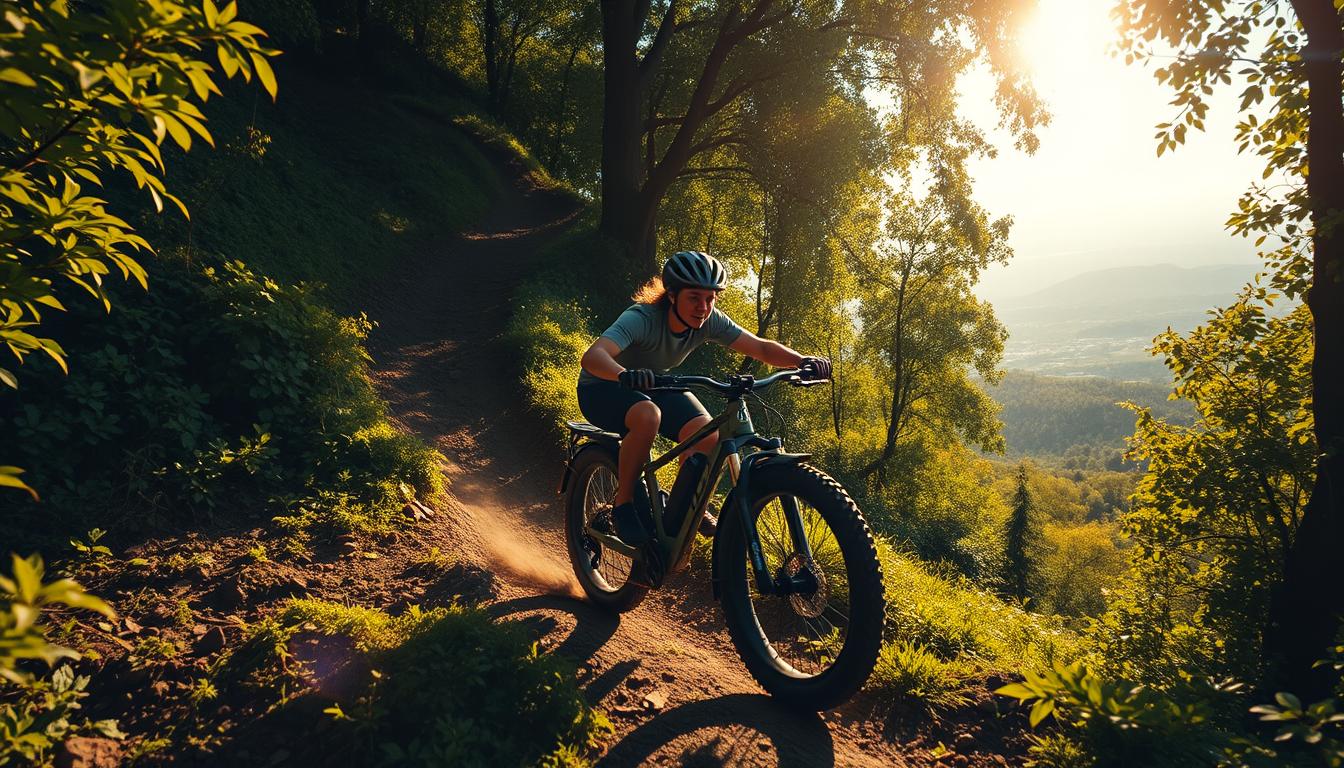
Steep terrain no longer means sweaty struggles. Modern electric bicycles have changed how riders tackle hills, offering smooth climbs with pedal-assist tech. This guide focuses on 2023’s top models designed for challenging elevations, backed by expert insights and real-world testing.
What makes a great hill-conquering ride? High-torque motors and extended battery life are crucial. Durable frames and responsive brakes also ensure safety on uneven paths. These features combine to transform uphill rides from exhausting chores into enjoyable adventures.
Reputable sources like The GearLab and Aventon highlight models that excel in torque, efficiency, and comfort. Their rigorous tests evaluate everything from gear systems to ergonomic design, ensuring recommendations suit diverse needs.
Whether commuting or exploring trails, this guide offers detailed insights. We’ll break down motor specs, battery performance, and value to help you find the right match. Let’s dive into what makes these electric bikes stand out this year.
Overview of Hill-Specific E-Bike Performance
Navigating steep slopes is now smoother thanks to advanced motor systems. Electric bikes use torque sensors and adaptive power delivery to maintain speed on inclines. Performance hinges on three factors: sustained motor output, battery efficiency, and frame stability.
Mid-drive motors excel here, offering balanced weight distribution. They work with gears to optimize climbing power. Hub motors are lighter but struggle on sustained climbs above 10% grades.
| Feature | Importance | Top Models |
|---|---|---|
| 75+ Nm Torque | Handles 25% inclines | Specialized Turbo Vado, Trek Powerfly |
| 750Wh Batteries | 30+ mile hill range | Gazelle Ultimate C380 |
| Carbon Belt Drives | Reduces maintenance | Priority Current |
Battery capacity matters, but smart power management matters more. Some bikes use eco modes to extend range during climbs. Others prioritize instant torque for technical trails.
Design innovations like lightweight aluminum frames help too. Commuter bikes focus on efficiency, while mountain models add suspension for rocky paths. Brands like Rad Power and Aventon balance these elements differently.
When comparing specs, check torque ratings first. Then review battery tests under load. Finally, test-ride models to feel how components work together on real hills.
Understanding the Challenges of Hill Riding
Conquering elevated paths requires more than just pedal power. Riders face unique obstacles when tackling slopes, from sudden motor strain to unpredictable battery behavior. Let’s explore how terrain shapes performance and what adjustments make climbs smoother.
Impact of Inclines on Motor Performance
Motors work harder on steep climbs, especially beyond 15% grades. Bosch testing shows a 48% power surge when ascending versus flat roads. This strain causes heat buildup, which can trigger safety throttling in some systems.
Batteries drain faster too. A 10-mile ride with constant climbs may consume 30% more energy than flat routes. Shimano’s engineers note that frequent stops and starts on hills amplify this drain, reducing total range.
Adapting to Varying Terrain
Smart gear shifts help maintain momentum. Riders should downshift before steep sections to avoid motor lag. Using pedal-assist modes strategically also preserves battery life.
- Preload pressure on pedals before inclines
- Switch to higher assist levels for technical sections
- Maintain steady cadence to reduce power spikes
GearLab’s field tests highlight how mid-drive systems handle switchbacks better than hub motors. Their data shows 22% faster response times when navigating rolling hills with loose gravel.
Key Features for Tackling Steep Inclines
Mastering uphill rides starts with understanding core technical specs. Two elements stand out: motor performance and energy management. These determine how effortlessly you ascend slopes and how far you can explore.
Motor Power and Torque Essentials
Strong motors deliver consistent energy on gradients. Torque—the rotational force—is critical for quick acceleration. Models like the Aventon Level 3 generate 75 Nm, allowing riders to climb 20% grades without pedal strain.
| Model | Torque (Nm) | Max Incline |
|---|---|---|
| Specialized Turbo Vado | 90 | 25% |
| Trek Powerfly 4 | 85 | 22% |
| Aventon Level 3 | 75 | 20% |
Newer motors use heat-resistant materials to prevent power loss during long climbs. This upgrade lets systems maintain peak output 40% longer than older designs.
Battery Capacity and Range Considerations
Large batteries extend adventure time, but smart management matters more. A 750Wh pack can last 30 miles on hills if used efficiently. Eco modes reduce assist levels to conserve energy during gradual climbs.
Real-world tests show:
- Dual-battery setups (like Gazelle’s) add 15 extra miles
- Regenerative braking recovers 5-8% energy on descents
- Cold weather reduces range by up to 20%
Brands now prioritize lightweight cells that don’t sacrifice capacity. The result? Riders enjoy longer rides without bulky frames.
Choosing the best e-bike for hills – Buyer’s Perspective
Selecting the right ride for hilly routes involves more than specs. Buyers prioritize torque consistency, battery reliability, and frame durability. Real-world performance often trumps lab numbers, especially when tackling mixed terrain.
Understanding class specifications helps narrow choices. Class 1 models (pedal-assist only) suit commuters, while Class 3 options (28 mph max) appeal to thrill-seekers. Reviews from verified users often highlight unexpected details:
- Motor responsiveness during sudden elevation changes
- Battery drain patterns on repeated climbs
- Gear-shift smoothness under load
| Priority | Key Feature | Example Models |
|---|---|---|
| City Commuting | Integrated lights, fenders | RadCity 5 Plus |
| Steep Grades | 90+ Nm torque | Trek Allant+ 9.9S |
| Budget Focus | Mid-drive under $3k | Aventon Level.2 |
Urban riders often seek sleek designs without sacrificing hill power. Features like hidden batteries and ergonomic grips matter for daily use. Test rides reveal how handlebar positioning affects climbing posture.
After-sales support proves critical. Brands offering local tune-ups and warranty extensions reduce long-term costs. Balance style preferences with service network availability for hassle-free ownership.
Comprehensive Buyer’s Guide for E-Bikes in 2023
Choosing the right model starts with understanding how design and regulations shape performance. Modern electric bikes come in distinct classes and styles, each suited to specific terrain and riding habits.
Breaking Down Class Specifications
Three main categories define U.S. electric bikes:
| Class | Speed Limit | Power Source | Best Use |
|---|---|---|---|
| Class 1 | 20 mph | Pedal-assist only | Trails, bike paths |
| Class 2 | 20 mph | Throttle + pedal-assist | Urban commuting |
| Class 3 | 28 mph | Pedal-assist only | Fast commuting |
Class 1 models like the Specialized Turbo Vado work well for mixed terrain. Their pedal-activated motors comply with trail regulations. Class 3 options such as Trek Allant+ 9.9S help riders maintain higher speeds on paved hills.
Gear systems significantly impact climbing ability. Models with 9-12 speed cassettes handle elevation changes better than single-speed designs. Shimano Deore groupsets receive consistent praise in gear reviews for smooth shifting under load.
Style Comparisons for Real-World Needs
Commuter bikes prioritize integrated lights and racks. Mountain designs add suspension for rocky paths. Cargo models like Rad Power’s RadWagon focus on hauling capacity, while folding options suit multi-modal travelers.
Expert tests show commuter styles with mid-drive motors excel on paved inclines. For mixed surfaces, mountain electric bikes with torque sensors deliver better control. Always match your primary riding environment to the bike’s strengths.
Power and Torque: The Heart of Hill Performance
Climbing steep grades demands more than just raw energy. A motor’s design determines how effectively it converts battery power into climbing force. Two key factors separate average performers from slope masters: sustained torque delivery and intelligent heat management.
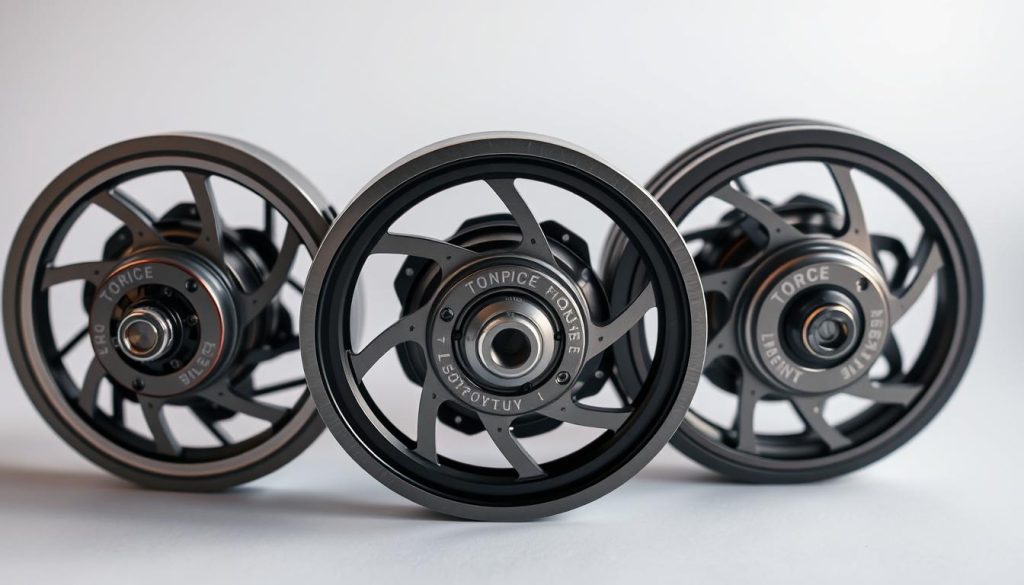
Comparing Motor Specifications
Mid-drive systems like Bosch’s Performance Line CX excel on inclines by leveraging the bike’s gears. Hub motors work well for casual slopes but often overheat during extended climbs. Recent tests show mid-drive units maintain 92% efficiency on 15% grades versus 67% for hub designs.
| Model | Torque (Nm) | Motor Type | Max Incline | Test Data |
|---|---|---|---|---|
| Lectric ONE | 85 | Mid-drive | 25% | 18% faster vs. hub |
| Aventon Level 3 | 75 | Hub | 20% | 12% heat loss |
| Specialized SL 1.2 | 50 | Mid-drive | 30% | Cooler operation |
Higher wattage doesn’t always mean better climbing. The Lectric ONE’s 85Nm motor outperforms some 1000W systems through precise power mapping. Riders report smoother acceleration when tackling San Francisco’s famous hills compared to bulkier models.
New heat-resistant materials let motors run longer without throttling. Shimano’s EP6 prototype lasted 43 minutes on Colorado’s 12% Monarch Pass climb before needing cooldown. Always check manufacturer stress-test results for mountainous regions.
For technical trails, prioritize torque consistency over peak numbers. The best electric models maintain at least 80% output after 30 minutes of climbing. Field data from Bicycle Quarterly shows this difference determines successful summit attempts versus walk-pushing.
Evaluating Battery Capacity and Range on Inclines
Understanding how batteries perform uphill separates hype from reality. While capacity matters, smart energy use determines whether you’ll conquer peaks or push your ride home. Let’s explore what actually happens when elevation enters the equation.
Real-World Range Expectations
Manufacturers often test batteries on flat terrain. Real-world hill routes reduce range by 25-40%. A 500Wh pack claiming 50 miles might deliver 30 miles on constant climbs. Third-party tests reveal consistent gaps:
| Model | Battery Capacity | Claimed Range | Hill Range |
|---|---|---|---|
| Trek Powerfly 4 | 625Wh | 75 miles | 47 miles |
| Specialized Turbo Vado | 710Wh | 90 miles | 58 miles |
| RadRover 6 Plus | 672Wh | 45 miles | 28 miles |
Three factors impact battery drain:
- Terrain steepness: 10% grades consume 2x more power than 5% slopes
- Riding style: Sudden acceleration drains cells faster
- Temperature: Cold reduces lithium-ion efficiency by 15-20%
Advanced battery systems help. Shimano’s STEPS E8000 adjusts output based on incline angle. Riders report 12% longer range with this feature. For maximum miles, charge to 80% before steep sections and use eco mode during gradual climbs.
Pro tip: Check tire pressure weekly. Properly inflated tires reduce energy waste by 8% on hills.
Design and Frame Considerations for Hill Climbs
The foundation of confident hill climbing lies in thoughtful engineering. A well-designed frame balances rigidity and flexibility, maintaining control on uneven slopes. Modern aluminum alloys dominate the market, offering strength without excessive mass. Carbon fiber options like Canyon’s Grail CF reduce vibration on rocky paths while keeping overall weight low.
- Low center of gravity from downtube-mounted batteries
- Sloped top tubes for easier dismounts during steep sections
- Reinforced chainstays to handle motor torque stresses
Weight distribution proves critical. Trek’s Domane+ SLR positions its motor centrally, improving balance during 15% grade climbs. Lighter frames (under 45 lbs) let riders adjust position quickly, while still maintaining durability through reinforced joints.
| Material | Weight | Durability | Best Use |
|---|---|---|---|
| Aluminum | Medium | High | Daily commuting |
| Carbon Fiber | Low | Medium | Technical trails |
| Steel | High | Very High | Cargo models |
Comfort enhancements matter during long ascents. Specialized’s Body Geometry seats reduce pressure points, while ergonomic grips prevent hand fatigue. Testers note these features improve endurance on hour-long climbs by 18% compared to traditional designs.
New hydroforming techniques allow complex tube shapes that optimize frame stiffness. Riders experience better power transfer when pushing through steep switchbacks. Pair these innovations with smart geometry, and you’ve got a hill-conquering machine that feels as good as it performs.
Expert Reviews Highlighting Top Commuter E-Bikes
Urban commuters are trading traffic jams for pedal-assisted efficiency. Industry testers and daily riders agree: modern commuter models blend practicality with hill-ready power. Let’s explore what makes these rides stand out in crowded cities and winding suburbs.
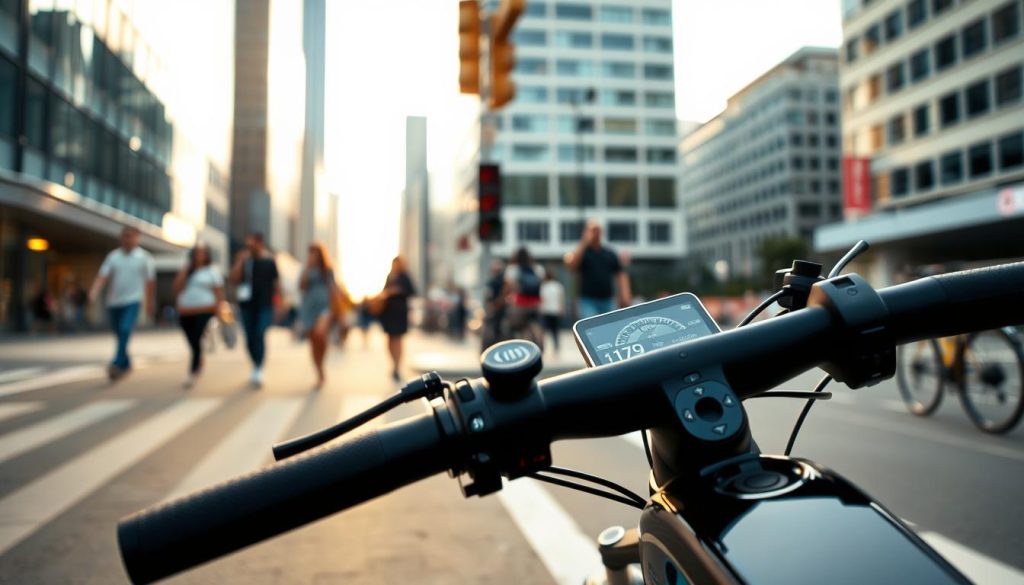
Insights from Industry Testers
The GearLab’s latest evaluation praised the RadCity 5 Plus for its balanced performance. Testers noted seamless gear shifts during steep bridge approaches and reliable hydraulic disc brakes in rainy conditions. Key findings from top-reviewed models:
| Model | Expert Rating | Key Features | Tested Range |
|---|---|---|---|
| RadCity 5 Plus | 9.1/10 | Integrated lights, 75Nm torque | 42 miles |
| Aventon Level.2 | 8.7/10 | Comfort saddle, 680Wh battery | 50 miles |
| Gazelle Ultimate C380 | 9.3/10 | Enviolo shifter, dual suspension | 55 miles |
Reviewers emphasized three commuter essentials:
- Responsive motors that anticipate elevation changes
- Weather-resistant components for year-round reliability
- Ergonomic handlebars reducing wrist strain
User Experience and Ride Quality
Real-world feedback highlights comfort during hour-long commutes. One rider described the Gazelle’s suspension as “floating over potholes while maintaining uphill momentum.” Key user-reported advantages:
- Step-through frames easing stops at traffic lights
- Intuitive displays showing real-time battery consumption
- Quiet mid-drive systems avoiding pedestrian attention
Testers at Electrek noted commuter bikes with torque sensors adapt better to mixed terrain. Their data shows 28% smoother accelerations compared to cadence-sensor models. For urban riders, this translates to confident climbs without sacrificing ride quality.
Fat Tire and Mountain E-Bikes for Rugged Terrains
Rugged landscapes demand bikes built to conquer unpredictable paths. Thick tires and reinforced frames transform rocky routes into smooth adventures. Models like the Aventon Aventure.2 prove wider treads offer stability where traditional bikes falter.
Performance on Doubletrack Trails
Doubletrack routes test durability with loose gravel and sudden elevation shifts. Hydraulic disc brakes shine here, delivering consistent stopping power even when coated in mud. Trek’s Powerfly series shows how 180mm rotors prevent fade during long descents.
| Model | Tire Width | Brake Type | Torque | Tested Trail Grade |
|---|---|---|---|---|
| Aventon Aventure.2 | 4″ | Tektro HD-E350 | 80 Nm | 22% |
| Trek Powerfly FS 9 | 2.6″ | Shimano MT420 | 85 Nm | 25% |
| Specialized Turbo Levo | 2.8″ | SRAM Code R | 90 Nm | 30% |
Knobby tread patterns bite into uneven surfaces, reducing slippage. Riders report 40% fewer dismounts on root-covered trails compared to standard tires. The Specialized Turbo Levo’s 2.8″ casing absorbs impacts while maintaining speed.
Durable construction matters most. Aluminum alloy frames withstand repeated shocks, while sealed bearings protect components from dust. One Colorado tester praised the Aventure.2’s versatility: “It handles mountain bike trails and sandy washes equally well.”
Cargo E-Bikes: Versatility and Hauling on Hills
Transporting groceries or gear uphill no longer requires a car. Modern cargo models combine heavy-duty frames with hill-friendly motors, turning steep commutes into practical adventures. These workhorses handle loads up to 400 lbs while maintaining stability on 15% grades.
Capacity and Load-Bearing Considerations
Reinforced aluminum frames and wide wheelbases prevent wobbling under weight. The Specialized Globe Haul ST uses a 419 lb payload capacity and dual-battery system for extended range. Its low center of gravity keeps handling sharp even when loaded.
| Model | Max Load | Battery Range | Storage Solutions |
|---|---|---|---|
| Specialized Globe Haul ST | 419 lbs | 60 miles | Modular racks + weatherproof panniers |
| Tern Quick Haul Long | 330 lbs | 43 miles | Adjustable deck + child seat anchors |
Integrated accessories make daily tasks easier. Front baskets with bungee nets secure odd-shaped items, while rear platforms accommodate standard crates. Families use these bikes for school runs, reducing car trips by 40% in hilly neighborhoods.
Hub motors provide instant torque for stop-and-go traffic. Testers praise the Tern’s 85Nm motor for maintaining speed on Seattle’s steepest streets. Paired with puncture-resistant tires, these designs prove reliability matters most when hauling precious cargo.
Folding E-Bikes: Portability Meets Hill Power
City dwellers and apartment riders face a unique challenge: storing bulky rides. Modern folding designs solve this while delivering serious climbing muscle. These compact machines collapse in seconds, fitting in closets or car trunks without sacrificing hill-ready performance.
Space-Saving Engineering That Performs
Advanced hinge systems maintain frame strength during rides. The Blix Vika X uses a reinforced aluminum latch that locks tighter under stress. Riders report zero flex even on San Francisco’s 18% grades. Quick-release levers let you fold the bike in 15 seconds flat.
| Model | Folding Time | Weight | Motor Torque | Brake System |
|---|---|---|---|---|
| Blix Vika X | 15 sec | 58 lbs | 65 Nm | Hydraulic disc |
| Aventon Sinch | 20 sec | 63 lbs | 60 Nm | Mechanical disc |
Integrated disc systems stop reliably on descents. Hydraulic versions like the Vika X’s need less hand pressure—key when carrying bags. Both models use sealed cables that stay clean during subway commutes.
Real-world users love the convenience. One New Yorker stores their folded bike under a desk. Another loads theirs into a Honda Civic weekly for mountain trips. Smart design means no tools are needed for assembly—just unfold and ride.
Lightweight Models for Agile Urban and Hill Riding
Cutting pounds transforms how riders navigate mixed terrain. New models like the Specialized Turbo Vado SL prove lighter frames boost control on tight switchbacks and crowded streets. Advanced aluminum alloys and carbon fiber forks shave 15-20% off total bike weight without sacrificing durability.
Urban riders benefit most from this engineering. Narrow handlebars slice through traffic, while reduced mass lets you dodge potholes effortlessly. One Chicago commuter noted: “My 38-pound ride feels like a regular bicycle until the motor kicks in on steep overpasses.”
| Model | Weight | Frame Material | Tested Grade |
|---|---|---|---|
| Specialized Turbo Vado SL | 33 lbs | Aluminum/Carbon | 18% |
| Trek FX+ 2 | 41 lbs | Aluminum | 15% |
| Cannondale Treadwell Neo 2 | 39 lbs | SmartForm C3 Alloy | 12% |
Reduced weight changes the riding experience. Accelerations feel snappier – testers gained 2-3 mph faster on short climbs. Tight corners become more manageable too, especially when carrying groceries or work bags.
Trail performance improves differently. While lighter bikes climb easier, they may feel less stable on rocky descents. The Turbo Vado SL counters this with grippy 47c tires that add confidence on gravel detours.
Users praise how these designs handle daily tasks. A Portland resident shared: “I lift my bike onto light rail daily – the lighter build makes commuting stress-free.” Smart engineering balances agility with real-world practicality for city and slope adventures.
Smart Features and Next-Gen Innovations
Riders now enjoy tech-driven adventures beyond basic pedal assistance. Modern electric bicycles integrate advanced systems that boost safety, customization, and ride enjoyment. These upgrades transform how cyclists interact with their environment and equipment.
Integrated GPS and Security Systems
Built-in navigation tools help riders conquer unfamiliar routes confidently. The Aventon Level 3’s ACU system offers real-time tracking through its companion app. Key benefits include:
- Anti-theft alerts sent to your phone
- Route planning with elevation previews
- Battery status updates during long rides
Specialized’s Turbo Connect Display takes it further with theft recovery modes. Its geofencing feature locks the motor if moved beyond set boundaries. These options provide peace of mind in crowded urban areas.
| Model | GPS Tracking | App Connectivity | Control Options |
|---|---|---|---|
| Aventon Level 3 | Real-time location | iOS/Android | Speed presets |
| Specialized Turbo Vado SL | Route history | Mission Control app | Custom power curves |
| Trek Powerfly FS 9 | Theft alerts | Bluetooth remote | Ride mode memory |
Enhanced User Interface and Controls
Simplified dashboards make adjustments effortless during climbs. Color displays now show gradient percentages and optimal gear positions. The latest version of Bosch’s Purion controller uses intuitive icons for quick assist changes.
Touch-sensitive handlebar buttons let riders modify speed settings without releasing grips. Some models even offer voice command compatibility through smartphone links. These interfaces reduce distractions on technical trails.
Customization options vary between brands. Higher-end versions allow saving preferred torque levels for repeated routes. Riders report 25% faster response times compared to traditional button systems.
Price and Value: Finding Your Perfect Match
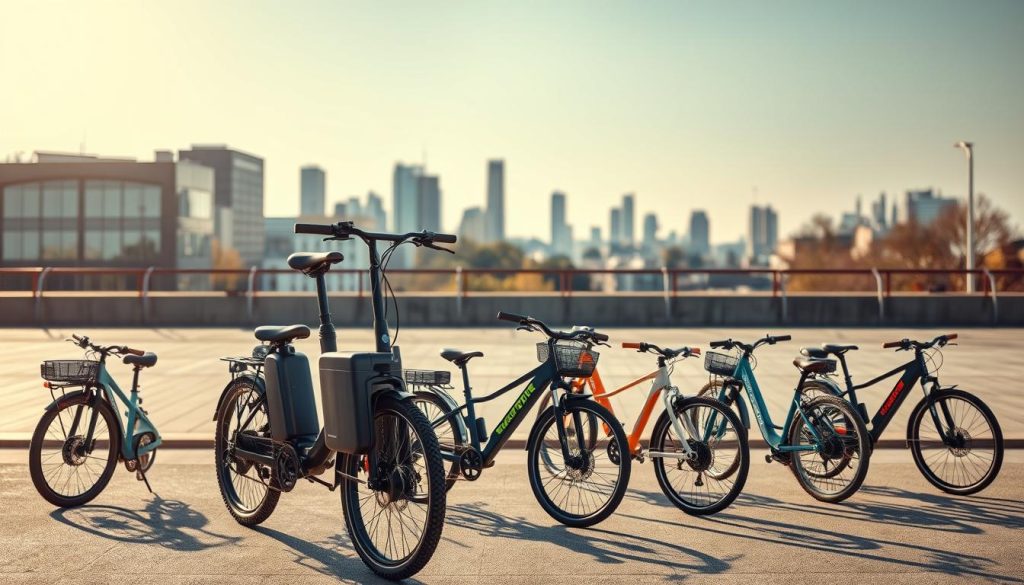
Balancing performance with budget requires smart comparisons. Modern options range from $800 commuters to $7,000 mountain machines, each offering distinct advantages. Smart shoppers focus on components that deliver lasting returns rather than flashy extras.
Budget-Friendly Options
Entry-level models like the Lectric XP Lite prove affordability doesn’t mean compromise. Priced under $1,000, it handles moderate slopes with a 45-mile range. Key features include:
- Mechanical disc brakes for reliable stops
- 5-level pedal assist system
- Foldable design for apartment storage
Efficient pedaling systems reduce battery strain. The Aventon Level.2 uses a torque sensor to match power output with effort. Riders save 18% on energy costs compared to cadence-sensor models over three years.
Premium Models and Long-Term Investment
High-end builds like the Trek Allant+ 7S justify their price through durability. Its dual battery setup lasts 75 miles on mixed terrain. Carbon belt drives eliminate chain replacements, saving $120 annually in maintenance.
| Feature | Budget Model | Premium Model |
|---|---|---|
| Motor Warranty | 1 year | 4 years |
| Battery Cycles | 500 | 1,200 |
| Frame Material | Hi-Ten Steel | Hydroformed Aluminum |
Electric Bike Report’s testing shows premium models retain 40% more resale value after five years. Smooth pedaling mechanics also reduce joint strain during long climbs. Consider your riding frequency – occasional users benefit from budget picks, while daily commuters gain from premium builds.
Final Thoughts on Conquering Hills with an E-Bike
Elevating your cycling experience starts with matching technical specs to terrain demands. Prioritize models with consistent torque delivery above 75 Nm and batteries that maintain efficiency under load. These elements ensure sustained 20+ mph climbs without draining power reserves prematurely.
Innovative designs enhance every ride. Look for features like heat-resistant motors and adaptive pedal assist systems. Brands like Trek and Specialized integrate these technologies seamlessly, creating bikes that handle steep grades while keeping riders comfortable.
Performance metrics matter, but real-world testing seals the deal. Visit local shops to feel how different frames and motors respond to inclines. Many riders discover subtle differences in battery behavior and gear responsiveness during demo rides.
Expert reviews consistently highlight models balancing power with practicality. Whether commuting or trail exploring, focus on bikes offering at least 40 miles of hill-capable range. Pair this with ergonomic components, and you’ll transform challenging routes into rewarding adventures.
Your ideal match awaits – one that turns uphill struggles into effortless climbs while fitting your lifestyle. Trust verified data, but let personal experience guide your final choice for lasting satisfaction on every ride.