
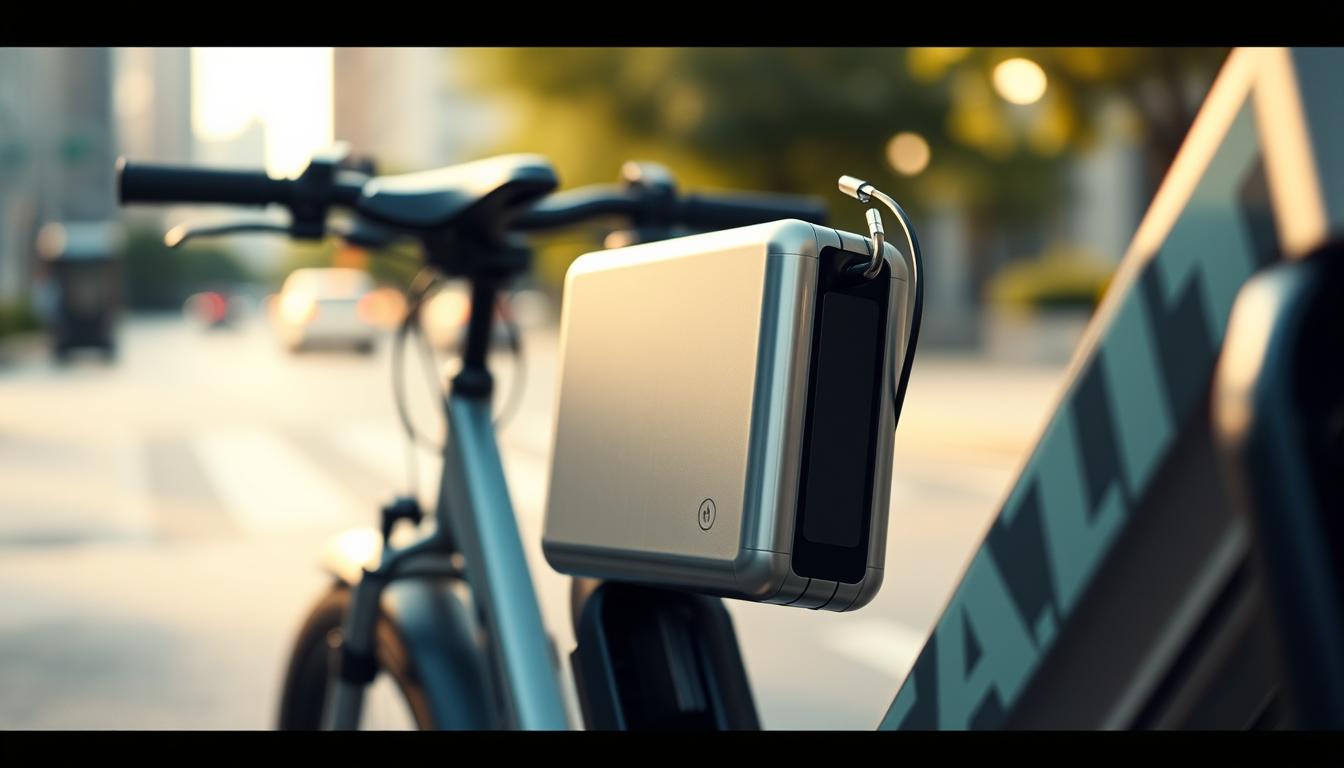
Electric bike fans know the right lithium-ion battery changes everything. The battery is the heart of an e-bike, affecting its range, speed, and efficiency. Energy density is key here.
Riders want batteries that pack a punch without being too heavy or short-lived. A top-notch lithium-ion battery strikes a balance between power and practicality. It’s essential for both city rides and off-road adventures.
When picking a battery, consider its capacity, voltage, and new tech. We’ll look at the best batteries for electric bikes. They offer great performance, reliability, and value for riders in the U.S.
This guide will help you understand e-bike batteries better. You’ll make a choice that fits your riding style and needs.
Understanding Lithium-ion Battery for Electric Bikes
Electric bikes have changed how we travel, thanks to lithium-ion batteries. These batteries make e-bikes efficient and reliable. They are key to the success of electric bikes today.
The design of lithium-ion battery packs is a big step in energy storage. They are small but powerful, working well in many conditions. This makes them a favorite among e-bike fans.
Basic Components and Chemistry
Inside a lithium-ion battery for electric bikes, you’ll find important parts:
- Lithium-based cathode materials
- Graphite anode
- Electrolyte solution
- Separator membrane
- Protective casing
How Lithium-ion Batteries Power E-bikes
The battery pack design is key to how e-bikes work. It uses a special process to move energy. When it’s used, lithium ions flow, creating power for the bike’s motor.
Advantages Over Other Battery Types
Lithium-ion batteries beat other types in several ways:
- They hold more energy
- They are lighter
- They last longer
- They charge faster
- They need less upkeep
These batteries offer great performance and dependability. This makes electric bikes a popular choice for getting around.
Top-Rated Battery Brands for Electric Bikes in 2024
Choosing the right battery is key for a great electric bike ride. In 2024, top brands are changing the game with new battery tech. They focus on longer life and easy charging.
There are many great battery choices out there. These brands aim to give you reliable power, cutting-edge tech, and green energy options.
- Bosch: Known for industry-leading reliability and long-lasting battery performance
- Shimano: Offers compact and powerful battery designs with excellent charging compatibility
- Samsung SDI: Provides high-density lithium-ion batteries with extended cycle life
- Panasonic: Delivers robust batteries with advanced thermal management systems
It’s important to know the differences between battery brands. Each one has its own strengths, like better charging and longer battery life.
| Brand | Cycle Life | Charging Time | Range (Miles) |
|---|---|---|---|
| Bosch PowerTube | 1000+ Cycles | 4-5 Hours | 50-75 |
| Shimano Steps | 800+ Cycles | 3-4 Hours | 40-60 |
| Samsung SDI | 1200+ Cycles | 3-5 Hours | 60-80 |
When picking a battery, think about cycle life, charging speed, and how it fits with your bike. The right battery can make your rides better and last longer.
Essential Features to Consider When Choosing E-bike Batteries
Choosing the right battery for your electric bike is important. The right battery can make your rides better, lasting longer and performing well. Knowing what to look for helps you pick the best one for you.
A good battery management system is key. It keeps your e-bike running smoothly. It checks the battery’s health, stops it from getting too hot, and works well in different conditions.
Battery Capacity and Voltage Requirements
The battery’s capacity affects how far you can go on one charge. Think about how you usually ride when picking a battery:
- Standard urban commuters: 36V to 48V batteries
- Long-distance riders: 48V to 52V batteries
- Performance enthusiasts: 52V or higher
Weight and Size Considerations
Thermal management is important when looking at battery weight and size. Light batteries that cool well perform better and don’t strain your bike’s frame.
- Lightweight batteries: 5-7 pounds
- Compact designs: Easier handling and installation
- Advanced cooling systems: Prevent overheating
Compatibility with Different E-bike Models
Not every battery fits every bike. Make sure the battery fits your bike’s mounting points and connection types. Some batteries fit all bikes, while others are made for specific models.
Understanding these key features helps you find a battery that works well. It will make your rides more enjoyable and last longer for your electric bike.
Battery Management Systems and Safety Features

Electric bike riders count on advanced battery management systems for top-notch performance and safety. A BMS acts as a key protector of your e-bike’s power source. It watches over the lithium-ion battery, keeping it safe from harm.
The main jobs of a battery management system are:
- Stopping overcharging and deep discharge
- Keeping battery temperature in check
- Making sure cell voltages are balanced
- Guarding against short circuits
Battery safety is more than just protection. Modern BMS tech works to boost battery performance and make it last longer. These smart systems check on battery health all the time. They spot issues early, before they get worse.
Important safety features in advanced BMS include:
- Watching battery temperature in real-time
- Keeping voltage steady across cells
- Shutting down automatically in danger situations
- Protecting against electrical problems
Riders should look for e-bikes with strong battery management systems. These advanced systems don’t just keep you safe. They also make your battery work better and last longer. When picking an electric bike, check the BMS features. This ensures you get the best performance and peace of mind.
Understanding Battery Range and Performance Factors
Electric bike battery performance is complex. It depends on many environmental and operational factors. Riders need to know how these factors affect their e-bike’s energy density and cycle life. This knowledge helps them get the most out of their battery.
Lithium-ion batteries have several key elements that affect their range and reliability. Understanding these factors helps riders manage and maintain their batteries better.
Impact of Riding Conditions
Riding conditions greatly impact battery performance. Important factors include:
- Terrain type (flat vs. hilly)
- Rider weight
- Wind resistance
- Cargo load
- Riding speed
Temperature Effects on Battery Life
Temperature is crucial for battery performance. Extreme temperatures can shorten cycle life and reduce energy density. Batteries perform best between 60-80°F. Performance drops significantly outside this range.
Charging Cycles and Battery Longevity
Knowing about charging patterns is key to a long battery life. Lithium-ion batteries have a limited number of charge cycles. Proper charging can extend their life:
- Avoid complete discharge
- Maintain consistent charging habits
- Store batteries at moderate temperatures
- Use manufacturer-recommended chargers
By understanding these performance factors, e-bike riders can improve their battery’s range, efficiency, and longevity.
Maintenance Tips for Extending Battery Life
Keeping your electric bike’s lithium-ion battery in top shape is key. It helps extend its life and keeps it running smoothly. Managing heat is especially important for your battery’s health.
To make your battery last longer, follow these important tips:
- Avoid letting the battery fully drain. Charge it before it hits 20%
- Store batteries in a cool, dry spot between 50-77°F (10-25°C)
- Use the right charging tools made for lithium-ion batteries
- Keep battery contacts clean and free from dirt or corrosion
Using the right charger is crucial for your battery’s health. Always stick to the charger recommended by the maker. Also, charge in a cool place to avoid stressing the battery cells.
But battery care is more than just charging. Check your battery often for wear signs. Make sure connections are good and manage heat well. Keeping your battery away from extreme temperatures helps it perform better and last longer.
- Check battery connections every month
- Clean battery contacts with a soft, dry cloth
- Avoid direct sunlight or freezing temperatures
By following these care tips, e-bike owners can boost battery performance. They can also save money on replacements and enjoy a more dependable ride.
Price Comparison and Value Analysis
Choosing the right lithium-ion battery for electric bikes is about finding the right balance. It’s a big decision that affects how well your e-bike performs and how far it can go. It also changes your overall riding experience.
Cyclists need to look at more than just the price when picking a battery. The battery’s cycle life is key to its real value over time.
Budget-Friendly Options
For those on a tight budget, there are good lithium-ion battery choices. Here’s what to keep in mind:
- Entry-level batteries cost between $200-$500
- They last for 500-700 charge cycles
- Great for casual riders and city commuters
- They offer basic performance and a decent range
Premium Battery Investments
Premium lithium-ion batteries for electric bikes offer top-notch performance and last longer. These high-end options come with:
- Advanced battery management systems
- Up to 1,000-1,500 charge cycles
- Longer range and faster charging
- Top-notch engineering for better energy use
Long-term Cost Benefits
Choosing a quality lithium-ion battery can save you money in the long run. A battery with a long cycle life might cost more upfront. But, it saves you money by lasting longer and performing consistently.
| Battery Type | Initial Cost | Estimated Cycle Life | Long-term Value |
|---|---|---|---|
| Budget Battery | $250 | 500 cycles | Moderate |
| Premium Battery | $600 | 1,200 cycles | High |
Riders should think about their needs, how they ride, and their budget. This helps choose the best lithium-ion battery for their e-bike. It ensures the best performance and value.
Environmental Impact and Recycling Considerations
E-bike lithium-ion battery recycling is a big challenge for our planet. Modern battery designs help cut down on electronic waste. Recycling facilities now extract valuable metals like lithium, cobalt, and nickel for new batteries.
Companies are working on making batteries easier to recycle. New technologies help get more materials back, reducing waste. Riders can help by choosing batteries from brands that recycle responsibly.
Electric bike users can help the environment by recycling their batteries. Local bike shops, electronics stores, and waste centers collect batteries for recycling. This keeps harmful materials out of landfills and supports the recycling of electronic parts.
The future of e-bike batteries is looking up. Research is moving towards greener materials and better recycling. By choosing eco-friendly batteries and recycling, riders can help make transportation cleaner and greener for our planet.