
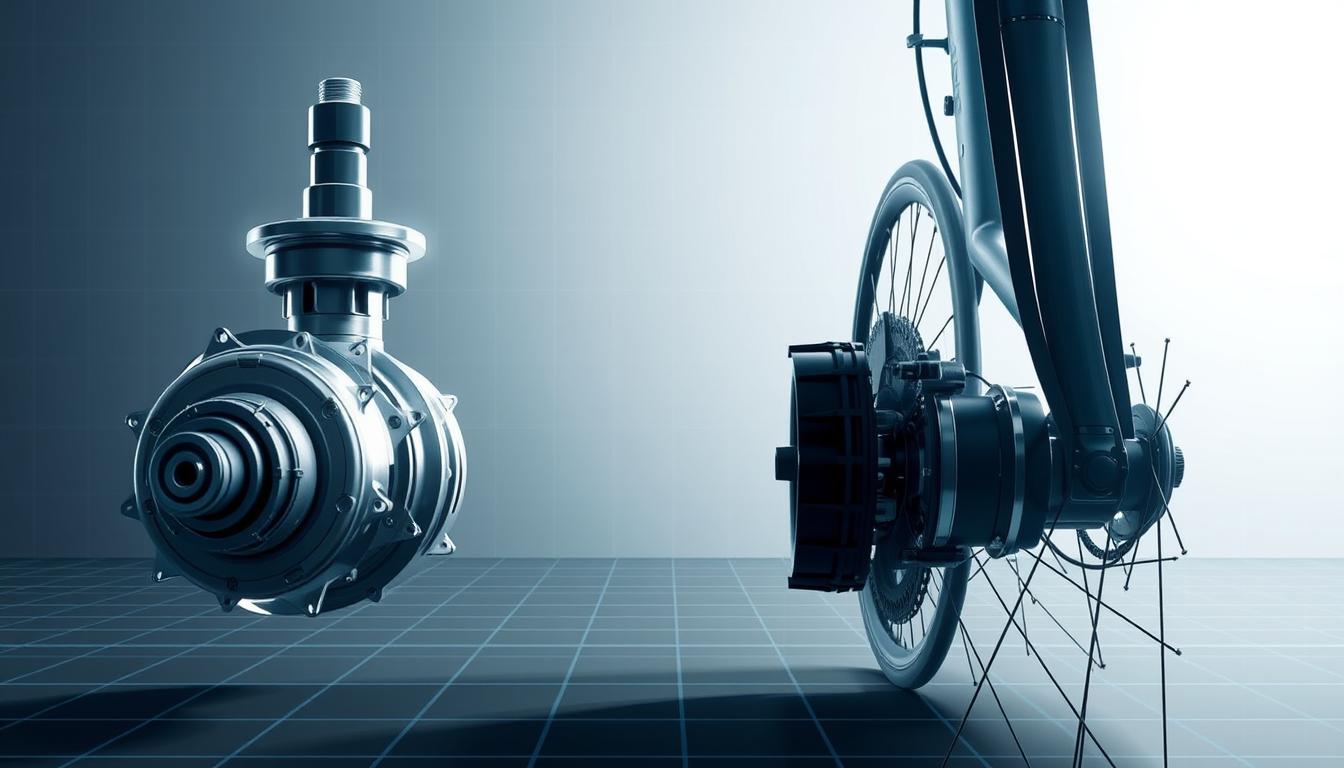
Electric bicycles have changed how we travel and enjoy the outdoors. When choosing an ebike, riders must decide between hub motor and mid-drive systems. Each has its own strengths that can change how you ride.
The debate between hub motors and mid-drive motors is ongoing. It’s important for e-bike fans to know the differences. This knowledge helps them pick the best motor for their needs, whether it’s city riding or mountain trails.
Today’s e-bike tech offers many advanced options. These options combine power, efficiency, and style. The right motor can make your rides more fun and effective, whether you’re in the city or the mountains.
This guide will look closely at hub motors and mid-drive systems. We’ll see how they change cycling. We’ll also explore how they can make your rides more exciting and accessible.
Understanding E-Bike Motor Basics: Hub Motor vs Mid Drive
Electric bikes have changed how we travel, thanks to motor tech. There are two main types: geared hub motors and mid-drive electric bikes. Each has its own benefits for riders.
The electric bike motor world is full of choices and details. Knowing the differences between motor types is key to picking the right one.
Key Components of Electric Bike Motors
Electric bike motors have important parts that affect how they perform:
- Stator and rotor assembly
- Electrical windings
- Magnetic configuration
- Gearing mechanism (for geared hub motors)
Power Output and Performance Metrics
When looking at mid-drive electric bikes and geared hub motors, consider these performance metrics:
- Watts of power output
- Torque capabilities
- Efficiency ratings
- Speed potential
Motor Integration with Bike Frame
Where the motor is placed affects how the bike rides. Mid-drive motors put weight in the middle, while hub motors are more compact. The choice depends on your riding style and where you ride.
Choosing the right motor is about finding the best mix of power, weight, and use. Whether you’re riding to work or on trails, knowing about motor tech helps you make the best choice.
The Evolution of Electric Bicycle Drivetrain Technology
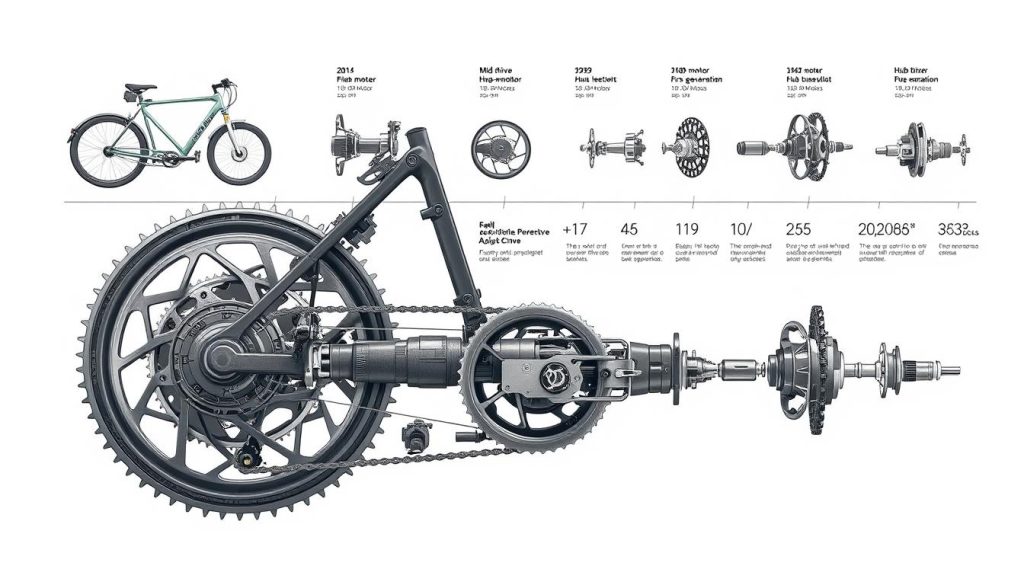
Electric bicycle drivetrains have changed a lot since they first came out. In the beginning, they were simple and didn’t work very well. It was hard for makers to make them efficient and reliable.
The first e-bikes showed up in the late 1990s. They had big motors and not-so-good batteries. These early bikes were heavy, didn’t go far, and were hard to ride.
- First-generation hub motors were typically mounted on the front or rear wheel
- Battery technology was limited, providing short riding distances
- Power output was minimal compared to modern electric bicycle drivetrains
In the 2010s, things got a lot better. New mid-drive motors made bikes lighter and more powerful. Better batteries, like lithium-ion, made them go farther and perform better.
Now, e-bikes have smart systems and sensors. They help bikes work better and make riding easier. This has made e-bikes popular for city rides and outdoor fun.
- Advanced mid-drive motors provide more natural riding experience
- Integrated electronic systems optimize power delivery
- Lightweight components improve overall e-bike performance
Exploring Mid-Drive Motor Advantages and Limitations
Mid-drive electric bike motors are a cutting-edge way to power e-bikes. They offer benefits that hub motors can’t match, especially in how well they perform and use energy.
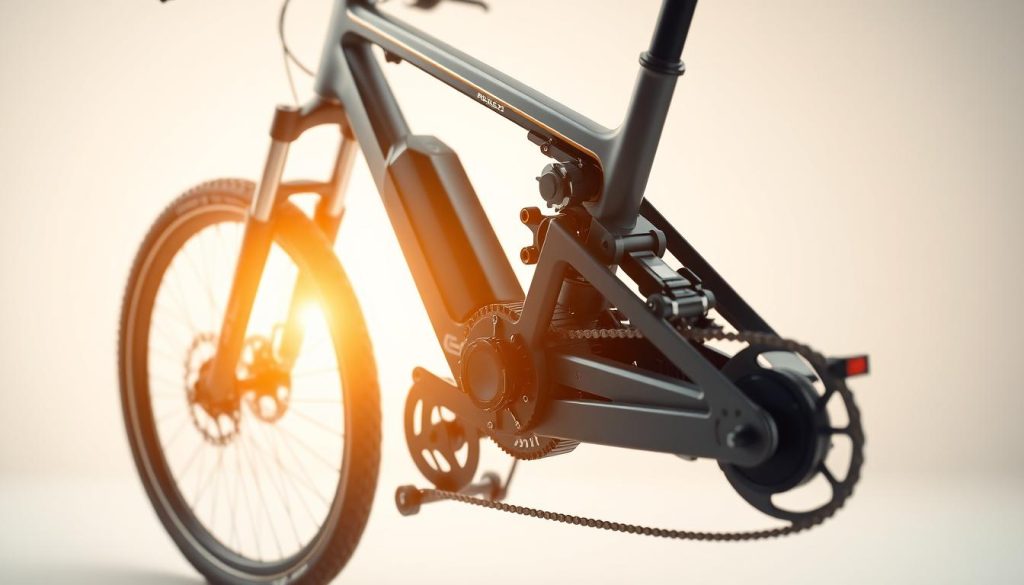
Torque sensing mid-drives give riders a more natural feel. They work with the bike’s drivetrain, making pedaling feel more natural on different terrains.
Climbing Performance and Efficiency
Mid-drive motors shine on tough hills. They connect directly to the bike’s chain, making them more efficient than hub motors. This leads to better performance on uphill climbs.
- Better weight distribution
- Improved power transfer
- Enhanced torque at lower speeds
- More balanced rider experience
Battery Life and Power Management
Mid-drive systems are great at managing power. They work with the bike’s gearing to use less energy. This can make the battery last longer and save energy overall.
Maintenance Requirements
Mid-drive motors need more care than hub motors. It’s important to check the chain and gears often. This keeps the bike running smoothly for a long time.
People thinking about getting a mid-drive e-bike should know these details. It helps them make a better choice.
Hub Motors: Simplicity Meets Performance
Geared hub motors are a big step forward in electric bike design. They offer a mix of simplicity and reliable performance. These motors are built right into the wheel hub, making the e-bike ride smoother and more efficient.
The design of hub motors is straightforward. This makes them easy to maintain and strong. They are a top choice for city riders and those who enjoy cycling for fun. Hub motors have special benefits:
- Simplified weight distribution across the bicycle frame
- Reduced mechanical complexity compared to mid-drive systems
- Lower initial manufacturing costs
- Easier wheel replacement and maintenance
Geared hub motors are great at delivering smooth power. Their internal gear system boosts torque and energy transfer. This makes them perfect for those who want both power and ease of use. They fit well in many bike designs, keeping the bike looking good and working well.
Hub motors are great for city rides or light trails. They are reliable and easy to use. Their design and engineering make them a great choice for all kinds of riders.
Making the Right Choice: Performance Comparison and Use Cases
Choosing the right electric bike motor is key. It depends on your riding needs. The debate between hub and mid-drive motors focuses on performance in various settings and rider preferences.
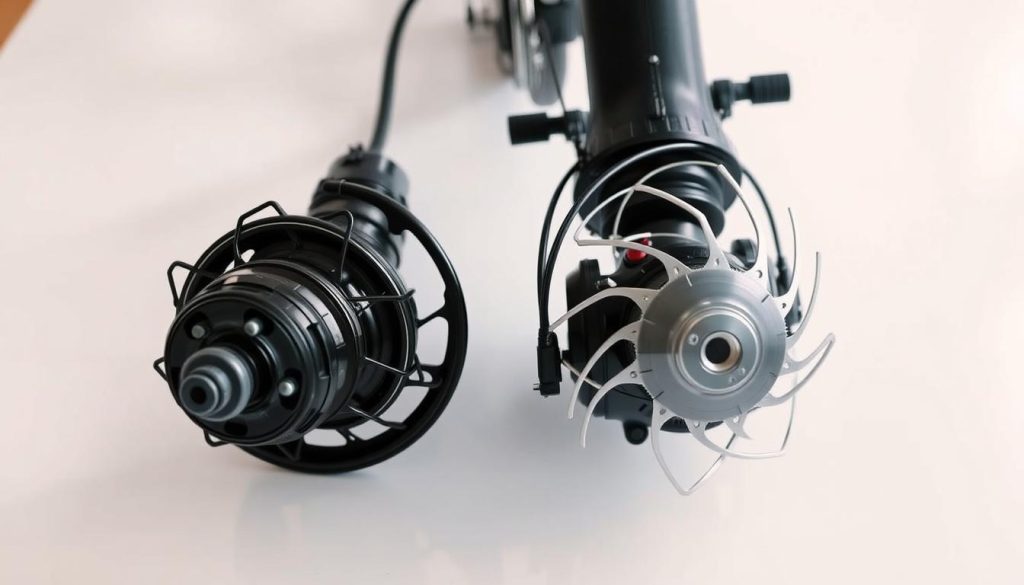
Riders need to look at several factors when comparing motors. These factors affect how well the bike performs and how much fun it is to ride.
Urban Commuting Performance
Urban riders have specific needs. Hub motors are known for:
- Simpler maintenance
- Lower initial cost
- Consistent power delivery
Mid-drive motors have their own perks like:
- Better weight distribution
- More efficient climbing
- Improved handling in city environments
Cost-Benefit Analysis
The cost of hub vs mid-drive motors differs. Mid-drive motors are pricier at first but save money in the long run due to better efficiency and performance.
| Motor Type | Initial Cost | Maintenance Cost |
|---|---|---|
| Hub Motor | $500-$1000 | Low |
| Mid-Drive Motor | $1000-$2500 | Moderate |
Rider Experience Considerations
The choice between hub and mid-drive motors depends on your riding style, terrain, and budget. Trying out different bikes can help find the perfect match.
For serious cyclists and adventure seekers, mid-drive motors are a better choice. They offer better pedal assist and power transfer. On the other hand, casual commuters might prefer hub motors for their ease of use and lower cost.
Future Trends in E-Bike Motor Technology
The world of electric bicycle motors is changing fast. Companies like Bosch and Shimano are making motors smaller and more efficient. This means better performance and less weight for riders.
Electric bikes are getting smarter too. They will soon use advanced sensors and AI to improve how they ride. Riders will be able to adjust their bikes to fit their needs perfectly.
New materials like carbon fiber are changing motor design. These materials make motors lighter and more powerful. Scientists are working on even better designs using nanotechnology and new electromagnetic ideas.
The future of e-bike motors is all about saving energy and being green. Researchers are looking into better brakes and batteries. These changes will help make city travel cleaner and more efficient.