
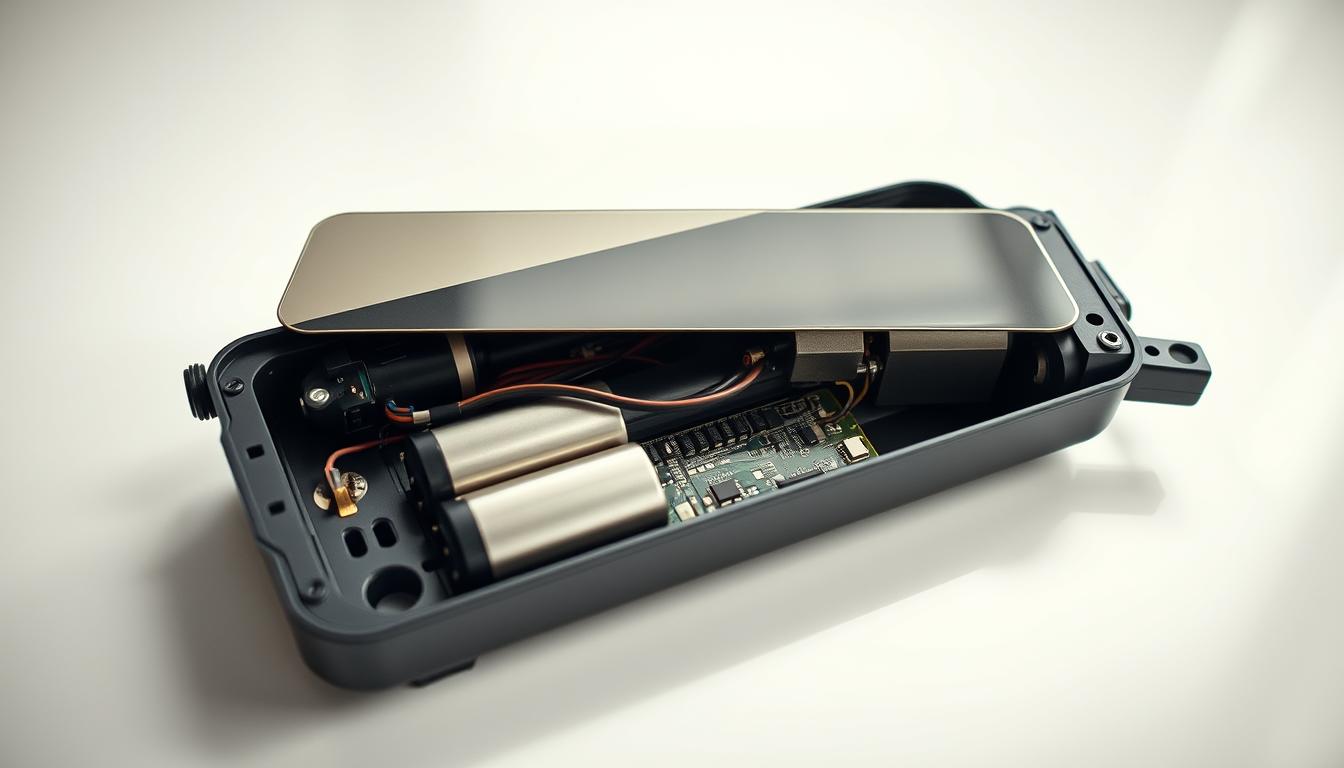
Your electric bike’s power source is its lifeline. Without proper maintenance, even top-tier models lose their spark. High-quality components aren’t cheap—replacing them can cost hundreds. But with smart habits, you’ll keep your ride running smoothly for years.
Think of your two-wheeler as more than just a bike. It’s a blend of engineering and practicality. Experts like Robb Dorr and Magnum Bikes emphasize that neglecting basic routines cuts performance and drains your wallet. Simple steps today prevent headaches tomorrow.
This guide shares proven strategies from trusted sources. Learn how storage choices, charging patterns, and seasonal adjustments impact longevity. We’ll break down technical details into easy-to-follow advice. No jargon, just clear takeaways.
Ready to boost your ride’s lifespan? Let’s explore practical solutions that protect your investment. From everyday habits to advanced techniques, you’ll gain confidence in maximizing every charge cycle.
Understanding the Fundamentals of E-Bike Batteries
Batteries power more than just your ride—they’re a blend of chemistry and engineering. Modern energy storage units use lithium-ion cells arranged in packs, controlled by a smart guardian called the Battery Management System (BMS). This tech trio works quietly to deliver smooth power while preventing overloads or deep discharges.
How Your Power Source Operates
When you press the throttle, stored energy transforms into motion. The BMS acts like a traffic director, balancing cell performance and monitoring heat levels. This coordination ensures consistent power delivery across different terrains and riding styles.
Decoding Performance Numbers
Three metrics define your energy unit’s capabilities:
- Volts: Electrical pressure determining motor strength
- Amp-hours: Fuel tank size showing total capacity
- Watt-hours: Total energy available per charge cycle
Your owner’s manual specifies ideal voltage ranges for optimal motor synergy. Storing components at room temperature (68-77°F) helps maintain these ratings. Remember—mismatched specs strain parts and reduce travel distance between charges.
Essential e-bike battery care Best Practices
Keeping your two-wheeler running smoothly depends on daily routines. Simple habits protect your power source and boost performance over time. Let’s explore practical ways to maintain your energy unit without technical jargon.
Smart Charging Habits for Peak Performance
Plug in your power unit when it reaches 30% capacity. Unplug once it hits 80-90% for regular use. This approach reduces strain on cells and helps components last longer.
Avoid leaving your energy source fully charged for extended periods. Most manufacturers suggest storing it at 50-60% if unused for weeks. Always use the charger that came with your bike—third-party options might damage internal circuits.
Creating the Perfect Storage Environment
Find a dry spot with stable temperatures between 68°F and 77°F. Extreme heat or cold degrades cells faster than normal use. Keep your power unit away from direct sunlight and moisture.
If storing for winter, check charge levels monthly. Top up to 50% if needed. This prevents deep discharges that permanently reduce capacity. Proper storage preserves your energy source through seasons of use.
Materials and Technology Behind Your Battery
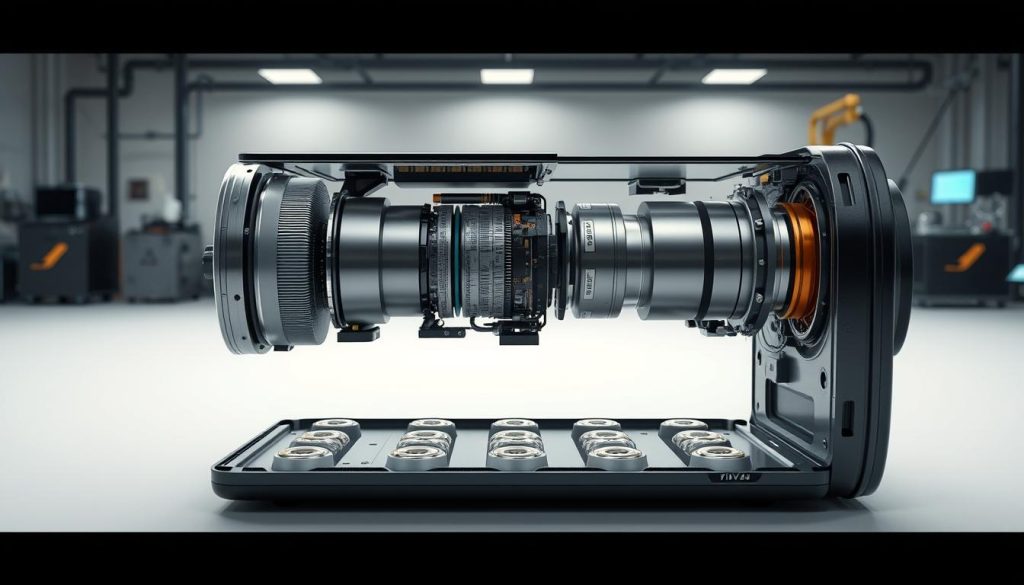
Modern energy storage solutions combine smart engineering with cutting-edge chemistry to keep you moving. Lithium-based cells dominate today’s market, but not all are created equal. High-end models often use nickel, cobalt, and manganese blends—known as NMC chemistry—for better energy density and thermal stability.
Battery Chemistry and Durability Insights
NMC combinations strike a balance between power output and longevity. These materials allow more charge cycles before capacity fades. Bosch and Shimano use proprietary formulas in their premium units, demonstrating how component quality affects real-world performance.
Cell construction matters just as much as ingredients. Precision manufacturing prevents internal shorts and minimizes wear. Top-tier brands layer protective coatings to shield against microscopic damage during rides.
The Role of Battery Management Systems (BMS)
Your energy pack’s brain works quietly behind the scenes. The BMS monitors individual cell voltages, balancing loads during charging and discharging. It acts as a safety net—preventing overheating in summer rides and protecting against deep drains in cold weather.
This smart guardian communicates with your bike’s motor controller. It adjusts energy flow based on terrain and pedal assist levels. When paired with manufacturer-specific chargers, the system optimizes charging speeds while preserving cell health.
Temperature and Environmental Impact on Battery Life
Your ride’s performance is shaped by its surroundings. Extreme weather and accidental spills affect energy storage more than most riders realize. Let’s explore how to protect your components from Mother Nature’s mood swings.
Room Temperature and Sunlight Exposure
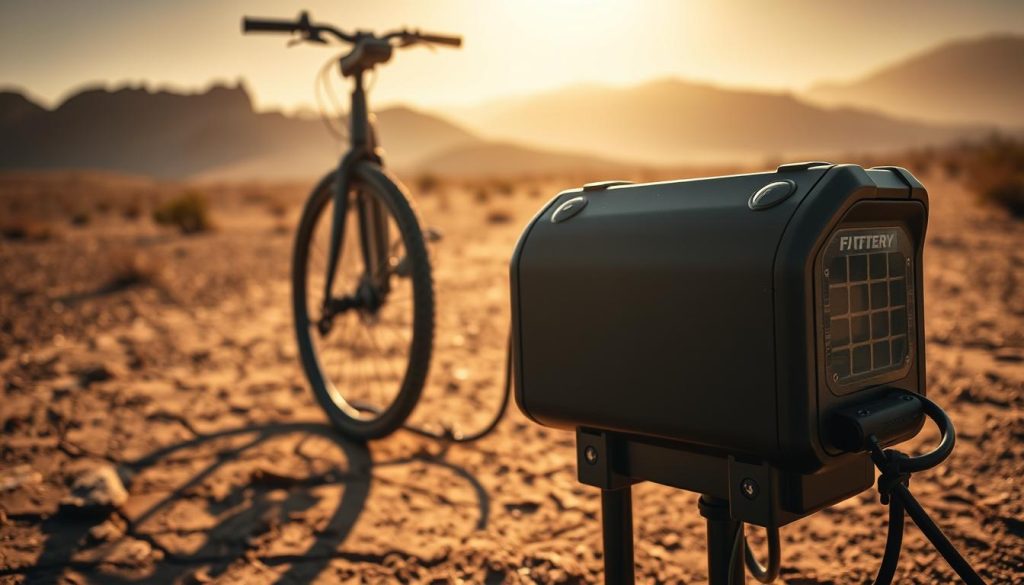
Lithium-based cells thrive in stable conditions. Aim for 68-77°F when storing your power unit—like your living room’s climate. This range keeps chemical reactions efficient without stressing internal materials.
Parking in direct sunlight? Bad idea. Summer heat accelerates wear, even if your bike feels sturdy. Prolonged exposure can reduce capacity by 20% faster than shaded storage. Use covered racks or bring components indoors after rides.
| Condition | Impact | Prevention Tip |
|---|---|---|
| Above 95°F | Accelerated cell degradation | Store in shaded, ventilated areas |
| Below 32°F | Reduced charge capacity | Warm to room temp before charging |
| Humidity over 70% | Corrosion risk | Use silica gel packs in storage |
Moisture and Seasonal Shifts
Waterproof ratings don’t mean invincibility. Occasional rain won’t harm modern bikes, but submerging components invites trouble. Dry connections promptly after wet rides to prevent corrosion.
Winter brings unique challenges. Cold air temporarily saps power—expect 10-15% less range on frosty days. Store your energy source indoors overnight during freezing months. Never charge ice-cold batteries; wait until they reach room temperature.
Seasonal maintenance matters. Wipe down terminals every spring and fall. Check manufacturer guidelines for humidity limits—most handle 30-70% ranges. Simple precautions keep your setup reliable through sunny adventures and snowy commutes.
Charging Techniques and Best Practices
Smart charging habits transform how your ride performs over time. Proper routines protect your power unit while maximizing its potential. Let’s break down methods that balance convenience with long-term health.
Timing Matters More Than You Think
Wait 30 minutes after riding before plugging in. Components need to cool for efficient energy absorption. Charging a warm unit strains cells and reduces capacity faster.
For daily commutes, aim for partial top-ups instead of full cycles. Start when levels hit 30% and stop at 80-90%. This approach adds years to your setup. Busy schedule? Set reminders to unplug once the indicator turns green.
| Habit | Benefit | Tip |
|---|---|---|
| Charging after cooling | Prevents heat damage | Use a timer plug |
| Partial charging | Extends cycle count | Check levels weekly |
| OEM charger use | Ensures voltage match | Avoid third-party adapters |
Why Brand-Specific Chargers Matter
Manufacturers design chargers to match their energy packs’ unique needs. Generic models might deliver incorrect voltages, causing slow degradation. Shimano’s STEPS system, for example, communicates directly with its chargers for precision.
Leaving units plugged in overnight? Most modern systems stop at 100%, but occasional overflows still occur. Unplugging within two hours of full charge prevents unnecessary stress. Store your charger in a dry place when not in use.
Follow these steps for best results: Remove the unit if storing for weeks. Keep it at 50% charge in moderate temperatures. Regular riders should rotate between 20-80% capacity. Simple adjustments make a big difference!
Maintenance and Periodic Battery Checkups
Consistent upkeep keeps your ride reliable and ready for adventures. Like checking tire pressure or oiling chains, your power unit thrives with regular attention. A few minutes each month can add seasons to your setup’s lifespan.
Routine Upkeep for Long-Term Performance
Track your energy pack’s behavior with simple tools. Free apps like Bosch’s eBike Flow or Specialized’s Mission Control show real-time data. Watch for these patterns:
- Range dropping faster than usual on familiar routes
- Charging times increasing by 15% or more
- Unexpected shutdowns at higher charge levels
Drain your power source to 20% every 10-15 cycles. This helps balance individual cells. Always recharge within 24 hours to avoid deep discharge issues.
Spotting Trouble Before It Escalates
Physical changes often signal internal problems. Look for:
| Warning Sign | Possible Issue | Action Step |
|---|---|---|
| Bulging case | Cell swelling | Stop use immediately |
| Loose terminals | Connection wear | Clean with isopropyl alcohol |
| Unusual odors | Overheating risk | Consult certified technician |
Document changes in a notebook or digital tracker. Note dates, mileage, and weather conditions. Share this information during annual checkups for faster diagnostics.
Safety, Storage, and Transportation Tips
Your ride’s energy hub needs special attention when facing nature’s extremes or long-term storage. Smart handling prevents unexpected issues and keeps components working like new. Let’s explore practical ways to protect your gear during adventures and downtime.
Weatherproofing Your Power Source
Summer heat and winter chill demand different approaches. Never leave energy units in parked vehicles during hot days—interior temps can spike dangerously within minutes. For sub-freezing conditions, warm the pack to room temperature before charging.
| Condition | Action | Benefit |
|---|---|---|
| Heatwaves | Use insulated covers | Blocks radiant heat |
| Snowstorms | Store indoors overnight | Prevents capacity loss |
After wet rides, dry connectors with a microfiber cloth. Moisture trapped in ports causes corrosion over time. Consult manufacturer guidelines for specific humidity limits.
Smart Storage and Travel Protocols
Transporting your setup by car? Remove the power cell and cushion it in a padded case. Trunk temperatures fluctuate wildly—opt for climate-controlled cabin storage instead.
Create a dedicated storage zone at home with stable 68-77°F temps. Ideal charge levels hover between 40-60% for inactive periods. Check monthly during seasonal breaks, topping up if needed.
These strategies help avoid costly replacements. With proper handling, your gear stays ready for whatever the road brings—rain, shine, or cross-country moves.
Keeping Your E-Bike Battery in Top Shape for the Long Haul
Maximizing your ride’s potential starts with consistent, mindful habits. By blending smart charging with seasonal awareness, you’ll preserve your power source through countless adventures. Let’s recap the essentials for lasting performance.
Quick Checklist for Success:
- Charge to 80-90% for daily use, avoiding full cycles
- Store components at room temperature (68-77°F) year-round
- Keep terminals clean and dry after wet rides
- Consult your manual for winter storage specifics
Steer clear of direct sunlight during summer parking. In colder months, warm your energy unit indoors before charging. Regular maintenance checks catch small issues before they escalate.
These practices boost your bike’s lifespan while maintaining peak power delivery. Pair general guidelines with manufacturer recommendations for optimal results. With proper attention, your setup will deliver reliable mileage and riding joy season after season.
Ready to ride smarter? Start today—your future self will thank you when those weekend escapes and commutes stay strong for years ahead.