
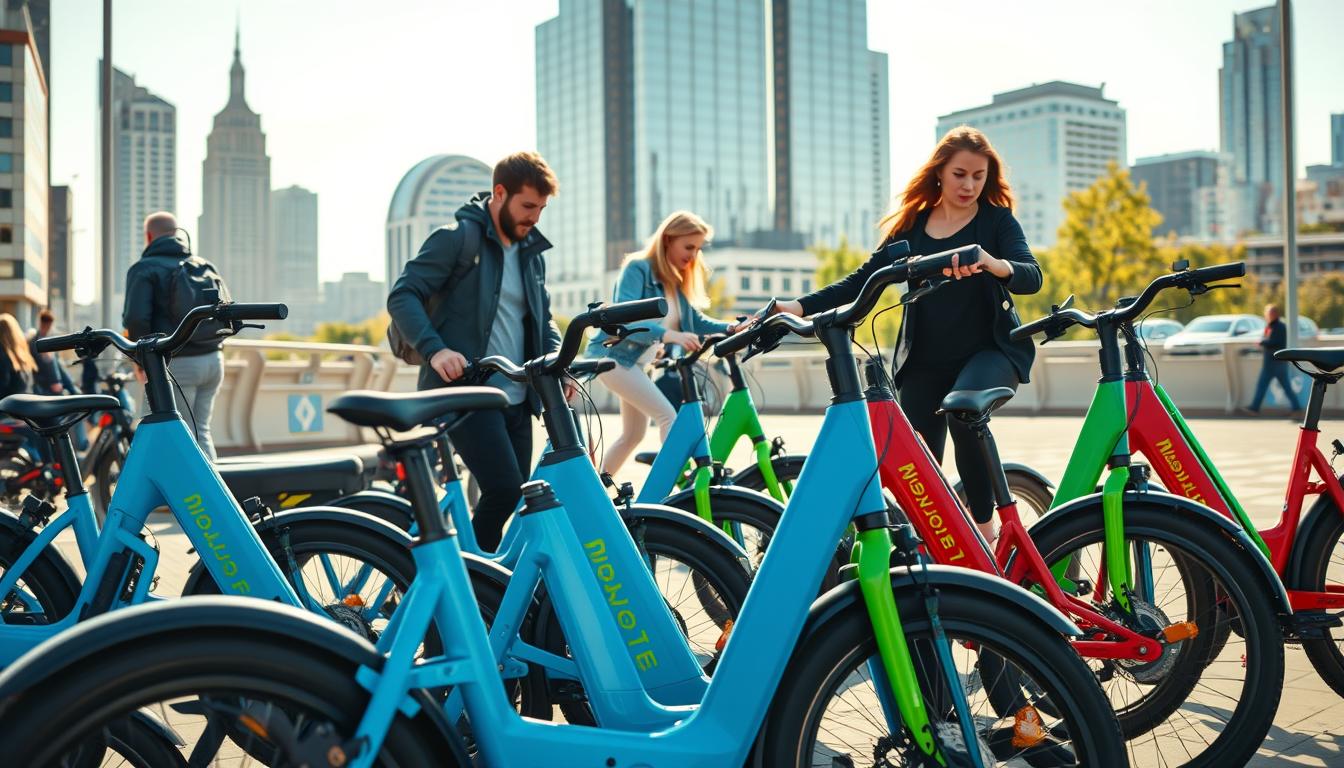
Electric bikes are reshaping how Americans commute, exercise, and explore. By merging pedal power with motor assistance, these innovative machines bridge the gap between traditional cycling and modern convenience. They empower riders to tackle hills, longer distances, or daily errands without breaking a sweat.
What sets electric bikes apart is their inclusivity. Older adults, commuters, and those rebuilding fitness can enjoy cycling without overexertion. Research shows riders still achieve moderate physical activity levels even when using motor support—proving you don’t need intense effort to stay active.
Urban areas are embracing e-bikes as eco-friendly alternatives to cars. They reduce traffic congestion and carbon footprints while offering a fun way to navigate cities. With options for adjustable assistance, riders control how much effort they want to invest—making every trip adaptable to their needs.
From weekend adventures to grocery runs, electric bikes deliver versatility without sacrificing health perks. Their growing popularity isn’t just a trend—it’s a smarter way to move.
A New Era of Commuting: The Rise of Electric Bike Culture
Cities across America are transforming as pedal-assisted bicycles reshape daily travel routines. Urban riders now cover longer distances, avoid parking headaches, and arrive energized—even in business attire. This shift isn’t just about convenience; it’s sparking a cultural movement where cycling becomes accessible to everyone.
Redefining Urban Transportation
Traditional cars lose appeal as electric bicycles solve practical challenges. A Portland State University study found 45% of e-bike trips replace car travel, cutting commute times by 15% on average. Riders report:
- Effortless navigation through traffic jams
- Reduced stress compared to driving
- Consistent arrival times without sweat concerns
Inclusive Riding for All Ages and Fitness Levels
Electric bicycles erase barriers that kept many off regular bikes. Grandparents join grandchildren on weekend trails, while office workers skip gym sessions by choosing active commutes. Research reveals:
- 72% of new riders hadn’t cycled in over a year
- Average heart rates stay 64% higher than resting levels during assisted rides
- 85% of users report improved mood after switching to e-bikes
This blend of accessibility and light exercise creates sustainable habits. People who once viewed cycling as exhausting now pedal farther, more often—proving motor assistance encourages rather than replaces physical effort.
Eco-Friendly Transportation and Reduced Emissions
Switching to electric bikes offers more than personal convenience—it’s a climate action. Urban riders now have a tool that slashes emissions while keeping them moving efficiently. Studies show replacing just one car trip per day reduces annual CO2 output by 1.5 tons.
Lowering Your Carbon Footprint
Electric bicycles cut pollution in three key ways. First, they use minimal electricity compared to car fuel—a full charge costs pennies and powers 20-50 miles. Second, riders avoid idling in traffic, which the EPA identifies as a major source of urban smog.
Commuting by e-bike also saves time. Rush hour cyclists often beat car drivers in cities like Seattle and Boston by 15-20 minutes. This efficiency encourages more people to choose sustainable transport regularly.
Even light pedaling boosts health metrics. Research shows maintaining a heart rate of 100-120 bpm during assisted rides improves cardiovascular fitness over time. Participants in a 6-month trial reported:
- 12% lower resting heart rates
- 18% more weekly physical activity
- 22% reduction in public transit use
Cities embracing e-bikes see measurable environmental gains. Portland’s e-bike share program removed 78 cars daily from downtown streets, cutting nitrogen oxide levels by 4% in one year. As battery tech improves, these climate-positive trends will accelerate.
Real Health Improvements: The Benefits of E-Bikes
Pedal-assisted cycling quietly revolutionizes how people approach daily movement. Unlike intense workouts, these rides blend activity into errands and commutes, creating sustainable health habits. Even short trips add up—research shows users log 30% more weekly exercise minutes than car-dependent peers.
Moderate Physical Activity in Daily Routines
Replacing car trips with electric bicycle rides turns chores into calorie-burning opportunities. A University of Colorado study found riders maintain 50-70% of their max heart rate during assisted pedaling—ideal for building endurance without exhaustion. This makes cycling practical for grocery runs or school drop-offs.
Urban professionals particularly benefit. Morning rides to work elevate energy levels better than coffee, according to a Stanford survey. Participants reported 28% higher afternoon focus when commuting by e-bike versus driving. The gentle exertion also helps counter sedentary desk jobs.
Enhanced Cardiovascular Performance
Contrary to myths about “cheating,” motor-assisted cycling strengthens hearts. A 12-month trial revealed riders improved VO2 max (oxygen intake) by 14%—comparable to traditional cyclists. The secret? Consistent moderate effort beats occasional intense sessions.
Drivers switching to e-bikes see dramatic changes. One Portland program tracked participants who replaced 3 weekly car commutes. After 6 months:
- Average resting heart rate dropped 8 beats per minute
- HDL (“good” cholesterol) levels rose 12%
- Work commute stress decreased 41%
This synergy of convenience and cardio proves electric bicycles aren’t just transport—they’re wellness tools fitting modern lifestyles.
Boosting Cardiovascular Health and Strength
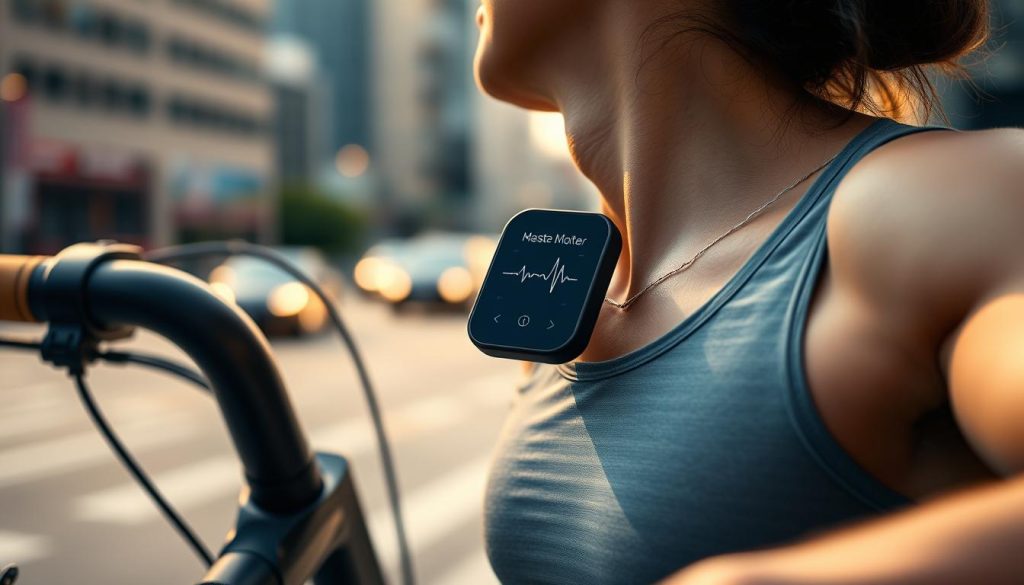
Motor-assisted cycling isn’t just about ease—it’s a catalyst for measurable physical improvements. Research reveals riders maintain heart rates that strengthen cardiac muscles while building endurance. This balanced approach helps people stay active without overwhelming their bodies.
Heart Rate Dynamics with Assisted Pedaling
E-bikes let riders control their exertion levels while keeping hearts engaged. Studies show average heart rates hover between 110-130 bpm during assisted rides—ideal for improving circulation. Gradual increases in pedal effort train the heart to work efficiently, similar to brisk walking.
| Activity | Avg Heart Rate | Calories/Hour | Muscle Engagement |
|---|---|---|---|
| Traditional Cycling | 140-160 bpm | 500-600 | High (legs/core) |
| E-Bike (Medium Assist) | 115-130 bpm | 300-400 | Moderate (legs) |
| Walking | 90-110 bpm | 200-300 | Low |
Regular cyclists using e-bikes often improve their fitness form by extending ride durations. A University of Tennessee trial found hybrid riders increased weekly mileage by 22% compared to traditional cyclists.
Building Muscle and Losing Weight
Even with motor support, pedaling engages leg muscles consistently. Riders burn 30% more calories than walking while toning quadriceps and calves. Overweight participants in a 12-week program lost 4.5 pounds on average by replacing car trips with e-bike rides.
Key factors driving results:
- Sustained muscle activation from varied terrain
- Longer ride times due to reduced fatigue
- Higher weekly calorie deficits
This blend of low-impact exercise and endurance building makes motor-assisted cycling a smart choice for improving physical form over time.
A Gateway to a More Active Lifestyle
Struggling to stay active? Electric bicycles turn “I can’t” into “I did” for millions. Research shows 68% of new riders transition from sedentary routines to 3+ weekly rides within two months. The secret lies in pedal assist—it’s like having a fitness coach that matches your energy level.
From Sedentary Habits to Energized Rides
Motor assistance removes the intimidation factor. Hills feel flat, headwinds vanish, and distances shrink. This accessibility explains why e-bike users ride 40% more miles per week than traditional cyclists. Even short trips add up—five 15-minute rides weekly meet CDC exercise guidelines.
Data reveals surprising facts:
- Riders average 11 minutes longer per trip than car users
- 93% maintain elevated heart rates (100-130 bpm) during rides
- Work commutes become 22% more frequent when using e-bikes
The real magic happens over time. What starts as grocery runs evolves into weekend adventures. One Philadelphia study found 58% of riders doubled their physical activity within six months—without gym memberships or diet changes.
Enhanced Ride Performance and Efficiency
Modern electric bicycles turn challenging terrain into smooth pathways. Advanced motor systems give riders newfound confidence on steep inclines and busy streets. This technical edge transforms how people experience cycling—whether running errands or exploring trails.
Power Where It Counts
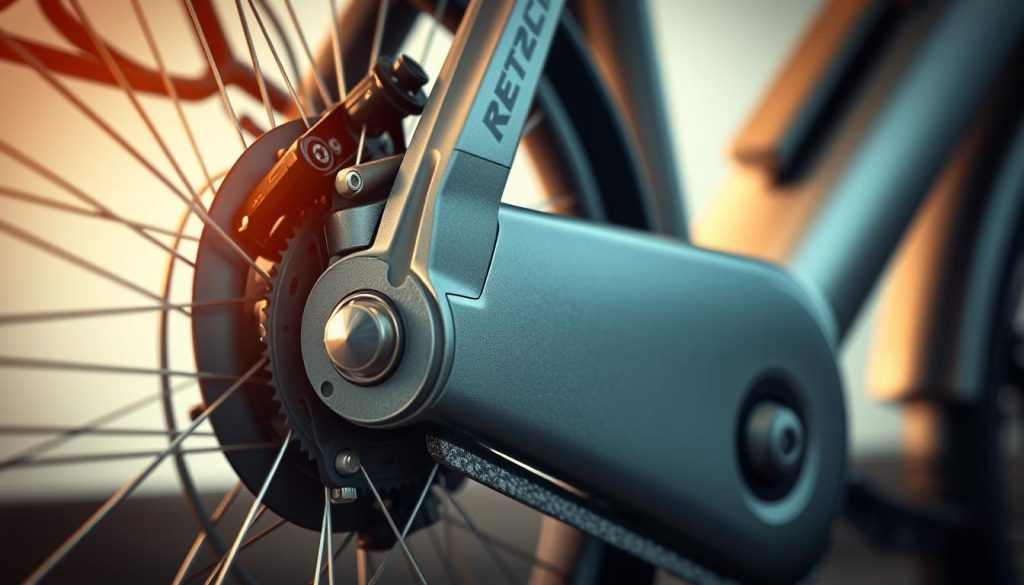
Torque sensors and mid-drive motors work together for instant response. When you pedal uphill, the system delivers up to 300% power amplification. Riders maintain momentum without exhausting bursts of effort.
Studies reveal measurable gains. UC Davis researchers found e-bike users climb hills 35% faster than traditional cyclists. Accelerations from stops improve by 28%, making urban intersections less stressful.
| Pedal-Assist Level | Acceleration Boost | Climbing Efficiency |
|---|---|---|
| Eco Mode | 15% increase | 2x easier |
| Sport Mode | 30% increase | 3.5x easier |
| Turbo Mode | 45% increase | 5x easier |
These innovations explain why 63% of commuters prefer riding electric bikes over standard models. Casual cyclists enjoy extended range, while enthusiasts tackle tougher routes. The technology adapts to your goals—not the other way around.
Real-world tests show why benefits cycling attracts diverse users. A Portland trial saw participants ride 18% farther weekly with motor assistance. Steady power output lets riders focus on enjoyment rather than endurance limits.
Enjoyable and Inclusive Recreational Cycling
Electric bicycles are sparking connections beyond transportation, creating vibrant social networks on two wheels. Group rides and community events turn solitary trips into shared experiences, breaking down barriers between age groups and fitness levels.
Social Interactions and Community Engagement
Weekly group rides organized by bike shops attract diverse crowds. Retirees chat with college students while navigating park trails, and parents join teen riders for weekend explorations. A University of Michigan study found 82% of participants formed new friendships through e-bike meetups.
Cities are leveraging this trend to strengthen neighborhoods. Austin’s “Pedal Pals” program connects solo riders with local cycling groups. Participants report 40% higher engagement in community events compared to non-riders. Shared routes become conversation starters, whether discussing battery ranges or favorite coffee stops.
Recreational cycling clubs now cater specifically to motor-assisted riders. These groups organize themed rides—from historical tours to sunset cruises—that prioritize enjoyment over athleticism. The relaxed pace allows conversations to flow as easily as the scenery.
This social dimension explains why 67% of riders stick with cycling long-term. When exercise feels like hanging out with friends, healthy habits form naturally. Communities thrive as people rediscover their neighborhoods together, one assisted pedal stroke at a time.
Transforming Daily Commutes into Active Workouts
Morning traffic jams now double as workout opportunities for savvy commuters. By swapping car seats for bicycle saddles, people turn gridlock into gains—pedaling past standstill vehicles while boosting heart rates. This shift transforms wasted time into measurable health progress.
Fueling Fitness Through Routine Travel
Urban professionals discover that riding to work provides better energy than caffeine. A Denver teacher reduced her coffee intake by 40% after switching to e-bike commuting. Her 12-mile round trip maintains a steady 115 bpm heart rate—equivalent to brisk walking with groceries.
Data reveals commuters using pedal-assisted bikes:
- Burn 280+ calories per hour during rides
- Maintain workout intensity levels ideal for fat burning
- Report 33% fewer sick days compared to car users
Environmental wins compound personal achievements. Each 10-mile e-bike commute prevents 5 pounds of CO2 emissions daily—equivalent to planting 12 trees monthly. Chicago office workers in a recent trial reduced their carbon footprints by 18% while lowering blood pressure.
The magic lies in consistency. What begins as a practical commute becomes a stealth fitness regimen. Riders often extend routes home, exploring neighborhoods while unknowingly building endurance. Every red light becomes a chance to stretch; each hill transforms into a personal challenge.
Advanced Technology and Efficient Energy Use
Cutting-edge engineering is redefining personal transport, with electric bicycles leading the charge. Modern designs blend smart energy management with powerful performance, making commuting smoother and more sustainable. These innovations address common concerns like range anxiety and maintenance costs while keeping riders connected to the road.
Powering Progress in Ride Technology
Mid-drive motors and torque sensors now optimize energy use based on terrain. Unlike traditional bikes, these systems adjust power output instantly when climbing hills or accelerating. Lithium-ion batteries with energy recovery modes extend range by 20-30% compared to older models.
| Component | Traditional Bike | Electric Bike | Efficiency Gain |
|---|---|---|---|
| Motor | N/A | 250-750W assist | Up to 5x hill power |
| Battery | Manual power | 30-100 mile range | 2.5 hrs charge time |
| Energy Use | 100% rider | 15-30% motor assist | 75% less fatigue |
Recent evidence from MIT reveals modern e-bike batteries retain 80% capacity after 1,000 charges. Commuters benefit from reliable performance—systems now monitor cell health and balance loads automatically. This tech reduces energy waste by 18% compared to early models.
Transport experts highlight how these upgrades support urban mobility. Riders cover longer distances without sweat, while regenerative braking recovers energy during stops. Cities like San Francisco report 35% faster commute times for e-bike users versus traditional cyclists.
Cost-Effective and Sustainable Urban Transportation
Urban budgets and commuter wallets are finding relief through pedal-assisted transportation. Research reveals that switching to electric bikes cuts annual transport costs by 63% compared to car ownership. This financial advantage grows when paired with employer incentives and smart energy use.
Cycle-to-Work Programs Gain Momentum
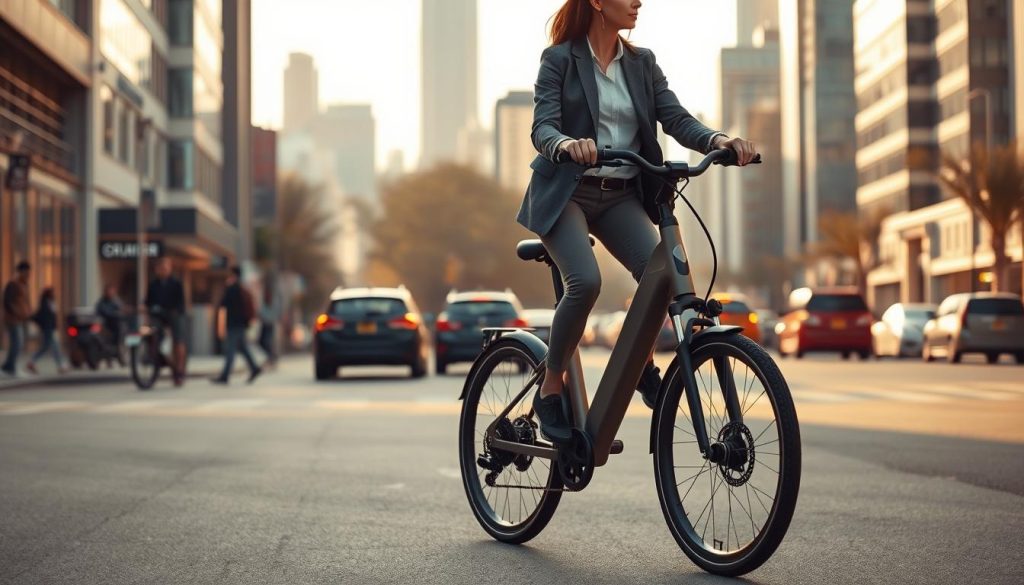
Over 1,200 US companies now offer e-bike purchase plans through pre-tax salary deductions. Employees save up to 30% on bike costs while reducing parking fees and fuel expenses. Data from Denver’s program shows participants save $1,800 yearly compared to driving.
Breaking Down the Numbers
A 5-year cost comparison highlights why commuters are switching:
| Expense | Car | E-Bike |
|---|---|---|
| Purchase/loan | $25,000 | $2,500 |
| Annual maintenance | $1,200 | $180 |
| Energy/fuel | $1,500 | $30 |
City data proves the impact. Portland commuters using e-bikes save $6,200 annually versus car owners. Energy-efficient motors require 98% less power than electric cars per mile—a win for personal budgets and urban infrastructure.
Recent studies show 79% of riders recoup their e-bike investment within 18 months. As battery tech improves and cities expand bike lanes, these savings will keep growing.
Enhanced User Safety and Convenience
Navigating city streets becomes less daunting with smart engineering built into modern electric bicycles. Urban riders gain confidence through features designed for crowded environments, from intuitive braking systems to visibility enhancements. These innovations help people move safely while maintaining natural traffic flow.
Smoother Rides Through Smart Design
Wider tires and lower centers of gravity give riders stability on uneven roads. Integrated lights and reflective materials keep people visible at night. Responsive motor systems adjust power levels instantly when obstacles appear, preventing sudden jerks or skids.
Torque sensors play a key role in safe acceleration. They measure pedal pressure 1,000 times per second, delivering precise power boosts. Riders maintain control even when starting on steep hills or wet surfaces.
| Vehicle Type | Accidents per 1M Miles | Injury Severity | Urban Maneuver Score |
|---|---|---|---|
| E-Bikes | 2.1 | Low | 89/100 |
| Cars | 4.7 | Moderate | 72/100 |
| Traditional Bikes | 3.8 | Medium | 81/100 |
Chicago’s transportation department found e-bike riders had 38% fewer collisions than regular cyclists last year. The controlled power output and steady speeds make sudden stops less likely. People report feeling more secure during rush hour commutes.
Ergonomic handlebars and adjustable seats reduce fatigue on longer trips. One New York rider shared: “I can focus on traffic instead of sore wrists. The bike does the heavy work, but I stay in command.”
Improved frame geometry and weight distribution further boost safety. Batteries mounted near the rear wheel keep bikes balanced during sharp turns. These details help people ride confidently through tight spaces and busy intersections.
Innovative Programs and Community Initiatives
Urban centers are tackling transportation challenges by integrating e-bikes into public health and mobility strategies. Creative partnerships between cities, employers, and healthcare providers are making pedal-assisted cycling an accessible mode for diverse populations.
Bike Share and Prescribe-a-Bike Systems
Public bike-share networks now feature e-bikes as core components of urban transit. Boulder’s program reported 12,000 rides in its first month—40% replacing car trips. Health clinics amplify access through “prescribe-a-bike” initiatives, where doctors recommend cycling to manage conditions like obesity.
Minneapolis saw a 40% increase in weekly bike-share usage after adding e-bikes. Participants receive discounted memberships when committing to three rides per week. This approach turns occasional users into regular riders.
Policy Shifts Driving E-Bike Adoption
Cities are redesigning infrastructure to prioritize micro-mobility. Protected bike lanes and e-bike subsidies help residents choose cycling as their primary mode. Boston’s recent ordinance requires new buildings to include charging stations, encouraging commuters to ditch cars.
These policy changes yield measurable results. Portland observed 22% more riders per week after expanding bike lanes. Employers partnering with local governments report 35% of staff using e-bikes for daily commutes—a win for traffic reduction and public health.
In-Depth Research: E-Bikes and Their Impact on Mental Well-Being
Mental health researchers are uncovering fascinating links between pedal-assisted transportation and emotional wellness. Studies show regular riders experience reduced anxiety and sharper focus, challenging assumptions about exercise intensity requirements. The blend of fresh air, gentle movement, and control over exertion creates unique psychological advantages.
Scientific Studies on Exercise and Mood Improvement
A Stanford trial followed 300 users for eight weeks. Those riding 25 minutes daily saw 34% greater stress reduction than non-riders. Even 10-minute grocery trips boosted mood scores by 19% through increased serotonin production.
Different ride types yield distinct benefits:
| Activity | Duration | Psychological Benefit |
|---|---|---|
| Commuting | 15+ mins | 27% lower frustration levels |
| Leisure rides | 20+ mins | 41% creativity increase |
| Exercise sessions | 30+ mins | 33% better sleep quality |
Casual users report unexpected perks. One Chicago nurse shared: “My 12-minute lunch ride clears mental fog better than coffee.” Researchers attribute this to rhythmic pedaling activating brain regions linked to calmness.
Data from Portland’s cycling initiative reveals 68% of participants felt more socially connected through group rides. The combination of light exercise and outdoor exposure creates compound benefits—proving mental wellness thrives on two wheels.
Final Thoughts: Riding Towards a Healthier Future
The journey toward sustainable living and personal wellness gains momentum with pedal-assisted transportation. By blending smart tech with physical effort, these innovations turn everyday trips into opportunities for growth—both for riders and communities.
Regular pedaling engages leg muscles while protecting joints, creating a low-impact path to strength. Studies confirm consistent use supports heart health through steady cardiovascular engagement. Urban commuters who switch report easier hill climbs and longer rides, proving you don’t need intense workouts to stay fit.
Exploring new routes becomes an adventure rather than a chore. Neighborhoods feel closer when you glide past traffic, discovering shortcuts and scenic paths. This shift in perspective transforms how people interact with their cities—one pedal stroke at a time.
As battery tech evolves, so does our potential to merge mobility with well-being. The future of transportation isn’t just about getting somewhere—it’s about arriving healthier and happier. Ready to redefine your commute? Consider how pedal-assisted rides could energize your routine while lightening your environmental footprint.