
Electric bikes have changed how we move around cities, offering a green and quick way to get places. As more people choose e-bikes, knowing how much it costs to replace the battery is key. This is important for those who want their bikes to last and perform well.
The cost of lithium-ion batteries is a big deal for e-bike owners. These batteries are what make e-bikes go, affecting how far and fast you can ride. The price to replace them can vary a lot, depending on the brand, size, and tech used.
For those who ride e-bikes, keeping the battery in good shape and eventually replacing it is part of the deal. Understanding what affects the cost of replacing e-bike batteries helps you plan your budget. It also helps you make better choices for your electric bike.
Today’s e-bike batteries cost between $200 and $800, with top-of-the-line ones costing even more. The price depends on the battery’s size, the brand, and the latest tech used.
This guide will cover all you need to know about lithium-ion battery costs, how to replace them, and how to make your e-bike battery last longer. By the end, you’ll have the knowledge to make smart choices for your electric bike.
Understanding E-bike Battery Replacement Cost: Price Ranges and Factors
Replacing an electric bike battery can be a big deal for e-bike owners. The lifespan of an electric bike battery depends on several important factors. These factors directly affect how much it costs to replace the battery. Riders need a good guide on electric bicycle maintenance to make smart choices.
The cost of replacing a battery can vary a lot. Several key elements play a role in this. Knowing these factors helps riders plan their budget and think about future maintenance.
Brand-Specific Battery Costs
Each e-bike maker sets its own price for batteries. Brands like Specialized and Trek usually charge more. The cost depends on:
- Battery technology
- Manufacturing quality
- Brand reputation
- Warranty coverage
Labor and Installation Fees
Getting a pro to replace your battery adds extra costs. Bike shops usually charge between $50 to $200 for this service. This price varies based on how complex the job is and local labor rates. Some riders might choose to do it themselves to save money.
Battery Capacity Impact on Price
The size of the battery affects its cost. Bigger batteries, which offer more range and power, cost more. Here are some typical price ranges:
- Standard 36V batteries: $200-$400
- Mid-range 48V batteries: $400-$600
- High-performance 52V batteries: $600-$900
Smart e-bike owners should think about the long-term value. They should weigh the initial cost against the battery’s performance and lifespan.
Signs Your Electric Bike Battery Needs Replacement
Keeping your e-bike in top shape is key. Knowing when to replace the battery can prevent sudden stops. It also helps keep your electric bike running at its best.
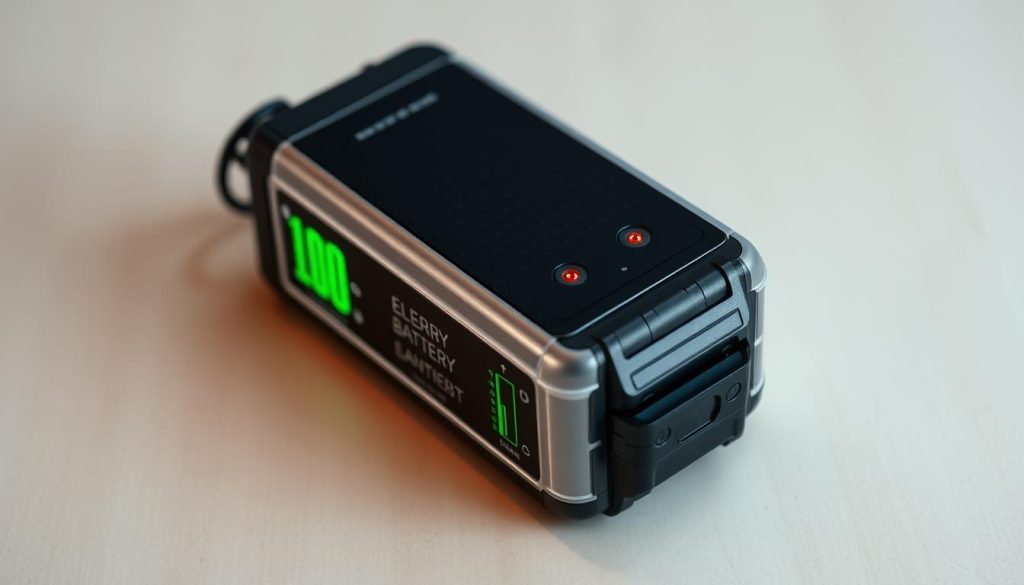
Your e-bike’s battery is its heart. It’s important to check its health regularly. Look out for signs that your battery might be failing.
Decreased Range and Performance
A big drop in your e-bike’s range is a clear sign of battery trouble. Here are some performance issues to watch for:
- Less distance per charge than before
- Slower start and lower top speed
- Power that’s not consistent during rides
Physical Signs of Battery Deterioration
Checking your battery visually can tell you a lot. Keep an eye out for these signs:
- Bulging or swelling of the battery
- Corrosion on battery connections
- Heat that’s not normal when charging
- Cracks or wear on the battery’s outside
Battery Age and Charging Cycles
Experts say to keep track of your battery’s age and how many times you’ve charged it. Most lithium-ion batteries last 500-1000 charge cycles before they start to decline.
If you see several signs of wear, it might be time for a new battery. This will keep your e-bike reliable and performing well.
DIY vs Professional E-bike Battery Replacement
Choosing between DIY and professional ebike battery repair can be tough. It depends on your skills, tools, and comfort with electrical parts.
DIY ebike battery replacement needs special knowledge and care. Before you start, think about these important points:
- Technical expertise in electrical systems
- Specialized tools for battery removal and installation
- Understanding of specific e-bike battery specifications
- Potential warranty implications
Professional battery replacement has big benefits for those unsure about DIY. Certified technicians offer detailed ebike battery replacement guide services. They include:
- Precise battery compatibility assessment
- Professional installation techniques
- Warranty protection for new components
- Diagnostic testing of electrical systems
Cost is a big factor in your choice. DIY might seem cheaper at first, but pros can save you from costly errors. They ensure your bike’s electrical system is safe.
Your decision should weigh your confidence, time, and money. If unsure, getting help from a professional e-bike repair service is best. It keeps your bike running well and lasts longer.
Maximizing Your E-bike Battery Lifespan and Investment
Looking after your electric bike’s battery is key to keeping it running well and saving money. Knowing how to care for your e-bike battery is the first step in electric bike maintenance. With the right approach, you can make your battery last longer and work better.

Proper ebike battery charging is important for its health and life span. Several factors affect how well your battery will perform over time.
Optimal Charging Techniques
- Avoid completely draining the battery before recharging
- Keep charge levels between 20% and 80% for maximum battery health
- Use the manufacturer’s recommended charger
- Unplug the battery once it reaches full charge
Smart Storage Practices
How you store your battery is also crucial. Store it in a cool, dry place, away from sunlight and extreme temperatures.
| Storage Condition | Battery Impact |
|---|---|
| Cool, Dry Location (50-77°F) | Optimal Battery Preservation |
| Extreme Heat (Above 95°F) | Accelerated Battery Degradation |
| Extreme Cold (Below 32°F) | Reduced Battery Performance |
Temperature Management
Temperature affects your battery’s performance. Keep it away from extreme temperatures to keep it working well. In winter, store it indoors and wait for it to warm up before charging.
- Keep battery away from direct sunlight
- Allow battery to reach room temperature before charging
- Use protective covers during extreme weather
By following these tips for charging and maintaining your ebike battery, you can keep your investment safe. This way, you’ll enjoy reliable performance from your e-bike battery.
Sustainable Options: Recycling and Refurbishing Old E-bike Batteries
It’s important to dispose of e-bike batteries responsibly to protect the environment. Recycling is a cost-effective way to reduce waste. Many places now accept e-bike batteries for recycling, helping to save resources and reduce harm to the planet.
Recycling programs for e-bike batteries are growing in the United States. You can drop off your battery at bike shops, electronics stores, or recycling centers. These programs help get valuable metals like lithium and cobalt back into new batteries. Some companies even give credits or discounts for recycling old batteries.
Refurbishing batteries is another green choice. Experts can fix batteries by replacing parts, saving you money. This method cuts down on waste and makes your e-bike’s battery last longer.
By recycling and refurbishing, e-bike owners help the environment. Every recycled battery is a step towards a cleaner future. It supports a greener cycling community and a more sustainable economy.