
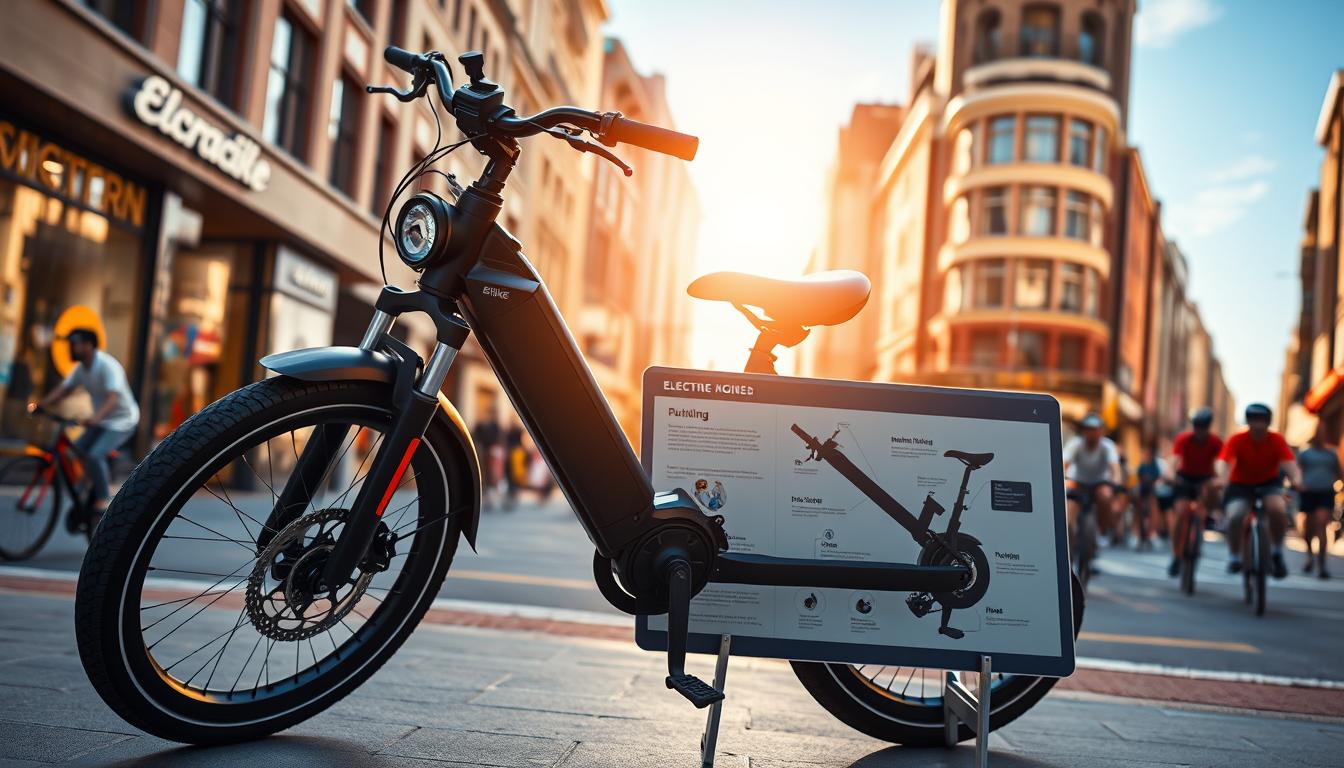
Finding the right electric bicycle can feel overwhelming with so many options available. This guide simplifies the process by breaking down essential features, performance factors, and expert recommendations to match your lifestyle.
Modern electric bikes blend pedal power with battery-assisted motors, making hills feel flat and long rides more enjoyable. Whether you’re commuting daily or exploring trails, understanding components like motor strength and battery range ensures you pick a model that fits your needs.
We’ll explore how terrain impacts your choice, why test rides matter, and what separates high-quality frames from budget options. You’ll also learn about warranties, service networks, and how cargo capacity influences practicality for errands or family use.
From Class 1 to Class 3 models, each category serves different riding styles. We’ve gathered insights from trusted sources to help you prioritize features without overspending. Let’s dive into what makes these eco-friendly machines a smart alternative to gas-powered vehicles.
Understanding Your E-Bike Needs
Your local landscape and weather play a bigger role in selecting a bike than you might think. Steep hills demand stronger motors, while rainy climates require water-resistant parts. Let’s explore how to match your riding habits with the right features.
Assessing Your Riding Terrain and Climate
Rugged trails need fat tires and robust suspension systems. Flat city streets work best with lightweight frames and efficient batteries. Cold temperatures can reduce battery life by 20-30%, so consider models with thermal protection if you ride in frosty areas.
| Terrain Type | Key Features | Ideal Battery Range |
|---|---|---|
| Urban | 500W motor, puncture-resistant tires | 30-50 miles |
| Hilly | 750W+ motor, hydraulic brakes | 20-40 miles |
| Off-Road | Full suspension, 4″ tires | 25-35 miles |
Personal Lifestyle and Usage Factors
Daily commuters should prioritize comfort and cargo space. Weekend adventurers might opt for higher speed limits and off-road capabilities. Always test ride models at your local shop – a 15-minute trial reveals more than specs ever could.
Parents carrying kids need sturdy rear racks, while fitness riders benefit from adjustable pedal assist. Remember: the right bike feels like an extension of your routine, not a complicated machine.
Breaking Down Key E-Bike Components
Understanding the core elements of an electric bicycle ensures you invest in a machine that lasts. Let’s explore the critical parts that define performance and comfort.
Battery, Motor, and Electronic Essentials
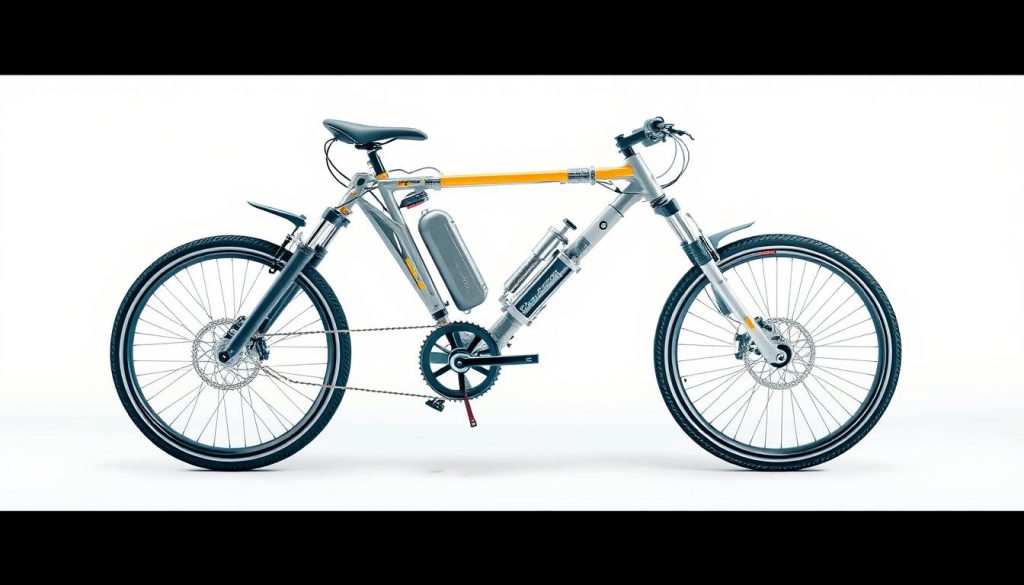
Modern batteries come in two styles: integrated and removable. Built-in versions like Bosch PowerTube save space but require professional servicing. Removable packs let you charge anywhere – perfect for apartment dwellers.
Mid-drive motors, found in Specialized Turbo models, center weight for better hill climbing. Hub motors simplify maintenance but strain spokes on rough terrain. Both types work with pedal assist, though throttle systems add instant acceleration.
Frame Design, Saddles, and Accessories
Aluminum frames balance affordability and durability. Steel absorbs vibrations better for bumpy commutes. Ergonomic saddles from brands like REI Co-op Cycles reduce fatigue during long rides.
Accessories transform functionality. Waterproof panniers handle groceries, while adjustable stems customize handlebar height. Always check rack weight limits if carrying cargo regularly.
Exploring E-Bike Technology and Test Rides
Modern electric bikes blend smart engineering with rider-focused innovations. Advanced sensors adjust motor power based on pedal pressure, while regenerative braking extends battery life. These features work together to create smoother rides across various terrains.

The Benefits of a Test Ride for Fit and Comfort
Nothing replaces sitting on a bike and feeling how it responds. A 10-minute trial reveals if the frame suits your height and reach. Check if your feet touch the ground comfortably when stopped – crucial for safety in traffic.
During test rides, pay attention to how the motor handles hills. Does it provide steady power or surge unexpectedly? Try switching between pedal assist levels to gauge responsiveness. Throttle-controlled models should accelerate smoothly without jerking.
| Feature | What to Check | Why It Matters |
|---|---|---|
| Frame Fit | Standover clearance, handlebar reach | Prevents back strain |
| Motor Response | Hill climbing at 10 mph | Shows real-world power |
| Braking | Stopping distance on wet pavement | Ensures safety |
| Display Readability | Visibility in sunlight | Keeps data accessible |
Digital dashboards track speed, battery range, and distance. Look for screens that stay readable in bright light. Some models even suggest efficient routes based on remaining power.
Local bike shops often have experts who explain technical details. They’ll help match your riding style with the right class and features. Remember: a proper test ride prevents costly mistakes and ensures years of enjoyable trips.
e-bike buying tips: Choosing the Right Model for Your Ride
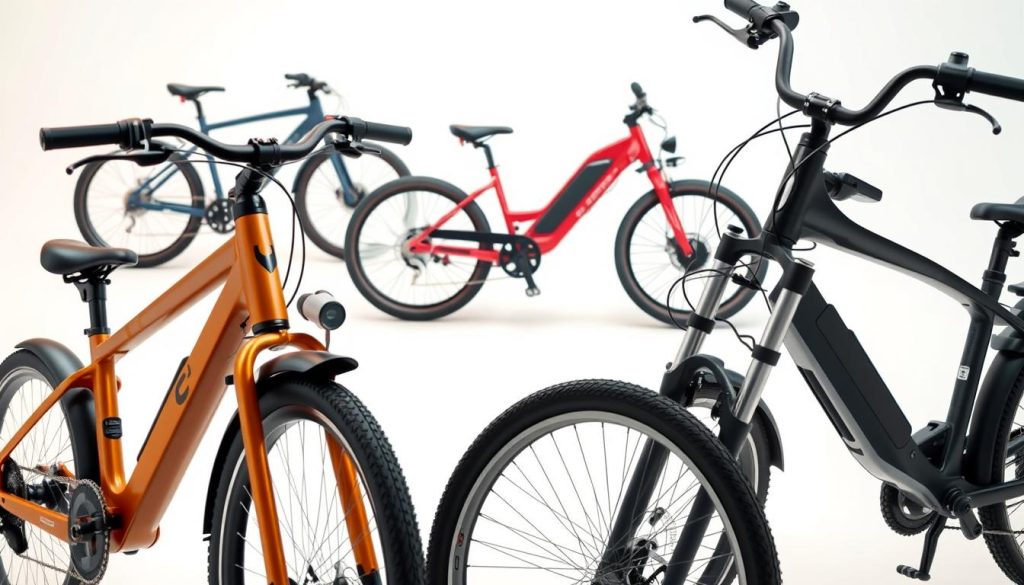
Selecting the perfect electric bicycle involves balancing technical specs with real-world needs. Brands like Trek and Rad Power use premium parts that last longer, while budget options often cut corners on gears and brakes. Let’s explore how to spot quality differences and match them to your riding style.
Brand Reputation Meets Component Durability
Leading manufacturers invest in reliable batteries and motors. Shimano gears on higher-end models shift smoother than generic derailleurs. Check if the brand offers local repair shops – this saves time if adjustments are needed later.
Lightweight aluminum frames from Specialized handle mountain trails better than steel counterparts. Mid-drive motors provide natural pedal feel, while hub systems work well for flat commutes. Always compare warranty lengths – 2+ years signals confidence in components.
Decoding Performance Specs
Battery capacity (measured in watt-hours) determines how far you’ll go. A 500Wh pack typically delivers 40 miles, but hills cut that range. Motors rated 250W handle cities, while 750W versions conquer steep grades.
| Feature | Commuter Model | Adventure Model |
|---|---|---|
| Motor Power | 350W hub | 750W mid-drive |
| Battery Range | 45 miles | 30 miles |
| Max Speed | 20 mph | 28 mph |
| Ideal Terrain | Paved roads | Mixed surfaces |
Throttle systems let you cruise without pedaling – great for quick starts at traffic lights. Test different pedal assist levels to find your sweet spot between workout intensity and battery conservation. Remember: the best bike feels intuitive from the first ride.
Navigating Price, Warranty, and Post-Purchase Service
Smart budgeting transforms your electric bike from a purchase into a long-term asset. Prices range from $1,500 commuter models to $10,000 performance machines. Entry-level bikes handle daily errands, while premium versions offer advanced motors and extended range.
Protecting Your Investment
Quality manufacturers like Trek and Giant provide 2-3 year warranties covering batteries and motors. Basic plans often exclude wear items like tires. Always check if local shops honor warranties – some require direct manufacturer claims.
| Coverage Type | Standard Duration | Key Exclusions |
|---|---|---|
| Battery | 2 years | Capacity below 70% |
| Motor | 3 years | Water damage |
| Frame | Lifetime | Crash damage |
Local repair shops become partners in bike ownership. Ask about service packages during purchase. Many offer free tune-ups for the first year. Heavy models (50+ lbs) need professional maintenance – confirm your shop handles electric components.
Store batteries at room temperature to prevent capacity loss. Avoid leaving them fully charged for weeks. Some manufacturers track charge cycles and may void warranties for improper care.
Three service essentials:
- Test ride loaners during repairs
- Certified technicians for motor updates
- Transparent labor rates
Choosing a shop with diagnostic tools ensures accurate fixes. Check online reviews mentioning specific electric bike repairs. Your perfect ride deserves support matching its quality.
Wrapping Up Your E-Bike Journey
Choosing your ideal electric bicycle becomes simpler when you focus on what truly matters. Matching motor strength to your terrain, selecting frames that support daily use, and prioritizing battery range over flashy extras creates a ride that works for years. Remember: components like hydraulic brakes and ergonomic seats impact comfort more than top speeds ever will.
Test rides remain your best tool for evaluating real-world performance. Local bike shops offer priceless insights about maintenance and model quirks. They’ll help decode warranty terms and suggest accessories that boost practicality, whether you’re hauling groceries or tackling steep hills.
Balancing power needs with lifestyle demands ensures every pedal stroke feels rewarding. Models with modular batteries adapt better to changing routines, while proper frame geometry prevents fatigue during long commutes. Pair these features with reliable service networks, and you’ll enjoy smoother rides through every season.
Your perfect electric companion awaits – one that turns errands into adventures and transforms how you move through the world. With these insights, you’re ready to navigate showrooms confidently and find a machine that truly fits your life’s rhythm.