
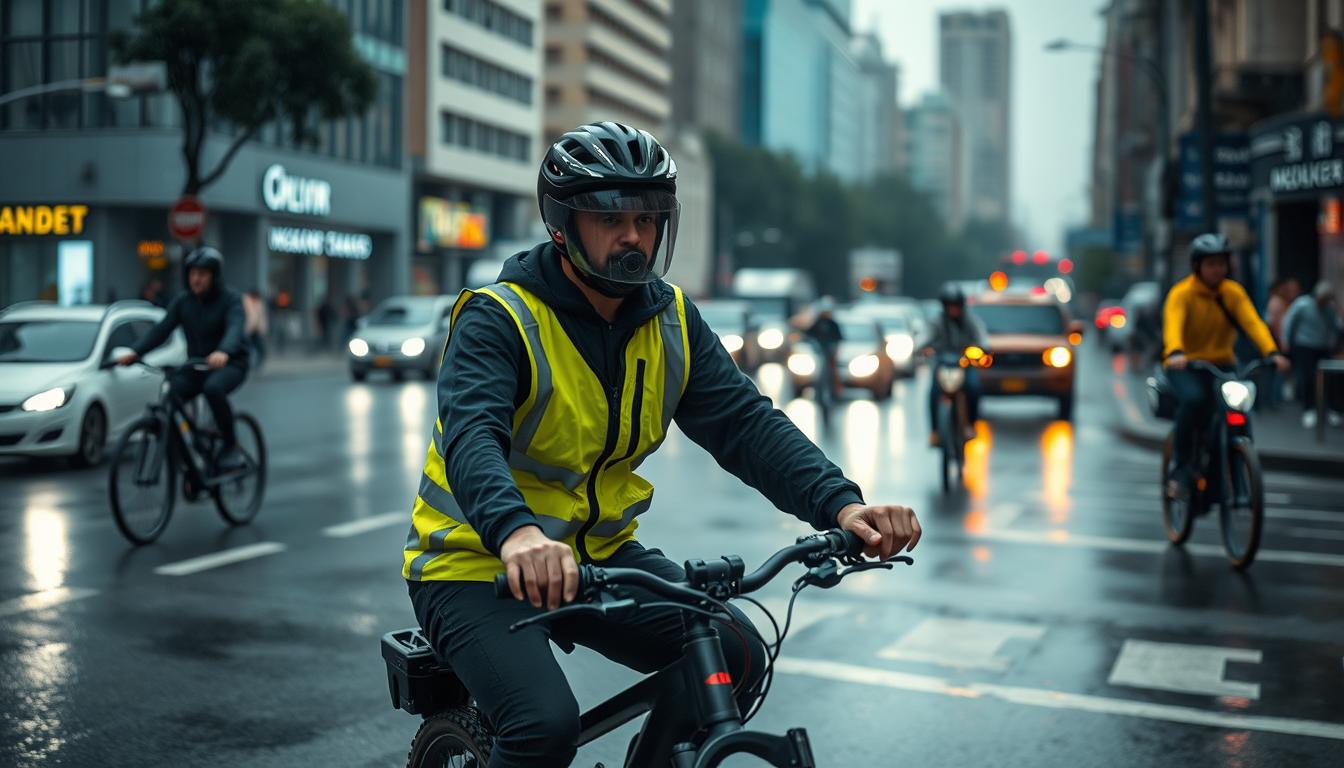
Electric bikes are transforming how people commute, but staying secure on busy roads requires more than just balance. Whether you’re a daily rider or new to pedal-assist technology, understanding how to navigate challenges like heavy traffic or rain ensures every trip remains enjoyable.
This guide focuses on practical strategies for riders. Protective gear like reflective clothing and properly fitted helmets boosts visibility, while mastering techniques like hand signals helps communicate intentions to drivers. Regular maintenance checks—like testing tire pressure or brake responsiveness—also play a critical role in preventing accidents.
Data from cycling organizations and urban mobility studies shows that proactive habits reduce risks significantly. By combining real-world insights with easy-to-follow advice, we’ll help you build confidence in diverse conditions. Let’s prioritize preparedness so your next ride feels smooth, no matter what the day brings.
Essential Protective Gear for E-Bike Riders
Protective accessories are non-negotiable for cyclists navigating today’s busy streets. The right equipment blends comfort with critical safeguards, letting you focus on the ride while staying prepared for surprises.
Proper Helmet Fitting and Certification
A well-fitted helmet is your first line of defense. Look for certifications like CPSC or EN1078, which ensure impact resistance. Adjust straps so the helmet sits snugly—no wobbling—and covers your forehead without obstructing vision.
Reflective Clothing, Vests, and LED Accessories
Bright colors and reflective strips make you stand out in dim light. Pair moisture-wicking clothing with LED clip-ons or wheel lights for 360° visibility. These additions help drivers spot you earlier, especially at dawn or dusk.
Combining certified helmets with smart apparel choices reduces risks dramatically. Test gear regularly—like checking reflectors after washes—to maintain peak performance. When every detail counts, proper preparation keeps rides smooth and secure.
Mastering Traffic Navigation and Hand Signals
Clear signals and anticipation are your best tools in bustling urban environments. Studies show riders who communicate intentions effectively reduce collision risks by 48%. Start by practicing deliberate movements drivers recognize instantly.
How to Signal Clearly to Drivers
Extend your left arm straight for a left turn. For right turns, bend your elbow upward—this universal gesture cuts through confusion. Always hold signals for 3-5 seconds before maneuvering. Keep motions sharp and visible, even in low light.
Reading Urban Traffic Patterns
Watch for brake lights three cars ahead. Position yourself where drivers expect cyclists—never hug parked cars too closely. Glance over your shoulder every 8-10 seconds to track vehicles approaching from behind. If a truck’s turn signal activates, slow down—they often need extra space to complete wide turns.
Maintain a buffer zone around buses and delivery vans. Their frequent stops create sudden hazards. By signaling early and predicting others’ actions, you transform chaotic streets into predictable pathways.
Pre-Ride Maintenance and Safety Checks
A smooth ride starts before you even pedal. Spending two minutes on basic checks helps avoid roadside surprises. These simple habits keep your two-wheeled companion ready for action while prioritizing your well-being.
Brake, Tire, and Battery Inspections
Test your brakes first. Squeeze both levers firmly—they should engage smoothly without sticking. Worn pads often make screeching sounds or feel spongy. Replace them if they’re thinner than a quarter.
Next, examine tire pressure using a gauge. Most models need 30-50 PSI. Underinflated wheels increase rolling resistance, while overinflation reduces grip. Look for embedded glass or cracks in the tread.
| Check | Steps | Frequency |
|---|---|---|
| Brakes | Test lever response, inspect pad thickness | Weekly |
| Tires | Measure pressure, check for wear/damage | Before every ride |
| Battery | Verify charge level, clean contacts | Every 3 charges |
For battery care, ensure terminals are clean and connections tight. Store it in moderate temperatures—extreme heat or cold shortens lifespan. A well-maintained power source delivers consistent mileage.
Consistency matters most. Pair these quick checks with monthly professional tune-ups. When your bike gets regular love, it returns the favor with reliable performance mile after mile.
Adapting to Challenging Weather Conditions
Changing skies demand smarter strategies for two-wheeled travelers. Shifting weather patterns alter traction, visibility, and equipment performance—making adaptation essential for maintaining control. A few thoughtful adjustments keep journeys smooth when nature throws curveballs.
Rain Safety Tips and Reducing Skid Risk
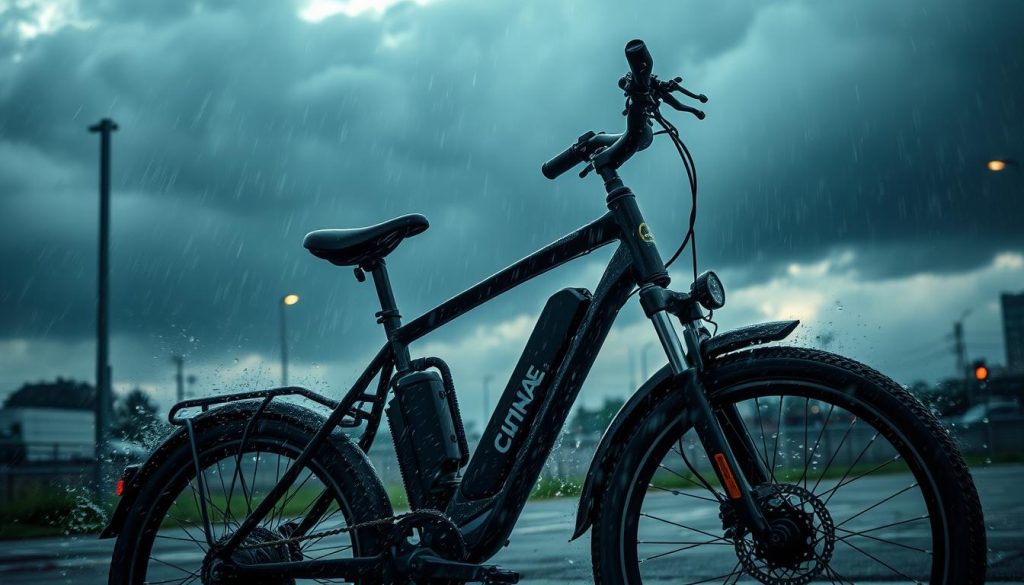
Wet roads reduce tire grip by up to 30%. Opt for treaded tires with deeper grooves that channel water away. Slow your pace before turns, and squeeze brakes gradually—never abruptly—to prevent hydroplaning. Avoid painted road markings and metal surfaces like sewer covers, which become slippery when soaked.
Cold Weather Precautions and Battery Care
Sub-40°F temperatures sap battery efficiency. Store power packs indoors overnight, and wrap them in insulated sleeves during rides. Dress in moisture-wicking base layers topped with windproof jackets to retain warmth without bulk. Check tire pressure more frequently—cold air causes PSI drops that affect handling.
Whether dodging puddles or battling chill, respecting weather’s impact ensures every outing stays enjoyable. Simple preparations transform unpredictable conditions into manageable adventures.
Understanding E-Bike Classifications and Local Laws
Navigating the rules of the road starts with knowing your ride’s capabilities and legal standing. Most states recognize three classes of electric bicycles, each with distinct features that determine where and how you can use them.
- Class 1: Motor assists only while pedaling, stops helping at 20 mph. Allowed on bike paths and roads.
- Class 2: Includes throttle mode without pedaling, also capped at 20 mph. Often restricted from certain trails.
- Class 3: Pedal-assist up to 28 mph, usually requiring speedometers and banned from bike-only paths.
Local regulations vary widely—some cities prohibit throttle models on crowded bike lanes, while others restrict higher-speed models to roads. Always check your municipality’s latest guidelines before riding.
Stay compliant by matching your bike’s class to permitted zones. For example, Class 3 riders might need to avoid multi-use trails. Follow traffic signals like cars, and respect helmet requirements for specific age groups or speed tiers.
Knowing these distinctions helps you ride confidently while respecting community rules. Pair this awareness with common-sense habits to keep journeys both lawful and enjoyable.
Enhancing Visibility on Every Ride
Being visible to others can make the difference between a smooth journey and a risky situation. Low-light conditions like dawn or dusk require extra layers of protection beyond standard gear. Let’s explore how simple upgrades keep you noticeable and secure.
Lighting Solutions That Stand Out
Front and rear lights form your primary defense against blending into the background. Choose white headlamps with 500+ lumens for illuminating dark paths. Red taillights with flashing modes grab drivers’ attention from farther away. Pair these with side-facing LEDs on wheels for 180° coverage.
Reflectors act as silent guardians when lights aren’t enough. Install spoke reflectors that spin with wheels, creating eye-catching movement. Frame-mounted options bounce headlights back to drivers, especially useful at intersections. Studies show bikes with multiple reflectors reduce nighttime collision risks by 55%.
| Type | Purpose | Recommended Features |
|---|---|---|
| Front Light | Illuminates path, signals presence | 500+ lumens, adjustable beam |
| Rear Light | Alerts following traffic | Flashing modes, 100-lumen minimum |
| Wheel Reflectors | Enhances side visibility | 360° reflectivity, durable clips |
| Frame Reflectors | Marks bike outline | Retroreflective tape, weatherproof |
Consider real-world scenarios: A commuter avoided a right-hook collision because their wheel lights alerted a turning driver. Another rider’s jacket reflectors helped a motorist spot them through fog. Quality enhancements pay dividends when conditions turn tricky.
Prioritize upgrades that adapt to your environment. Dense urban areas benefit from intense flashing modes, while rural routes demand brighter steady beams. Test setups during twilight to identify blind spots. When visibility becomes second nature, every ride feels confidently bright.
Defensive Riding Techniques and Road Awareness
Navigating busy streets demands more than just skill—it requires a mindset focused on anticipation and control. Defensive riding means expecting the unexpected, which helps you react faster to sudden changes. This approach reduces collisions by letting you spot risks early, like a car door opening or a jogger stepping off the curb.
Staying Alert to Blind Spots and Larger Vehicles
Large trucks and buses have massive blind spots—often stretching 20 feet beside and behind them. If you can’t see the driver’s mirrors, they can’t see you. Position yourself ahead or far behind these vehicles, never lingering alongside them. Cyclists who hug a truck’s rear wheels risk being unseen during turns.
Maintaining space is equally vital with smaller cars. Drivers might not check mirrors before swerving. Keep at least three seconds of following distance in slow traffic. Increase this gap during rain or fog when stopping times lengthen.
| Vehicle Type | Minimum Safe Distance | High-Risk Scenarios |
|---|---|---|
| Delivery Trucks | 15 feet behind | Parked with hazards on |
| City Buses | 20 feet front/sides | Pulling into stops |
| Passenger Cars | 3-second gap | Sudden lane changes |
Scan intersections early for turning vehicles. Watch pedestrians’ body language—someone looking at their phone might step into bike lanes. By predicting others’ moves and claiming your space responsibly, you create safer roads for everyone.
Routine Upkeep: Brakes, Tires, and Battery Care
Your bike’s reliability hinges on regular attention to its key components. Simple habits preserve performance and prevent costly repairs down the road.
Simple Maintenance Practices for Longevity
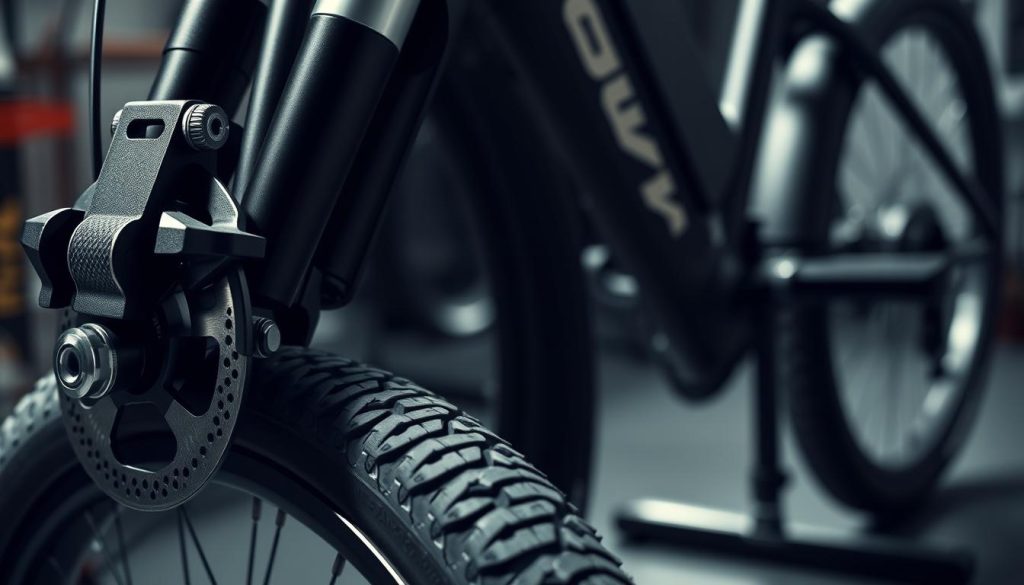
Weekly inspections make a big difference. Wipe brake rotors with isopropyl alcohol to remove grime that weakens stopping power. Check tire pressure using a digital gauge—most models perform best at 35-50 PSI.
Battery terminals need monthly cleaning. Use a dry cloth to remove dust from contacts, ensuring consistent power flow. Store batteries at room temperature when not in use to maximize their lifespan.
- Lubricate chains every 150 miles or after rainy rides
- Tighten loose spokes to prevent wheel wobbles
- Test brake responsiveness before steep descents
Professional tune-ups every six months catch hidden issues. Mechanics measure pad wear, assess motor function, and recalibrate sensors. Pair these visits with daily wipe-downs to keep frames rust-free.
Consistent care reduces breakdown risks and extends your bike’s service life. When components work harmoniously, every journey becomes safer and more enjoyable.
Securing Your E-Bike: Theft Prevention Tips
Protecting your ride starts with smart habits and reliable gear. Over 2 million bicycles disappear yearly in the US, making proactive measures essential. A layered approach deters thieves and keeps your investment safe.
Start with heavy-duty locks. U-lists with hardened steel shackles resist cutting tools better than cable versions. Pair them with chain locks for double protection. Always secure both wheels and the frame to immovable objects like bike racks.
Parking location matters. Choose well-lit areas with foot traffic near security cameras. Avoid isolated spots—thieves prefer privacy. Register your bike’s serial number and take photos of unique features for recovery efforts.
| Lock Type | Security Level | Best For |
|---|---|---|
| U-Lock | High | Quick stops in urban areas |
| Folding Lock | Medium | Commuting with portability |
| Chain Lock | Variable | Supplemental security |
Modern security accessories add extra layers. GPS trackers hidden in seat posts send real-time location alerts. Motion-sensor alarms emit 120dB sounds when tampered with—enough to startle most criminals.
Make quick checks routine. Verify locks are properly engaged before walking away. Remove detachable items like lights or bags. With consistent habits and quality gear, you’ll keep rolling worry-free.
Emergency Preparedness and First Aid Essentials
Even the most cautious riders can face unexpected situations on the road. Being ready with essentials helps turn potential crises into manageable moments. A little preparation goes a long way in keeping journeys stress-free.
What Every Rider Should Carry
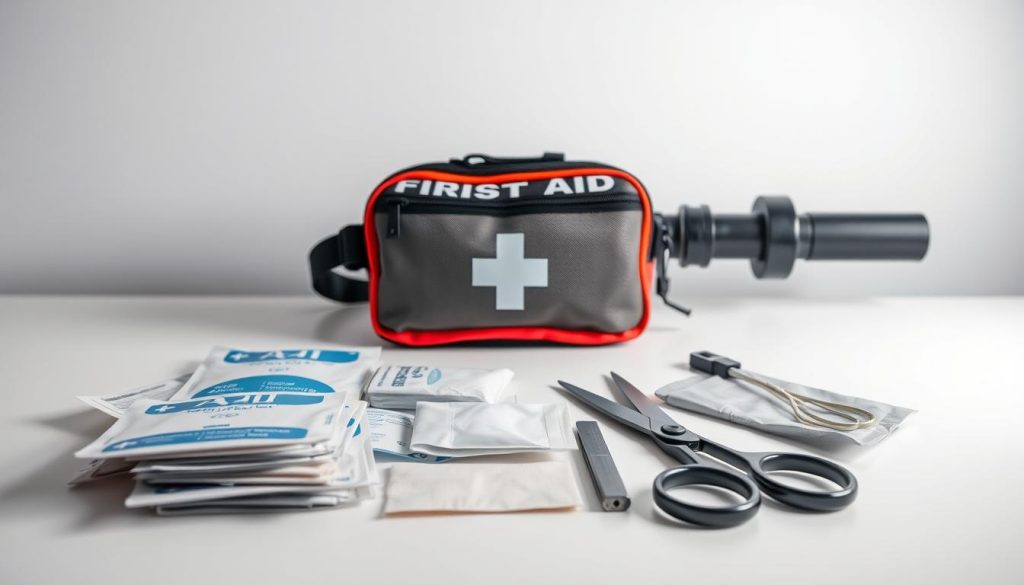
A compact first aid kit is your silent co-pilot. Stock it with adhesive bandages, antiseptic wipes, and pain relievers like ibuprofen. Add tweezers for splinters and a compact thermal blanket for shock management. These items address 90% of minor incidents without weighing down your bag.
Quick response matters. Cleaning a scraped knee within minutes prevents infection. Stabilizing a sprained wrist reduces swelling. Pair your kit with a charged phone and saved emergency contacts—program local hospitals or bike repair shops into speed dial.
| Essential Item | Purpose | Usage Tip |
|---|---|---|
| Sterile Gauze | Stop bleeding | Apply pressure for 5+ minutes |
| Antiseptic Spray | Disinfect wounds | Use before bandaging |
| Emergency Whistle | Signal for help | Three sharp bursts = distress |
Practice using your supplies before heading out. Know how to improvise—a bandana can become a sling, and zip ties temporarily secure loose parts. Share your route with a friend when exploring new areas. Prepared riders handle surprises calmly, turning “what if” into “no problem.”
E-Bike Safety Tips: Riding Smart in Traffic & Bad Weather
Confidence on two wheels comes from blending preparation with adaptability. Whether navigating bustling intersections or damp streets, smart habits create predictable outcomes. Let’s revisit essential practices that transform potential hazards into manageable moments.
Protective equipment forms your daily armor. Reflective layers paired with certified helmets ensure you’re seen and shielded. Combine these with predictable signaling patterns—like holding turns for five seconds—to communicate clearly with drivers.
Regular maintenance keeps mechanical surprises at bay. Weekly brake inspections and tire pressure checks prevent 80% of roadside emergencies. Store batteries indoors during freezing temperatures to maintain optimal performance.
| Key Area | Focus Points | Immediate Actions |
|---|---|---|
| Visibility | LED lights, reflective accents | Test lights pre-ride |
| Road Awareness | Intersection scanning, safe distances | Practice shoulder checks |
| Weather Response | Tire tread depth, layered clothing | Adjust speed for conditions |
Urban environments demand constant vigilance. Position yourself where drivers expect cyclists, and avoid lingering near large vehicles’ blind spots. Wet roads? Reduce speed before turns and brake progressively.
Review these practices before each outing. Consistent application builds muscle memory while fostering safer streets for everyone. When preparation meets awareness, every journey becomes an opportunity for smooth, enjoyable travels.
Leveraging Safety Accessories for Added Protection
While helmets and reflective clothing form the foundation of rider security, advanced accessories add critical layers of defense. These tools bridge gaps in protection, offering targeted support where standard gear might fall short.
Essential Add-Ons for Impact Protection
Padded gloves absorb vibrations during long rides while improving grip on handlebars. Knee and elbow pads with thermoplastic shields reduce road rash risks during falls. Look for breathable mesh panels and adjustable straps for comfort during sudden movements.
High-top footwear with ankle support prevents twists on uneven terrain. Some riders add spine protectors under jackets—a smart choice for off-road adventures. Pair these with moisture-wicking base layers to stay cool under pressure.
| Accessory | Key Feature | Injury Reduction |
|---|---|---|
| Gel-Palm Gloves | Shock absorption | Wrist strain by 40% |
| CE-Certified Pads | Hard shell exterior | Abrasion by 65% |
| Armored Jackets | Reinforced shoulders | Impact force by 50% |
Experts recommend testing gear during low-speed practice sessions. A cyclist in Portland avoided broken fingers when their gloves took the brunt of a tumble. Another commuter’s knee pads prevented surgery after a collision with a curb.
Layering these accessories with standard equipment creates a safety net. Choose items that complement your riding style—urban commuters might prioritize slimline pads, while trail enthusiasts opt for full-body armor. Small upgrades make big differences when seconds count.
Riding Smart: Safe Journeys Ahead
Every journey begins with a choice—to prioritize preparedness over haste. Combining high-visibility gear with routine mechanical checks creates a foundation for secure travels. Defensive habits, like scanning intersections and maintaining safe distances, turn potential risks into controlled moments.
Consistent practices matter most. Certified helmets and reflective layers keep you seen, while regular brake inspections ensure reliable stops. Staying alert in bike lanes and respecting traffic flow reduces accidents caused by sudden moves.
This guide highlights how small actions build lasting security. Adjusting speed for road conditions or keeping space around vehicles isn’t just cautious—it’s empowering. Over time, these steps become second nature, letting you focus on the freedom of movement.
Riding smart isn’t just about rules; it’s about crafting enjoyable experiences. With planning and care, every route becomes an opportunity to explore confidently. Here’s to smooth paths ahead—where awareness and preparation guide your adventures.