
Electric bike motor efficiency is key to e-bike performance. Riders want the best power and range. Modern electric bike tech has changed how we see city travel and fun rides.
The motor system is the heart of an electric bike. Its efficiency affects speed, range, and how much energy it uses. New motor designs give smoother starts, longer battery life, and a better ride.
Top brands like Bosch, Shimano, and Bafang are leading in motor efficiency. They work hard to cut energy waste, improve power, and make rides more fun. Knowing about these techs helps cyclists choose the right bike.
Both pro cyclists and city riders know motor efficiency matters. It makes riding more fun. The search for better motors keeps the e-bike tech world moving forward.
Understanding Electric Bike Motor Efficiency
Electric bike motor efficiency is key to how well an e-bike performs. Riders today want to know how motors turn electrical energy into motion. They look for the most efficient way to do this.
The heart of electric bike motor efficiency is turning electrical energy into motion with little loss. Different motor designs affect this process. This leads to different performance levels and power outputs.
Basic Principles of E-Bike Motors
E-bike motors work by using electromagnetic forces to create rotational power. Important factors for efficiency include:
- Magnetic field strength
- Winding configuration
- Electrical input quality
- Mechanical resistance levels
Types of Motor Systems
There are many motor systems for electric bikes, each with its own efficiency:
- Hub Motors: Built into the wheel
- Mid-Drive Motors: Located near the pedals
- Geared Motors: Offer more torque
Power Output Measurements
Measuring electric bike motor efficiency involves looking at the power-to-weight ratio. This shows how well a motor turns electrical energy into motion without adding too much weight.
Manufacturers show motor efficiency in watts, voltage, and torque. More efficient motors use less energy to produce more power. This improves the rider’s experience and battery life.
How Motor Controllers Impact Performance
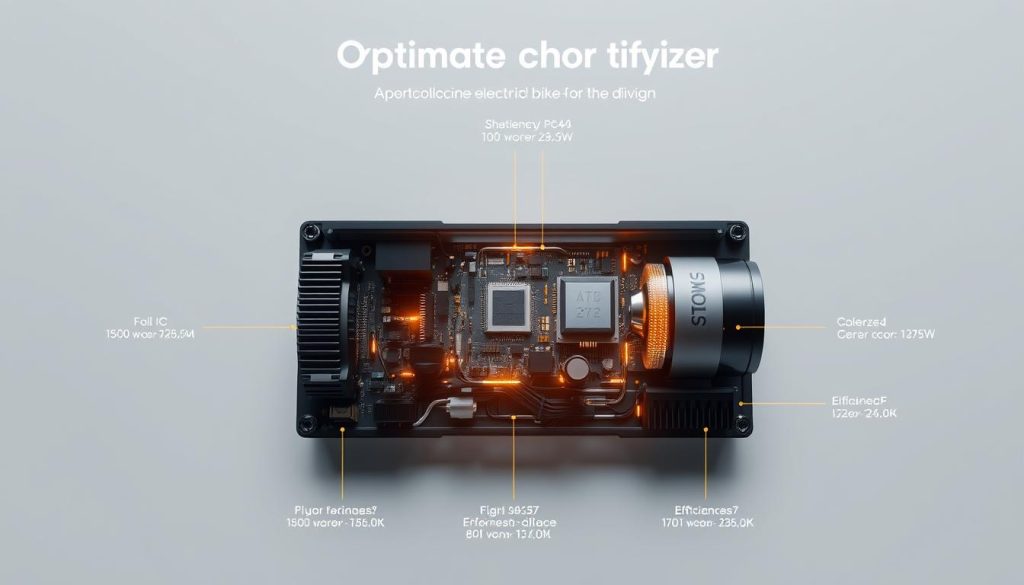
Motor controllers are key to electric bike performance. They manage power and optimize torque. These devices control the flow of electrical energy from the battery to the motor, ensuring efficient power transmission.
The main job of motor controllers is to be efficient. They adjust voltage, current, and power output. This affects the bike’s performance. Advanced controllers make adjustments in real-time to use energy better and improve the ride.
- Regulate electrical energy flow between battery and motor
- Optimize power distribution for maximum efficiency
- Enable intelligent torque optimization
- Protect motor from electrical overload
Torque optimization is vital for motor controllers. They adjust power based on pedaling and terrain. This leads to smoother starts, better hill climbing, and more consistent energy use.
Top electric bikes use advanced motor controllers. These include regenerative braking and adaptive power management. These features boost efficiency, extend range, and improve battery life.
Choosing a high-quality motor controller is important. It greatly affects the ride and the bike’s long-term performance.
Battery Technology and Energy Management
Electric bike performance depends a lot on advanced battery tech. Lithium-ion batteries are key to modern e-bike efficiency. They change how we ride electric bikes.
Today’s electric bikes use smart energy systems to get the most from batteries. Riders can make their e-bikes go further by using the right battery tips.
Lithium-ion Battery Optimization
Good battery management means a few important steps:
- Keep the charge between 20-80%
- Stay away from very hot or cold temperatures
- Follow the maker’s charging advice
- Use smart charging methods
Charging Efficiency Factors
How well a battery charges affects its performance. Things like voltage, current, and battery type matter.
Temperature Effects on Battery Life
Temperature is key for battery health and energy use. Very cold or hot can hurt battery life a lot.
It’s best to store and charge electric bikes in temperatures between 50-77°F (10-25°C). This helps keep the battery working well and lasting longer.
Regenerative Braking and Energy Recovery
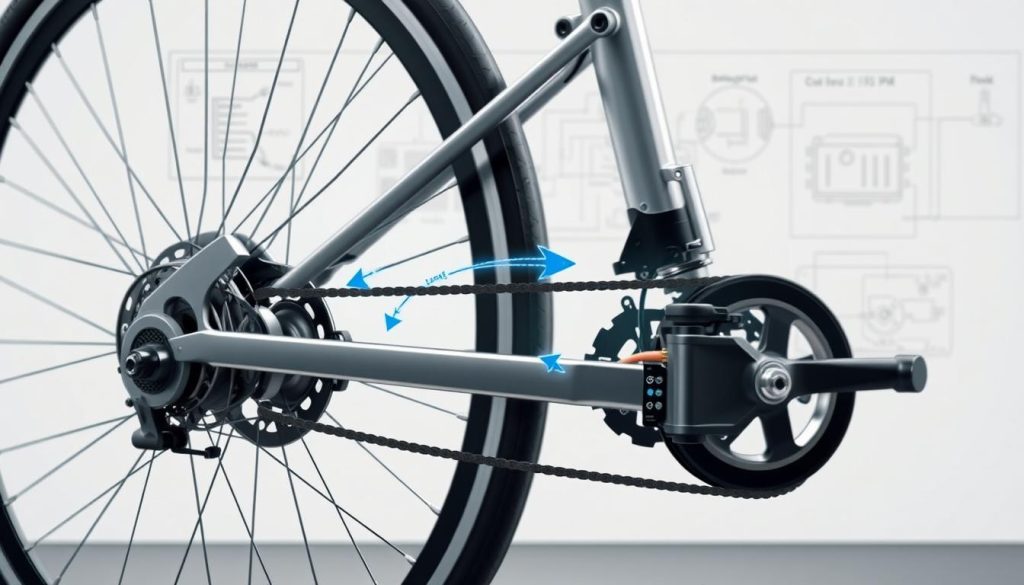
Electric bike technology is getting better, thanks to regenerative braking systems. These systems make e-bikes more energy-efficient. They turn kinetic energy into electrical energy when you slow down.
Regenerative braking systems change energy into something useful. When you slow down or go down a hill, the motor becomes a generator. This way, it captures energy that would be lost as heat with regular braking.
- Captures energy during deceleration
- Converts kinetic motion into electrical charge
- Extends battery range by recycling energy
- Reduces overall energy consumption
There are different types of regenerative braking. Some start automatically on hills, while others need you to press a button. How well they work depends on the terrain, how you ride, and the motor’s design.
Riders can see a small but real increase in battery life. Depending on where you ride and how, regenerative braking can save 5-10% of energy. This is energy that would be lost when braking or coasting.
Optimizing Power-to-Weight Ratio for Better Performance
Electric bike performance depends on the power-to-weight ratio. Riders aiming for top efficiency need to know how design choices affect the bike. Finding the right balance between power and weight can turn an ordinary e-bike into a high-performance one.
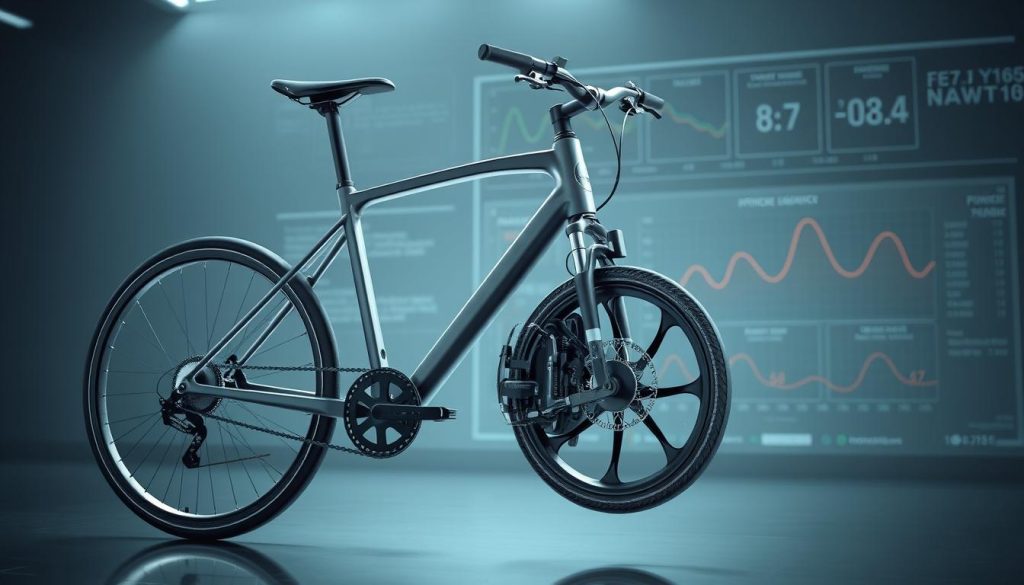
Choosing the right materials is key to finding optimal performance. Using lightweight frame materials is crucial. They help reduce the bike’s weight without losing strength. Carbon fiber and advanced aluminum alloys are great for this, thanks to their strength-to-weight ratio.
Strategic Component Weight Distribution
Smart weight distribution can greatly improve an e-bike’s handling and efficiency. Important points to consider are:
- Centralized motor placement for balanced weight
- Lightweight battery positioning
- Minimizing unsprung weight in suspension components
Aerodynamic Design Principles
Aerodynamic design is more than just looks. It helps reduce wind resistance, boosting the power-to-weight ratio. Streamlined frames and integrated components make electric bikes more efficient in the air.
Motor Placement Strategies
The motor’s location greatly affects bike performance. Hub motors are simple, while mid-drive motors offer better weight distribution and handling. Manufacturers carefully choose motor placement to enhance power output and bike dynamics.
Riders wanting to boost their electric bike’s performance should keep these design principles in mind. The right mix of lightweight materials, strategic component placement, and aerodynamic design can lead to remarkable efficiency and a better ride.
Thermal Management in Electric Bike Motors
Keeping electric bike motors cool is key to their performance. These motors get very hot while running, which can hurt how well they work and how long they last. Knowing how heat affects these motors helps riders get the most out of their e-bikes.
Managing heat in electric bike motors is a big challenge. It’s all about getting rid of heat and avoiding overheating. Too much heat can make the motor less efficient, hurt the battery, and even damage important parts.
- Heat sources in electric bike motors include electrical resistance and mechanical friction
- Optimal operating temperature ranges typically between 50-85°F (10-30°C)
- Excessive heat can reduce electric bike motor efficiency by up to 20%
To keep motors running at their best, coolers are a must. Companies use different ways to keep motors cool, like:
- Aluminum heat sinks for quick cooling
- Ventilated motor casings
- Advanced thermal interface materials
| Cooling Method | Efficiency Improvement | Cost Impact |
|---|---|---|
| Aluminum Heat Sinks | 15-18% | Moderate |
| Liquid Cooling Systems | 20-25% | High |
| Advanced Thermal Materials | 10-15% | Low |
Riders can help keep motors cool by not riding too hard for too long, making sure the motor has good airflow, and watching the temperature during long rides. Regular care and knowing how your e-bike handles heat will keep the motor running well and make your e-bike last longer.
Advanced Torque Sensing and Power Delivery
Electric bike technology has changed how we get power. Now, e-bike motor controllers use smart sensing systems. These systems track how hard you pedal, giving you power that feels just right.
Torque sensing makes riding better by adjusting power based on how hard you pedal. The bike’s sensors pick up on small changes in pedaling pressure. This means you get power that matches your effort perfectly.
Companies like Bosch and Shimano are leading the way in torque sensing. Their tech can sense even the smallest changes in pedaling. This makes the bike feel like an extension of your body, offering better efficiency and range.
As electric bikes get better, we’ll see even more advanced torque sensing. Future bikes might use AI to learn your riding style. This could make your electric bike even more tailored to you.