
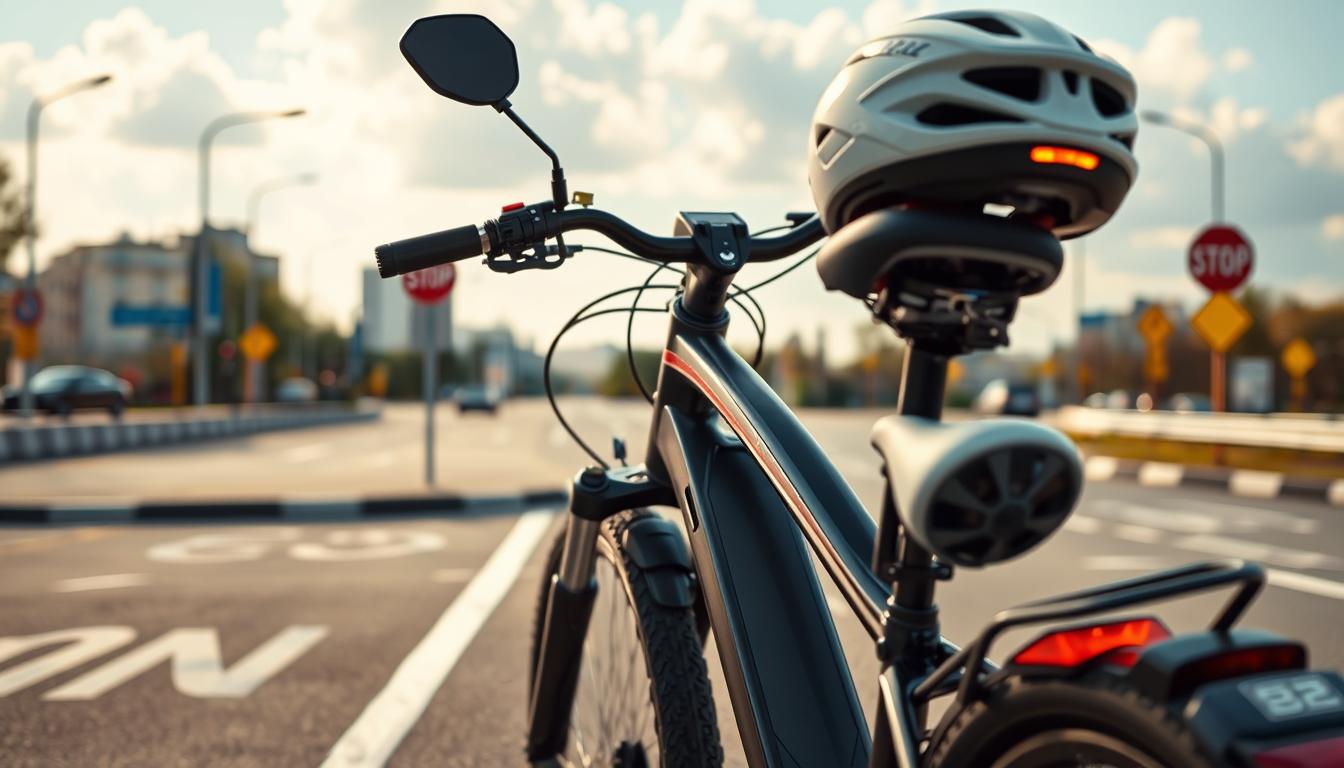
Electric bikes have changed how we travel in cities across the United States. They offer a fun and green way to get around. It’s important for new riders to know how to stay safe while enjoying their e-bikes.
City streets and bike paths can be tricky to navigate. New riders need to follow e-bike safety rules to keep themselves and others safe. This guide will cover key safety tips, what gear you need, and how to ride well.
Whether you’re new to e-bikes or want to improve your skills, learning safety tips is key. We’ll cover everything from the right protective gear to local laws. You’ll become a safe and skilled e-bike rider.
Getting Started with E-bike Safety Equipment
Riding an e-bike is exciting and convenient. But safety is always first. Knowing the right protective gear is key to a safe ride.
Choosing the right gear is the first step in e-bike safety. Laws about e-bike helmets vary by state. Always check local rules before you ride.
Choosing the Right Helmet for Electric Bikes
Not all helmets are the same for e-bikes. Look for ones made for fast electric bikes. They should offer extra protection.
- Select helmets with MIPS technology for better head protection
- Ensure proper fit with adjustable straps and retention systems
- Choose helmets rated for speeds up to 20 mph
Essential Protective Gear and Visibility Equipment
Visibility is key for e-bike safety. Wear bright clothes and use lights to stay safe.
- Wear high-visibility jackets or vests
- Install front and rear LED lights
- Use reflective ankle and wrist bands
Safety Accessories Every E-bike Rider Needs
There are more safety items than just helmets and lights. They make your ride safer and more comfortable.
- Handlebar-mounted rear-view mirrors
- Sturdy bike bells for signaling
- Padded cycling gloves
- Knee and elbow protection pads
Good safety gear means you can enjoy your e-bike rides more. It keeps you safe and worry-free.
Understanding E-bike Speed Regulations and Local Laws
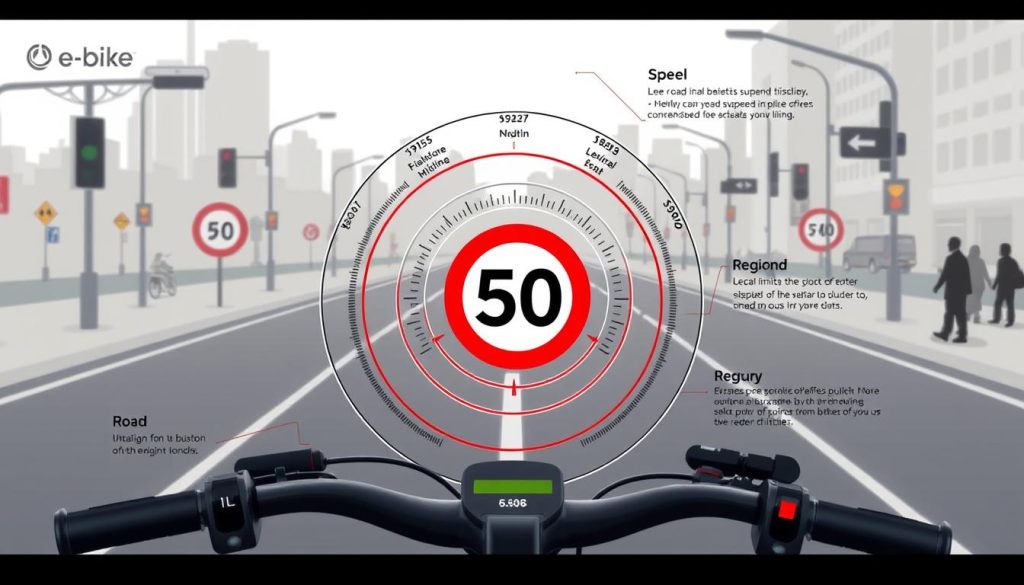
For new riders, understanding e-bike speed rules can be tricky. The U.S. has a three-class system for electric bikes. Each class has its own speed limits and rules to keep everyone safe.
E-bike speed rules change from state to state. There are three main types of electric bikes:
- Class 1: Pedal-assist e-bikes with a maximum speed of 20 mph
- Class 2: Throttle-powered e-bikes with a top speed of 20 mph
- Class 3: Pedal-assist e-bikes reaching speeds up to 28 mph
It’s important to know the local laws about e-bike speeds. Some places have special rules for electric bikes. Urban areas usually have stricter rules than rural areas. Always check your local laws before you ride.
Safety is the main reason for e-bike speed rules. These rules help keep riders, walkers, cyclists, and drivers safe. Always wear safety gear, follow traffic rules, and stay alert while riding an electric bike.
States have different rules for e-bikes. California, for example, has detailed e-bike laws. Knowing the local rules helps avoid fines and ensures a safe ride.
Basic E-bike Safety Tips for First-Time Riders
Starting your e-bike journey is exciting but can be tough. It’s important to focus on safety to have a good time. Learning how to avoid accidents is key to feeling confident on the road.
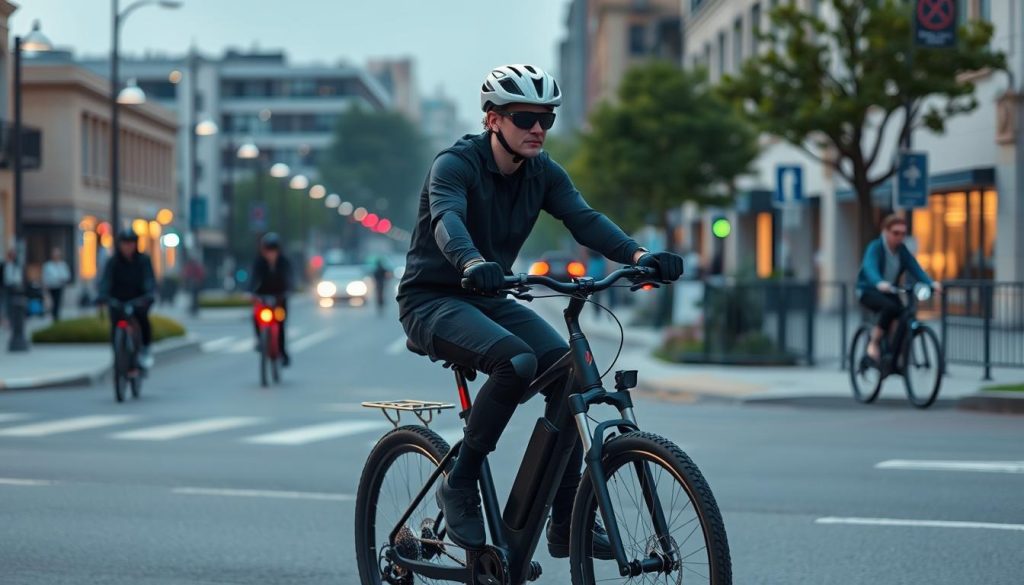
Understanding how to ride an electric bike is important. It’s about knowing its special features and how to handle it. Learning the right skills helps avoid accidents.
Mastering E-bike Controls and Features
Electric bikes have special controls that new riders need to learn. Important parts include:
- Throttle mechanism
- Pedal-assist levels
- Digital display functions
- Battery management system
Proper Riding Posture and Balance Techniques
Keeping the right posture is crucial for safety. Riders should aim for:
- Being relaxed but upright
- Gripping handlebars firmly
- Feet on pedals correctly
- Weight evenly distributed
Breaking and Acceleration Best Practices
| Technique | Safety Recommendation |
|---|---|
| Acceleration | Start slow, then speed up |
| Braking | Use both brakes smoothly |
| Speed Control | Use pedal-assist wisely |
Practice these tips in a safe area before riding in traffic. Getting better and feeling confident will lower risks and make your rides better.
Battery Care and Maintenance for Safe Operation

Keeping your e-bike battery in good shape is key for safety and performance. A well-cared-for battery can make your electric bike last longer. It also keeps you safe while riding.
First, learn the basics of battery care. Follow the right steps to keep your e-bike running smoothly. This protects your investment and keeps it performing well.
- Always use the manufacturer-approved charger for your specific e-bike model
- Avoid exposing the battery to extreme temperatures
- Store the battery in a cool, dry place when not in use
- Maintain a consistent charging routine
Charging your e-bike battery right is important. Experts say to keep it charged between 20% and 80%. Avoiding deep drains or overcharging helps your battery last longer.
Watch for signs that your battery is wearing out. Look for:
- Reduced riding range
- Slower charging times
- Visible physical damage
- Unusual heating during charging
Regular checks are vital for battery care. Inspect connections, clean terminals, and make sure the battery is secure before each ride. When you’re not using your e-bike, take out the battery. Keep it away from moisture and sunlight.
If your battery’s performance drops or shows damage, get help from a pro. Replacing a worn-out battery is crucial for your e-bike’s safety and dependability.
Preventing Theft and Securing Your E-bike Investment
E-bike theft prevention starts with knowing what makes electric bikes vulnerable. These bikes are expensive and popular, making them a target for thieves. To protect your investment, create a solid security plan for different places.
Get a good lock for your e-bike. U-locks and chain locks from brands like Kryptonite work well. Lock your bike through the frame and wheel to something that won’t move. Park in bright, busy areas and use more than one lock to scare off thieves.
Think about using GPS trackers and alarms too. These can track your bike’s location and sound an alarm if someone tries to move it. Registering your bike and getting insurance can also help if your bike gets stolen.
Keep a regular routine for securing your bike at home. Store it in a locked garage or shed. Take off things like batteries and displays when you park for a long time. Being visible and proactive is key to keeping your e-bike safe.