
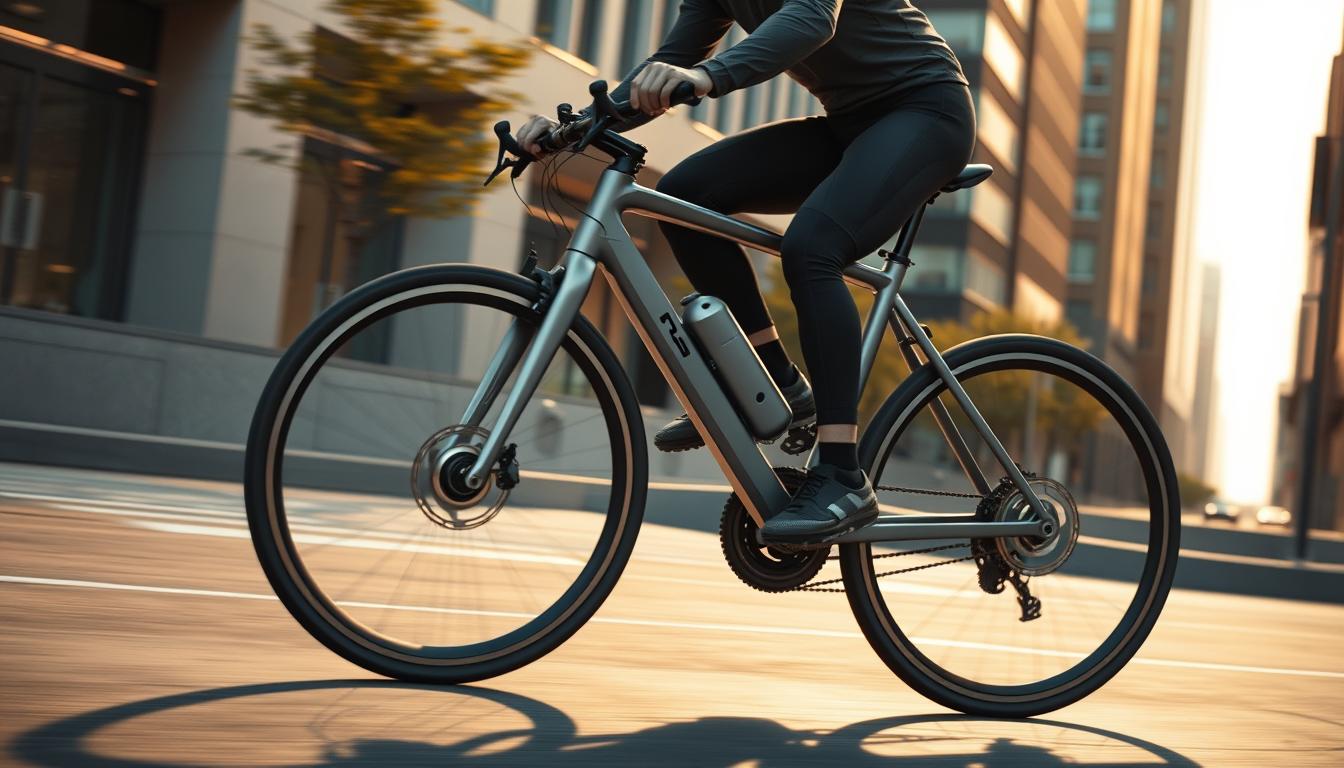
The cycling world is changing fast with battery assist bikes. They are making city travel and outdoor fun better. These bikes mix old-school pedaling with new electric tech for a smooth ride.
Learning about battery assist bikes shows us a smart mix of electric and human power. Riders get more freedom, less effort, and go farther. These bikes turn regular bikes into strong, easy-to-use machines.
Today’s battery assist bikes use top-notch electric motors for easy power help. Riders can easily ride up hills, go far, and do less work. This tech is more than just easy—it’s a green way to get around cities and enjoy the outdoors.
The electric bike movement keeps getting better, with new designs coming out. From city bikes to mountain bikes, these electric bikes change how we travel. They offer more freedom and better performance for everyone.
Understanding the Basic Components of Battery Assist Bikes
Electric bikes mix old-school cycling with new ebike motor tech. They combine mechanical skills with advanced electrical systems. This creates a new way to get around.
The heart of an electric bike is its complex parts. These parts turn a regular bike into a fast, electric ride. Knowing about these parts shows the smart engineering in today’s electric bikes.
Electric Motor Types and Placement
Electric bike motors are mainly two types, each affecting how the bike performs:
- Hub Motors: Sit in the wheel’s center, giving direct power
- Mid-Drive Motors: At the bike’s center, they balance weight
Battery Systems and Integration
The electric bike battery is its main power source. Modern e-bikes use lithium-ion batteries that fit right into the frame. They offer:
- A small and light design
- Better weight balance
- Looks that are sleek and appealing
Control Systems and Display Units
Control systems let riders manage their bike’s battery with ease. Display units on the handlebars show speed, battery life, and more. This gives riders full control over their ride.
The Science Behind Pedal Assist Technology
Electric bicycles have changed how we move around with advanced pedal assist systems. These systems mix human effort with electric help. They use smart sensors to understand what the rider does.
Torque sensors are key to a smooth ride. They measure how hard you pedal, so the electric motor helps just right. This makes the ride feel natural and easy.
- Torque sensors detect precise pedaling force
- Electric motors respond dynamically to rider input
- Assistance levels adapt in real-time
- Seamless integration of human and electric power
Modern pedal assist systems use two main sensors:
| Sensor Type | Function | Performance Characteristic |
|---|---|---|
| Torque Sensors | Measure pedal force | Proportional electric assistance |
| Cadence Sensors | Detect pedaling rotation | Consistent power delivery |
These sensors work together to understand and help the rider. They make the bike ride smooth and fun, using less energy.
How Battery Assist Bikes Work: A Complete System Overview
Battery assist bikes are a mix of mechanical and electrical tech. They make cycling better by adding smart power systems. This makes riding more fun and efficient.
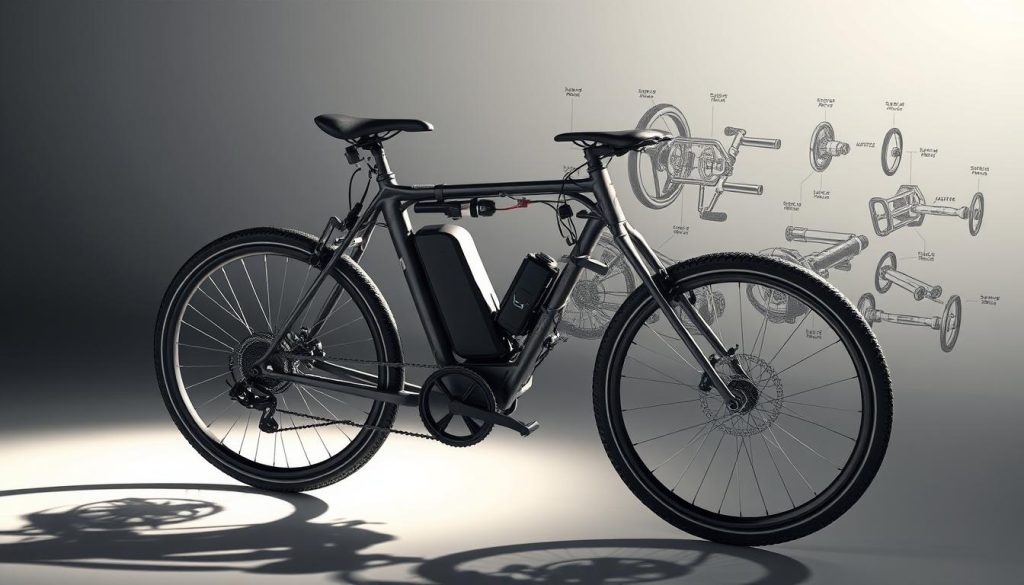
To understand battery assist bikes, we need to look at their parts. The electrical and mechanical systems work together. This makes the bike easy to ride and efficient.
Power Delivery Mechanisms
There are three main ways power is delivered in these bikes:
- Hub motor integration
- Mid-drive motor placement
- Pedal-activated power transmission
Sensor Technology and Response
Advanced sensors in these bikes adjust power based on what you do. They watch:
- Pedal cadence
- Torque application
- Rider speed
- Terrain gradient
User Interface and Controls
These bikes have easy-to-use controls. They let you change how you ride.
| Control Feature | Functionality |
|---|---|
| Digital Display | Real-time battery status, speed, and assistance level |
| Handlebar Controls | Instant power assistance adjustment |
| Smartphone Integration | Advanced performance tracking and customization |
These systems together make riding exciting. Battery assist bikes are a big step forward in personal transport.
Lithium-ion Battery Technology in E-bikes
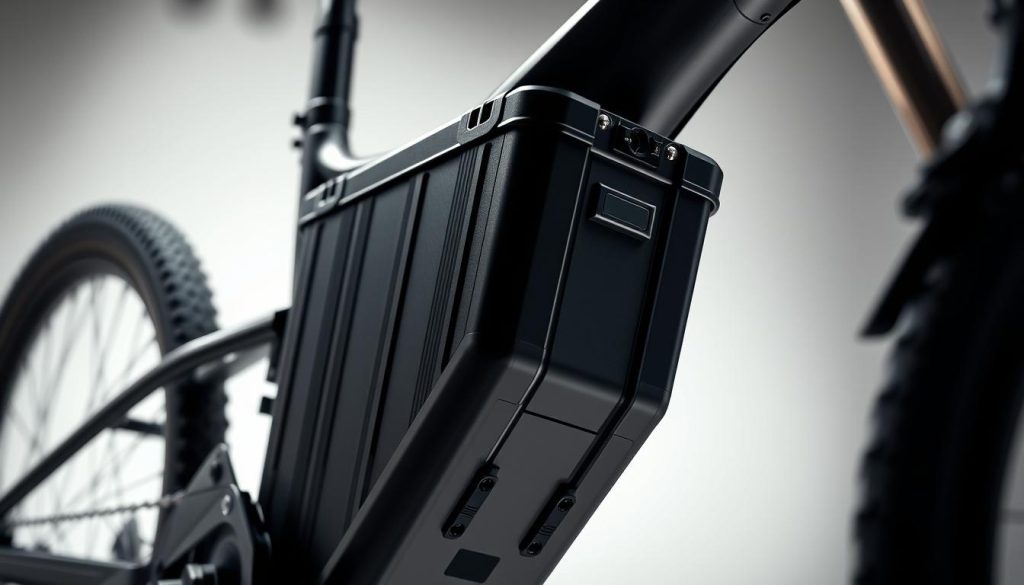
Electric bike battery technology has changed how we travel. Lithium-ion battery packs are now the top choice for e-bikes. They offer great performance and last a long time.
These batteries are light, store a lot of energy, and charge quickly. They also keep their power over time. This makes them perfect for those who want a strong and efficient ride.
The main benefits of lithium-ion battery technology are:
- Lightweight design
- High energy storage capacity
- Long-lasting performance
- Quick charging capabilities
- Minimal performance degradation
Knowing about lithium-ion battery packs helps riders choose the right one. The battery’s voltage, usually between 36V and 48V, affects how far and how fast you can go.
| Battery Specification | Typical Range | Performance Impact |
|---|---|---|
| Voltage | 36V – 48V | Higher voltage increases power |
| Capacity | 10-20 Ah | Determines total riding distance |
| Weight | 2-4 kg | Affects bike handling |
Today’s electric bike batteries come with smart systems. These systems prevent damage from overcharging or extreme temperatures. With the right care, riders can enjoy reliable rides.
Power Assistance Levels and Riding Modes
Electric bikes change how we travel by offering adjustable power levels. These levels let riders change their ride based on where they are, how fit they are, and how much energy they need.
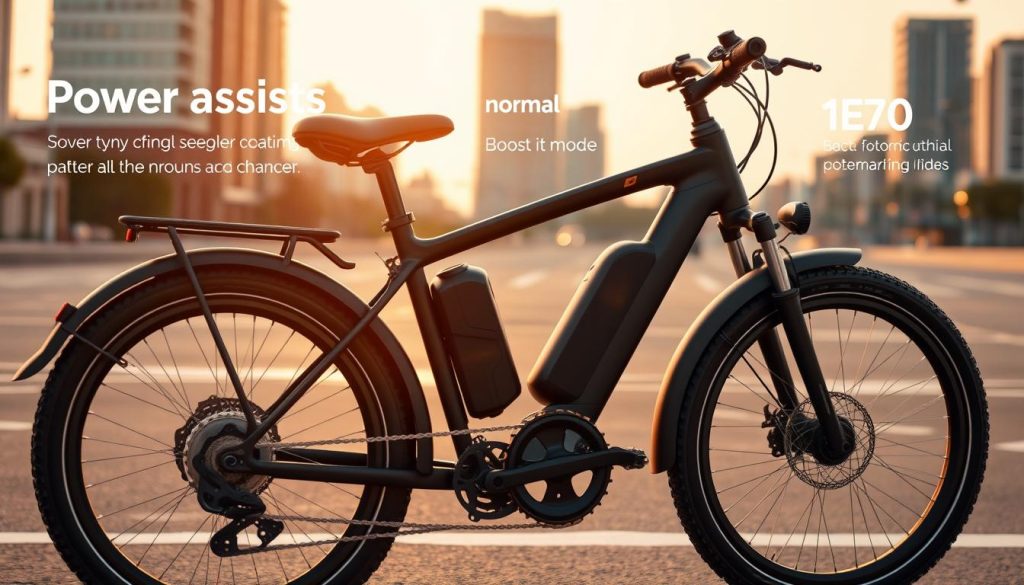
Today’s electric bikes have advanced power tech. This tech gives riders many options for how they ride. The right power level can make every ride better and more fun.
Understanding Assistance Modes
Electric bikes have different power levels:
- Eco Mode: Low-power setting for maximum battery conservation
- Normal Mode: Balanced power output for everyday riding
- Sport Mode: High-intensity assistance for challenging terrains
- Turbo Mode: Maximum power for steep hills and quick acceleration
Customizing Your Riding Experience
Riders can adjust their electric bike’s power to fit their needs. Each mode has its own benefits. This lets cyclists match their bike to their riding style and preferences.
Range and Performance Factors
Several things affect how an electric bike performs and how far it goes:
- Rider weight
- Terrain complexity
- Battery capacity
- Wind conditions
- Chosen assistance level
Knowing these factors helps riders get the most out of their electric bike. It ensures a great ride in many different places.
Motor Types and Their Impact on Performance
Ebike motor technology has changed how we see battery powered bicycles. There are two main motor types: hub motors and mid-drive motors. Each has its own strengths.
Hub motors are built right into the wheel. They’re simple and come in two types:
- Front hub motors
- Rear hub motors
Mid-drive motors sit at the bike’s center, near the pedals. They offer better balance and performance. This is because they work with the bike’s gears, making them great for tough terrains and long rides.
When picking a battery powered bike, look at these performance metrics:
- Wattage (usually between 250-750 watts)
- Torque capabilities
- Efficiency in different riding conditions
Motor power greatly affects your ride. More powerful motors mean faster starts and better climbing. Less powerful motors save battery and are lighter.
Today’s ebike motor tech keeps getting better. Makers are working on making motors more efficient, quick, and better connected to new battery systems.
Smart Features and Connectivity Options
Modern battery assist bikes have evolved into smart technologies. They now offer advanced connectivity features. This has changed how riders use their pedal assist system, making cycling more personal and interactive.
Today’s e-bikes use digital technologies to improve the rider experience and track performance. By understanding how battery assist bikes work, cyclists can enjoy a new level of riding.
Mobile App Integration
Smartphone apps have changed the game for e-bike fans. These apps give riders control and insights into their rides:
- Real-time battery status monitoring
- Customizable pedal assist system settings
- Remote bike diagnostics
- Firmware updates
GPS and Navigation Features
Many e-bikes now come with advanced navigation systems. These systems help riders plan and track routes easily. Integrated GPS technologies allow cyclists to:
- Plan optimal routes
- Track ride progress
- Discover new cycling paths
- Share location with safety contacts
Performance Tracking Capabilities
Performance tracking is key in modern battery assist bikes. Riders can now track detailed metrics about their rides, including:
- Distance traveled
- Calories burned
- Average speed
- Energy consumption
- Elevation changes
These smart features show the amazing tech leap in battery assist bikes. They’ve turned traditional cycling into a smart, data-driven experience.
Maintenance and Care for Battery Assist Systems
Keeping your electric bike battery in good shape is key for long-lasting performance. Regular care extends your battery’s life and ensures a great ride. Focus on charging, storing, and checking your e-bike often to keep it running smoothly.
Regenerative braking is a smart way to save battery life. It captures energy when you brake and puts it back into the battery. This makes your bike more efficient and can increase its range.
Electronic parts need care and should avoid extreme temperatures. Store your battery in a cool, dry spot. Don’t let it get direct sunlight or wet. Most makers say to keep the battery between 20% and 80% charged to keep it healthy.
Cleaning and gentle care of the motor and electrical parts are important. Use soft cloths and avoid strong water. Check the connections often. Getting a professional check-up once a year can catch and fix small issues before they get big.