
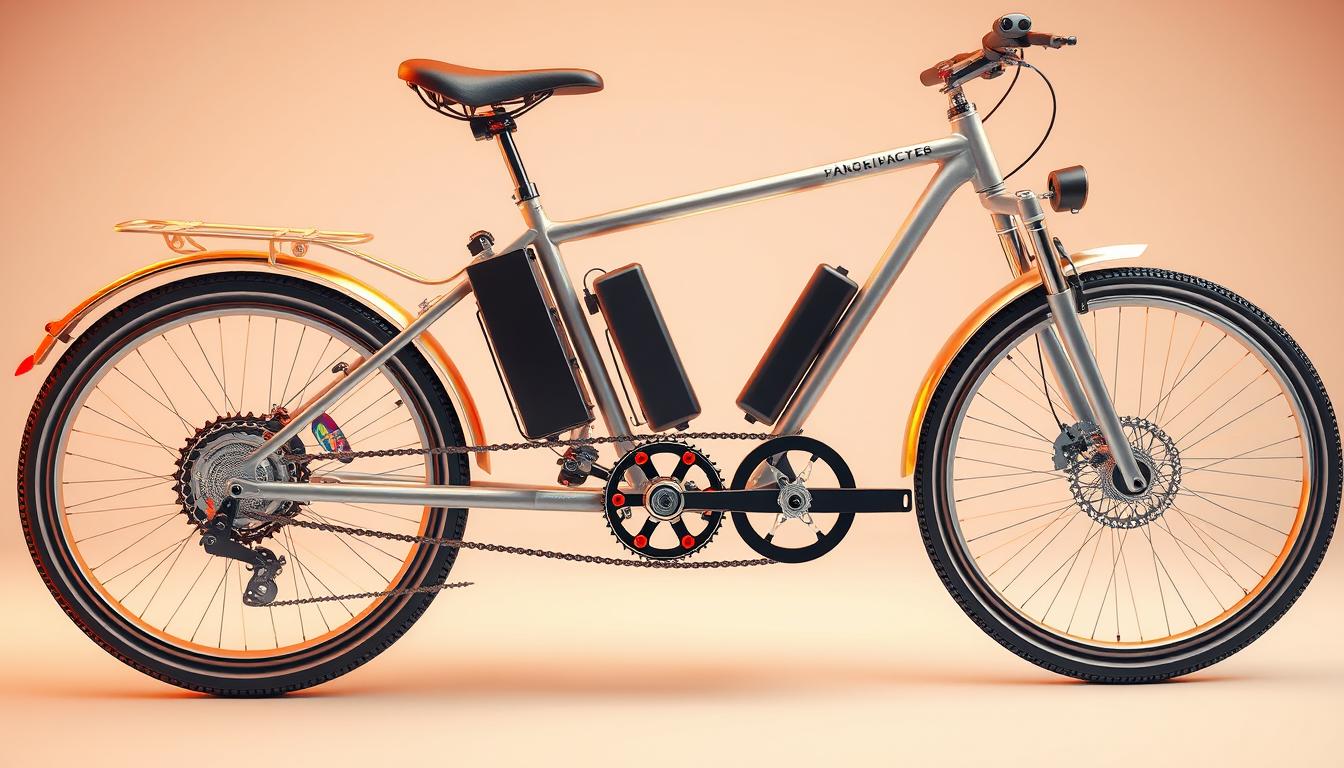
Electric bicycles blend human effort with smart technology to create smoother rides. Unlike traditional bikes, these modern machines use a battery-powered motor to boost your pedaling. This combination lets riders tackle hills, cover longer distances, and enjoy cycling with less fatigue.
At their core, electric bikes rely on three main parts: a motor, a battery, and a control system. Brands like Schwinn use hub motors near the wheels for quiet power delivery. Advanced lithium-ion batteries store energy for rides lasting 20-50 miles per charge, depending on terrain and assistance levels.
The U.S. market has seen a 145% growth in electric bicycle sales since 2019. More people now use them for commuting, recreation, and errands. This surge comes from improved technology making them lighter, more affordable, and easier to maintain.
This guide breaks down technical details into simple concepts. We’ll explore different motor types, battery maintenance tips, and how control systems adjust to your riding style. Whether you’re new to cycling or upgrading your current setup, you’ll find practical insights for choosing and using these innovative vehicles.
Understanding the Basics of Electric Bikes
Electric bicycles combine classic cycling with cutting-edge tech to expand what riders can achieve. These modern machines maintain familiar pedals and frames while adding three core elements: a motor, a rechargeable battery, and a smart controller. Let’s explore what makes them unique and how they’ve evolved.
What Defines an Electric Bike?
An electric bike remains a bicycle first – it requires pedaling. The magic happens through its self-contained electrical system. Motors, often built into hubs or near the pedals, provide extra push when needed. Batteries store energy for rides, while controllers manage power flow based on your input.
Two features set them apart: pedal assist and throttle modes. Pedal assist senses your effort and adds motorized help proportionally. Throttle options let you glide without pedaling, similar to scooters. Brands like Schwinn use torque sensors to make transitions between modes feel natural.
A Brief History of E-Bikes
Early electric bicycles in the 1990s used bulky lead-acid batteries, limiting their appeal. The switch to lithium-ion tech changed everything. These lighter, longer-lasting power sources made bikes practical for daily use.
Companies like EVELO pioneered integrated displays showing speed, battery life, and assistance levels. Regulatory changes also shaped designs – most models now cap motor power at 750 watts and speeds at 20-28 mph for safety.
Today’s models balance performance with simplicity. They’ve become essential tools for commuters, adventurers, and casual riders alike. As technology advances, expect even smarter energy management and lighter materials to emerge.
How E-Bikes Work: The Key Components
At the heart of every electric bicycle lies a trio of innovative systems working in harmony. These elements transform pedaling effort into amplified motion while giving riders precise control over their experience.
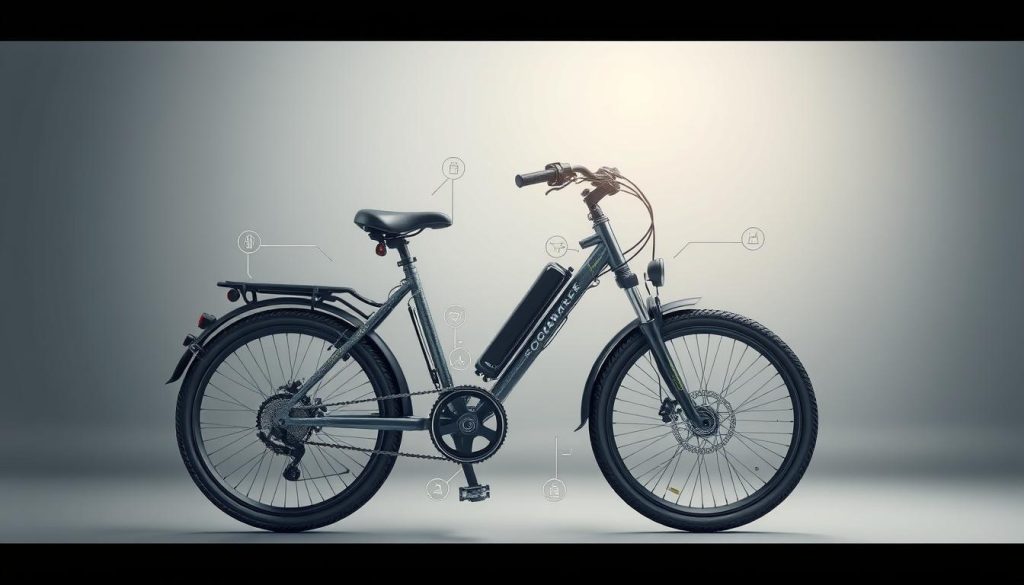
E-Bike Motors and Their Role
Hub motors, like those in Schwinn models, nestle within the rear wheel. They spin using energy from the battery, creating forward momentum. This design delivers quiet power without altering the bicycle’s balanced feel.
Torque sensors measure pedaling force, adjusting motor output instantly. Riders climbing steep terrain get extra push, while flat roads require minimal assistance. Modern motors range from 250-750 watts, balancing speed with battery life.
Battery Systems and Their Importance
Lithium-ion batteries revolutionized electric cycling. They store 3x more energy than old lead-acid versions at half the weight. A typical 48V battery provides 20-50 miles per charge, depending on assist levels and terrain.
Smart systems protect against overcharging. EVELO’s batteries feature heat-resistant cells that maintain performance in extreme temperatures. Proper care ensures 500+ charge cycles before capacity dips below 80%.
The Function of Displays and Controllers
Handlebar-mounted displays act as command centers. Riders toggle between eco, normal, and turbo modes using intuitive buttons. Some models add throttle controls for quick bursts of speed without pedaling.
Controllers manage energy flow between components. They prevent motor overload by matching output to battery capacity. Real-time data like speed and remaining range helps cyclists plan their journeys confidently.
The Role of E-Bike Motors in Powering Your Ride
Your electric bicycle’s performance hinges on its motor design. Two dominant systems exist: hub motors and mid-drive motors. Each offers unique advantages depending on riding style and terrain.
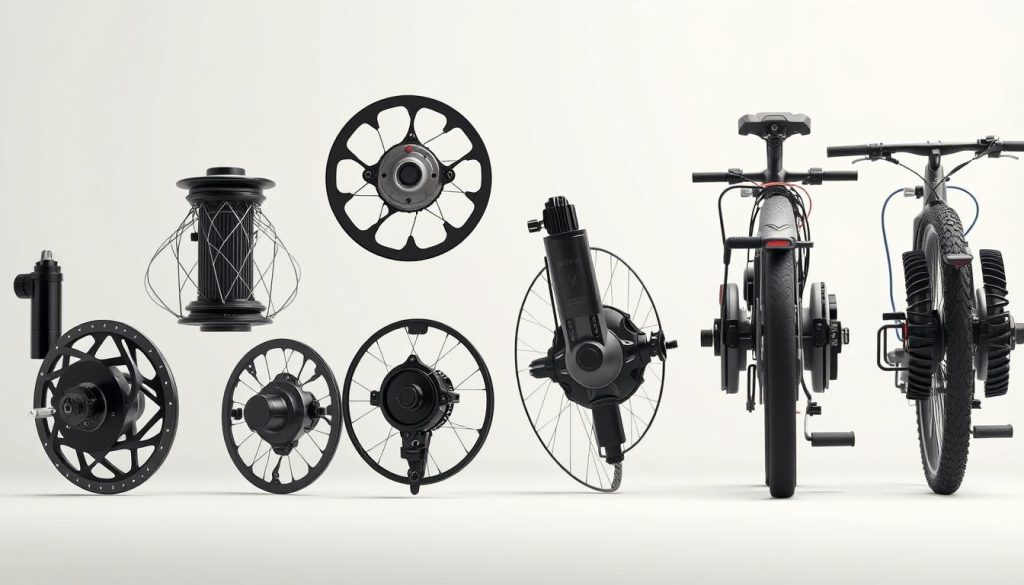
Hub Motors: Simplicity Meets Affordability
Hub motors sit inside the rear wheel, using electromagnetic coils to spin the rim. This creates a smooth push similar to a steady tailwind. Popular in Schwinn models, these systems require minimal maintenance and keep costs low.
Mid-Drive Motors: Power Where It Counts
Mid-drive units connect to the bike’s chainring, working with your gears. This placement delivers 40% more torque for climbing steep hills. EVELO’s engineers note these motors use battery energy more efficiently on uneven terrain.
| Feature | Hub Motor | Mid-Drive Motor |
|---|---|---|
| Weight Distribution | Rear-heavy | Central, balanced |
| Hill Performance | Struggles on >10% grades | Excels on steep climbs |
| Battery Efficiency | Uses more energy uphill | Matches gear ratios to save power |
| Best For | Flat commutes | Mountain trails |
Urban riders often prefer hub motors for their quiet operation. Mountain enthusiasts choose mid-drive systems for better control on rocky paths. Your pedal pressure directly influences both motor types – push harder, get more assistance.
Product managers at Rad Power Bikes recommend testing both systems. Consider your typical routes and physical effort preferences. The right motor transforms your ride from laborious to exhilarating.
Battery Technology and Range: Maximizing Your E-Bike Experience
Think of your battery as the fuel tank for your ride. Just like cars need gas, electric bikes rely on stored energy to keep moving. The right battery choice directly impacts how far you’ll travel and how often you’ll need to recharge.
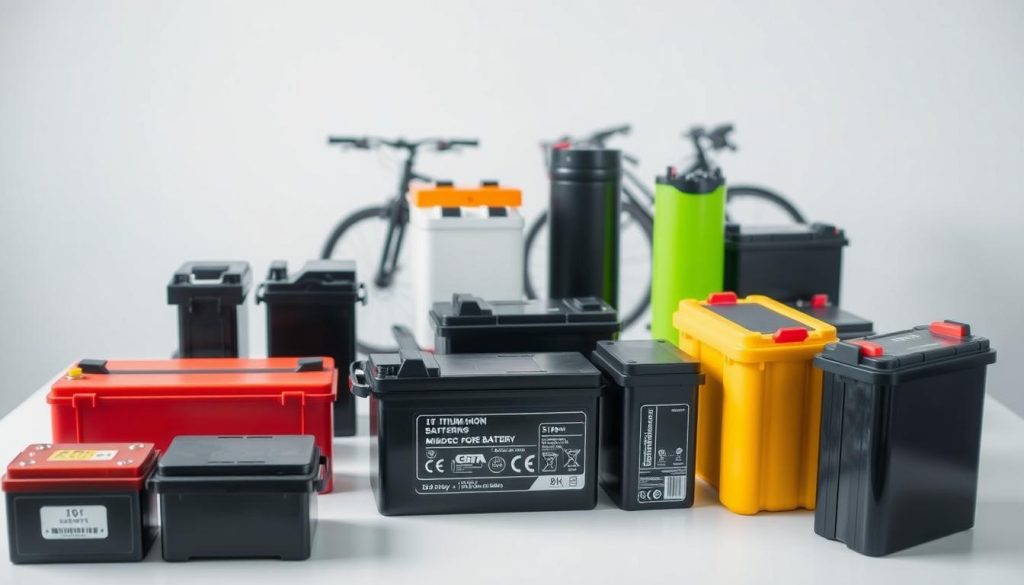
Lithium-Ion vs. Sealed Lead Acid Batteries
Modern riders face two main options. Lithium-ion packs dominate the market, while sealed lead acid models linger in budget-friendly models. Here’s why most people choose lithium:
- Weigh 70% less than lead acid versions
- Deliver 20-80 miles per charge vs. 10-25 miles
- Last 500+ charge cycles compared to 200
Schwinn’s engineers note lithium batteries maintain steady power output even as they drain. Lead acid models lose voltage gradually, reducing assistance levels over time. A 48V lithium pack stores about 500 watt-hours – enough for a 40-mile commute using moderate pedal assist.
| Feature | Lithium-Ion | Lead Acid |
|---|---|---|
| Weight (lbs) | 6-8 | 15-20 |
| Range | Up to 80 miles | 25 miles max |
| Lifespan | 3-5 years | 1-2 years |
| Cost | Higher upfront | Cheaper initially |
Capacity determines your adventure length, not speed. EVELO’s 672Wh battery extends ride time by 35% versus standard 504Wh models. Remember: More energy storage means more miles between charges, letting you explore further without range anxiety.
Navigating Control Systems: Pedal Assist and Throttle Mechanisms
Modern electric bicycles adapt to your riding style through smart control systems. These technologies balance human effort with motorized support, giving riders precise power management. Let’s break down the two primary methods for managing your ride’s energy output.
Pedal Assist: Your Cycling Partner
Pedal assist modes multiply your pedaling power using torque sensors. These components measure leg pressure and adjust motor output instantly. Most bikes offer 3-5 assistance levels:
- Eco mode adds 40% power for efficient cruising
- Sport mode doubles your pedaling force
- Turbo mode delivers maximum push for steep climbs
Schwinn’s latest models use cadence sensors to match motor speed with pedal rotations. This creates a natural feel, like riding with perpetual tailwinds.
Throttle Controls: Instant Power Access
Throttle systems work like motorcycle accelerators. Twist or press a handlebar control to engage the motor without pedaling. This feature shines in stop-and-go traffic or when starting uphill.
| Feature | Pedal Assist | Throttle |
|---|---|---|
| Activation Method | Pedal movement | Hand control |
| Power Control | Automatic adjustment | Manual adjustment |
| Battery Usage | Efficient | Higher consumption |
| Best For | Long rides | Quick bursts |
Displays simplify mode switching. EVELO’s touchscreens show real-time energy use, helping riders conserve battery life. Lower assist levels extend range by 30% compared to constant throttle use.
Combining both systems creates versatile rides. Pedal uphill with assistance, then coast using throttle on flat stretches. This flexibility makes electric bikes suitable for diverse needs – from grocery runs to trail adventures.
Choosing the Right Electric Bike for Different Terrains
What makes an electric bike conquer city streets and mountain trails with equal ease? The secret lies in pairing components to your riding environment. Battery capacity and motor design determine whether you’ll glide through commutes or power through rocky paths.
Power Pairings for Every Path
Urban riders need efficient energy use. A 504Wh battery lasts 35 miles on flat roads using moderate pedal assist. Schwinn’s Coston model proves this works well for daily errands with its rear hub motor.
Mountain adventurers require different specs. EVELO’s Delta X tackles steep trails using a 672Wh battery and mid-drive motor. This combo delivers 45Nm torque for climbing 20% grades without draining power reserves.
| Terrain Type | Battery Capacity | Motor Type | Assist Level |
|---|---|---|---|
| City Commute | 500Wh | Hub | Eco/Normal |
| Hilly Roads | 630Wh | Mid-Drive | Sport |
| Mountain Trails | 672Wh+ | Mid-Drive | Turbo |
Three factors shape your decision:
- Ride frequency: Daily commuters benefit from quick-charge batteries
- Elevation changes: Steep routes demand high-torque motors
- Weight loads: Cargo bikes need 20% more battery capacity
Rad Power Bikes’ testing shows pedal assist level impacts range most. Their Rover model travels 25 miles in turbo mode vs 45 miles in eco. Match assist intensity to your terrain for optimal performance.
Always test ride before buying. Feel how different systems handle slopes and rough surfaces. The right balance between battery life and motor power turns challenging rides into joyful adventures.
Maintenance Tips and Best Practices for E-Bike Longevity
Keep your electric bike running smoothly with smart maintenance habits. Regular care preserves battery life, ensures motor efficiency, and prevents unexpected breakdowns. These simple routines help riders enjoy more miles between repairs.
Start with weekly checks of key components. Inspect tire pressure using a gauge – underinflated wheels strain motors. Test brakes for responsive stopping power. Wipe down the chain and apply lubricant every 150 miles to reduce wear.
Batteries thrive with proper charging habits. Avoid draining lithium-ion packs below 20%. Store them in cool, dry places when not riding. Schwinn technicians recommend partial charges (80%) for daily use instead of full 100% cycles.
| Task | Frequency | Tools Needed |
|---|---|---|
| Battery Health Check | Monthly | Multimeter |
| Chain Lubrication | Every 150 miles | Bike-specific lubricant |
| Motor Inspection | Quarterly | Soft brush, compressed air |
| Tire Pressure Check | Weekly | Pressure gauge |
| Software Updates | Annually | Manufacturer app |
Clean hub motors gently using a soft brush. Remove debris from cooling vents to prevent overheating. Check connections for corrosion – a common issue in rainy climates.
Use onboard displays for system diagnostics. Many models show error codes for quick troubleshooting. Update controller software annually through manufacturer apps.
Seasonal changes demand adjustments. Apply waterproof grease to electrical contacts before winter. Store bicycles indoors during extreme heat to protect battery cells.
Consistent care means safer rides and fewer repair bills. Spend 10 minutes after each ride wiping down frames and checking bolts. Your electric bike will reward you with years of reliable service.
Safety and Regulatory Considerations for Electric Bikes
Understanding the rules of the road ensures safe and legal electric bicycle use. Federal and local guidelines help riders enjoy their journeys while protecting themselves and others. Let’s explore what keeps your rides compliant and secure.
Federal Regulations and Local Requirements
The U.S. Consumer Product Safety Commission defines electric bikes as bicycles if they meet three criteria:
- Maximum motor power of 750 watts
- Top speed of 20 mph using motor-only mode
- Functional pedals for human power
| Regulation Type | Federal Standard | Common Local Variations |
|---|---|---|
| Speed Limits | 20 mph (motor-only) | 15-28 mph based on bike lanes |
| Motor Power | 750W maximum | Some states limit to 500W |
| Age Restrictions | None federally | 14+ years in California |
| Helmet Laws | Not required | Mandatory in NYC for all riders |
Most states treat compliant models like regular bicycles. You won’t need licenses, registration, or insurance. Always check city ordinances – Portland requires bells, while Miami enforces night light usage.
Safety starts with proper components. Use UL-certified batteries and branded motors from companies like Bosch. Regular brake checks prevent accidents during sudden stops. Even if your area doesn’t mandate helmets, wearing one reduces head injury risks by 60%.
Confused about local rules? Visit your state’s transportation website or ask bike shops for updated guides. Stay informed, stay safe, and keep those wheels turning responsibly!
Wrapping Up Your E-Bike Adventure
Electric bicycles have redefined modern transportation by blending cycling traditions with smart innovation. These machines empower riders through thoughtful engineering – motors amplify pedaling effort, batteries store clean energy, and control systems adapt to your needs. Whether conquering hills or cruising neighborhoods, the right components make every journey enjoyable.
Modern designs prioritize both performance and practicality. Lithium-ion batteries deliver longer ranges, while mid-drive motors tackle tough terrain. Pedal assist modes let you choose energy usage, balancing exercise with effortless riding.
Remember to check local regulations and maintain your bike regularly. Proper care extends battery life and ensures safe operation. With evolving technology, today’s models offer better range and lighter frames than ever before.
Ready to experience cycling reimagined? Test different models to find your perfect match. Share your adventures and stay curious about new developments. Happy riding – your next exploration awaits!