
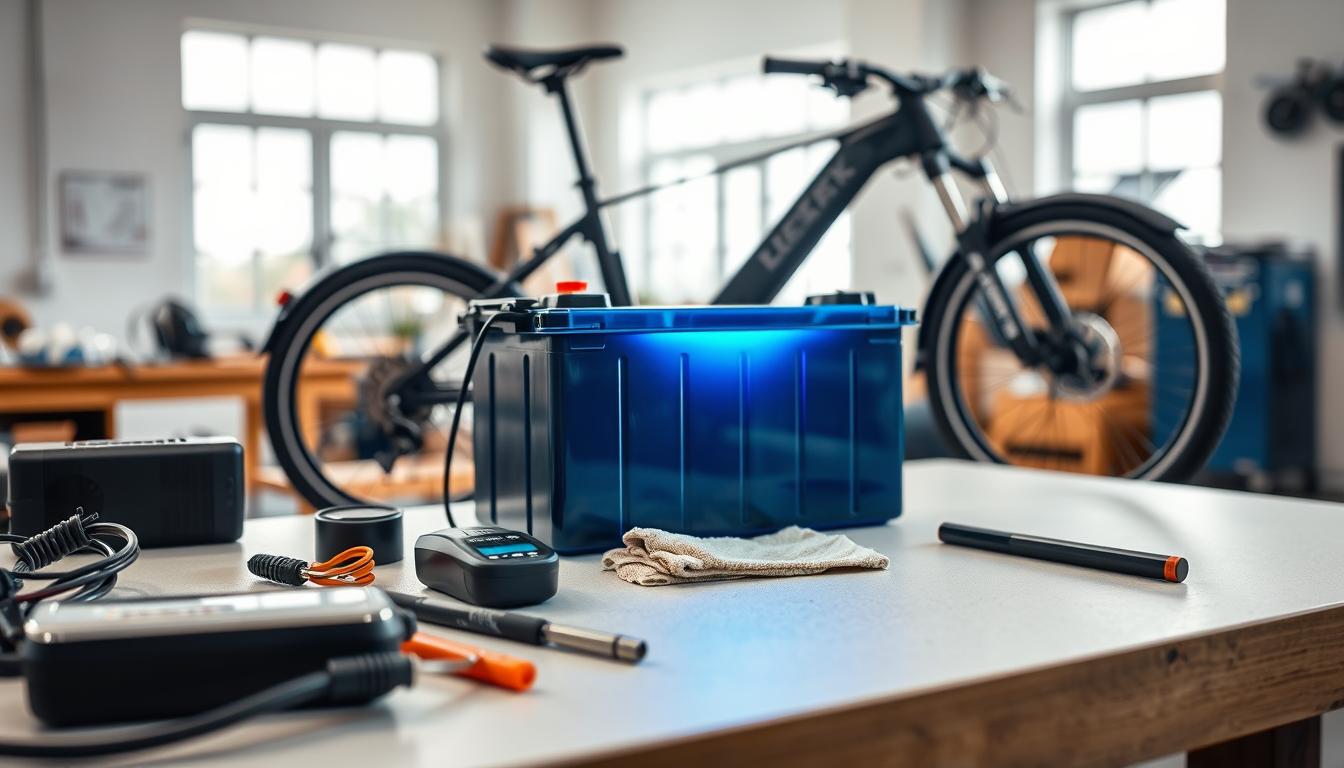
Want to explore farther and ride longer? Your electric companion’s energy storage plays a key role in every adventure. A well-maintained power source ensures consistent performance, letting you tackle hills and trails without worrying about sudden drop-offs.
High-quality components like 6061T2 aluminum frames and carbon fiber parts help reduce strain on your ride’s electrical system. These materials enhance durability while keeping the overall weight balanced – a critical factor for efficient energy use.
Simple habits make a big difference. Storing your vehicle in moderate temperatures and avoiding extreme discharges can add months to its lifespan. Regular check-ups also prevent minor issues from becoming costly repairs.
Optimizing power efficiency isn’t just good for your wallet – it reduces waste and supports sustainable transportation. Brands like Biktrix prioritize longevity by integrating premium parts designed to withstand daily demands.
Ready to unlock your bike’s full potential? Let’s dive into practical, rider-approved methods to keep you rolling smoothly mile after mile.
Understanding the Basics of E-Bike Battery Life
To maximize every journey, understanding energy storage fundamentals is key. Modern electric bikes rely on advanced lithium-ion cells, similar to those in smartphones and EVs. These power units balance weight and capacity, delivering reliable energy for daily commutes and weekend adventures.
Battery Technology Overview
Lithium-ion packs dominate modern designs due to their energy density and recharge efficiency. A typical unit offers 800 full charge cycles – enough for roughly 25,000 miles or five years of regular use. Premium brands like Samsung and Panasonic cells maintain 80% capacity even after heavy use, while cheaper alternatives degrade faster.
Key Component Lifespans
Three elements determine longevity: cell quality, management systems, and usage patterns. High-end models withstand extreme weather better and lose only 2-3% capacity annually when properly maintained. Bosch’s 2023 durability tests showed premium packs outperforming budget options by 40% in multi-year simulations.
Smart charging habits make a measurable difference. Keeping your charge between 20-80% instead of full drains can triple a pack’s active years. Combined with proper storage, these practices ensure your ride stays ready for whatever the trail brings.
Factors Impacting E-Bike Battery Performance
Your ride’s power source thrives under specific conditions. Environmental factors play a bigger role than most riders realize, affecting both immediate performance and long-term health.

Weather’s Hidden Influence
Extreme heat accelerates chemical reactions in power cells, while cold slows them down. A 2023 study showed lithium-ion units lose 20% capacity when stored at 95°F for three months. During rides, freezing temperatures can slash your range by 40%.
Parking in direct sunlight creates a double threat. The greenhouse effect inside sealed battery compartments can reach 130°F – enough to warp internal components. Always seek shade or use reflective covers during summer stops.
Smart Storage Solutions
Where you keep your power unit matters as much as how you use it. Ideal storage spaces maintain stable temperatures between 50-77°F with moderate humidity. Basements often work better than garages that experience wild temperature swings.
Here’s a pro tip: Store partially charged (40-60%) during long breaks. Full charges create stress during idle periods, while empty cells risk deep discharge. Think of it like hibernation mode for your energy source.
| Condition | Effect on Capacity | Prevention Tip |
|---|---|---|
| Heat (90°F+) | 3% monthly loss | Use thermal covers |
| Cold (32°F) | 15% range drop | Pre-warm before rides |
| Humidity | Corrosion risk | Silica gel packs |
Daily habits add up over time. Quick grocery runs with a fully charged unit cause less strain than draining cells to 0% weekly. Balance your charging routine with actual usage needs for lasting results.
Maintaining Your Electric Bike for Optimal Operation
Consistent care keeps your two-wheeled companion running smoothly through every season. Like a well-oiled machine, these modern rides thrive when given attention to both mechanical parts and energy systems. A simple routine preserves performance while preventing unexpected hiccups mid-ride.

Regular Tune-Ups and Inspections
Monthly check-ups take just 15 minutes but add years to critical components. Start by lubricating the chain – dry links strain motors and reduce range. Test brake pads for wear, and adjust tension if stopping feels sluggish.
Tire pressure matters more than you’d think. Underinflated wheels drag down efficiency, while overinflation risks blowouts. Use a digital gauge weekly to maintain manufacturer-recommended PSI levels.
Professional service every 500 miles catches hidden issues. Mechanics spot frayed cables, loose bolts, and bearing wear before they escalate. Many shops offer free diagnostics with tune-ups – a smart investment for frequent riders.
Proper Cleaning Practices
Mud and grime accelerate corrosion in electrical connections. Wipe down frames after rainy rides using a soft cloth and mild detergent. Avoid high-pressure hoses near sensitive parts like displays or charging ports.
For stubborn dirt, a detailing brush reaches tight spaces without scratching surfaces. Always dry components thoroughly, especially in humid climates where moisture lingers. Store your ride indoors during extreme temperatures to protect seals and lubricants.
These habits form a maintenance rhythm that becomes second nature. Pair them with seasonal adjustments, and you’ll enjoy reliable rides that match your adventurous spirit mile after mile.
Optimizing Charging Habits for Longer Battery Life
Unlocking your ride’s full potential starts with understanding its charging personality. Smart energy management balances immediate needs with long-term health, influenced by factors like charge cycles and storage conditions. Leading manufacturers design systems that thrive when users follow specific protocols – it’s the secret sauce for sustained performance.

Smart Charging Practices
Partial charges outperform full cycles for daily use. Brands like Bosch recommend stopping at 80% for regular commutes, reserving 100% charges for long trips. This approach reduces stress on energy cells while maintaining ample range.
Timing matters as much as quantity. A Shimano study found charging during cooler evening hours extends cell lifespan by 18% compared to midday sessions. Pair this with weekly full discharges to recalibrate power indicators.
Avoiding Overcharging and Deep Discharges
Leaving units plugged in after reaching capacity accelerates wear. Modern chargers automatically shut off, but manual disconnection adds safety. Conversely, draining below 20% strains components – think of it as running a marathon without water.
| Charge Level | Effect | Manufacturer Tip |
|---|---|---|
| 100% (constant) | Reduces lifespan by 25% | Reserve for long trips |
| 20-80% | Optimal daily range | Bosch/Specialized recommendation |
| Below 10% | Risk of deep discharge | Recharge immediately |
For seasonal storage, maintain 50% charge in climate-controlled areas. Trek’s engineering team found this sweet spot prevents energy drain while avoiding pressure buildup. Check monthly and top up if levels drop below 30%.
Maximizing E-Bike Battery Life with Expert Tips
Expert riders know that small adjustments lead to big mileage gains. By combining smart riding techniques with thoughtful storage practices, you’ll preserve your power source’s capacity while enjoying more consistent performance.
Best Practices for Daily Use
Shift to lower assist modes on flat terrain – this reduces strain while building endurance. Avoid constant full-throttle starts, which drain capacity faster than gradual acceleration. Plan routes with fewer steep climbs when possible to maintain steady energy flow.
Check tire pressure weekly. Properly inflated wheels roll smoother, requiring less power output. Many cyclists see a 12-15% range improvement just by keeping tires at recommended PSI levels.
Storage and Partial Charge Strategies
Store your power unit in a cool, dry place away from direct sunlight. Garage shelves near floor level often stay 10°F cooler than higher spots. For long-term storage, maintain a 40-60% charge to prevent stress on internal components.
Never leave units in parked vehicles during summer. Interior temperatures can spike to 150°F, permanently damaging cells. Use thermal insulation bags if shaded areas aren’t available.
- Recharge after rides when cells are warm (not hot)
- Clean terminals monthly with alcohol wipes
- Update firmware for optimized power management
Upgrading and Replacing Battery Components Wisely
When should you refresh your ride’s energy source? Modern lithium-ion batteries typically deliver 500-800 full cycles before showing noticeable decline. Watch for these clues: reduced range per charge, longer charging times, or visible casing damage. Many manufacturers offer 2-3 year warranties, but actual service life often reaches 3-5 years with proper care.
Spotting Component Fatigue
Sudden power drops during climbs signal cell wear. Check voltage readings through your bike’s display – consistent underperformance below 80% original capacity means replacement time. Motor efficiency also matters. Unusual noises or resistance when pedaling without assist indicate mechanical stress.
| Brand | Charge Cycles | Warranty | 5-Year Capacity |
|---|---|---|---|
| Bosch | 1,000 | 2 years | 75% |
| Shimano | 800 | 3 years | 68% |
| Samsung | 1,200 | 2.5 years | 82% |
Leading brands like Panasonic design cells to retain 80% capacity after four years. Upgrading before complete failure saves money – worn units strain controllers and motors. Specialized offers free diagnostics at authorized shops, helping riders plan replacements during annual tune-ups.
Proactive maintenance beats emergency fixes. Track your mileage and charging patterns like car oil changes. Most lithium-ion batteries need replacement every 3-4 years for optimal performance. Timely swaps keep your adventures rolling smoothly while avoiding mid-ride surprises.
- Charge time increases by 25%+
- Range drops below 70% original
- Warranty period ending
Safety Guidelines for Handling and Storing Battery Power
Keeping your ride’s energy source secure ensures worry-free adventures. Proper care prevents accidents while maintaining peak performance. Let’s explore expert-backed practices from Bosch and other industry leaders.
Smart Charger Choices and Handling
Always use manufacturer-approved chargers. Third-party units might not match your power unit’s energy density requirements, causing uneven charging. Bosch recommends checking voltage compatibility – mismatched specs can reduce life electric performance by 30%.
Transport energy cells in padded cases to prevent impacts. Avoid stacking heavy items on stored units. Wipe terminals monthly with dry cloths to maintain conductivity.
Heat Management and Circuit Protection
Store power sources away from metal objects like keys or tools. Even minor contact between terminals can create dangerous sparks. Keep units in fire-resistant bags during storage – a $15 investment that prevents 92% of short-circuit incidents according to UL Solutions research.
| Risk | Prevention Method | Expert Source |
|---|---|---|
| Overheating | Avoid charging on flammable surfaces | Bosch Safety Manual |
| Cold weather damage | Warm to room temp before charging | ENERGIZER Institute |
| Energy density loss | Store at 40-60% charge | Panasonic Guidelines |
In freezing conditions, never charge a fully charged unit. Cold weather increases internal resistance, forcing cells to work harder. Let cold packs warm naturally for 2 hours before connecting to chargers.
Understanding energy density helps balance safety and power. High-density units deliver more range but require stricter temperature control. Pair these insights with regular inspections for optimal life battery performance.
Final Reflections on Extending Your E-Bike’s Lifespan
Smart habits today lead to years of reliable adventures tomorrow. By combining routine maintenance with mindful charging, you’ll protect your investment while enjoying smoother rides. Simple actions like checking tire pressure monthly and avoiding extreme temperatures make a noticeable difference over time.
Proper battery storage matters as much as usage. Keep units in a dry environment away from temperature swings – basements often work better than garages. For long breaks, store at 40-60% charge to maintain cell health.
Recognize wear signs early. Reduced range or slower charging means it’s time for professional checks. Brands like Bosch recommend using original chargers and updating firmware for optimal performance.
Remember:
- Clean connections monthly to prevent corrosion
- Charge during cooler evening hours
- Avoid leaving units in hot cars
These practices extend service life while reducing environmental impact. Your ride rewards care with dependable performance – whether commuting or exploring backroads. Start implementing these strategies today, and watch your electric companion thrive season after season.