
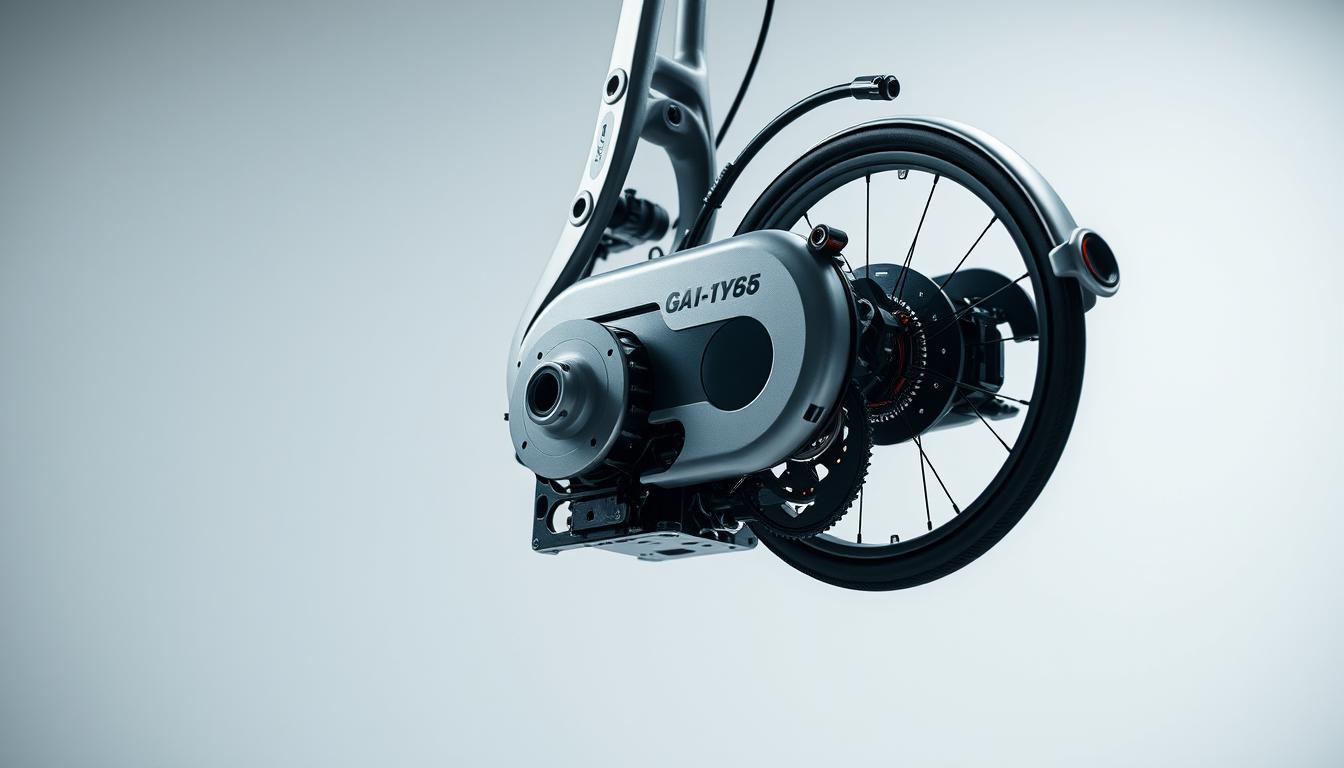
Electric bike fans are finding out how great mid-drive motors are. These motors are a big step forward in electric bike tech. They change how riders feel power and efficiency on their bikes.
Mid-drive motors have special benefits in electric bike power. They sit in the bike’s middle, giving great weight balance and power. This makes riding feel more connected and smooth.
To get the most out of mid-drive motors, you need to understand their design and how they work. Cyclists can improve their bike’s performance by learning about electric power management.
This guide will dive into the world of mid-drive motor tech. We’ll make hard tech easy to understand. This will help riders get the most out of their electric bikes in all kinds of rides.
Mid-drive motors are at the forefront of electric bike innovation. They offer better speed, efficiency, and control. Our detailed look at this tech will help riders find these benefits.
Understanding Mid-Drive Motor Technology
Mid-drive motor technology is a big step forward in electric bikes. It puts the motor in the bike’s middle, making it more efficient. This change boosts how well the bike moves.
Electric bikes are changing how we get around cities. Mid-drive motors are a key part of this change. They work well with the bike’s parts, making it fast and efficient.
Basic Components and System Integration
Mid-drive motor systems have a few main parts:
- Central motor unit
- Electronic control module
- Battery pack
- Torque and cadence sensors
- Integrated gear transmission
Power Transfer Mechanisms
Mid-drive motors are placed in a special spot. This spot helps the motor work better with the bike’s gears. It makes the bike more efficient.
| Power Transfer Characteristic | Mid-Drive Performance |
|---|---|
| Gear Interaction | Direct mechanical engagement |
| Power Distribution | Balanced central weight distribution |
| Efficiency Rating | 85-92% power transfer |
Motor Placement Benefits
Putting the motor in the middle has big benefits. It makes the bike easier to handle and ride. It also helps with climbing hills.
- Enhanced stability
- Improved weight management
- Better climbing capabilities
- Reduced strain on wheel components
The Science Behind Mid-Drive Acceleration Performance
Ebike acceleration is a mix of engineering and physics. Mid-drive motors offer more than just power. They create a ride that’s both quick and efficient.
Mid-drive motors work differently than hub motors. They use the bike’s drivetrain for better acceleration. This lets riders adjust power with gear shifts, making the ride more exciting.
- Direct power transmission through bicycle chain
- Enhanced weight distribution
- Improved torque management
- More natural pedaling sensation
Engineers aim to make mid-drive systems efficient. They match motor power with pedal speed. This means riders get consistent speed on different terrains.
Important factors include motor torque, gear ratios, and control systems. Modern mid-drive motors can produce up to 90 Nm of torque. This beats traditional hub motors in acceleration.
Knowing these details helps riders understand mid-drive motors better. It also helps them choose the right e-bike.
Key Factors Affecting E-Bike Torque Delivery
Electric bike performance is shaped by several key factors. These factors affect torque delivery and motor power output. Knowing these helps riders get the best out of their e-bike.
The electric bike torque delivery system is complex. It involves many parts working together. Riders looking for top performance need to focus on three main things:
- Motor power output characteristics
- Gear ratio interactions
- Weight distribution dynamics
Motor Power Output Characteristics
Motor power output is key for e-bike speed. Different motors give different levels of torque and speed. Mid-drive motors are often better at using power than hub motors.
| Motor Type | Power Range (Watts) | Torque Efficiency |
|---|---|---|
| Mid-Drive Motors | 250-750 | High |
| Hub Motors | 350-1000 | Medium |
Gear Ratio Influence
Gear ratios are important for electric bike torque. The right gear helps use motor power well on different terrains. Lower gears help with hills, while higher gears are better for flat ground.
Weight Distribution Effects
Where the weight is on the e-bike matters a lot. It affects balance and how power is used. Putting the battery and motor in the right places makes the bike more stable and fast.
Pedal Assist Modes and Their Impact on Speed
Pedal assist modes are key for mid-drive electric bikes. They change how riders feel speed and power. These systems offer different power levels, making rides better for all terrains and riders.
Knowing how pedal assist works is important for the best ride. Most mid-drive e-bikes have several modes. These range from eco to turbo, each offering a special way to speed up.
- Eco Mode: Minimal assist, maximizing battery efficiency
- Normal Mode: Balanced power and range
- High Mode: Increased power for challenging terrain
- Turbo Mode: Maximum power output for steep climbs
Cadence-based acceleration sensors start the motor when you pedal. This makes power flow smoothly, no matter where you ride. It’s great for city streets and mountain paths.
| Assist Mode | Power Output | Battery Efficiency | Ideal Terrain |
|---|---|---|---|
| Eco | Low (30-50%) | Highest | Flat surfaces |
| Normal | Medium (50-70%) | Good | Mixed terrain |
| High | High (70-90%) | Moderate | Hilly routes |
| Turbo | Maximum (90-100%) | Lowest | Steep climbs |
To get the most from your e-bike, pick the right pedal assist mode. Choose based on where you’re riding. This way, you get the best speed and save energy.
Optimizing Throttle Response and Control
E-bike throttle control is key for better riding. It helps you control your bike smoothly on different terrains. This makes your ride more enjoyable.
To get the most out of your e-bike, you need to know a few things. Adjusting your bike right can make it more responsive. This changes how it feels to ride.
Sensitivity Settings Explained
Throttle sensitivity is how fast your bike moves when you press the throttle. It depends on how you like to ride:
- Urban commuting: Smoother, more gradual acceleration
- Mountain biking: Faster, more aggressive response
- Recreational riding: Balanced, predictable power delivery
Power Curve Customization
Some e-bikes let you change the power curve. This means you can adjust how the bike accelerates. It’s great for different riding conditions.
Response Time Factors
Several things affect how fast your bike responds to the throttle:
- Motor type and configuration
- Battery voltage and capacity
- Electronic control unit (ECU) programming
- Rider weight and terrain conditions
Knowing these factors helps you fine-tune your bike. This way, you can get the best out of your e-bike.
Comparing Mid-Drive vs Hub Motor Acceleration
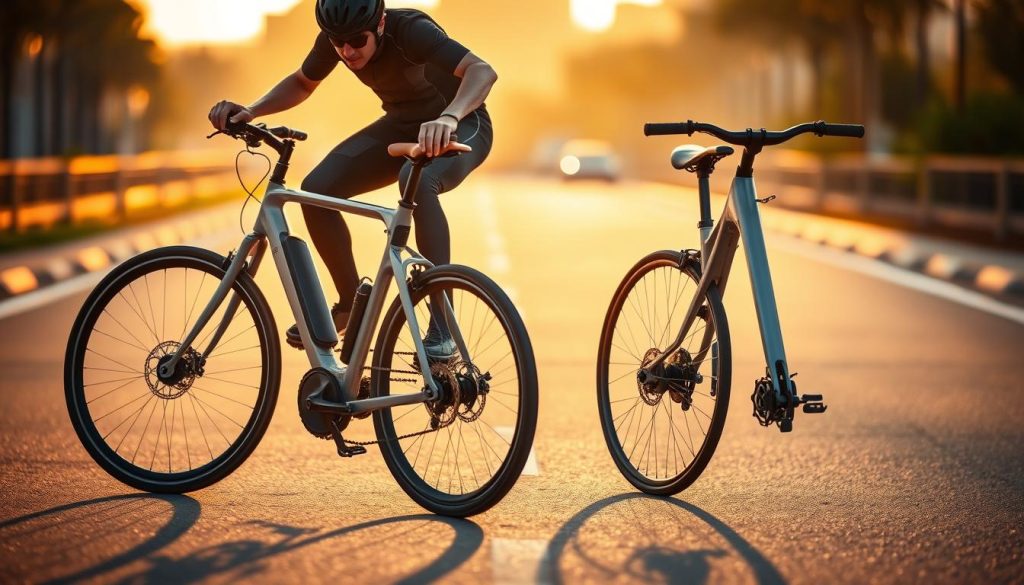
Electric bike fans often talk about mid-drive and hub motors. They look at how these motors affect ebike speed in different situations.
Mid-drive motors have big advantages in speed. They sit in the middle of the bike. This makes the bike feel balanced and helps power move smoothly through the bike.
This setup helps the bike go up hills and tackle tough trails better. It uses energy more efficiently.
- Mid-drive motors use the bike’s gears for better torque
- Hub motors power the wheel hub directly
- How fast the bike goes depends on where the motor is
Hub motors work differently. They’re built into the wheel hubs. They’re great for riding on flat ground and in the city. But, they might not do as well on rough trails.
When we compare these motors, we see some big differences:
| Performance Metric | Mid-Drive Motors | Hub Motors |
|---|---|---|
| Hill Climbing | Superior | Limited |
| Flat Terrain | Excellent | Very Good |
| Weight Distribution | Balanced | Uneven |
When choosing between mid-drive and hub motor e-bikes, think about what you need. Each type has its own strengths. They suit different riding styles and terrains.
Maximizing Performance Through Proper Maintenance
Keeping your electric bike in top shape is key. It helps keep the power transfer and torque delivery at their best. Regular care does more than just clean it. It also makes your mid-drive electric bike last longer and perform better.
Good care stops your bike from getting worse and saves you money. Electric bike parts need special care to work their best.
Regular Calibration Tips
Calibration is very important for your electric bike. Here are some things to focus on:
- Check motor alignment every three months
- Make sure sensors are accurate
- Test battery voltage and how it works
- Look at electrical connections
System Updates and Optimization
Keeping your electric bike’s software up to date is a big plus. Updates from the maker can make your bike work better. They can improve how well it moves and how it feels to ride.
| Update Frequency | Performance Impact |
|---|---|
| Every 6 months | Minor performance improvements |
| Annually | Significant system optimization |
| As recommended by manufacturer | Critical bug fixes and enhancements |
Wear and Tear Management
Looking after your bike stops it from breaking down. You should check these parts often:
- Drive chain tension
- Brake pad wear
- Tire pressure and tread
- Electrical system connections
By following these tips, your electric bike will keep running smoothly. It will give you fast and strong starts for a long time.
Real-World Performance Testing Methods
Testing mid-motor performance needs a deep look into how e-bikes really perform. It’s not just about lab tests. It’s about seeing how they do in real life.
There are several ways to test how well mid-drive e-bikes accelerate:
- Dynamic Road Testing: This checks how fast they go on different roads.
- Controlled Acceleration Trials: These track how fast and how much power they use.
- Torque Measurement Protocols: This looks at how well power is transferred.
- Sensor-Based Performance Tracking: Advanced systems track how well they perform.
The best tests use many methods together. Tools like GPS, power meters, and special sensors give deep insights. They show things like:
- How fast they can go right away
- How steady their power is
- How well they use energy
- How they handle heat
Testing labs do detailed tests that mimic real rides. This helps makers improve their e-bikes. Riders get to know their bikes better.
By mixing tech tests with real rides, we get a full picture of e-bike performance. It’s more than just numbers.
Advanced Riding Techniques for Optimal Acceleration
Getting the most out of your mid-drive e-bike isn’t just about the motor. You can boost your cycling power by learning special riding tricks. These tricks help your bike perform better on different paths and in different weather.
Learning to control your pedaling speed is key. It helps you go faster and use less energy. This is called cadence-based acceleration.
Cadence Optimization Strategies
- Maintain a consistent pedaling cadence between 70-90 RPM
- Practice smooth, steady pedal strokes to maximize power transfer
- Use lower gears for steep climbs to maintain optimal cadence
Intelligent Gear Selection
Choosing the right gear is very important. It affects how fast your bike goes and how well it performs.
- Anticipate terrain changes in advance
- Shift gears smoothly before encountering challenging sections
- Learn to read the terrain and preemptively adjust your gear ratio
Terrain-Specific Riding Techniques
Every terrain needs a special way to ride for the best speed. Changing how you ride can help you move better on different surfaces.
- Uphill: Maintain steady cadence and use lower gears
- Flat terrain: Maximize mid-range gears for consistent speed
- Downhill: Use higher gears and moderate pedal resistance
Future Trends in Mid-Drive Technology
The world of e-bike tech is changing fast. Companies like Bosch and Shimano are making motors smaller and more powerful. They want to give riders the best performance possible.
New sensor tech is making motors smarter. Soon, e-bikes will adjust how they move based on where you are and how you ride. This means better control and a more fun ride.
Batteries are getting better too. They’re smaller but hold more power. New materials might make them even better, giving e-bikes longer rides.
Machine learning will change how motors work. It will learn what you like and make your bike better for you. This means your bike will be just right for any ride.