
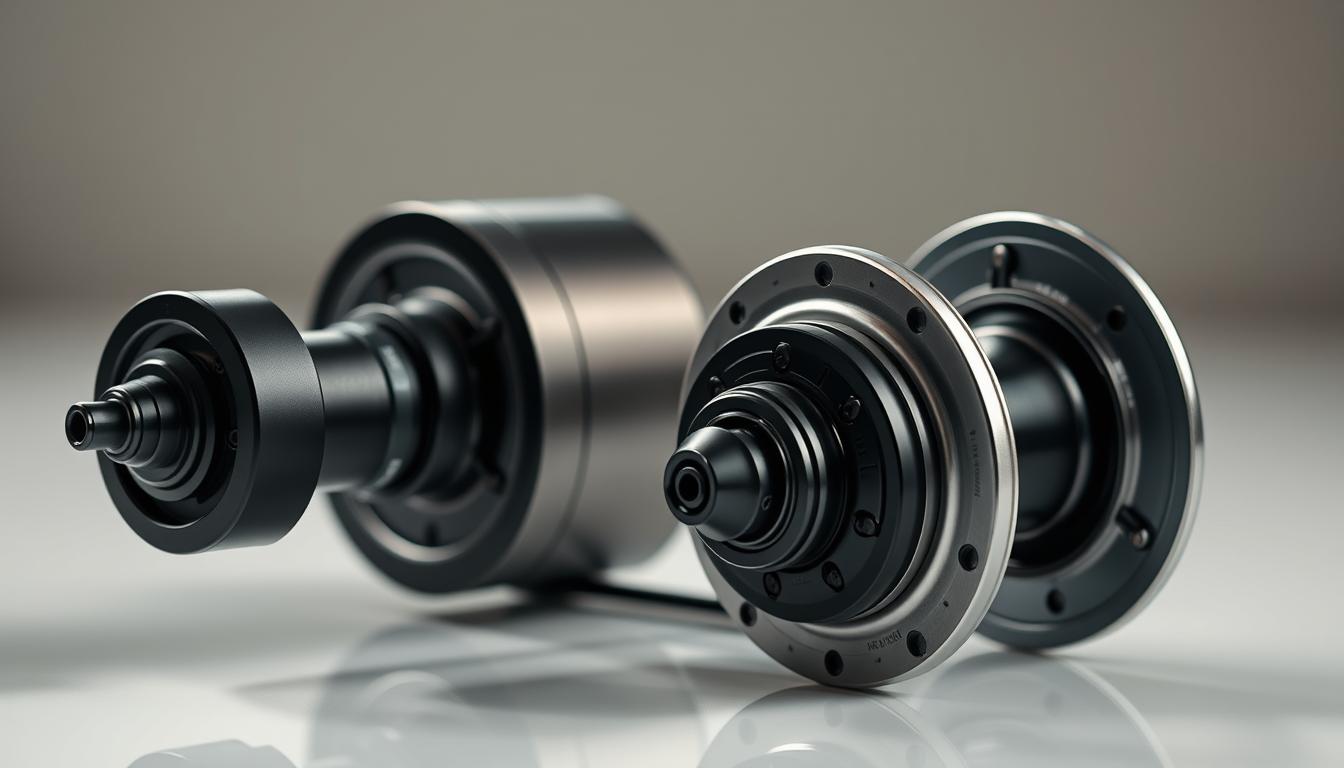
Electric bikes have changed how we travel and enjoy cycling. The choice between mid-drive and hub motors is key. It affects how well your bike performs.
Choosing the right motor makes a big difference. Mid-drive and hub motors have their own benefits. They suit different riding styles.
Mid-drive motors are in the middle of the bike. They work with the bike’s gears. Hub motors are in the wheel. Knowing this helps you pick the best bike for you.
Cyclists want bikes that are versatile, powerful, and efficient. Whether you ride in the city or mountains, the motor matters. It affects how fun and effective your ride is.
This guide will explore electric bike motors in detail. We’ll look at their strengths and weaknesses. We aim to help you choose the best motor for your adventures.
Understanding Electric Bike Motor Basics
Electric bikes have changed how we travel. They use new ebike drive systems. Now, we can ride in many ways and places.
The heart of an electric bike is its motor. It makes the bike fast and fun to ride. It turns electricity into movement, helping us pedal better.
Types of Electric Motors Available
There are two main types of electric bike motors:
- Mid-drive motors: Located at the bike’s center near the pedals
- Hub motors: Integrated directly into wheel hubs
- Geared hub motors: Compact design with internal planetary gears
- Direct-drive hub motors: Larger, more powerful configuration
How Electric Bike Motors Work
Electric bikes work in two ways: pedal-assist and throttle. Pedal-assist motors help when you pedal. Throttle systems give power with a simple hand control.
Power Output and Legal Restrictions
Electric bike motors can have a lot of power, from 250 to 750 watts. Laws about electric bikes vary by state. Most say motors can’t be over 750 watts and bikes can’t go too fast.
Knowing about electric bike motors helps us choose the right one. It’s about finding the right mix of power, speed, and following the law.
Mid-Drive vs Hub Motor: Core Differences Explained
Electric bike motors are mainly two types: central motor (mid-drive) and wheel motor (hub motor). Knowing their main differences helps riders choose the right electric bike.
The motor’s location greatly affects how ebikes perform. Mid-drive motors are at the bike’s center, near the pedals. Hub motors are in the wheel’s hub.
- Mid-drive motors provide better weight distribution
- Hub motors offer simpler mechanical design
- Central motor placement enables more efficient power transfer
Torque performance varies between these motors. Mid-drive motors give smoother power, making pedaling feel natural. Wheel motors send power directly to the wheel, which can feel less connected.
| Motor Type | Power Delivery | Weight Distribution | Complexity |
|---|---|---|---|
| Mid-Drive Motor | Smooth, Integrated | Balanced | More Complex |
| Hub Motor | Direct, Immediate | Less Balanced | Simpler |
Riders looking for top electric bikes should think about these key differences. Choosing between central motor and wheel motor depends on personal preferences, terrain, and what you expect from your bike.
The Advantages of Mid-Drive Motors
Electric bike fans are loving mid-drive motors for their top-notch performance and cool design. These motors, placed in the middle, change the electric biking game. They bring unique benefits that hub motors can’t match.
Mid-drive motors are a hit because they offer big advantages. They are placed in a way that boosts performance. This makes riding better than ever before.
Enhanced Weight Distribution
Mid-drive motors sit right in the middle of the bike. This spot makes the bike stable and easy to control. It also means less tiredness when you ride far.
- More stable handling during rides
- Improved overall bike control
- Reduced fatigue for long-distance cycling
Superior Climbing Ability
Pedal assist technology shines with mid-drive motors. They work better than hub motors because they use the bike’s gears. This makes going up hills much easier.
Better Battery Efficiency
Mid-drive motors are great at using energy wisely. They work with the bike’s gears to save power. This means:
- Extended battery range
- More consistent energy consumption
- Reduced strain on electrical components
For those wanting a top electric bike, mid-drive motors are the best. They offer unmatched efficiency, power, and smart design.
Hub Motors: Simplicity and Reliability
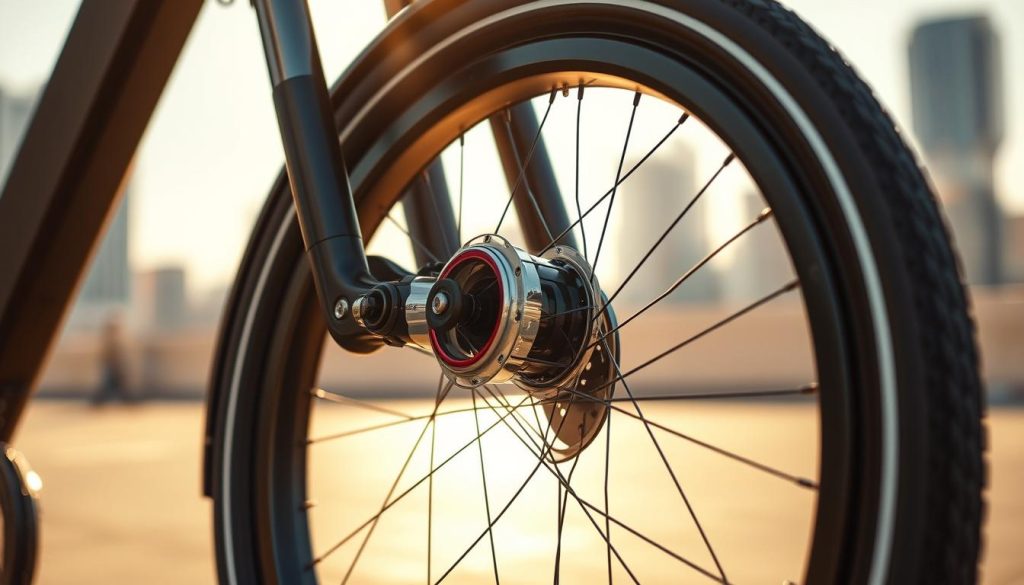
Hub motors are a simple choice for electric bikes. They fit right into the wheel, making riding smooth and efficient. They’re easy to take care of, which is great for those who want a hassle-free ride.
People love hub motors for their design. They come in three main types:
- Front hub motors
- Rear hub motors
- All-wheel drive hub motors
Each type has its own benefits. Front motors balance the bike well. Rear motors give more power and grip. All-wheel drive motors offer the best performance on any terrain.
Keeping hub motors in good shape is easy. Their sealed design keeps out dirt and water. This means they last longer and need less upkeep. Riders often find they need to do very little to keep them running well.
Hub motors have many good points:
- They’re cheaper to make at first
- They’re quiet when they work
- They’re simple inside
- Replacing the wheel is easy
When looking at electric bike motors, hub motors are a top pick. They’re strong and easy to use. They work well with little fuss from the rider.
Performance Comparison: Torque and Speed
Electric bike fans know that motor performance is more than just numbers. The torque of ebikes is key to a great ride, especially when looking at mid-drive vs hub motors.
Riders must look at many performance metrics when choosing electric bike motors. These metrics affect how the bike performs in real-world rides.
Hill Climbing Capabilities
Mid-drive motors are great for hills because of their design and how they connect to the bike. They use the bike’s gears to:
- Spread weight evenly
- Choose the best gear for climbing
- Keep torque steady on different terrains
Maximum Speed Potential
Speed varies by motor type. Here’s a look at how torque affects ebike performance:
| Motor Type | Average Top Speed | Torque Output |
|---|---|---|
| Mid-Drive Motors | 20-28 mph | 60-80 Nm |
| Hub Motors | 15-25 mph | 40-60 Nm |
Acceleration Response
Acceleration shows big differences between mid-drive and hub motors. Mid-drive motors offer smoother, quicker starts because they connect directly to the bike’s gears.
For those wanting fast electric bikes, it’s important to check these motor features. This ensures the bike meets their riding needs and tackles terrain challenges.
Cost Analysis: Investment and Long-term Value

Looking into electric bicycle drivetrain options means understanding the cost. Electric bike drive systems are a big buy. They need careful thought about both the first cost and future costs.
Prices for different motors vary a lot. Mid-drive motors cost more, from $1,500 to $3,500. Hub motor systems are cheaper, starting at $800 to $1,500. The cost goes beyond just the first price.
- Mid-drive motors: Higher initial cost but potentially lower maintenance
- Hub motors: Lower upfront expense with simpler mechanical design
- Battery replacement costs: Critical factor in long-term value
Maintenance costs are also important. Hub motor ebike systems need less fixing. Mid-drive motors might need more special care, which can raise long-term costs.
Think about how you’ll use the bike, the terrain, and your fixing skills. A pricier system might be more efficient and last longer. This could make it a better deal in the long run.
Battery life and motor durability are big money matters. Good mid-drive and hub motor systems can last 3-5 years with good care. This makes the first cost worth it for serious e-bike fans.
Maintenance Requirements and Durability
Electric bike motors need special care to work well. Knowing how to take care of mid-drive and hub motors helps keep your e-bike running great for a long time.
Hub motor care is different from mid-drive maintenance. Each motor has its own needs. It’s important to know these before buying an e-bike.
Common Repair Issues
- Hub Motor Typical Problems:
- Wheel bearing wear
- Spoke tension disruptions
- Water damage to internal components
- Mid-Drive Motor Common Challenges:
- Chain and derailleur stress
- Gear system alignment
- Increased drivetrain wear
Lifespan Expectations
| Motor Type | Average Lifespan | Maintenance Frequency |
|---|---|---|
| Hub Motor | 3-5 years | Annual basic inspection |
| Mid-Drive Motor | 5-7 years | Bi-annual comprehensive service |
Service Accessibility
Getting hub motors fixed is usually cheaper than mid-drive repairs. If you like to fix things yourself, hub motors might be easier. But, mid-drive systems need special skills.
Think about your skills, budget, and where you live when choosing a motor. Regular checks can make both types last longer.
Riding Experience and User Comfort
Choosing between mid-drive and hub motors changes how you ride an electric bike. Pedal assist technology is key to a comfortable ride. Each motor type has its own feel that affects comfort and control.
Mid-drive motors give a balanced ride. They work with the bike’s gears for smooth power. Riders find it natural, especially when going up hills or on different terrains.
- Mid-drive motors distribute weight centrally, improving bike handling
- Hub motors tend to create a more pronounced push feeling
- Pedal assist technology varies between motor types
Hub motors offer a direct power feel. They push the wheel straight, which can feel sudden but quick. Electric bike motors comparison shows hub motors might vibrate more, affecting smoothness.
Comfort is personal. Some like mid-drive’s subtle feel, while others prefer hub motors’ direct power. Try different bikes to find what feels best for you.
Battery Range and Power Efficiency
When looking at electric bikes, knowing about battery range is key. Mid-drive and hub motors affect how far you can go and how much power you use. It’s not just about the motor type; other factors matter too.
Comparing battery ranges shows big differences between mid-drive and hub motors. Mid-drive motors use energy better because they work with the bike’s gears. This helps riders get the most power on different paths.
- Mid-drive motors distribute weight more centrally
- Hub motors generate power directly at the wheel
- Terrain significantly impacts battery range
- Rider weight affects overall energy consumption
How far you can go depends on your motor choice. Mid-drive motors usually give 20-40 miles per charge. Hub motors might go 15-30 miles, depending on the battery and how you ride.
How you charge your bike is also important. Mid-drive motors are more efficient, letting you ride longer on less battery. The motor’s spot on the bike and how it works with the gears make power use more steady.
Think about what you need when choosing between mid-drive and hub motors. Consider your daily ride, the paths you take, and your riding style. This will help you pick the right bike for you.
Making Your Final Choice: Personal Factors to Consider
Choosing the right ebike drive system needs careful thought. Electric bicycle drivetrain options have different benefits. Think about your usual riding places, fitness level, and what you want to achieve.
Money is also important. Mid-drive motors cost more but work better on tough paths. Hub motors are cheaper and great for city rides. Your local area, whether it’s flat streets or hills, affects your choice.
If you love to exercise, mid-drive motors might be best. They work well with pedaling and help with hills. For easy rides or commuting, hub motors are simpler and need less care. The right ebike matches your style, fitness, and future plans.
While specs are key, feeling comfortable is more important. Try out different e-bikes if you can. See how each motor feels and listen to your gut. Your ideal electric bike should excite you for future rides.