
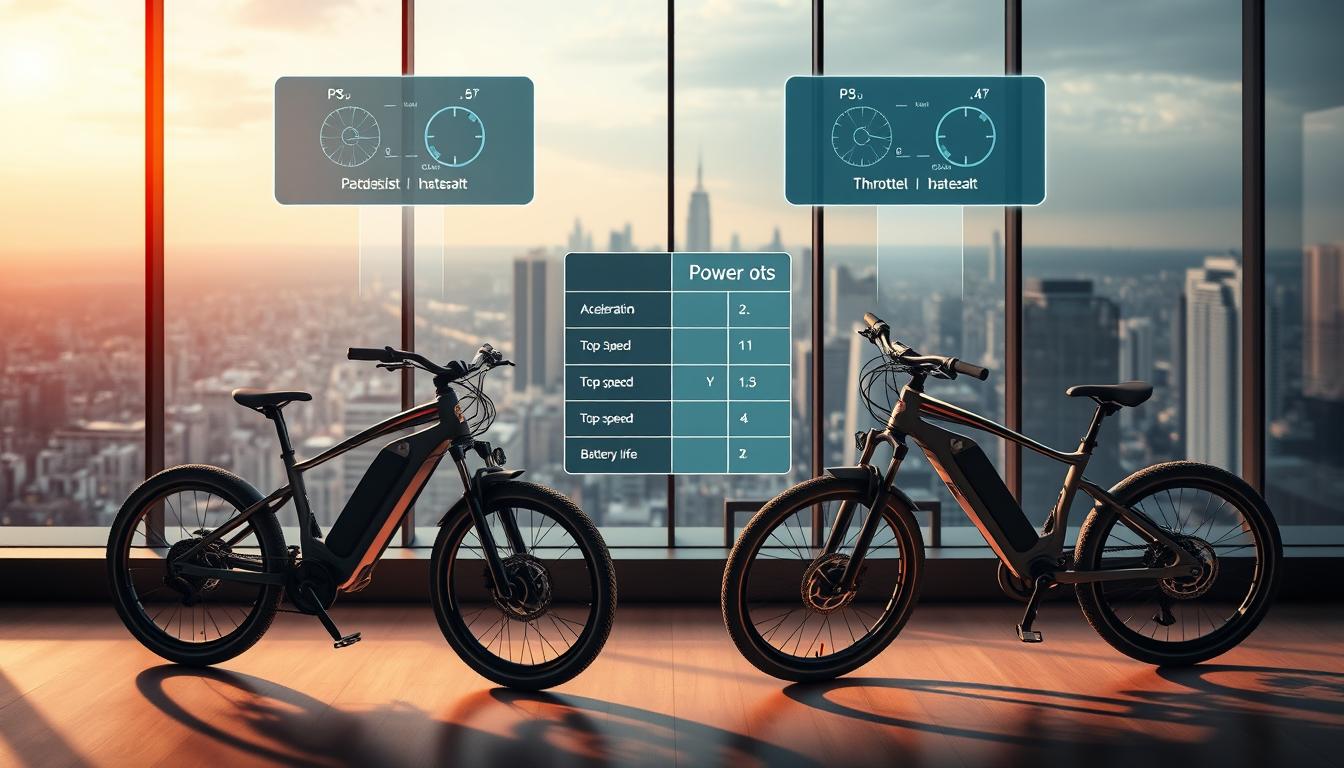
Electric bikes have changed how we move around cities and enjoy cycling. When looking at e-bike options, you’ll find two main ways to get power: pedal assist and throttle. Knowing the difference between these can help you pick the best bike for your needs and goals.
Pedal assist e-bikes give you power as you pedal, making the ride feel natural and fun. Throttle e-bikes let you control the motor with a simple hand lever. Each type has its own benefits, suited for different riders and their abilities.
Whether you’re riding to work or on a trail, the right e-bike mode makes a big difference. We’ll explore the world of electric bikes, comparing pedal assist and throttle. This will help you choose the best option for you.
Understanding Electric Bike Power Delivery Systems
Electric bikes mix mechanical engineering with advanced sensors. The power delivery system is key to their performance. It changes how we ride by blending human effort with electric help.
- Torque sensors that measure pedaling force
- Cadence sensors that track pedaling speed
- Integrated battery management systems
How Torque Sensors Work
Torque sensors measure how hard you pedal. They turn this force into signals for the bike’s computer. This means more electric help when you pedal harder, making rides smoother.
The Role of Cadence Detection
Cadence sensors watch your pedaling rhythm and speed. They count how many times you pedal per minute. This helps the bike’s system give you the right amount of electric boost, no matter the terrain.
Battery Power Management Features
Smart e-bike systems also manage the battery. They use energy wisely, check battery health, and share performance info in real-time. This means longer rides, steady power, and better efficiency for you.
Pedal Assist vs Throttle E-bike: Core Differences Explained
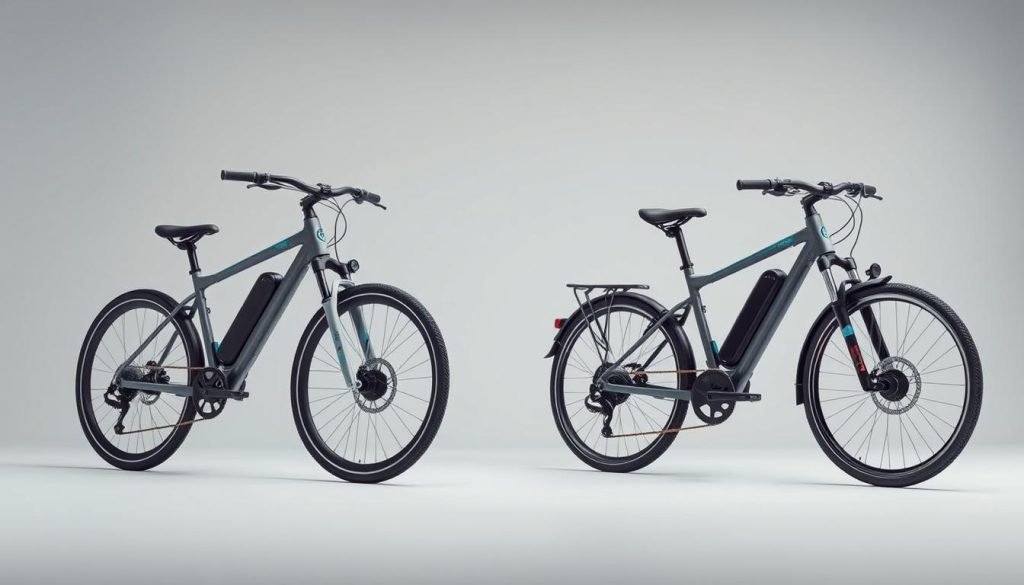
Electric bikes have two main types: pedal assist and throttle systems. Knowing the differences helps riders pick the best e-bike for them.
Pedal assist e-bikes help when you pedal. They mix your effort with electric power smoothly. You control the motor by pedaling.
- Pedal assist requires continuous pedaling to maintain motor support
- Motor engagement is proportional to rider’s pedaling intensity
- Provides a more workout-oriented riding experience
Throttle e-bikes work differently. They use a hand throttle, like a motorcycle. This lets riders control the bike’s power easily without pedaling.
| Feature | Pedal Assist | Throttle |
|---|---|---|
| Motor Activation | Pedaling Required | Hand Throttle Control |
| Rider Interaction | Active Pedaling | Passive Riding |
| Energy Efficiency | High | Moderate |
Both types have their benefits. Pedal assist bikes are better for range and exercise. Throttle bikes are easier for a relaxed ride.
Benefits and Drawbacks of Pedal Assist Systems
Electric bike technology keeps getting better, thanks to pedal assistance systems. These systems offer special benefits for riders. Knowing the good and bad can help cyclists choose the right e-bike.
Range and Efficiency Advantages
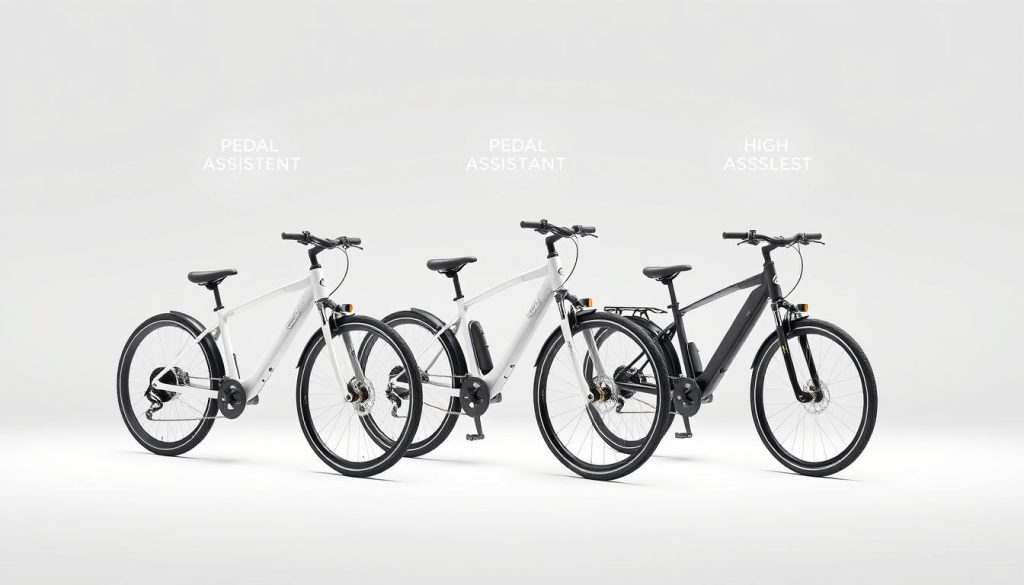
Pedal assistance levels are key to getting the most out of electric bikes. Riders can control how much battery they use by choosing the right support mode. Most e-bikes have different pedal assistance levels:
- Eco mode: Uses less battery, saves power
- Normal mode: Good balance of power and efficiency
- High mode: Gives the most motor help
Exercise and Health Considerations
Pedal assist systems make it easier to stay active. They let riders adjust how hard they work out. This makes cycling fun for people of all fitness levels and ages.
| Assistance Level | Calories Burned | Effort Required |
|---|---|---|
| Eco Mode | High | Maximum |
| Normal Mode | Moderate | Medium |
| High Mode | Low | Minimal |
Learning Curve and User Experience
New e-bike riders might find it takes time to get used to pedal assistance systems. With practice, they can learn to use the motor support well.
- Start in lower assistance modes
- Practice smooth pedaling
- Gradually increase complexity
Throttle E-bikes: Control and Convenience Features
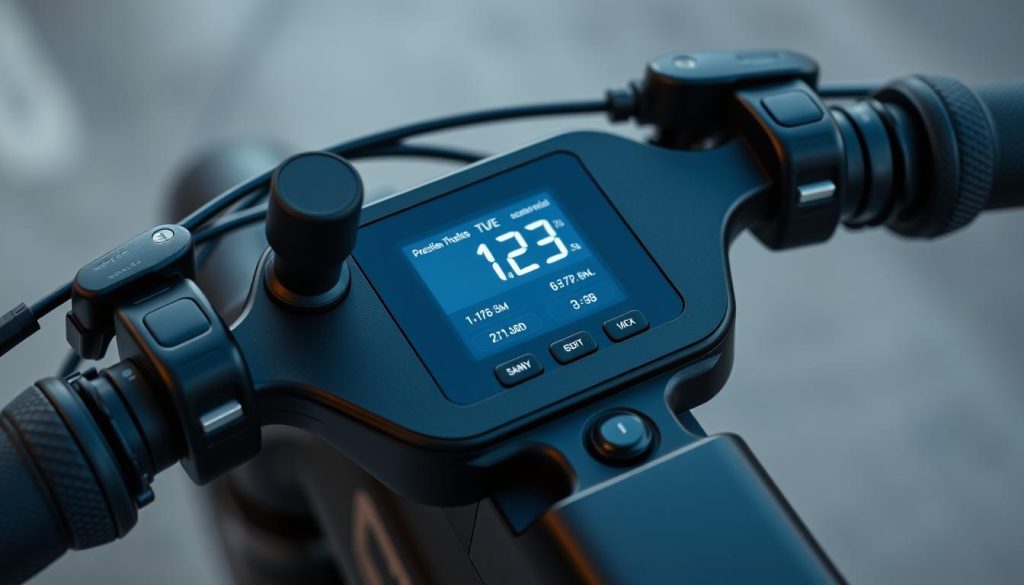
Throttle control changes how we ride e-bikes. It lets riders control power directly, unlike pedal assist. This makes riding easier and more convenient.
Throttle e-bikes have two main types:
- Thumb throttle: Activated by pressing a lever with your thumb
- Twist throttle: Similar to motorcycle controls, engaged by rotating the handlebar grip
People like throttle control for several reasons:
- Navigating steep inclines
- Starting from a complete stop
- Managing heavy cargo loads
- Reducing physical exertion during commutes
| Throttle Mode | Power Delivery | Best Use Cases |
|---|---|---|
| Full Throttle | 100% Electric Power | Urban Commuting |
| Partial Throttle | Supplemental Power | Hilly Terrain |
| Pedal-Activated Throttle | Adaptive Power | Mixed Riding Styles |
Knowing about e-bike modes helps riders choose the right throttle. It matches their riding needs and likes.
Making Your Choice: Lifestyle and Usage Considerations
Choosing the right electric bike means thinking about what you need and how you’ll use it. There are many styles of electric bike assistance. Your choice depends on your riding habits.
It’s important to know the local laws about electric bikes. Rules vary by state and city. Some places have stricter rules for e-bikes with throttles than those that only assist when pedaling.
Think about your fitness level, the terrain you’ll ride on, and how far you’ll go. City riders might like the quick power of a throttle. But trail riders might prefer the feel of pedal-assist.
Try out different e-bikes before you buy. Visit local bike shops and rent different models. This way, you can see which one fits your lifestyle best.