
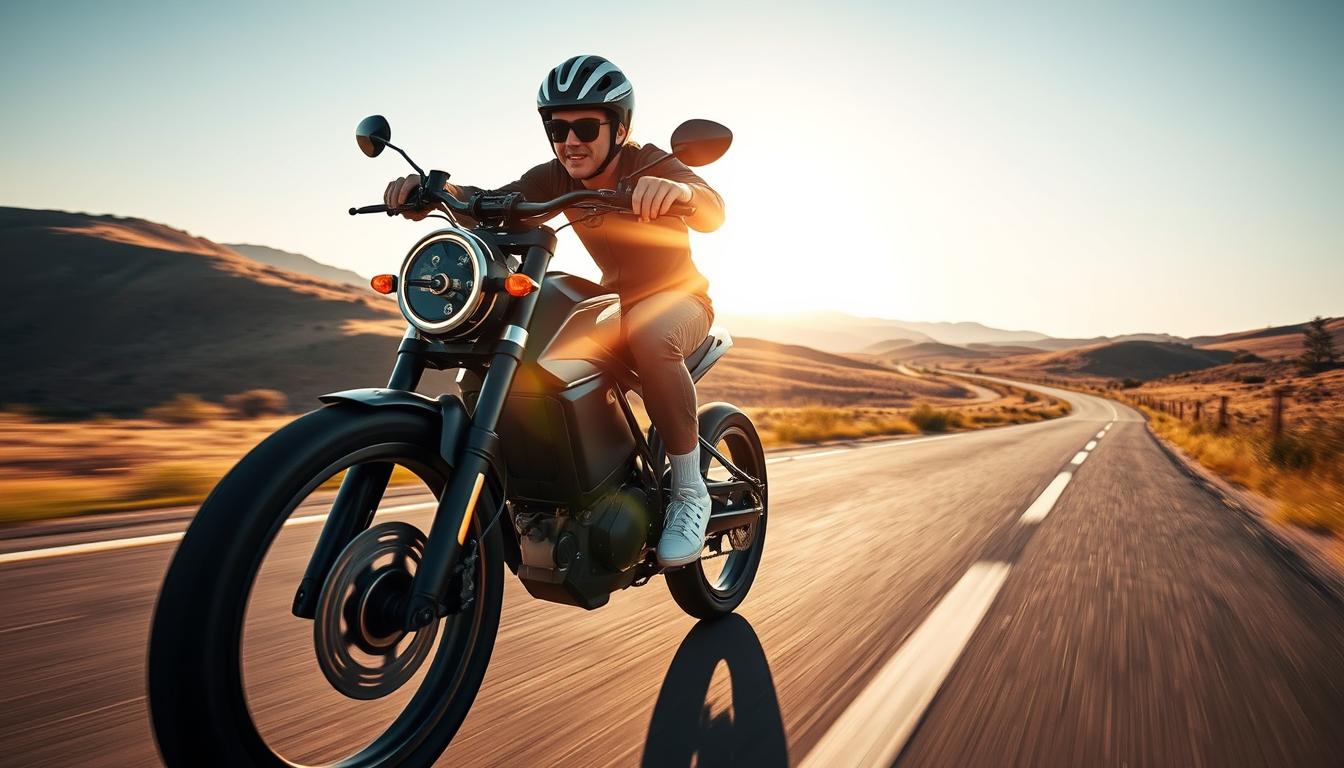
Electric bicycles have changed how we travel in cities and enjoy the outdoors. The 750w electric bike is a big step up in e-bike tech. It gives riders a fast, efficient, and thrilling ride.
These bikes are great for city commuters and fun riders. They offer strong power and can go far, much more than regular bikes.
Looking for a reliable ride? Modern e-bikes are more than a passing fad. They’re a green, efficient, and fun way to get around or explore trails.
Whether you’re commuting daily or love the outdoors, a 750w electric bike is perfect. It’s a mix of cutting-edge tech and top-notch performance. The future of getting around is electric, and it’s exciting.
Understanding 750w Electric Bike Performance and Capabilities
Electric cycles have changed how we move around cities. They offer a strong and efficient way to travel, unlike regular bikes. A 750w electric bike is a top choice for those wanting lots of power and flexibility.
These bikes with 750-watt motors perform well in many situations. They give riders fast acceleration and can handle tough terrain easily.
Power Output and Speed Limitations
The 750-watt motor is great for those who want better mobility:
- Maximum sustained power output of 750 watts
- Typical speed ranges between 20-28 miles per hour
- Ability to climb steeper hills with minimal effort
Motor Types and Their Benefits
There are different motors for electric bikes, each with its own benefits:
- Hub motors: Integrated directly into wheel
- Mid-drive motors: Centered for balanced weight distribution
- Geared motors: Enhanced torque and efficiency
Range and Battery Life Expectations
Electric cycles with 750-watt motors have great range:
| Battery Type | Estimated Range | Charging Time |
|---|---|---|
| Lithium-Ion Standard | 35-50 miles | 4-6 hours |
| Extended Range Battery | 60-75 miles | 6-8 hours |
Knowing these details helps riders choose the best electric bike for their needs.
The Evolution of Electric Bicycles: From Basic to High-Performance
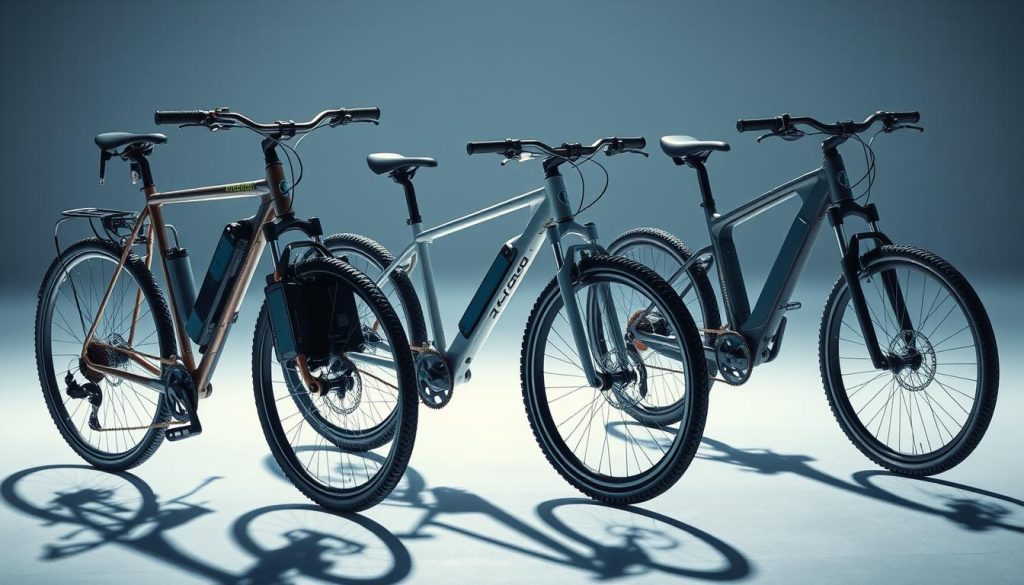
Electric bicycles have changed a lot since they first came out. They started as simple motorized bikes with not much power. Now, they are advanced pedal-assist bikes with great performance and new tech.
The history of e-bikes shows big tech leaps. At first, they were big, heavy, and didn’t go far. Today, they have light frames, strong motors, and smart battery systems. This makes riding them much better.
- 1990s: First generation e-bikes with basic electric assistance
- 2000s: Introduction of more efficient lithium-ion batteries
- 2010s: Smart integration of digital controls and performance optimization
- 2020s: High-performance 750w e-bikes with advanced features
Now, electric bikes have changed how we move around cities. There are many types for different needs – from city rides to mountain trails. The 750w motor is a big step forward, giving more power and better efficiency.
Big tech changes have made e-bikes popular. They are now a good choice for getting around, thanks to lighter materials, stronger motors, and smart designs.
Essential Features of Power-Assisted Bikes for Daily Commuting
Electric cycles have changed how we travel in cities, offering a smart and green way to get around. Power-assisted bikes mix new tech with practical design, making daily trips better. They offer convenience, efficiency, and green travel for city folks.

Smart Display and Control Systems
Today’s power-assisted bikes have advanced digital screens that show key info quickly. These smart systems include:
- Battery level indicators
- Speed tracking
- Pedal-assist mode selection
- GPS navigation integration
- Ride performance metrics
Safety Features and Lighting
Safety is key for electric bikes in cities. Makers add top-notch safety features for safe rides:
| Safety Feature | Function |
|---|---|
| Integrated LED Lights | Improved visibility during low-light conditions |
| Disc Brakes | Enhanced stopping power and control |
| Reflective Components | Increased rider visibility to other road users |
Storage Solutions and Cargo Options
Power-assisted bikes are great for carrying stuff around the city. They come with various storage options like racks, baskets, and panniers. This makes it easy to carry work stuff, groceries, or personal items.
- Rear cargo racks
- Front basket attachments
- Waterproof side panniers
- Under-seat storage compartments
Green Transportation: Environmental Impact of E-Bikes
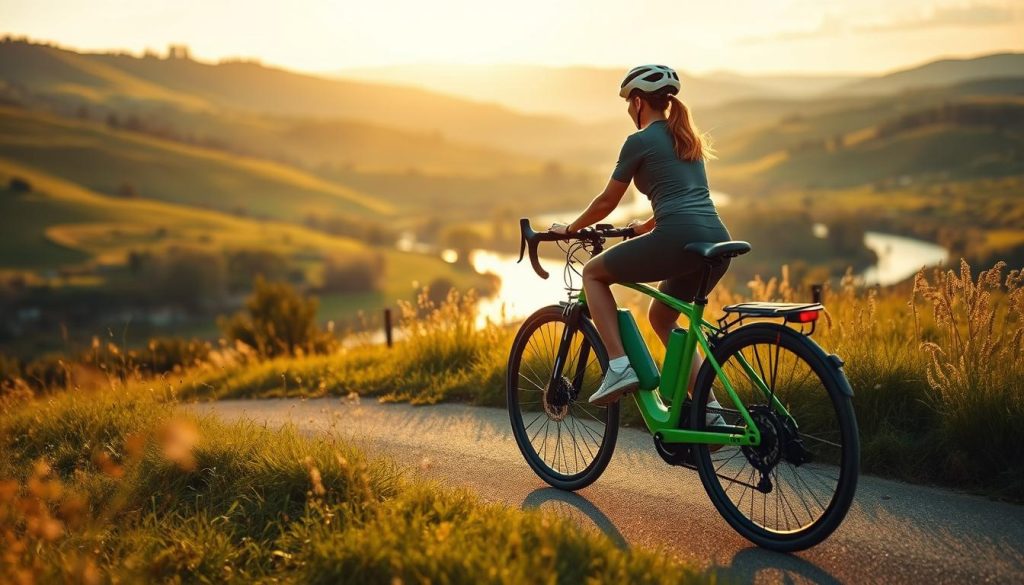
Electric bikes are a key part of green transportation. They offer a clean alternative to cars. These bikes help reduce carbon emissions and make commuting more efficient.
The benefits of e-bikes for the environment are big. They produce much less carbon than cars and use less energy. This means riders can cut down their carbon footprint while commuting.
- Zero direct emissions during operation
- Reduced energy consumption compared to automobiles
- Lower manufacturing carbon footprint
- Minimal infrastructure requirements
Cities around the world see e-bikes as a game-changer for urban travel. Their small size and low impact on the environment make them perfect for easing traffic and improving air quality.
| Transportation Method | CO2 Emissions (per km) | Energy Efficiency |
|---|---|---|
| Car | 271g | Low |
| Public Transit | 103g | Medium |
| Electric Bike | 22g | High |
Choosing an electric bike is more than just a way to get around. It’s a choice for a greener future. By using green transportation, we can make our communities more eco-friendly.
Choosing the Right Pedal-Assist Bike for Your Needs
Finding the right 750w electric bike is all about knowing what you need. Battery-powered bikes are great for city rides, weekend trips, and staying fit. Everyone has their own needs, so it’s important to pick the right bike.
Think about where you’ll ride most. If you’re in the city, look for bikes that are easy to handle. For those who ride in the country, a sturdy bike is better. Brands like RadPower and Trek help you find the perfect bike for your style.
Don’t forget about cost and how far you can go on one charge. Most e-bikes can go 25-50 miles before needing a recharge. Think about how far you usually go and where you can charge your bike.
Try out different bikes before you buy. Visit local bike shops to test ride various models. Look for comfort, how well the bike handles, and how it feels to ride. Your ideal bike should feel like it’s made for you.