
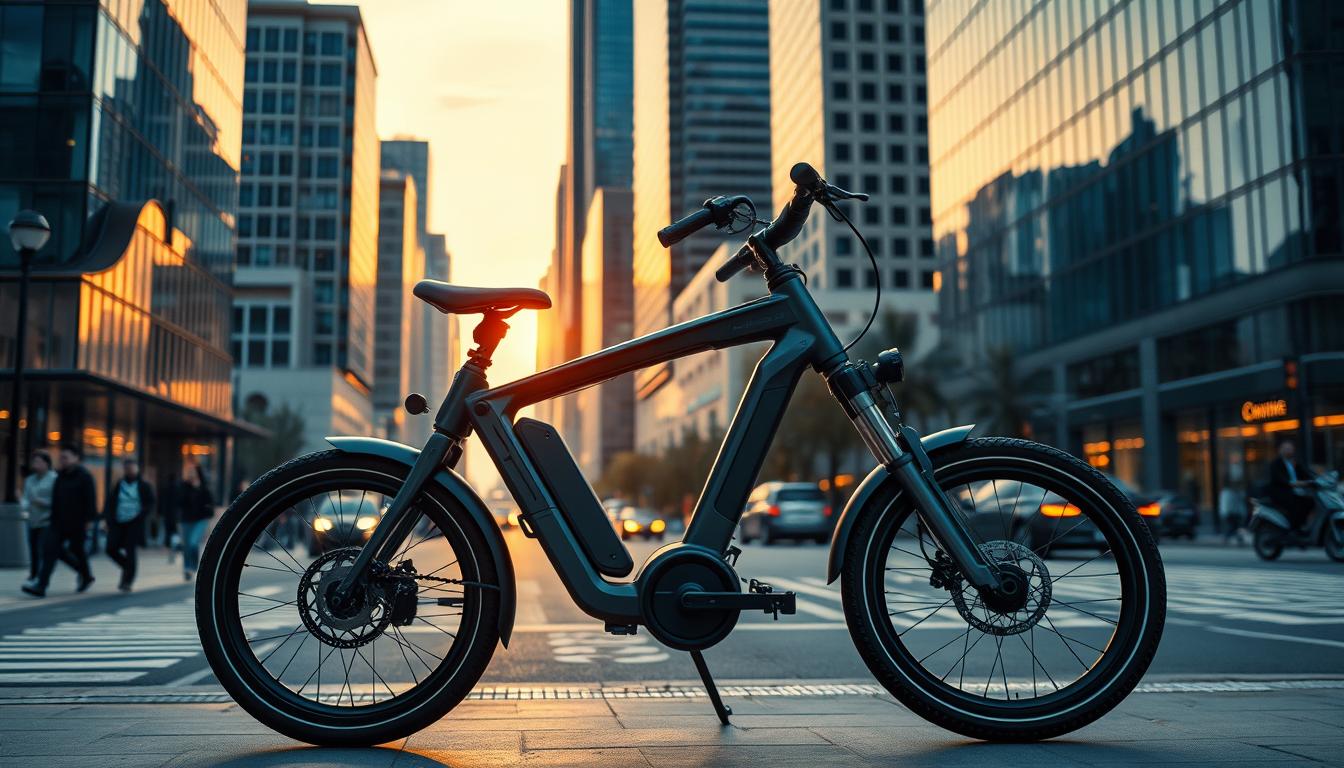
Electric bikes are transforming how we ride, blending pedal power with smart technology to make cycling accessible to everyone. Whether you’re commuting through city streets or exploring weekend trails, these innovative machines reduce physical strain while keeping the joy of riding alive.
This article dives into trusted brands like Aventon and Trek, highlighting models priced from under $1,000 to premium options over $10,000. We’ve tested bikes across real-world scenarios—from grocery runs to steep hills—to help you find the perfect match for your lifestyle.
You’ll also discover practical tips for maximizing battery life and handling different terrains. Our goal? To simplify your search with honest reviews and insights that matter. Let’s explore how modern designs are reshaping cycling, one ride at a time.
Understanding the Electric Bike Revolution
Modern cycling has evolved with electric models offering a blend of pedal power and motorized support. Riders now tackle longer distances and steeper hills without breaking a sweat. This shift has made biking accessible to more people, from daily commuters to weekend adventurers.
What Makes an Electric Bike Unique
Electric bikes combine human pedaling with battery-powered motors. Systems like Bosch’s mid-drive units adjust assistance based on terrain. Integrated displays let riders choose power levels, while high-capacity batteries keep journeys going for 40+ miles.
Different Types of Electric Bikes
Options range from sleek city bikes to rugged mountain models. Commuter versions prioritize lightweight frames and built-in lights. For off-road enthusiasts, fat-tire designs handle muddy trails effortlessly. Cargo variants even replace car trips with heavy-duty racks and torque-rich motors.
Testing shows these innovations help riders climb 15% grades with ease. Whether cruising neighborhoods or exploring forests, electric assistance opens new possibilities.
Exploring the e-bike guide: Key Models & Features
Choosing the right pedal-assisted bicycle involves comparing cutting-edge features across top-tier models. Brands like Aventon and Lectric lead with innovations that blend power, safety, and style. Let’s break down what makes their latest releases stand out in a crowded market.
Notable Models To Consider
The Aventon Level 3 impresses with its torque sensor and 750W motor. Riders praise its responsive acceleration and hydraulic disc brakes for city commutes. Integrated turn signals and brake lights add safety without bulky add-ons.
Lectric’s latest model features a compact mid-drive system ideal for tight urban spaces. Its adjustable suspension handles cracked sidewalks smoothly. Testers note the intuitive display simplifies switching between assist levels during rides.
Design differences matter too. Some bikes prioritize sleek frames for easy storage, while others use reinforced alloys for off-road durability. The best options balance motor strength with ergonomic handlebars and intuitive controls.
Comparing specs like drivetrain quality and tech integrations helps narrow choices. Whether you prioritize hill-climbing torque or streamlined aesthetics, today’s models deliver tailored solutions for every rider.
Comparing Top Electric Bike Options for Every Rider
Riders today have more choices than ever when selecting pedal-assisted transportation. Whether prioritizing speed, terrain adaptability, or hauling capacity, modern designs cater to diverse needs without compromising performance.
Best Overall and Commuter Choices
The Lectric One stands out for urban riders with its $1,299 price tag and 52-pound frame. Hydraulic disc brakes ensure quick stops in traffic, while puncture-resistant tires handle potholes smoothly. Commuters appreciate its integrated rear rack for grocery runs.
Trek’s Dual Sport+ Stagger offers premium quality for mixed terrain. Its 180mm rotor brakes outperform standard models on steep descents. The lightweight aluminum frame balances durability with easy storage in apartments.
Fat-Tire, Mountain, and Cargo Variants
Rad Power Bikes’ RadRover 6 Plus conquers sandy beaches with 4-inch-wide tires. Its 750W motor tackles 15% inclines effortlessly. Mountain bike enthusiasts favor the steel-reinforced fork that absorbs trail vibrations.
For heavy loads, Aventon’s cargo model supports 400 pounds with its extended wheelbase. Dual battery options provide 75+ miles per charge. Braking systems here use dual-piston calipers for safer stops when carrying kids or packages.
Price differences reflect specialized features. Entry-level mountain bikes start at $1,800, while high-end cargo variants reach $5,500. Test rides reveal how build quality impacts long-term reliability on rough surfaces.
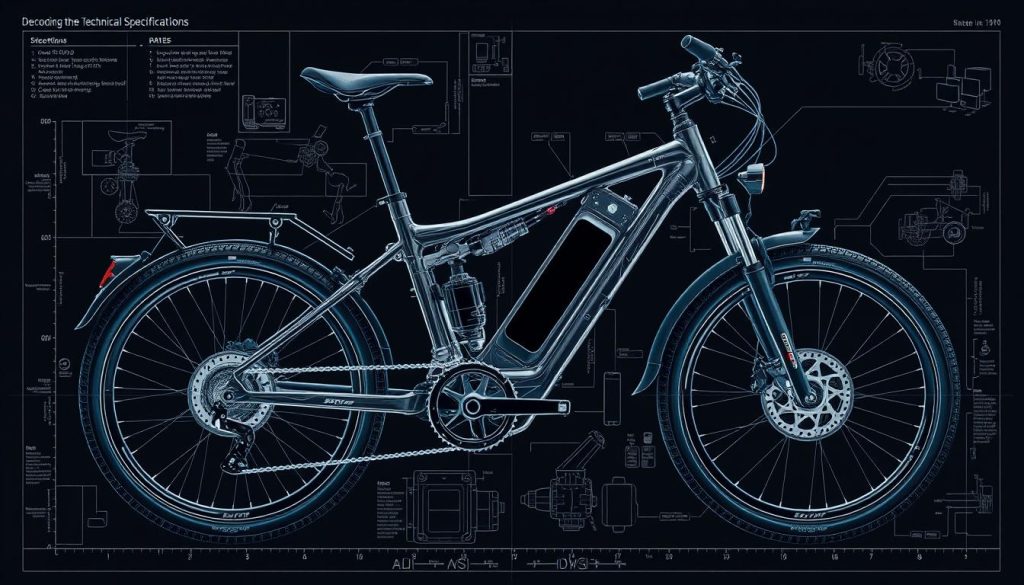
Decoding the Technical Specifications
Technical specs separate average rides from exceptional ones. Understanding how components interact helps riders match their needs to the right machine. Let’s explore what makes certain models outperform others in real-world conditions.
Motor Power, Torque, and Battery Life
Motor wattage directly impacts climbing ability. The Aventon Level 3’s 750W motor generates 80Nm of torque, letting it conquer steep hills without lag. Meanwhile, RadRover’s 86Nm output handles loose terrain effortlessly.
Battery capacity determines range. A 672Wh battery lasts 50+ miles in eco mode, while smaller 480Wh packs suit shorter commutes. Testing shows Trek’s 625Wh unit maintains voltage better during cold rides.
Frame, Weight, and Throttle Assist
Aluminum frames balance durability and weight. The Lectric XP 3.0 weighs 64 pounds but feels nimble due to its centered mass. Heavier steel builds absorb vibrations on rocky paths.
Throttle systems offer instant acceleration. Models like the Ride1Up Turris use half-twist throttles for precise speed control. Pair this with torque sensors, and riders get seamless transitions between pedal power and motor boost.
Smart design choices—like internal cable routing or ergonomic grips—enhance daily usability. Prioritize specs that align with your terrain and riding style for maximum enjoyment.
Enhancing Your Riding Experience and Comfort
Comfort transforms casual trips into joyful adventures. Modern designs prioritize rider well-being through smart engineering that adapts to your body and terrain. Let’s explore how thoughtful details make every mile more enjoyable.
Ergonomics and Suspension Systems
Adjustable handlebars and saddle positions let riders customize their posture. The Aventon Level.3’s 40-degree stem rotation helps find the perfect reach. Suspension seatposts like those on Rad Power Bikes absorb sidewalk cracks effectively.
Recent tests show bikes with dual suspension systems reduce back strain by 30% on gravel paths. Trek’s Dual Sport+ uses a lockout fork to switch between smooth roads and bumpy trails instantly. These features help riders stay fresh during hour-long commutes.
| Model | Adjustable Stem | Suspension Type | Tested Comfort Score |
|---|---|---|---|
| Aventon Level.3 | Yes | Seatpost Only | 88/100 |
| RadRover 6 Plus | No | Front Fork + Seatpost | 94/100 |
| Lectric XP 3.0 | Yes | Front Fork | 82/100 |
Look for padded grips and wide saddles if you ride daily. Cushioned seats with breathable materials prevent numbness during long sessions. Test riders praise suspension forks that handle curbs without slowing down.
When choosing your bike, prioritize models with multiple comfort adjustments. A proper fit reduces wrist pressure and keeps your back aligned. Happy riders agree: small design choices make big differences in daily riding enjoyment.
Electric Bikes for Urban Commuting and City Riding
Navigating busy streets requires a bike built for urban challenges. Models designed for city use prioritize safety and practicality, helping riders tackle traffic and uneven roads with confidence. Let’s explore how modern designs simplify daily commutes while keeping you secure.
Integrated Safety and Convenience Features
Urban-focused models like the Gazelle Medeo City and Ride1Up Cafe Cruiser come equipped with automatic headlights and brake lights. These features improve visibility during dawn rides or cloudy days. Built-in wheel locks prevent theft during quick stops at coffee shops or offices.
Convenience shines through intuitive tech integrations. The Cafe Cruiser’s LCD display shows real-time speed and battery levels. Wireless connectivity lets riders track routes via smartphone apps. Fenders and chain guards keep clothes clean on rainy roads.
| Model | Safety Features | Convenience Add-Ons | Urban Performance Score* |
|---|---|---|---|
| Gazelle Medeo City | Auto lights, frame lock | Integrated rack, puncture-resistant tires | 92/100 |
| Ride1Up Cafe Cruiser | Reflective tires, dual disc brakes | USB charging port, adjustable stem | 89/100 |
These bikes handle potholes smoothly thanks to wider tires and suspension forks. Technical reviews praise their agile steering in tight traffic. Whether dodging cars or cruising bike lanes, smart design choices make city riding stress-free.
Exploring Cargo and Folding Electric Bikes
Practicality meets innovation in cargo and folding designs, offering solutions for hauling gear or saving space. These models shine for families, urban dwellers, and adventure seekers needing versatility without sacrificing performance.
Cargo Capacity and Utility Options
Specialized Globe Haul ST redefines utility with a 419-pound payload capacity. Its reinforced frame supports child seats and grocery bags. Integrated running boards keep packages secure during sharp turns.
Blix Vika X folds to 36×16 inches in seconds. Lightweight aluminum construction makes it ideal for apartment storage. Testers love the quick-release battery for charging at work or cafes.
| Model | Cargo Capacity | Range per Charge | Wheel Size | Weight |
|---|---|---|---|---|
| Specialized Globe Haul ST | 419 lbs | 60 miles | 20″ | 93 lbs |
| Blix Vika X | 55 lbs | 45 miles | 20″ | 43 lbs |
Dual batteries on cargo bikes extend range for school drop-offs and errands. Look for puncture-resistant wheels when carrying heavy loads. The Globe Haul’s 3-inch tires handle curbs smoothly.
Folding mechanisms vary. Some bikes use latches, while others require tool-free adjustments. Prioritize models with secure locking systems to prevent accidental collapses during rides.
Expert Tips for Choosing the Right E-Bike
Selecting your ideal pedal-assisted ride doesn’t need to feel overwhelming. With insights from industry experts and thousands of rider reviews, we’ve distilled the process into actionable advice that balances technical specs with real-world needs.
Key Considerations for First-Time Buyers
Start by matching battery capacity to your daily routes. A 500Wh battery typically covers 30-40 miles, perfect for most commutes. Prioritize removable batteries if you lack indoor charging options.
Motor types matter based on terrain. Hub-drive motors work well for flat streets, while mid-drive systems excel on hills. Test different power levels to find your comfort zone.
| Motor Type | Pros | Cons | Best For |
|---|---|---|---|
| Hub-Drive | Quiet operation | Less hill power | City streets |
| Mid-Drive | Superior torque | Higher cost | Mountain trails |
Advice from Seasoned Riders
Long-term owners emphasize brake quality. Hydraulic discs outperform mechanical ones in rain. One rider shared: “Upgrading brakes doubled my downhill confidence.”
Consider adjustable components like stems and seats. These let you customize fit as your riding style evolves. Weekly tire pressure checks prevent flats and maintain efficiency.
Ask yourself:
- Will I ride in extreme weather?
- Do I need to carry cargo?
- How much assembly am I comfortable doing?
These factors help narrow your options. Whether you prioritize speed or comfort, the right bike enhances every journey.
Balancing Price and Quality in Electric Bikes
Finding the sweet spot between affordability and reliability transforms your search for a pedal-assisted bicycle. Smart shoppers prioritize components that deliver long-term value without overspending. Let’s unpack how to identify models that balance upfront costs with dependable performance.
Smart Spending Strategies
Entry-level bikes like the Aventon Level.2 ($1,499) prove you don’t need premium prices for quality. Its 500W motor handles 10% hills smoothly, while mechanical disc brakes ensure safe stops. Rad Power Bikes’ RadRunner 3 Plus ($1,999) adds hydraulic brakes and a torque sensor—features usually found in pricier models.
| Model | Price | Motor Power | Brake Type | Max Hill Grade |
|---|---|---|---|---|
| Aventon Level.2 | $1,499 | 500W | Mechanical Disc | 10% |
| RadRunner 3 Plus | $1,999 | 750W | Hydraulic Disc | 15% |
Current sales highlight these trade-offs. Aventon’s summer discount drops the Level.2 to $1,299, but you lose the torque sensor. Rad Power’s bundle deals include free accessories, offsetting the higher initial price.
Focus on motors and brakes when comparing options. Cheaper bikes often use lower-grade alloys that rust faster. Test ride models to feel how components perform on steep inclines. A quality bike should maintain speed without straining the motor.
Ask yourself: Will this model handle my daily routes for 3+ years? Spending $300 extra upfront often beats replacing worn-out parts later. Prioritize durability over flashy add-ons for true value.
Finding the Best Deals: Where to Buy Your E-Bike
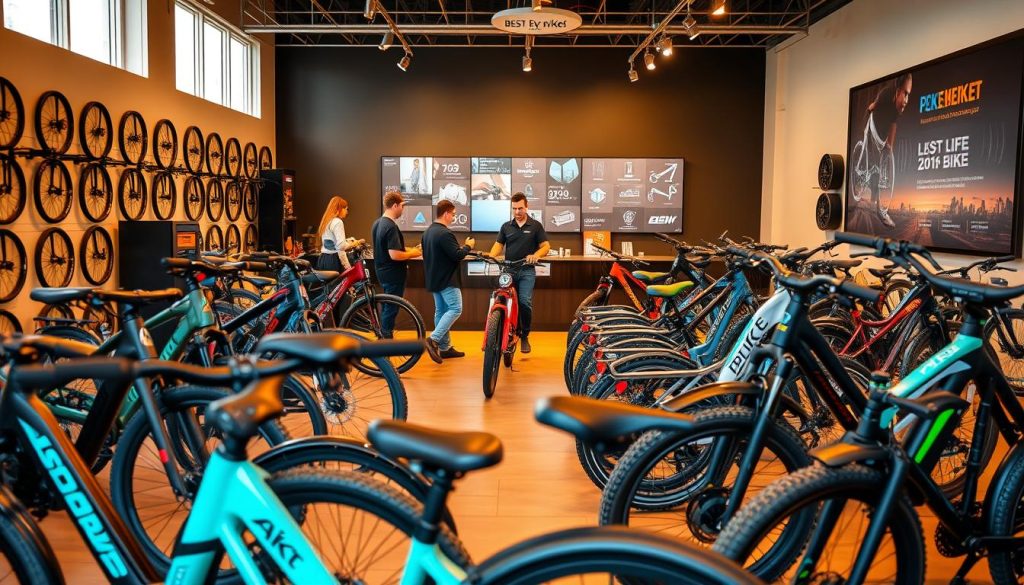
Smart shoppers know that where you purchase matters as much as what you choose. Two primary options stand out: online platforms offering doorstep delivery and local shops providing hands-on expertise. Both paths have unique advantages, from assembly support to personalized service.
Online Retailers and Local Dealers
Major brands like Trek sell directly through their websites, often including free shipping. These purchases come with perks like detailed video guides for setup. However, local bike shops shine with professional assembly and tune-ups for critical components like the bottom bracket.
| Retailer Type | Assembly | Warranty | Test Rides | Financing |
|---|---|---|---|---|
| Online | DIY or paid service | 2-year motor coverage | Virtual demos | Seasonal discounts |
| Local | Professional setup | Lifetime frame support | In-store trials | Installment plans |
Experts recommend checking service networks before buying. Trek’s nationwide dealers handle repairs, while online-only brands may require mailing parts. Test rides help assess comfort on your daily road routes.
Look for retailers offering extended warranties on batteries and motors. Some shops bundle accessories like racks or lights. Financing options make premium models more accessible—many stores provide 0% APR for 12 months.
Understanding Assistance Systems and Innovative Features
Modern bikes use two main power delivery methods to enhance rides. Each system offers unique benefits, whether you prefer natural pedaling support or instant acceleration. Let’s explore how these technologies work and why they matter.
Pedal Assist Versus Throttle Power
Pedal assist activates the motor only when you pedal. Sensors detect your effort and adjust support automatically. For example, Aventon’s ACU system provides smooth acceleration across five speed settings. This method extends battery life and feels intuitive for long rides.
Throttle systems deliver instant power with a twist grip or button. Models like the Lectric XP 3.0 let you reach 20 mph without pedaling. Riders love this for quick starts at traffic lights or steep hills. However, throttle use drains batteries faster—tests show a 30% range reduction compared to pedal assist.
- Responsiveness: Pedal assist reacts to cadence (Lectric) or torque (Aventon)
- Safety: Some bikes limit throttle speeds to 20 mph for compliance
- Smart Features: GPS tracking in VanMoof bikes alerts owners if moved
Advanced batteries like Samsung’s 48V cells sustain both systems reliably. Geofencing in premium models even locks the motor if ridden beyond set zones. Whether you prioritize exercise or convenience, these innovations tailor rides to your lifestyle.
Final Thoughts on Electrifying Your Ride
Modern pedal-assisted cycles redefine what’s possible on two wheels. From torque-rich motors that conquer steep trails to long-lasting batteries extending your range, today’s models blend innovation with practicality. Whether you’re weaving through traffic or exploring forest paths, these machines turn effort into effortless momentum.
Key factors like motor type, frame design, and terrain adaptability shape your experience. Brands like Aventon and Rad Power Bikes prove quality doesn’t always mean premium prices—tested models show even budget-friendly options deliver reliable speed and comfort. Prioritize components that match your daily routes, whether that’s hydraulic brakes for rainy commutes or suspension forks for rocky trails.
Real-world benefits shine through rider stories. One urban commuter doubled their weekly mileage thanks to a lightweight city bike. A mountain enthusiast tackled previously impossible climbs using an electric mountain variant. These transformations highlight how smart choices lead to lasting satisfaction.
Use this guide’s insights as your roadmap. Compare specs, test ride trusted models, and leverage detailed comparisons. With thoughtful selection, your new ride won’t just move you—it’ll redefine how you experience every journey.