
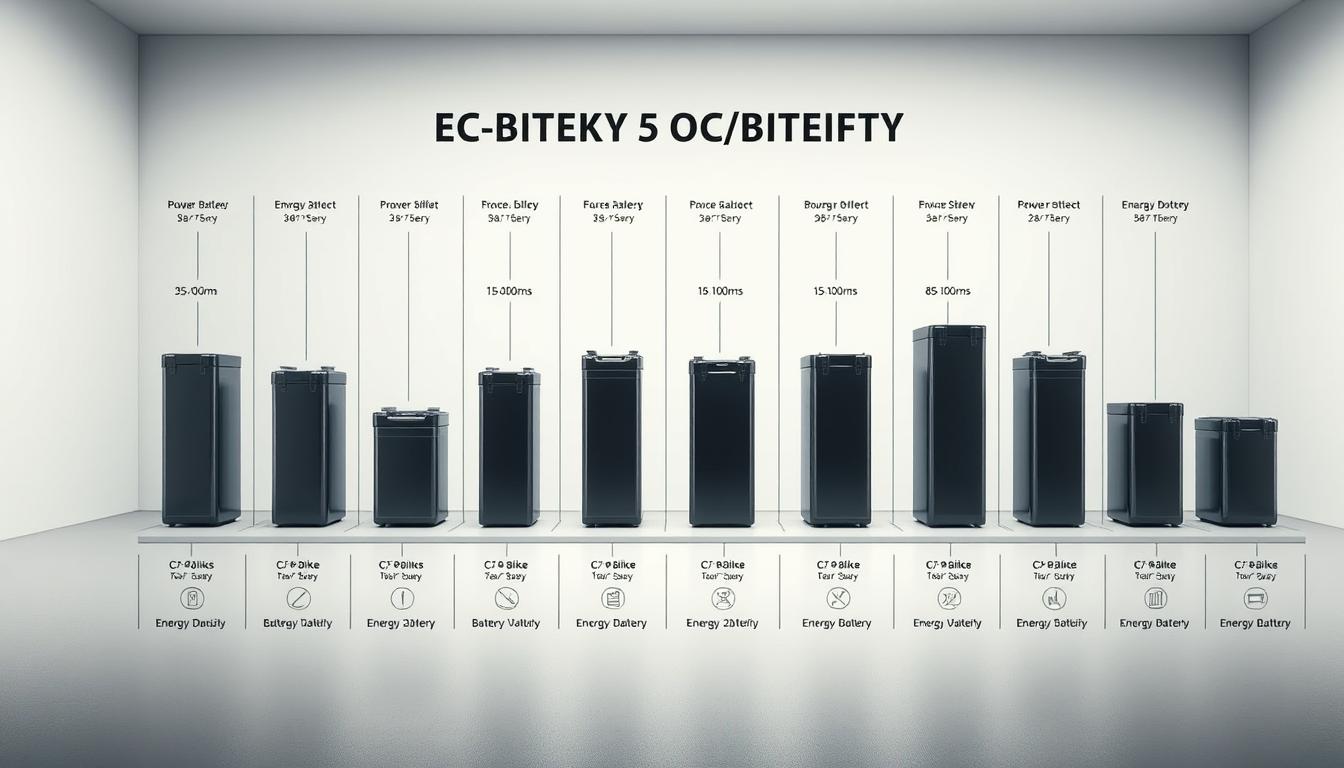
Electric bikes have changed how we move around cities. Knowing about e-bike battery capacity is key for the best ride. It helps you pick the perfect electric bike for you.
Today’s e-bike fans know that battery size is not just about distance. It’s about enjoying the ride too. Whether you’re going to work or exploring on the weekends, understanding battery capacity is important.
Choosing the right battery is more than just looking at numbers. Voltage, cell type, and energy density matter a lot. They affect how far and how well your e-bike will perform. Learning about battery technology can make your e-bike even better.
This guide will take you into the world of e-bike battery capacity. It’s for both new and experienced riders. You’ll learn all about battery technology in the following sections.
The Fundamentals of E-Bike Battery Capacity
E-bike batteries turn regular bikes into electric wonders. It’s key to know how they work for the best ride.
Today’s e-bike batteries use top-notch lithium-ion cells. These cells pack a lot of energy and are very reliable. They decide how well an electric bike performs.
Exploring Battery Components
An e-bike battery has important parts for steady power:
- Lithium-ion cell modules
- Battery management system
- Protective casing
- Electrical connectors
Lithium-Ion Cell Varieties
There are many types of lithium-ion cells for e-bikes. Each has its own strengths:
| Cell Type | Voltage Levels | Power Output |
|---|---|---|
| Lithium Nickel Manganese Cobalt (NMC) | 3.6-3.7V | High energy density |
| Lithium Iron Phosphate (LFP) | 3.2-3.3V | Enhanced safety |
| Lithium Cobalt Oxide (LCO) | 3.7V | Maximum power output |
Understanding Voltage and Amperage
Voltage and amperage are key to battery performance. Voltage is the electrical pressure, and amperage is the current flow. Together, they affect how far and fast an e-bike can go.
- Standard e-bike batteries range from 36V to 48V
- Typical capacity spans 10-20 amp-hours
- Higher voltage means faster starts
- More amperage means longer rides
Choosing the right battery means finding the right balance. You need to think about voltage, power, and how you ride to get the best from your e-bike.
How to Measure and Compare E-Bike Battery Capacity
Understanding e-bike battery capacity is more than just looking at numbers. Riders need to know how to check battery performance for the best electric cycling experience. Watt-hours are the key to measuring battery capacity, showing how much energy it can hold.
When comparing e-bike battery capacity, focus on three important metrics:
- Watt-hours (Wh): Total energy storage capacity
- Voltage: Electrical pressure of the battery
- Energy density: Amount of energy packed per unit volume
Watt-hours are calculated by multiplying voltage by amp-hours. This gives a clearer picture of battery performance. For example, a 48V battery with 10 amp-hours has 480 watt-hours. This means it has enough energy for longer rides.
Energy density is also key in e-bike battery design. Modern lithium-ion batteries have high energy density. This allows for smaller, yet powerful battery packs. Riders should look for batteries with high energy density for better range and less weight.
To compare e-bike battery capacity effectively, use these methods:
- Check total watt-hours rating
- Evaluate battery weight
- Review manufacturer range estimates
- Consider charging time and efficiency
Choosing the right e-bike battery means finding a balance between capacity, weight, and performance. This ensures it meets your riding needs and preferences.
Factors Affecting Battery Range and Performance
E-bike riders know that range estimation isn’t just about battery capacity. Many factors affect how far your electric bike can go on one charge. Knowing these helps you manage your battery better and ride more efficiently.
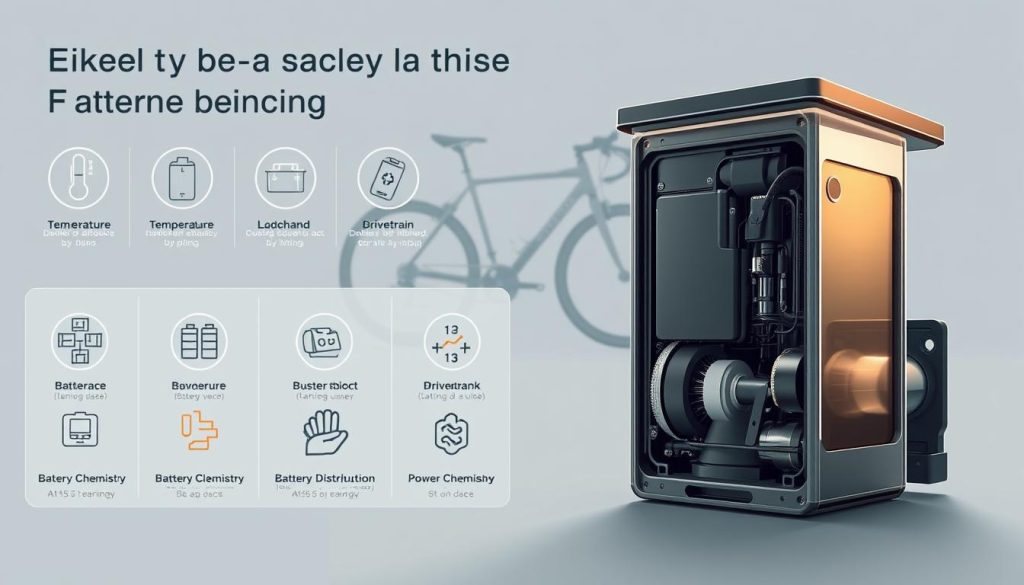
Several key variables impact your e-bike’s battery performance and range. Let’s look at the most important factors that affect your electric ride.
Temperature’s Critical Role
Battery efficiency changes a lot with temperature. Cold can cut battery performance by up to 30%. Heat can also damage the battery faster. Riders should expect less range in winter and protect their battery.
Rider Weight and Terrain Dynamics
- Heavier riders need more energy to move the e-bike
- Steep terrain uses more battery
- Rough surfaces need more power than smooth paths
Assistance Levels and Power Management
Your chosen assistance level affects range. Higher modes use batteries faster. Eco modes can make your ride go longer.
| Assistance Level | Average Range Reduction |
|---|---|
| Turbo Mode | 40-50% range reduction |
| Normal Mode | 20-30% range reduction |
| Eco Mode | 10-15% range reduction |
Smart battery management systems now track and optimize these factors in real-time. They give riders deep insights into energy use.
Battery Management Systems and Smart Features

Modern e-bikes use advanced battery management systems. These systems change how we ride and keep the battery safe. The BMS is like the e-bike’s brain, controlling power with great accuracy.
The main jobs of a battery management system are:
- Stopping overcharging and overheating
- Making sure each cell works well together
- Keeping voltage steady
- Improving battery efficiency
Smart features in BMS systems help riders get the most out of their e-bikes. These features check battery health, adjust power, and give updates on performance. They keep the battery cool and power steady, making rides better and longer.
Today’s e-bikes come with sensors that let riders see battery info on their phones. Apps show how the battery is doing, how far you can go, and how much energy you use.
Riders get better reliability, safety, and control over their e-bikes. The BMS turns e-bikes into smart, adaptable ways to get around.
Maximizing Your E-Bike Battery Life and Longevity
E-bike batteries are a big investment. Taking good care of them can make them last longer. Knowing how to maintain your battery is key to keeping your e-bike running well for years.
To keep your battery in top shape, you need to be smart about charging. The right care can keep your battery healthy and your e-bike running efficiently.
Optimal Charging Practices
Smart charging is the first step to good battery management:
- Avoid fully depleting the battery before recharging
- Keep charge levels between 20% and 80% for best results
- Use the manufacturer’s recommended charger
- Unplug the battery once it reaches full charge
Storage Temperature Guidelines
Temperature affects your battery’s performance and life. Extreme temperatures can damage your battery and reduce its capacity.
- Store batteries in environments between 50-77°F (10-25°C)
- Avoid direct sunlight and humid areas
- Remove the battery if storing the e-bike for extended periods
Maintenance Tips for Battery Health
Regular care can make your battery last longer:
- Clean battery contacts with a dry cloth periodically
- Inspect for physical damage or wear
- Perform a full charge cycle every few months
- Avoid exposure to moisture and extreme conditions
By following these tips, you can protect your battery investment. This way, you’ll enjoy reliable performance for many rides.
Future Trends in E-Bike Battery Technology
The e-bike world is changing fast, thanks to new battery tech. Scientists are working hard to make batteries better. They want to help riders go further without carrying heavy batteries.
Experts at top research places are looking into new battery types. They hope to make e-bikes more powerful. Solid-state batteries might be the key, offering better safety and faster charging.
New materials and nanotechnology are making batteries more efficient. This means lighter batteries that last longer. These changes could make e-bikes more popular and useful for everyone.
The future of e-bike batteries is exciting. We might see big changes in how we travel around cities. With better batteries, e-bikes will be more powerful, light, and green.