

Choosing the right electric bike power can change how you ride. When looking at electric bikes, you have to decide between 250w, 500w, and 750w. Each option affects how well the bike performs and how you use it.
Knowing about e-bike motor wattage is key to finding the right bike. Whether you’re riding to work, exploring tough trails, or just for fun, the bike’s power matters. It decides how much fun and satisfaction you get from riding.
This guide will help you understand electric bike power better. We’ll compare 250w, 500w, and 750w e-bikes. You’ll see how the motor’s power affects speed, distance, and how the bike feels to ride.
Each power level has its own benefits. Your choice depends on the terrain, your weight, how you ride, and what you expect from your bike. Our expert advice will help you pick the perfect bike for your needs.
Understanding E-bike Power Basics and Motor Types
Electric bike power is more than just numbers. It’s about how motors turn wattage into real performance. Riders should know the basics of these systems before buying an e-bike.
Hub Motors vs Mid-Drive Systems
There are two main types of e-bike motors: hub motors and mid-drive systems. Each has its own benefits for different rides.
- Hub Motors:
- Located in the wheel’s center
- Simpler mechanical design
- Lower maintenance requirements
- Mid-Drive Motors:
- Positioned at the bike’s center
- Better weight distribution
- More efficient power transfer
Power Measurement and Real-World Performance
The power of an e-bike’s motor is important. But, how it performs in real life depends on many things. For example, a 500-watt motor can act differently based on the rider’s weight, the terrain, and the battery’s size.
Torque and Its Impact on Riding Experience
Torque is key in how fast an e-bike goes. More torque means faster starts and better climbing. When choosing an e-bike, look at both wattage and torque.
Knowing about these power aspects helps riders pick the right e-bike for them.
250w vs 500w vs 750w e-bike: A Complete Comparison
Choosing the right e-bike power level is key to a great ride. Electric bike laws and how well they perform differ a lot between 250w, 500w, and 750w models. It’s important to know what each power level offers.
Lightweight e-bikes usually have 250w motors. They’re great for city commuters and casual riders. These bikes offer smooth help when pedaling and follow most city bike laws. They can go up to 15-20 mph, perfect for flat areas and short trips.
- 250w: Best for flat urban routes
- 500w: Balanced performance for mixed terrain
- 750w: Maximum power for challenging landscapes
500w e-bikes offer more power for different terrains. They handle small hills better and go faster. They’re good for riders over 180 pounds or those tackling slightly tough paths.
750w e-bikes are for serious riders and those who love adventures. They do well on tough trails, steep hills, and carrying heavy loads. They use more battery but offer the best climb and speed for tough riders.
Choosing the right e-bike power depends on your riding needs, local laws, and what terrain you like. Knowing the differences helps you pick the best electric bike for your life.
Speed and Performance Expectations Across Power Levels
Electric bikes come in different power levels, each with its own speed, acceleration, and range. Knowing these differences helps riders pick the right e-bike for their needs and where they ride.
Maximum Speed Capabilities
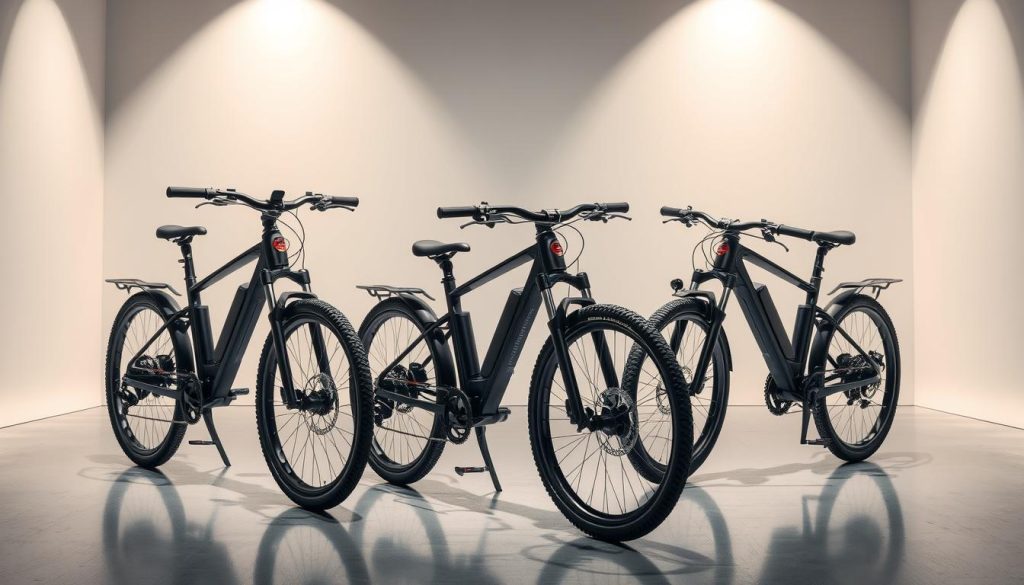
When comparing e-bike speeds, we see clear differences in motor power. A 250w motor goes 15-20 mph. But, a 500w motor can reach 25-28 mph. And, the 750w models can go up to 30-35 mph under the right conditions.
- 250w: Best for urban commuting and flat terrain
- 500w: Balanced performance for mixed riding environments
- 750w: Superior speed for challenging landscapes
Acceleration and Hill Climbing Ability
The power of the motor affects how well an e-bike climbs hills. Lower-wattage bikes find it hard on steep hills. But, higher-wattage bikes make it look easy.
| Motor Power | Flat Terrain Acceleration | Hill Climbing Performance |
|---|---|---|
| 250w | Moderate | Limited (5-10% grade) |
| 500w | Quick | Good (10-15% grade) |
| 750w | Rapid | Excellent (15-20% grade) |
Range and Battery Life Differences
The range of an e-bike’s battery changes with its power. A 250w e-bike might go 40-60 miles on one charge. But, a 500w model usually goes 30-50 miles. And, the 750w option might get 25-40 miles, using more energy.
Where you ride also affects your e-bike’s battery life. Think about your usual routes when choosing an e-bike’s power level.
Matching E-bike Power to Your Riding Environment
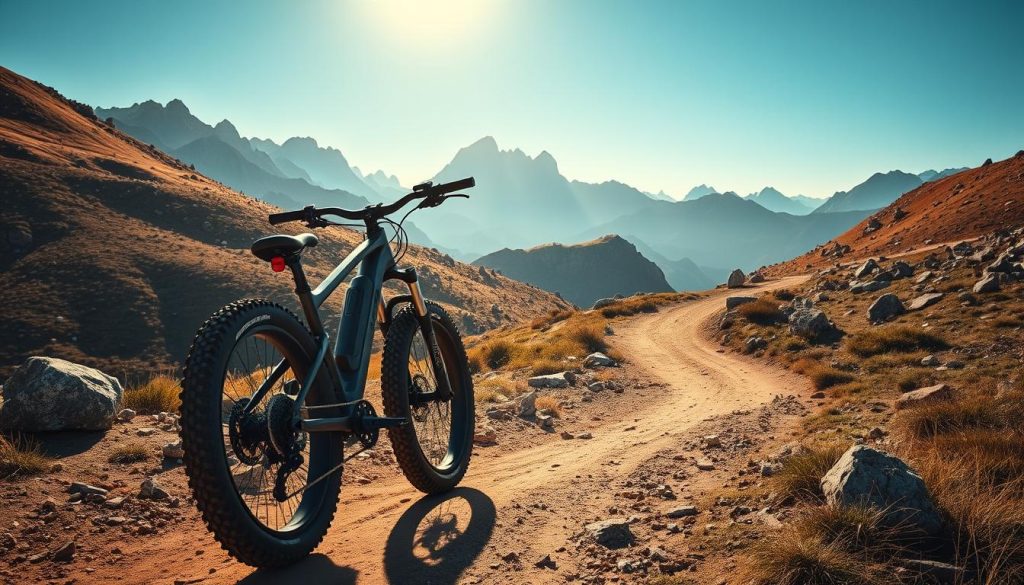
Choosing the right e-bike power is key. It depends on where and how you ride. The terrain you face is crucial for picking the perfect motor strength.
Urban riders do well with lightweight e-bikes and 250w motors. These motors offer quick starts and enough power for flat city streets. They are also great for tight spaces and save battery life.
- City Commuting: 250w motors ideal for flat terrain
- Suburban Areas: 500w motors recommended for moderate hills
- Rural/Mountain Terrain: 750w motors provide maximum performance
For tough terrains, you need more power. Hilly areas need 500w or 750w motors to handle steep climbs. E-bikes with higher wattage help riders tackle different landscapes without getting tired.
| Terrain Type | Recommended Motor Power | Riding Experience |
|---|---|---|
| Flat Urban Streets | 250w | Smooth, Efficient Commuting |
| Rolling Suburban Roads | 500w | Balanced Performance |
| Mountain/Rural Paths | 750w | Powerful Climbing Ability |
Think about your usual riding spots when picking an e-bike. The right motor power makes your ride better, more comfortable, and fun.
Legal Requirements and Power Restrictions by Region
Understanding electric bicycle laws is key. E-bike riders must know the rules that change by area. These rules affect how you can use commuter e-bikes.
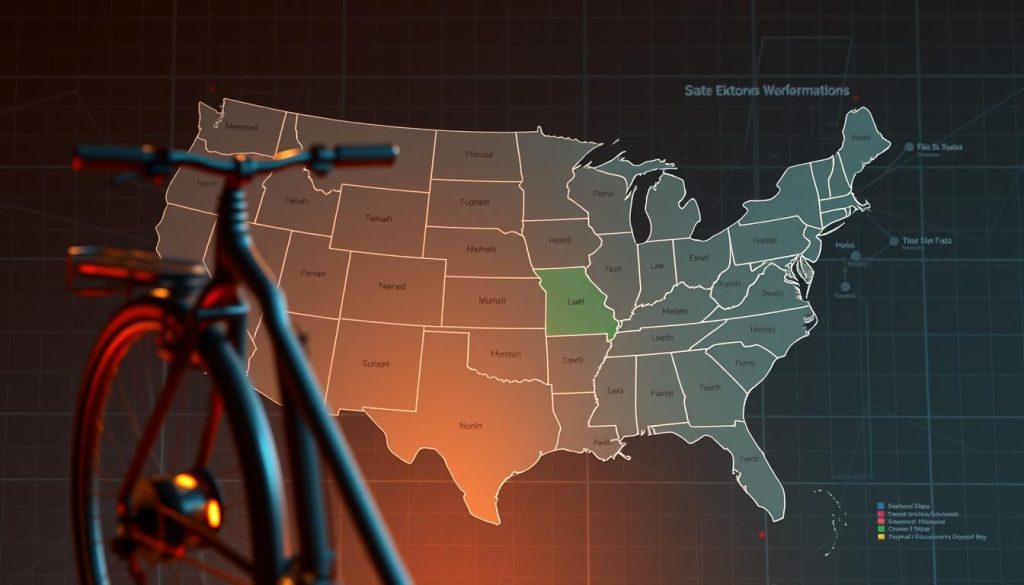
Electric bike laws vary a lot between cities and countryside. It’s important to know these rules to ride safely and legally.
US Federal and State Regulations
The federal government groups e-bikes into three types based on speed and help from the motor:
- Class 1: Pedal-assist up to 20 mph
- Class 2: Throttle-powered up to 20 mph
- Class 3: Pedal-assist up to 28 mph
Urban vs Rural Usage Guidelines
Ebike speed comparison shows different use in cities and countryside. Cities have stricter rules on where e-bikes can go.
| Environment | Typical Restrictions | Recommended Power Level |
|---|---|---|
| Urban Areas | Bike lanes, paths, limited street access | 250w-500w |
| Rural Areas | More flexible road usage | 500w-750w |
Safety Considerations and Insurance Requirements
It’s wise to get insurance for your electric bike, especially for powerful ones. Many insurers have special policies for e-bikes.
- Verify local helmet requirements
- Check maximum power restrictions
- Understand liability coverage options
Cost Analysis: Price vs Power in Modern E-bikes
When looking at electric bikes, cost is a big factor. A 250w commuter e-bike is the cheapest option, priced from $800 to $1,500. It’s perfect for city riders who want a cheap way to get around.
Electric bike power affects the price. A 500w e-bike costs between $1,500 and $2,500. It has more power for tougher terrains and longer rides. This balance of power and price is great for those watching their budget.
For those needing the most power, 750w e-bikes are the top choice. They cost between $2,500 to $4,000. These bikes handle tough landscapes well. Buyers should think about their needs and the total cost of owning one.
It’s not just about power. Looking at features, warranties, and durability is key. Doing your homework helps find an e-bike that fits your needs and budget.