
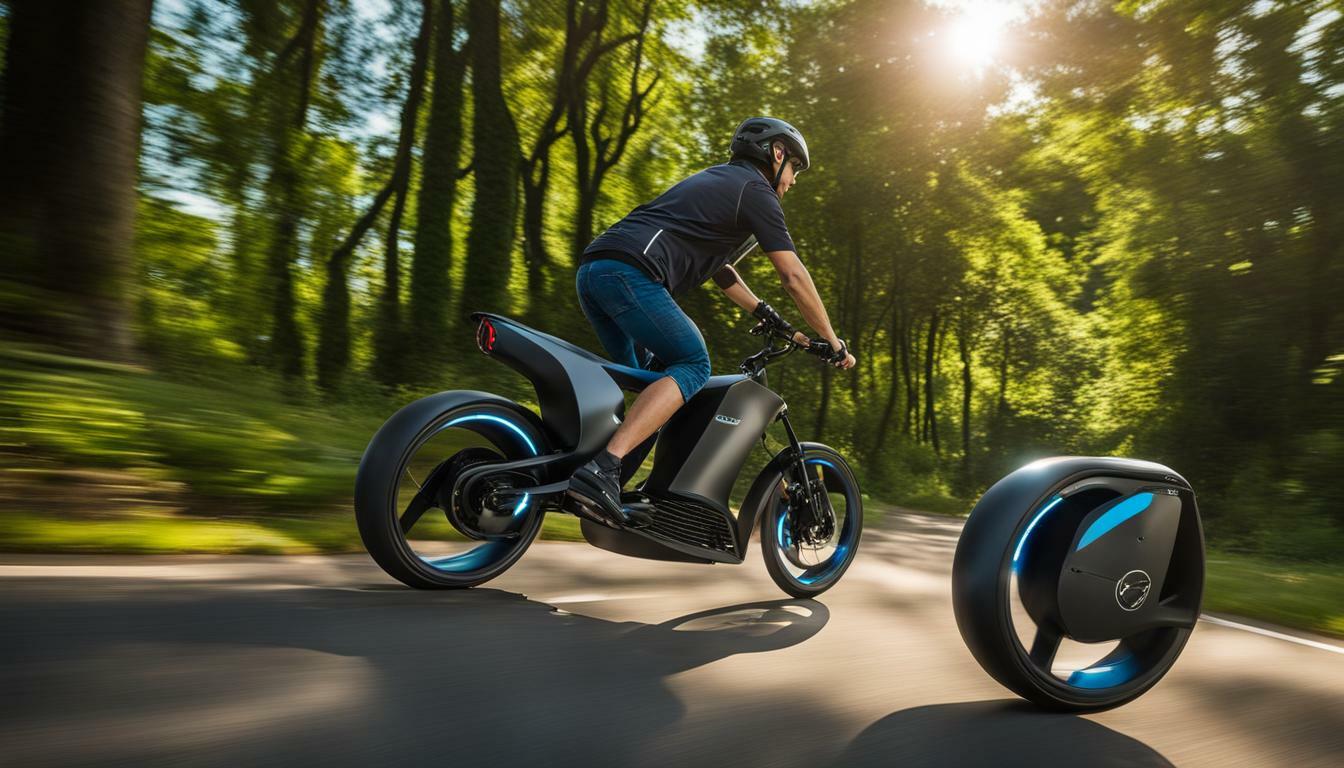
Electric bike batteries can last anywhere from two to five years, depending on various factors such as the type and brand of battery, the number of times it has been charged, and its age. A single e-bike battery can be charged thousands of times before needing to be replaced, with each charge typically lasting around 100 to 120 kilometers on a standard electric bike. It is important to charge the battery when it reaches the 30-60% charge range, as not using the battery can actually harm its lifespan.
There are three broad classes of batteries used for electric bicycles: lithium-ion batteries, nickel batteries, and lead batteries. Lithium-ion batteries are the most widely used and can survive upwards of 1000 charge cycles. The lifespan and performance of an electric bike battery also depend on the battery’s materials and the manufacturer. It is recommended to replace the battery after two years or if there is a decrease in performance, such as decreased power or more frequent recharging.
To extend an electric bike battery’s life, it is important to use the charger that came with the battery, avoid running the battery down to 0% charge, and store the battery in a cool and dry place. The range of an electric bike can be estimated by calculating the watt hour capacity of the battery and dividing it by an average efficiency number in watt hours per mile/kilometer. Factors such as speed, rider weight, terrain, and wind conditions can affect the range of an e-bike. Pedal assist and throttle can also impact battery life, with pedal assist generally being more efficient.
Adjustments can be made to the efficiency numbers based on weight, terrain, and personal riding style. Ultra high-range e-bikes may have manufacturers’ range ratings that are optimistic, but by using lower pedal-assist modes and adding more pedal power, the range of an e-bike can be increased. Realistic range estimates for daily riding are around 25 watt hours per mile for throttle-only riding and 15 watt hours per mile for pedal-assist riding.
Key Takeaways:
- Electric bike batteries can last two to five years depending on factors such as type, brand, and usage.
- Charging the battery within the recommended range can extend its lifespan.
- Lithium-ion batteries are the most commonly used battery type for electric bikes and can last over 1000 charge cycles.
- Proper maintenance, including using the correct charger and storing the battery in a cool and dry place, can help maximize battery life.
- Factors such as speed, rider weight, terrain, and wind conditions can affect the range of an electric bike.
Factors Affecting Electric Bike Battery Life
The lifespan and overall performance of an electric bike battery can be influenced by various factors, including the way it is charged, discharged, and stored. Understanding these factors can help e-bike owners maximize the longevity and efficiency of their batteries.
One crucial factor is the charging time. It is essential to use the charger that came with the battery and follow the manufacturer’s instructions. Overcharging can lead to increased heat generation and potential damage to the battery, while undercharging may result in reduced capacity and decreased overall performance.
Proper storage is equally important. Storing the battery in extreme temperatures, such as excessively hot or cold environments, can accelerate its aging process and decrease its lifespan. Ideally, the battery should be stored in a cool and dry place, away from direct sunlight.
Another factor is the frequency of complete discharge. It is recommended to avoid completely draining the battery, as this can strain the cells and negatively impact their longevity. Instead, try to recharge the battery when it reaches the 30-60% charge range to optimize its lifespan.
Table 1: Factors Affecting Electric Bike Battery Life
| Factors | Impact |
|---|---|
| Charging time | Overcharging or undercharging can damage the battery |
| Storage conditions | Extreme temperatures can accelerate battery aging |
| Discharge level | Complete discharge can strain battery cells |
By taking these factors into consideration and following best practices for charging, storing, and discharging the battery, electric bike owners can optimize the lifespan and performance of their batteries, ensuring longer rides and fewer disruptions.
Types of Electric Bike Batteries
Electric bikes can be powered by different types of batteries, with the most common options being lithium-ion, nickel, and lead batteries. Each type has its own advantages and disadvantages, which make them suitable for different electric bike models and usage.
Lithium-Ion Batteries
Lithium-ion batteries are the most widely used type of battery for electric bikes due to their high energy density, lightweight construction, and long lifespan. These batteries can deliver reliable and consistent power, allowing riders to travel longer distances on a single charge. Furthermore, lithium-ion batteries have a higher charge/discharge efficiency compared to other battery types, which means they can be charged faster and retain their charge longer.
Nickel Batteries
Nickel batteries, specifically nickel-metal hydride (NiMH) batteries, are another option for electric bikes. They offer a good balance between performance and cost, making them a popular choice for budget-friendly e-bikes. Nickel batteries have a longer lifespan compared to lead batteries, but they are heavier and bulkier than lithium-ion batteries. Additionally, nickel batteries have a lower energy density and may require more frequent charging.
Lead Batteries
Lead batteries, specifically sealed lead-acid (SLA) batteries, are the oldest type of rechargeable battery available for electric bikes. They are the most affordable option but come with certain limitations. Lead batteries have a low energy density, which means they provide less power and have a shorter range compared to lithium-ion and nickel batteries. They are also heavier and require longer charging times. However, lead batteries are still used in some electric bike models, particularly those designed for shorter rides or lower speeds.
| Battery Type | Advantages | Disadvantages |
|---|---|---|
| Lithium-Ion | High energy density Lightweight construction Long lifespan Fast charging |
Higher cost Potential fire hazard if mishandled |
| Nickel | Good balance between performance and cost Long lifespan |
Heavier and bulkier than lithium-ion batteries Lower energy density May require more frequent charging |
| Lead | Most affordable option Widely available |
Low energy density Heavier and bulkier than lithium-ion and nickel batteries Longer charging times |
When choosing an electric bike, it is important to consider the type of battery that best fits your needs and preferences. Factors such as weight, range, charging time, and cost should all be taken into account. Additionally, it is recommended to follow the manufacturer’s guidelines for charging, usage, and maintenance to ensure optimal performance and longevity of the battery.
Lifespan and Performance of Lithium-Ion Batteries
Lithium-ion batteries are known for their durability and longevity, making them a popular choice for electric bike manufacturers. These batteries can provide a reliable power source for electric bikes, offering a longer lifespan compared to other types of batteries.
On average, a lithium-ion battery used in an electric bike can last anywhere from two to five years, depending on various factors. The lifespan of the battery can be affected by how it is used and maintained, as well as the quality of the battery itself. Higher-quality lithium-ion batteries are often designed to withstand more charge cycles, extending their overall lifespan.
Electric bike battery performance is also influenced by the materials used in the battery’s construction and the manufacturing process. Batteries made with high-quality materials and advanced manufacturing techniques tend to have better performance and a longer lifespan. It is important to consider these factors when choosing an electric bike and its battery.
To ensure optimal performance and prolong the lifespan of a lithium-ion battery, it is recommended to follow certain guidelines. Use the charger specifically designed for the battery, as using a different charger may negatively impact the battery’s performance. Additionally, avoid fully discharging the battery, as this can put stress on the battery cells and reduce their lifespan. Storing the battery in a cool and dry place when not in use can also help maintain its performance and extend its lifespan.
| Factors Affecting Battery Lifespan | Lithium-ion Battery Performance |
|---|---|
| Usage patterns | Optimal power output for longer periods |
| Quality of battery materials and manufacturing | Greater energy density and efficiency |
| Charger compatibility | Faster and more reliable charging |
| Proper storage conditions | Less degradation over time |
By understanding the lifespan and performance of lithium-ion batteries, electric bike owners can make informed decisions about their maintenance and replacement. Following best practices for charging, storage, and usage can help maximize the lifespan and performance of these batteries, ensuring a reliable power source for electric bike enthusiasts.
Signs of Decreased Battery Performance
Over time, electric bike batteries may experience a decline in performance, which can manifest in various ways. It is important to be aware of these signs so that you can identify when it might be necessary to replace your battery.
One of the most common indicators of decreased battery performance is a reduced range. If you find that your electric bike’s battery is not lasting as long as it used to on a single charge, it could be a sign that the battery is losing its capacity. As the battery ages, its ability to hold a charge diminishes, resulting in shorter and more frequent recharging cycles.
Another sign to watch out for is decreased power. If you notice that your electric bike is not providing the same level of assistance or acceleration as it did when the battery was new, it may be a sign that the battery’s performance is declining. This can impact your overall riding experience and make it more challenging to navigate hills or ride for extended periods.
Summary:
- Decreased range: Battery does not last as long on a single charge as it used to.
- Decreased power: Electric bike provides less assistance and acceleration than before.
It is important to note that the lifespan and performance of an electric bike battery can also be influenced by factors such as the battery’s materials and the manufacturer. Different types of batteries, such as lithium-ion, nickel, and lead batteries, have varying lifespans and performance characteristics.
To maximize the lifespan of your electric bike battery, it is recommended to follow a few key practices. Always use the charger that came with the battery, as using an incorrect charger can potentially damage the battery. Avoid fully discharging the battery and instead aim to charge it when it reaches the 30-60% charge range. Storing the battery in a cool and dry place can also help to extend its lifespan.
Tips for Maximizing Electric Bike Battery Performance:
- Use the recommended charger provided with the battery.
- Avoid fully discharging the battery; charge it within the 30-60% charge range.
- Store the battery in a cool and dry place.
By being aware of the signs of decreased battery performance and following these tips for battery maintenance, you can ensure that your electric bike battery lasts as long as possible, providing optimal performance and enhancing your overall riding experience.
| Signs of Decreased Battery Performance | Tips for Maximizing Battery Performance |
|---|---|
| Decreased range | Use the recommended charger provided with the battery. |
| Decreased power | Avoid fully discharging the battery; charge it within the 30-60% charge range. |
| Store the battery in a cool and dry place. |
Charging and Maintaining Your Electric Bike Battery
Proper charging and maintenance are crucial to ensure the longevity and efficiency of an electric bike battery. To maximize the lifespan of your battery, it’s important to follow a few simple guidelines.
Using the Recommended Charger
First and foremost, always use the charger that came with your electric bike battery. Using a different charger can potentially damage the battery and shorten its lifespan. The recommended charger is specifically designed to provide the correct voltage and current for optimal charging.
Avoiding Complete Discharge
It’s also important to avoid completely discharging your electric bike battery. Ideally, you should recharge the battery when it reaches a charge level of around 30-60%. Allowing the battery to discharge fully on a regular basis can lead to decreased performance and overall battery life.
Proper Storage
When storing your electric bike battery, it’s best to keep it in a cool and dry place. Extreme temperatures can adversely affect the battery’s performance and lifespan. Additionally, if you won’t be using your electric bike for an extended period of time, it’s recommended to store the battery at around 50% charge to prevent over-discharge or overcharge.
| Charging and Maintenance Tips |
|---|
| Always use the recommended charger for your electric bike battery. |
| Avoid completely discharging the battery; recharge it when it reaches a charge level of 30-60%. |
| Store the battery in a cool and dry place, away from extreme temperatures. |
| If storing the bike for a long period of time, keep the battery at around 50% charge. |
Estimating Electric Bike Range
The range of an electric bike can be estimated by considering factors such as the battery’s watt hour capacity, rider weight, and terrain. The watt hour (Wh) capacity of the battery refers to the total amount of energy that the battery can store. A higher watt hour capacity generally allows for a longer range. However, it’s important to note that the range can vary depending on other variables.
Rider weight plays a significant role in determining the range of an electric bike. Heavier riders may consume more energy and therefore have a shorter range compared to lighter riders. Additionally, the terrain you ride on can affect the range as well. Uphill rides or riding on rough terrains may require more power and thus have a shorter range compared to riding on flat surfaces.
It’s worth mentioning that manufacturers’ range ratings may not always reflect real-world riding conditions. To get a more accurate estimate, it’s recommended to use an average efficiency number in watt hours per mile or kilometer. These numbers can help adjust the range estimation based on real-world factors like speed, rider weight, terrain, and wind conditions.
| Riding Mode | Efficiency (Watt hours per mile) |
|---|---|
| Throttle-Only Riding | 25 |
| Pedal-Assist Riding | 15 |
Based on these efficiency numbers, you can calculate your estimated range by dividing the watt hour capacity of the battery by the efficiency number. For example, if your battery has a capacity of 500 watt hours and you’re riding in pedal-assist mode, the estimated range would be approximately 33 miles (500 Wh ÷ 15 Wh/mile = 33 miles).
Impact of Pedal Assist and Throttle on Battery Life
The choices between using pedal assist or throttle on an electric bike can have an impact on the battery’s lifespan and performance. When using pedal assist, the motor provides additional power as the rider pedals, easing the burden on the battery. This results in more efficient energy usage and ultimately extends the battery’s life. On the other hand, using the throttle allows the rider to rely solely on the motor power, putting more strain on the battery and reducing its overall lifespan.
Using pedal assist not only conserves the battery’s energy but also enhances the rider’s experience. It allows for a more natural and intuitive riding feel, as the motor seamlessly augments the rider’s pedaling efforts. Additionally, using pedal assist encourages physical activity and exercise, further promoting a healthy and active lifestyle.
While throttle can provide instant power and requires less physical effort, it is important to note that frequent or prolonged use of throttle can drain the battery more quickly. This means that riders who primarily rely on throttle may need to recharge their battery more frequently, reducing its overall lifespan.
In summary, choosing pedal assist over throttle can help maximize the lifespan and performance of the electric bike battery. It not only conserves energy but also provides a more enjoyable riding experience. However, it’s important to find a balance that suits individual preferences and riding conditions. By using lower pedal-assist modes and incorporating more pedal power, riders can increase the range of their electric bikes while still enjoying the convenience of electric assist.
| Pros of Pedal Assist | Cons of Pedal Assist |
|---|---|
| More energy-efficient | Requires more physical effort |
| Enhances rider experience | May not provide instant power |
| Promotes exercise and active lifestyle | Less suitable for riders with limited physical ability |
Adjusting Efficiency Numbers for Range Estimation
Efficiency numbers used for estimating electric bike range can be adjusted based on individual factors such as weight, terrain, and riding style. These adjustments can provide a more accurate estimate of how far an electric bike can travel on a single charge.
When calculating range, it is important to consider the weight of the rider and any additional cargo. Heavier riders will typically use more energy, resulting in a shorter range. On the other hand, lighter riders may be able to achieve a longer range with the same battery capacity.
The terrain also plays a significant role in determining the range of an electric bike. Riding on hilly or uneven terrain requires more power and can greatly reduce the range. Conversely, riding on flat terrain or using assist modes sparingly can help conserve energy and extend the range.
Riding style is another key factor to consider. Some riders prefer to pedal more aggressively, while others may rely heavily on the motor. Those who pedal more will have a higher efficiency and can achieve a longer range. Riders who rely more on the motor may see a shorter range due to increased power consumption.
| Factors affecting range estimation | Impact on range |
|---|---|
| Weight | Heavier riders may have a shorter range, while lighter riders may achieve a longer range |
| Terrain | Hilly or uneven terrain can significantly reduce the range, while flat terrain can help conserve energy |
| Riding style | More aggressive pedaling can increase efficiency and extend range, while relying more on the motor can decrease range |
By taking these individual factors into account and making adjustments to the efficiency numbers, riders can have a more realistic estimation of their electric bike’s range. It is important to note that these adjustments are subjective and may vary from rider to rider. Experimenting with different riding styles and monitoring battery usage can help riders find the most efficient and enjoyable electric bike experience.
Maximizing Electric Bike Range
By implementing certain strategies, riders can maximize the range of their electric bikes and extend the battery’s lifespan. Here are some practical tips to help you get the most out of your electric bike:
- Ride in the optimal pedal-assist mode: Experiment with different pedal-assist levels to find the most efficient one for your riding style and terrain. Lower pedal-assist modes can significantly increase the range of your electric bike.
- Add more pedal power: While electric bikes provide assistance, you can still contribute by pedaling. By pedaling more, you reduce the strain on the battery and increase your overall range.
- Avoid excessive acceleration and braking: Smooth acceleration and gradual braking can conserve energy and help you achieve a longer range. Practice maintaining a steady speed whenever possible.
- Check tire pressure regularly: Properly inflated tires can reduce rolling resistance, making your electric bike more efficient and increasing its range. Refer to the manufacturer’s recommendations for the correct tire pressure.
- Minimize weight: Remove any unnecessary accessories or items from your electric bike to reduce its overall weight. The lighter the bike, the less strain on the battery, resulting in a longer range.
Remember that these tips are general recommendations and may vary depending on your specific electric bike model and riding conditions.
Maximizing Electric Bike Range Table
| Strategy | Effectiveness |
|---|---|
| Ride in the optimal pedal-assist mode | High |
| Add more pedal power | High |
| Avoid excessive acceleration and braking | Medium |
| Check tire pressure regularly | Medium |
| Minimize weight | Medium |
Implementing these strategies can help you get the most out of your electric bike’s range. Remember to always follow the manufacturer’s guidelines for charging, maintaining, and storing your electric bike battery to ensure optimal performance and longevity.
Realistic Range Estimates for Daily Riding
To get a realistic estimate of electric bike range for daily riding, it is essential to consider factors such as riding mode and watt hours per mile/kilometer. These factors play a significant role in determining how far you can travel on a single battery charge. Let’s take a closer look at some typical range estimates for different riding scenarios.
Riding Mode
When riding in throttle-only mode, where you rely solely on the electric motor without any pedal assistance, the range will typically be lower compared to using pedal-assist mode. Throttle-only riding typically consumes more battery power, resulting in shorter distances covered on a single charge.
Watt Hours per Mile/Kilometer
The watt hour rating of your electric bike battery is an important factor to consider when estimating range. A higher watt hour capacity generally translates to a longer range. However, it’s also crucial to account for the efficiency of your electric bike, as different riding conditions and terrain can affect the amount of power consumed per mile or kilometer.
Based on average efficiency numbers, a throttle-only electric bike may consume around 25 watt hours per mile, while a pedal-assist electric bike can achieve a range of approximately 15 watt hours per mile. These estimates can vary depending on the specific model of electric bike and individual riding style.
Other Factors Influencing Range
It’s worth noting that additional factors like rider weight, terrain, wind conditions, and speed can impact the overall range of an electric bike. Riding uphill or against strong headwinds will require more power and decrease your range. Similarly, carrying extra weight on your bike or riding at higher speeds can also affect battery performance.
| Riding Scenario | Range Estimate (Watt Hours per Mile) |
|---|---|
| Throttle-Only Riding | Approximately 25 |
| Pedal-Assist Riding | Approximately 15 |
Remember that these range estimates are general guidelines and can vary depending on numerous factors. It’s always a good idea to test your electric bike under different riding conditions to get a more accurate understanding of its range capabilities. By considering factors such as riding mode, watt hours per mile/kilometer, and other influencing factors, you can make informed decisions about your daily riding plans and ensure you have enough battery power to reach your destination.
Conclusion
In conclusion, the lifespan and performance of an electric bike battery depend on various factors, such as the type of battery, charging practices, and maintenance.
Electric bike batteries can last anywhere from two to five years, depending on factors such as the type and brand of battery, the number of times it has been charged, and its age. A single e-bike battery can be charged thousands of times before needing to be replaced, with each charge typically lasting around 100 to 120 kilometers on a standard electric bike.
It is important to charge the battery when it reaches the 30-60% charge range, as not using the battery can actually harm its lifespan. There are three broad classes of batteries used for electric bicycles: lithium-ion batteries, nickel batteries, and lead batteries. Lithium-ion batteries are the most widely used and can survive upwards of 1000 charge cycles.
The lifespan and performance of an electric bike battery also depend on the battery’s materials and the manufacturer. It is recommended to replace the battery after two years or if there is a decrease in performance, such as decreased power or more frequent recharging. To extend an electric bike battery’s life, it is important to use the charger that came with the battery, avoid running the battery down to 0% charge, and store the battery in a cool and dry place.
The range of an electric bike can be estimated by calculating the watt hour capacity of the battery and dividing it by an average efficiency number in watt hours per mile/kilometer. Factors such as speed, rider weight, terrain, and wind conditions can affect the range of an e-bike. Pedal assist and throttle can also impact battery life, with pedal assist generally being more efficient. Adjustments can be made to the efficiency numbers based on weight, terrain, and personal riding style.
Ultra high-range e-bikes may have manufacturers’ range ratings that are optimistic, but by using lower pedal-assist modes and adding more pedal power, the range of an e-bike can be increased. Realistic range estimates for daily riding are around 25 watt hours per mile for throttle-only riding and 15 watt hours per mile for pedal-assist riding.
FAQ
Q: How long does an electric bike battery charge last?
A: Electric bike batteries can last anywhere from two to five years, depending on factors such as the type and brand of battery, the number of times it has been charged, and its age.
Q: How many times can a single e-bike battery be charged before needing to be replaced?
A: A single e-bike battery can be charged thousands of times before needing to be replaced, with each charge typically lasting around 100 to 120 kilometers on a standard electric bike.
Q: When should I charge the battery to maximize its lifespan?
A: It is important to charge the battery when it reaches the 30-60% charge range, as not using the battery can harm its lifespan.
Q: What are the different types of batteries used for electric bicycles?
A: There are three broad classes of batteries used for electric bicycles: lithium-ion batteries, nickel batteries, and lead batteries.
Q: How long do lithium-ion batteries typically last?
A: Lithium-ion batteries, which are the most widely used, can survive upwards of 1000 charge cycles.
Q: When should I replace the electric bike battery?
A: It is recommended to replace the battery after two years or if there is a decrease in performance, such as decreased power or more frequent recharging.
Q: How can I extend the life of my electric bike battery?
A: To extend an electric bike battery’s life, it is important to use the charger that came with the battery, avoid running the battery down to 0% charge, and store the battery in a cool and dry place.
Q: How can I estimate the range of my electric bike?
A: The range of an electric bike can be estimated by calculating the watt hour capacity of the battery and dividing it by an average efficiency number in watt hours per mile/kilometer.
Q: How does pedal assist and throttle impact battery life?
A: Pedal assist and throttle can impact battery life, with pedal assist generally being more efficient.
Q: How can I maximize the range of my electric bike?
A: Adjustments can be made to the efficiency numbers based on weight, terrain, and personal riding style. Using lower pedal-assist modes and adding more pedal power can also increase the range of an e-bike.
Q: What are realistic range estimates for daily riding?
A: Realistic range estimates for daily riding are around 25 watt hours per mile for throttle-only riding and 15 watt hours per mile for pedal-assist riding.