
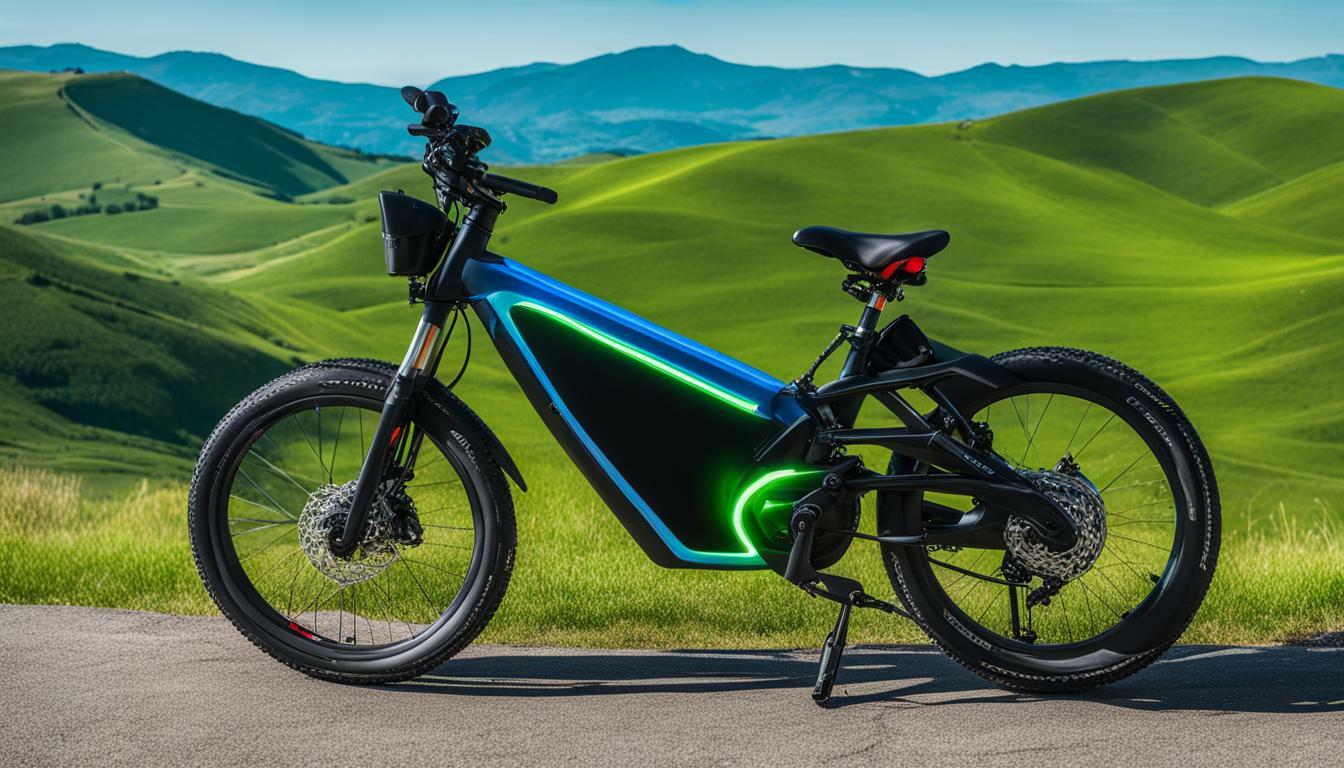
Taking care of your electric bike battery is crucial for its longevity and performance. Lithium-ion (Li-ion) batteries are commonly used in e-bikes and can last several years with proper care. Here are some tips to optimize your e-bike battery care:
1. Use the right charger: Ensure that you have the correct charger for your e-bike battery. Chargers vary based on voltage, so using the wrong one can damage the battery.
2. Charge fully: When charging your battery, plug it in until it reaches full charge. Check the charger indicator to confirm when it’s fully charged.
3. Avoid high temperatures: Exposure to extreme heat can degrade the battery’s performance. Avoid leaving the battery in hot environments for extended periods.
4. Don’t charge in extreme cold: Charging a battery in very cold conditions can lead to electrolyte thickening, which affects the battery’s efficiency. Wait for the battery to reach room temperature before charging in cold conditions.
5. Charge to 80-90%: Charging the battery to 80-90% rather than 100% can extend its lifespan. If you don’t need a full charge for your ride, stop charging when it reaches a level that suits your needs.
6. Avoid aggressive battery wear: If you find that you can drain your battery within an hour of riding, you may be causing excessive wear. Try to keep the state of charge between 20-80% to maximize battery life.
7. Store at 50% charge: When storing the battery for an extended period, aim to keep it at around 50% charge. This helps minimize degradation during storage.
8. Be mindful of temperature: Extreme temperatures can impact your battery’s performance. Avoid leaving the battery in very hot or cold conditions when not in use.
9. Inspect and maintain electrical contacts: Regularly check the connections between the battery and the bike to ensure they are clean and free from debris. This helps maintain a reliable connection.
10. Understand the impact of temperature: Cold temperatures can reduce the range of your e-bike, so plan accordingly. Removing the battery and storing it indoors when not in use can help minimize the impact of temperature.
By following these guidelines, you can optimize your e-bike battery’s lifespan and performance, saving you money in the long run and maximizing your enjoyment of your e-bike.
Understanding the Basics of Electric Bike Batteries
Electric bike batteries, especially those using lithium-ion (Li-ion) technology, require specific care and maintenance to ensure optimal performance. These batteries offer a lightweight and long-lasting power source for e-bikes, making them a popular choice among riders. To maximize the lifespan and performance of your electric bike battery, here are some essential tips for maintaining it:
- Use the right charger: It is crucial to use the correct charger specifically designed for your e-bike battery. Different chargers have varying voltages, and using the wrong one can lead to damage or inefficient charging.
- Charge fully: When charging your battery, ensure it reaches full capacity. This is important for maintaining its overall health and optimizing performance. Pay attention to the charger indicator that signals a full charge.
- Avoid high temperatures: Extreme heat can have a detrimental effect on battery performance and longevity. Avoid leaving your e-bike battery in hot environments for extended periods, as it can degrade its overall capacity.
- Don’t charge in extreme cold: Charging a battery in very cold conditions can impact its efficiency. If you need to charge your e-bike battery in cold weather, allow it to warm up to room temperature before initiating the charging process.
In addition to these tips, it is also advisable to charge your e-bike battery to around 80-90% rather than reaching a full 100%. This helps extend the battery’s lifespan. If you don’t require a full charge for your ride, stopping the charging process when it reaches a level that suits your needs can help optimize battery usage. Furthermore, aggressive battery wear can occur if you frequently drain your e-bike battery within a short period. Maintaining a state of charge between 20-80% is recommended to maximize battery life.
Proper storage is also essential for maintaining your e-bike battery’s performance. When not in use for an extended period, aim to keep the battery at around 50% charge. This helps minimize degradation and ensures it is in good condition when you’re ready to ride again. It’s also crucial to be mindful of temperature impacts. Extreme hot or cold conditions can affect the battery’s overall performance. Avoid leaving the battery in such conditions when not in use, and consider storing it in a temperature-controlled environment if possible.
Lastly, regularly inspecting and maintaining the electrical contacts between the battery and the bike is vital for reliable performance. Clean the contacts and ensure they are free from debris, as this helps maintain a strong and consistent connection. By following these essential tips, you can optimize your e-bike battery’s lifespan and performance, ensuring that you enjoy many trouble-free rides while maximizing the benefits of your electric bike.
| Tip | Description |
|---|---|
| Use the right charger | Ensure you have the correct charger for your e-bike battery to avoid damage. |
| Charge fully | Plug in your battery until it reaches a full charge and check the charger indicator. |
| Avoid high temperatures | Prevent the battery from prolonged exposure to extreme heat to maintain performance. |
| Don’t charge in extreme cold | Wait for the battery to reach room temperature before charging in very cold conditions. |
| Charge to 80-90% | Optimize battery lifespan by stopping charging at 80-90% if full charge is unnecessary. |
| Avoid aggressive battery wear | Keep the state of charge between 20-80% to maximize battery life and minimize wear. |
| Store at 50% charge | When storing the battery for a long period, maintain a 50% charge to minimize degradation. |
| Be mindful of temperature | Avoid leaving the battery in extreme hot or cold conditions when not in use. |
| Inspect and maintain electrical contacts | Regularly clean the contacts to ensure a reliable connection between the battery and the bike. |
Choosing the Right Charger for Your E-Bike Battery
To ensure proper battery care, it’s essential to use the right charger specifically designed for your e-bike battery. Using the wrong charger can lead to damage and reduced battery performance. When selecting a charger, consider the following:
- Check the voltage: Verify that the charger’s voltage matches the voltage requirement of your e-bike battery. Using a charger with the incorrect voltage can cause overheating and potential damage to the battery.
- Ampere rating: Look for a charger with an appropriate ampere rating. Choosing a charger with too low of an ampere rating can result in longer charging times, while a charger with too high of an ampere rating may cause the battery to heat up excessively.
- Quality and compatibility: Opt for a charger from a reputable brand that is compatible with your specific e-bike model. This ensures compatibility and reduces the risk of potential issues during the charging process.
By selecting the right charger, you can ensure efficient and safe charging for your e-bike battery, prolonging its lifespan and optimizing its performance.
| Charger Brand | Voltage | Ampere Rating | Compatibility |
|---|---|---|---|
| Brand A | 48V | 2A | Compatible with Model X, Model Y, Model Z |
| Brand B | 36V | 3A | Compatible with Model A, Model B, Model C |
| Brand C | 52V | 4A | Compatible with Model P, Model Q, Model R |
Please note that the table above is for illustrative purposes only and may not reflect the exact specifications of available chargers. Refer to the manufacturer’s guidelines for precise compatibility information.
Best Charging Practices for E-Bike Batteries
Proper charging practices play a significant role in extending the life and performance of your e-bike battery. By following these guidelines, you can ensure that your battery remains in optimal condition and lasts for years to come.
- Use the right charger: It is crucial to use the correct charger specifically designed for your e-bike battery. Using the wrong charger can seriously damage the battery and reduce its lifespan. Always consult the manufacturer’s recommendations for the appropriate charger.
- Charge fully: When it’s time to charge your battery, make sure to plug it in until it reaches a full charge. This ensures that the battery cells are balanced and maximizes its energy storage capacity.
- Avoid high temperatures: Exposing your battery to extreme heat can have a detrimental effect on its performance and overall lifespan. Avoid leaving the battery in hot environments for extended periods. Instead, store it in a cool and dry place.
- Don’t charge in extreme cold: Charging your battery in very cold temperatures can lead to electrolyte thickening, which can reduce its efficiency. If you need to charge the battery in cold conditions, wait until it reaches room temperature before doing so.
- Charge to 80-90%: Charging your battery to 80-90% instead of 100% can help prolong its lifespan. If you don’t need a full charge for your ride, stopping the charging process at a lower level can reduce wear on the battery cells.
It’s important to note that each battery and e-bike model may have specific charging recommendations, so always refer to the manufacturer’s guidelines for optimal charging practices.
Proper Charging Practices Infographic
| Charging Practice | Effect on Battery Life |
|---|---|
| Using the right charger | Maximizes battery lifespan |
| Charging fully | Ensures balanced cells and optimal energy storage |
| Avoiding high temperatures | Prevents performance degradation |
| Avoiding charging in extreme cold | Maintains battery efficiency |
| Charging to 80-90% | Reduces wear on battery cells |
By incorporating these charging practices into your e-bike battery care routine, you can enjoy extended battery life, better performance, and a more reliable riding experience. Remember, proper charging is essential for maximizing the longevity and efficiency of your e-bike battery.
Strategies for Optimizing Battery Lifespan and Performance
Implementing certain strategies can maximize the lifespan and performance of your e-bike battery. By following these guidelines, you can save money in the long run and get the most out of your e-bike:
- Use the right charger: Ensure that you have the correct charger for your e-bike battery. Chargers vary based on voltage, so using the wrong one can damage the battery.
- Charge fully: When charging your battery, plug it in until it reaches full charge. Check the charger indicator to confirm when it’s fully charged.
- Avoid high temperatures: Exposure to extreme heat can degrade the battery’s performance. Avoid leaving the battery in hot environments for extended periods.
- Don’t charge in extreme cold: Charging a battery in very cold conditions can lead to electrolyte thickening, which affects the battery’s efficiency. Wait for the battery to reach room temperature before charging in cold conditions.
To further optimize your e-bike battery’s lifespan and performance, consider the following:
- Charge to 80-90%: Charging the battery to 80-90% rather than 100% can extend its lifespan. If you don’t need a full charge for your ride, stop charging when it reaches a level that suits your needs.
- Avoid aggressive battery wear: If you find that you can drain your battery within an hour of riding, you may be causing excessive wear. Try to keep the state of charge between 20-80% to maximize battery life.
- Store at 50% charge: When storing the battery for an extended period, aim to keep it at around 50% charge. This helps minimize degradation during storage.
- Be mindful of temperature: Extreme temperatures can impact your battery’s performance. Avoid leaving the battery in very hot or cold conditions when not in use.
In addition, maintaining the electrical contacts between the battery and the bike is important. Regularly check the connections to ensure they are clean and free from debris, as this helps maintain a reliable connection. Finally, understand the impact of temperature on your battery’s range and plan accordingly. Removing the battery and storing it indoors when not in use can help minimize the impact of temperature.
| Strategies | Benefits |
|---|---|
| Using the right charger | Prevents battery damage |
| Charging fully | Ensures maximum battery capacity |
| Avoiding high temperatures | Maintains battery performance |
| Not charging in extreme cold | Preserves battery efficiency |
By following these guidelines and implementing the recommended strategies, you can optimize your e-bike battery’s lifespan and performance, ensuring a longer-lasting and more enjoyable riding experience.
Temperature Considerations for E-Bike Battery Care
Temperature can significantly affect the performance and longevity of your e-bike battery, so it’s important to be mindful of temperature considerations. Extreme heat or cold can impact the battery’s efficiency and lifespan. Here are some best practices to follow:
- Avoid charging the battery in very cold conditions. Low temperatures can cause the battery’s electrolyte to thicken, reducing its efficiency. If you need to charge the battery in cold weather, allow it to warm up to room temperature before connecting it to the charger.
- Similarly, extreme heat can also degrade the battery’s performance. Avoid leaving the battery exposed to high temperatures, especially in direct sunlight or enclosed spaces. Instead, store the battery in a cool and well-ventilated area.
- When planning your rides, be mindful of temperature variations. Cold temperatures can reduce your e-bike’s range, so adjust your expectations accordingly. If possible, remove the battery and store it indoors when not in use to minimize the impact of temperature.
By taking these temperature considerations into account, you can optimize the performance and lifespan of your e-bike battery. Regularly inspecting and cleaning the electrical contacts, using the correct charger, and following other best practices for battery care will further enhance the longevity and reliability of your e-bike’s power source.
| Best Practices for E-Bike Battery Care |
|---|
| Use the right charger |
| Charge fully |
| Avoid high temperatures |
| Don’t charge in extreme cold |
| Charge to 80-90% |
| Avoid aggressive battery wear |
| Store at 50% charge |
| Be mindful of temperature |
| Inspect and maintain electrical contacts |
Follow these practices to optimize your e-bike battery’s lifespan and performance. By taking care of your battery, you can ensure that your e-bike remains reliable and enjoyable to ride for years to come.
Maintaining Electrical Contacts for Reliable Performance
Regular maintenance of electrical contacts is essential to ensure reliable performance of your e-bike battery. Over time, dirt, dust, and debris can accumulate on the contacts, leading to a weakened connection and potential issues with power delivery. By following these simple steps, you can keep your electrical contacts clean and maintain optimal performance:
- Inspect the contacts: Regularly check the electrical contacts on both the battery and the bike for any signs of dirt or damage. Look for any corrosion or loose connections that may affect the performance.
- Clean the contacts: Use a soft cloth or a brush to gently clean the contacts. Avoid using abrasive materials that could scratch or damage the surfaces. If there is dirt or grime buildup, you can use a small amount of rubbing alcohol on a cloth to wipe it away.
- Check for debris: Ensure that there is no debris such as leaves, dust, or sand trapped between the contacts. This can interfere with the connection and cause issues with power transfer.
- Tighten the connections: If you notice any loose connections, use a suitable tool, such as a screwdriver or wrench, to tighten them. Ensure that the contacts are secure but be careful not to overtighten and risk damaging the components.
- Prevent moisture: Moisture can corrode the contacts and lead to poor performance. If you ride in wet conditions, make sure to dry the contacts thoroughly afterward and consider applying a moisture-repelling solution or dielectric grease for added protection.
By regularly inspecting and maintaining your electrical contacts, you can ensure a reliable and efficient connection between the battery and the bike. This will help maximize the performance and lifespan of your e-bike battery, allowing you to enjoy worry-free rides for years to come.
| Tips for Maintaining Electrical Contacts | Benefits |
|---|---|
| Inspect the contacts regularly | Identify and address any issues before they affect performance |
| Clean the contacts gently | Remove dirt and debris for optimal power transfer |
| Avoid abrasive materials | Prevent scratching or damaging the contact surfaces |
| Check for trapped debris | Ensure a clear and unobstructed connection |
| Tighten loose connections | Maintain a secure and stable connection |
| Prevent moisture | Protect against corrosion and maintain performance |
By following these tips and incorporating regular maintenance of your electrical contacts into your e-bike care routine, you can ensure reliable performance and prolong the life of your e-bike battery.
Impact of Temperature on Range and Storage
Understanding how temperature affects your e-bike battery’s range and properly storing it can help optimize its performance. Extreme temperatures, both hot and cold, can have a significant impact on battery efficiency and lifespan.
When using your e-bike in very cold conditions, the battery’s range can be reduced. The cold temperature affects the chemical reactions happening within the battery, leading to a decrease in performance. To minimize this impact, it’s recommended to store the battery indoors when not in use, keeping it at room temperature.
On the other hand, exposing your e-bike battery to high temperatures can also degrade its performance. Heat can cause the battery to age faster and may lead to a decrease in capacity over time. Avoid leaving your e-bike or its battery in hot environments, such as a car trunk on a sunny day.
When storing your e-bike battery for extended periods, it’s important to consider temperature as well. Aim to keep the battery at around 50% charge during storage, as this helps minimize degradation. Storing the battery in a cool, dry place can further enhance its longevity.
| Temperature | Effect on Battery |
|---|---|
| Cold | Reduces range and efficiency |
| Hot | Degrades performance and capacity |
| Room temperature | Optimal conditions for storage |
By understanding the impact of temperature on your e-bike battery and taking proper storage measures, you can optimize its performance and extend its lifespan. This will ultimately save you money and ensure you get the most out of your e-bike, enjoying many worry-free rides.
Conclusion
By following the recommended electric bike battery care tips, you can maximize the lifespan, performance, and enjoyment of your e-bike battery. Taking care of your electric bike battery is crucial for its longevity and performance. Lithium-ion (Li-ion) batteries are commonly used in e-bikes and can last several years with proper care. Here are some tips to optimize your e-bike battery care:
-
Use the right charger: Ensure that you have the correct charger for your e-bike battery. Chargers vary based on voltage, so using the wrong one can damage the battery.
-
Charge fully: When charging your battery, plug it in until it reaches full charge. Check the charger indicator to confirm when it’s fully charged.
-
Avoid high temperatures: Exposure to extreme heat can degrade the battery’s performance. Avoid leaving the battery in hot environments for extended periods.
-
Don’t charge in extreme cold: Charging a battery in very cold conditions can lead to electrolyte thickening, which affects the battery’s efficiency. Wait for the battery to reach room temperature before charging in cold conditions.
-
Charge to 80-90%: Charging the battery to 80-90% rather than 100% can extend its lifespan. If you don’t need a full charge for your ride, stop charging when it reaches a level that suits your needs.
-
Avoid aggressive battery wear: If you find that you can drain your battery within an hour of riding, you may be causing excessive wear. Try to keep the state of charge between 20-80% to maximize battery life.
-
Store at 50% charge: When storing the battery for an extended period, aim to keep it at around 50% charge. This helps minimize degradation during storage.
-
Be mindful of temperature: Extreme temperatures can impact your battery’s performance. Avoid leaving the battery in very hot or cold conditions when not in use.
-
Inspect and maintain electrical contacts: Regularly check the connections between the battery and the bike to ensure they are clean and free from debris. This helps maintain a reliable connection.
-
Understand the impact of temperature: Cold temperatures can reduce the range of your e-bike, so plan accordingly. Removing the battery and storing it indoors when not in use can help minimize the impact of temperature.
By following these guidelines, you can optimize your e-bike battery’s lifespan and performance, saving you money in the long run and maximizing your enjoyment of your e-bike.